
Dungeons & Dragons: World of Warcraft Lets Players Rewrite Azeroth With New Dungeon Paths
Dungeons & Dragons: World of Warcraft is taking a very different approach to adapting Blizzard’s MMO. Instead of recreating World of Warcraft as a tabletop game mechanic by mechanic, Wizards of the Coast is treating Azeroth as a flexible campaign setting where players can change events, approach familiar locations from completely different directions, negotiate with enemies, avoid encounters, and potentially leave permanent consequences behind.
The official Dungeons & Dragons: World of Warcraft expansion launches on November 17, 2026, with D&D Beyond Master Tier early access beginning November 3. The book allows groups to explore Azeroth across different periods of Warcraft history rather than locking campaigns to a single moment in the MMO timeline. Dungeon Masters can build adventures around conflicts involving the Horde and Alliance, the Scourge, Burning Legion, Dragonflights, Old Gods, or combine different elements depending on the campaign they want to create.
Project lead designer James Wyatt described the process as closer to paraphrasing World of Warcraft than directly translating it. The objective is to reproduce the identity and atmosphere of Azeroth while preserving the freedom that defines tabletop role playing. Senior Game Designer Joey Haeck similarly describes the expansion as a collection of tools that Dungeon Masters can use to shape their own version of Azeroth.
"This book is absolutely a toolbox or toybox that you can use to fill your D&D game with these sorts of adventures."
— Quote by: Joey Haeck
That philosophy is particularly visible in the dungeon design. World of Warcraft instances are fundamentally structured around real time combat, boss mechanics, predefined paths, party roles, and repeatable encounters. Dungeons & Dragons needs to accommodate negotiation, stealth, exploration, improvisation, unexpected decisions, and players attempting solutions the designers may never have anticipated.
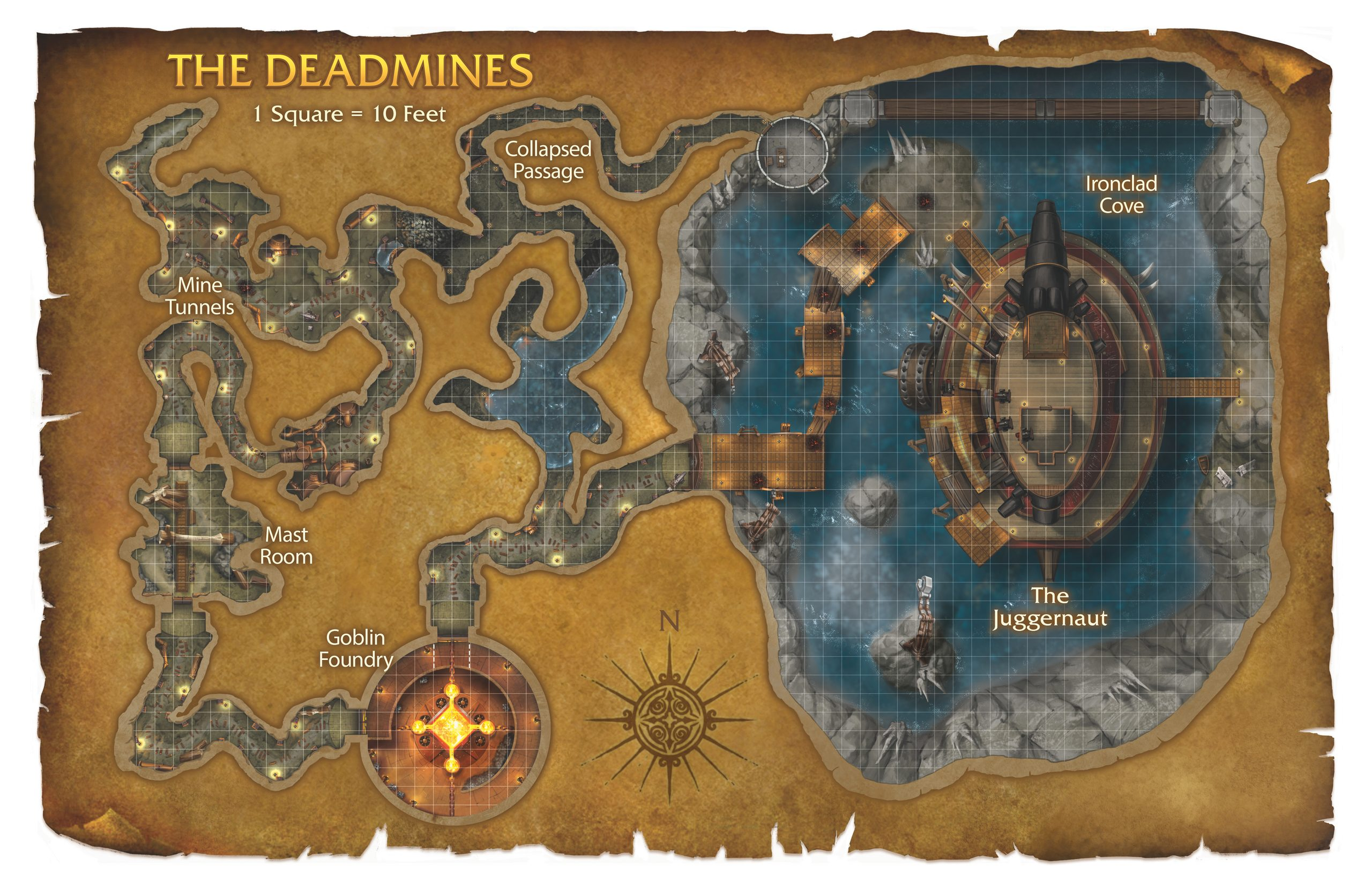
The Deadmines demonstrates how dramatically that philosophy can change an iconic location. Its basic identity remains recognizable to veteran World of Warcraft players, but the tabletop version introduces additional passages and shortcuts inspired by areas beneath Moonbrook. Players can potentially bypass enemies, approach encounters from different directions, sneak through sections of the dungeon, or manipulate the environment rather than following the largely linear combat route familiar from the MMO.
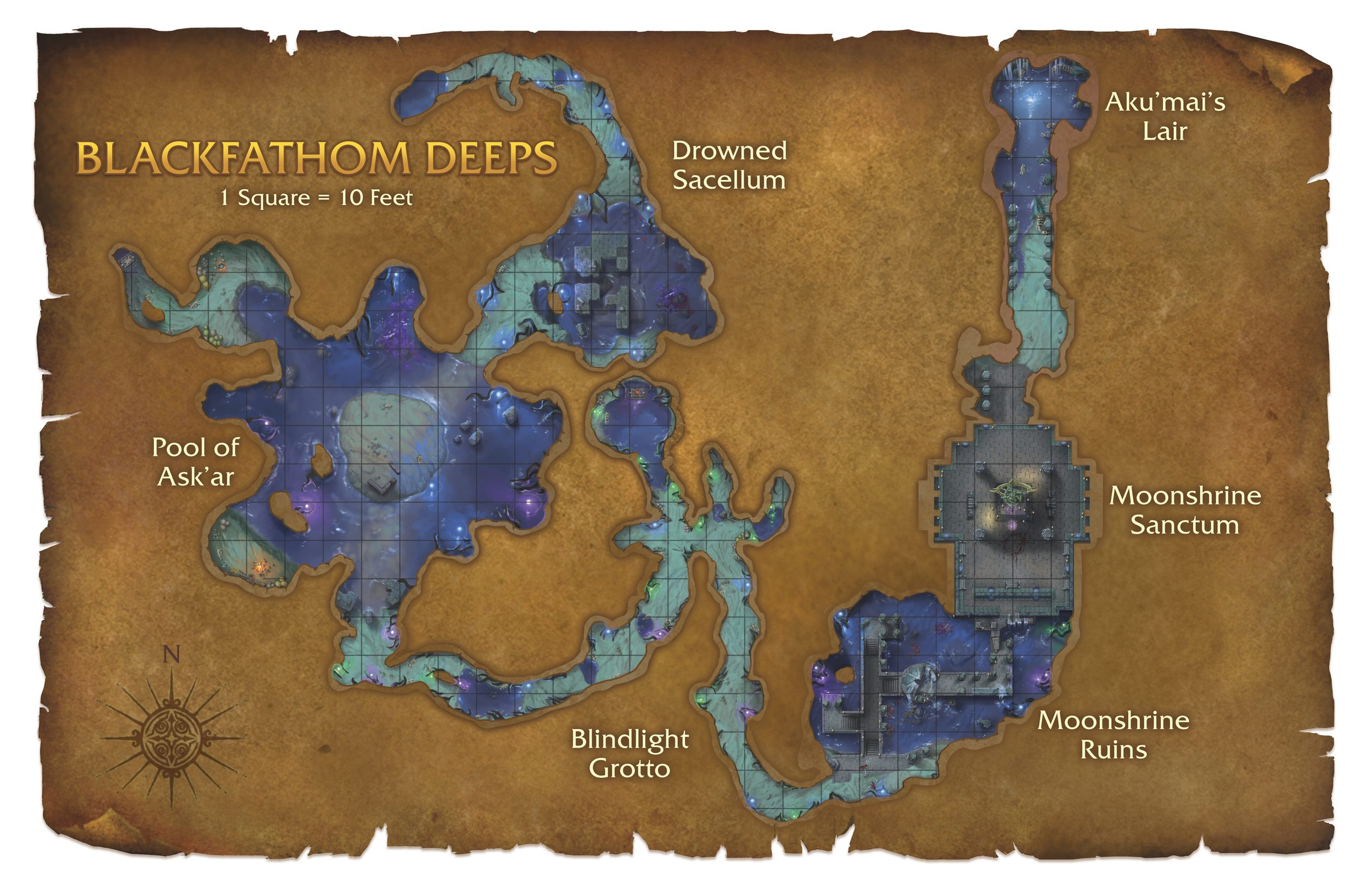
Blackfathom Deeps expands the concept further. Its ancient underwater temple structure remains central to the dungeon, but Dungeon Masters receive random encounters and events that are not necessarily combat focused, including supernatural elements connected to the Old Gods. More importantly, the dungeon does not need to reset simply because the party leaves. Defeating part of the dungeon and returning later could reveal that another faction has occupied the abandoned territory, surviving enemies have reorganized, or previously controlled groups have reclaimed sections of the complex.
This creates a fundamentally different relationship with Warcraft locations. In the MMO, enemies eventually return because instances must remain replayable. At a tabletop table, the dungeon can remember what players did.
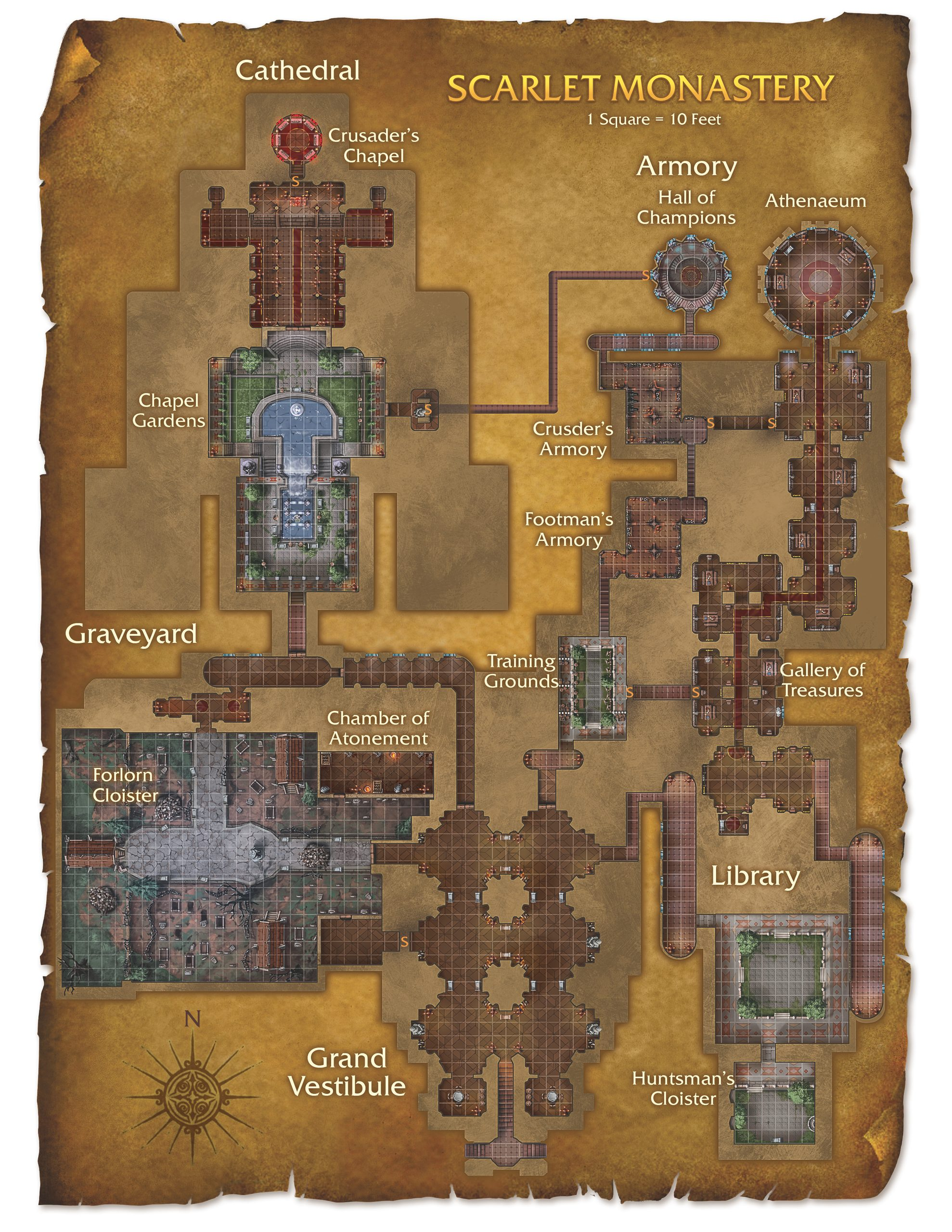
Scarlet Monastery is being adapted as a much larger interconnected environment where its different wings, factions, and objectives can potentially support an extended campaign. Players could infiltrate the Monastery, manipulate opposing groups, form temporary alliances, or simply attack the Scarlet Crusade directly. The resulting story can therefore change substantially depending on how each party operates.
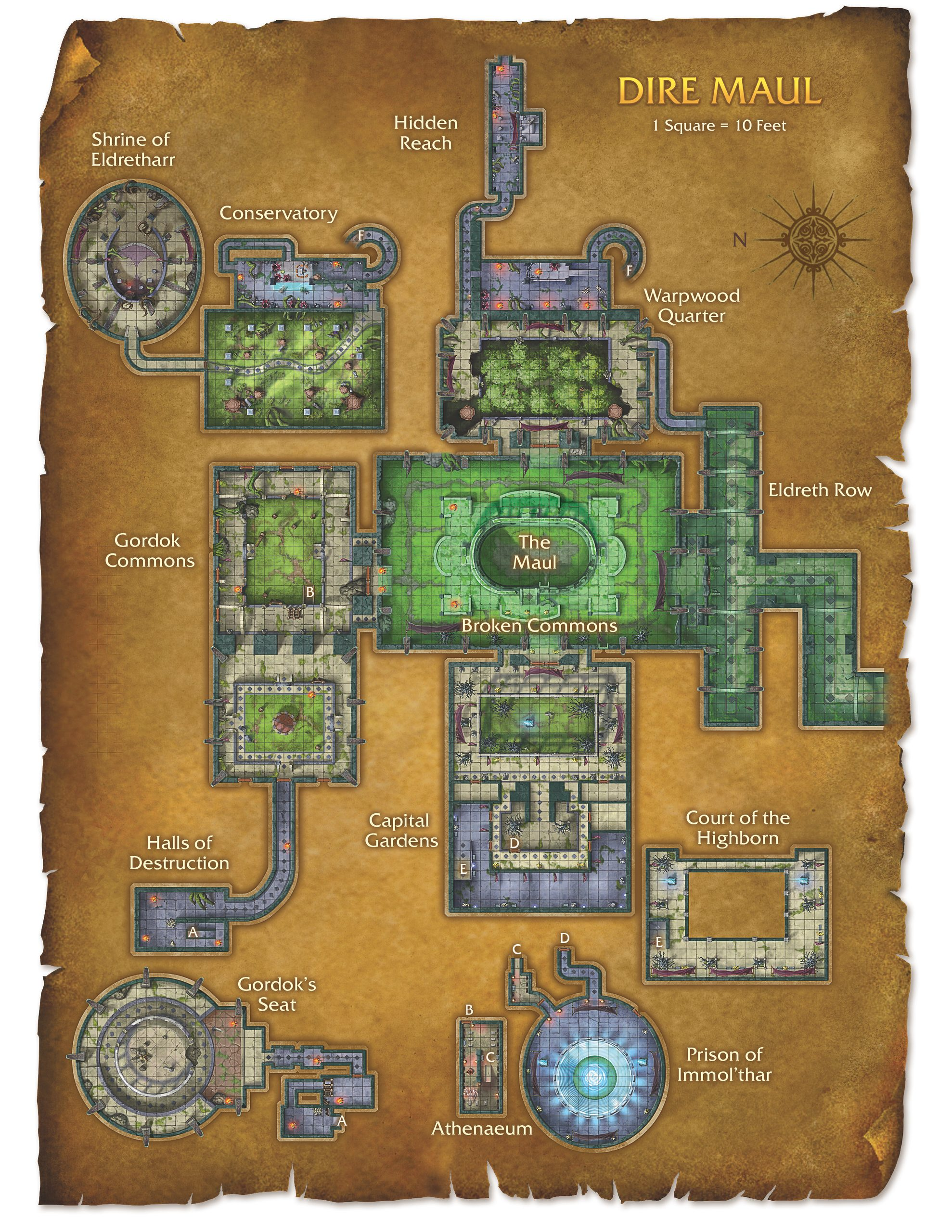
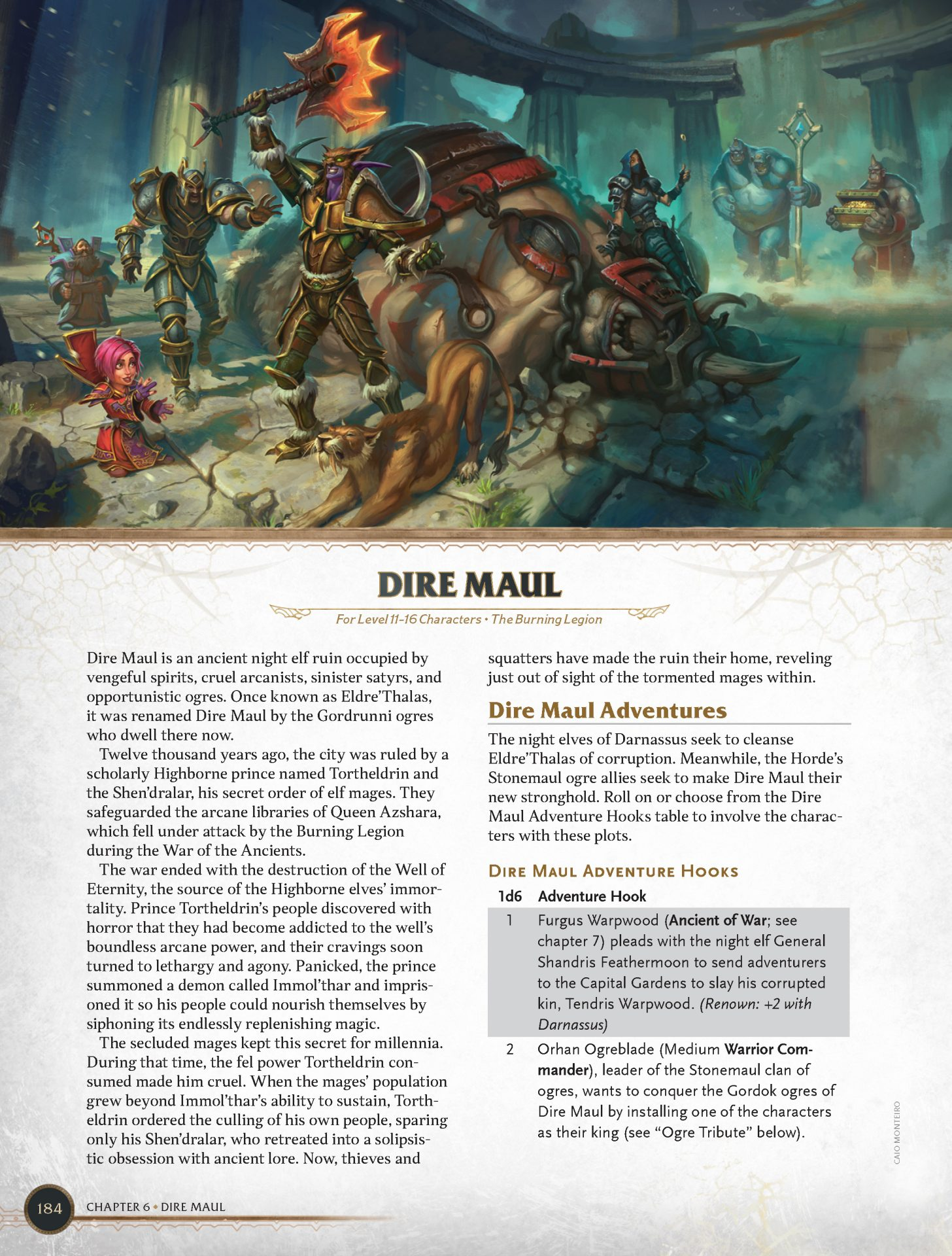
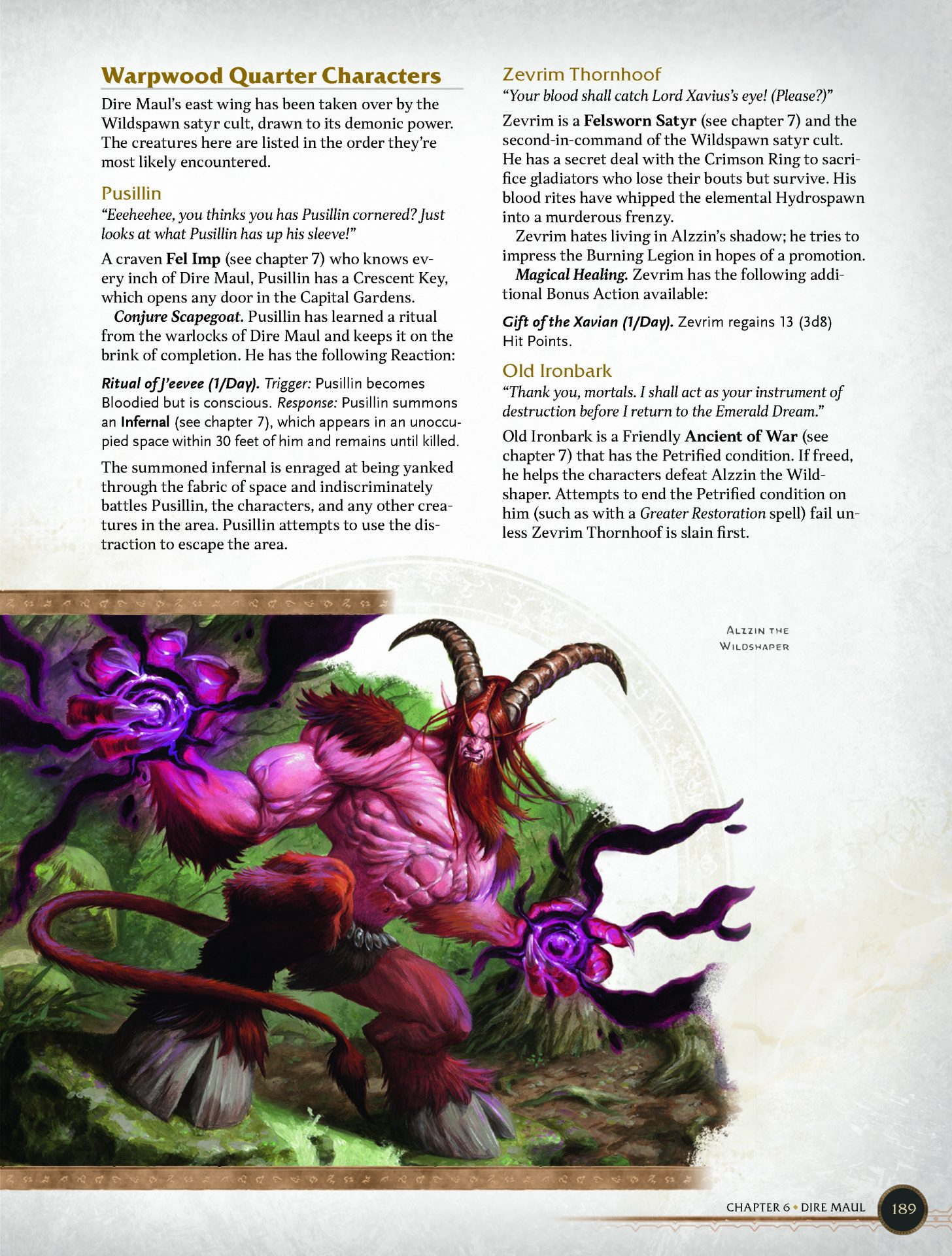
Dire Maul follows a similar philosophy. Its multiple wings and competing inhabitants create opportunities to negotiate with factions, manipulate relationships, fight through the complex, or recreate the famous Ogre Tribute Run by avoiding most bosses before confronting King Gordok. For experienced World of Warcraft players, these possibilities take familiar mechanics and turn them into genuine narrative decisions rather than predetermined MMO systems.
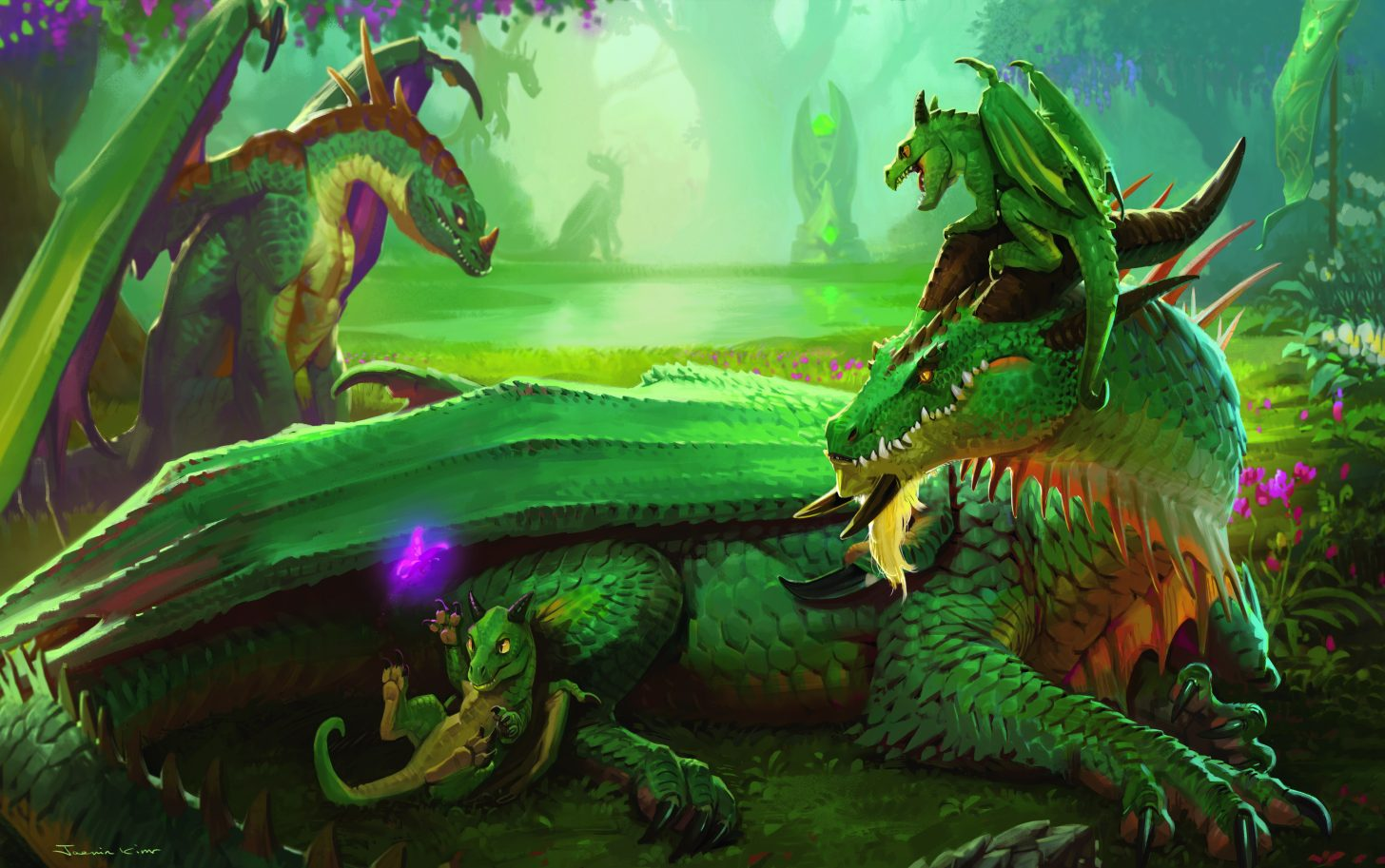
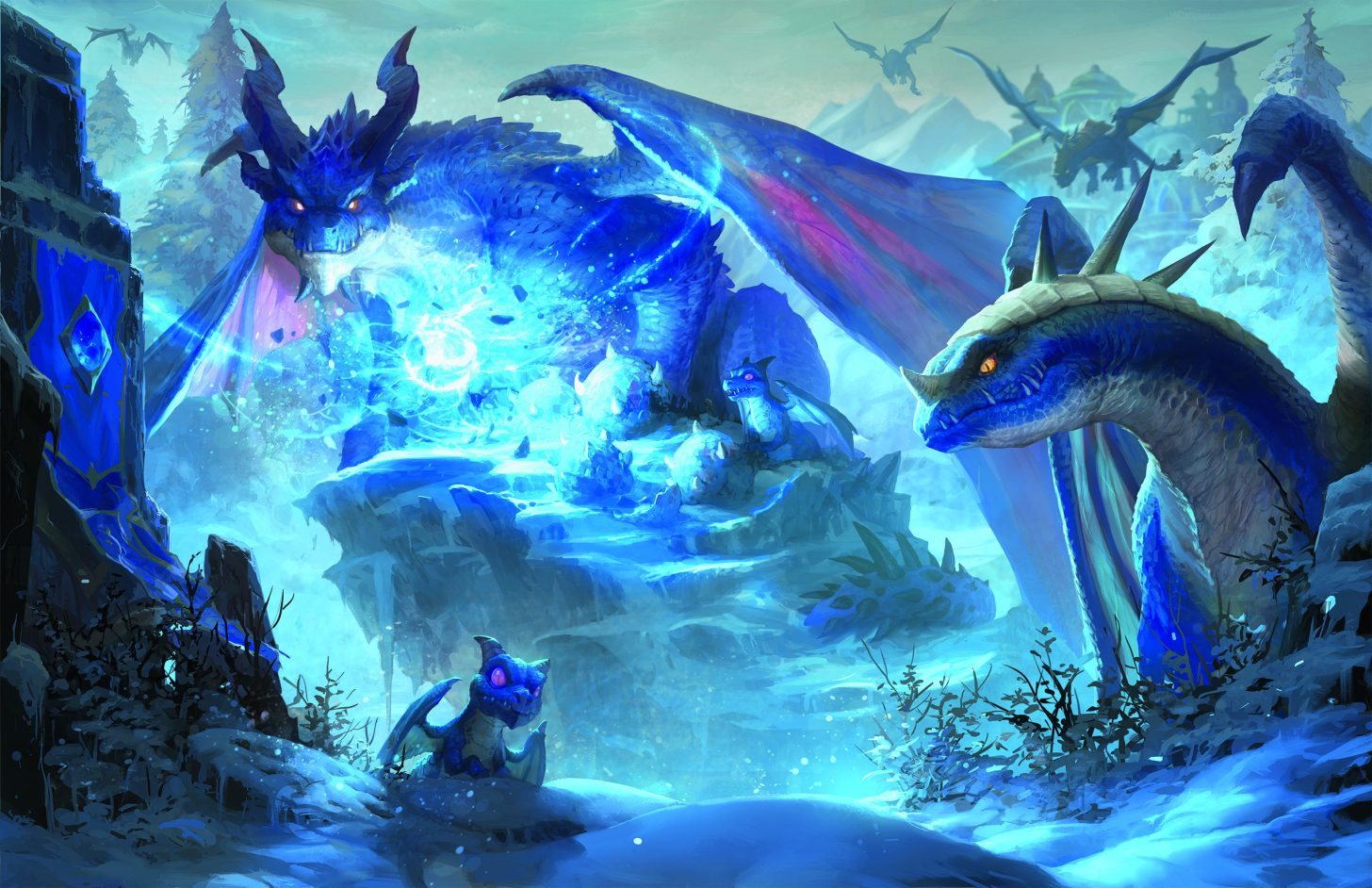
Not every dungeon is being transformed into an open maze. Some locations remain intentionally more direct. Ahn'kahet: The Old Kingdom, for example, is structured around a more linear sequence of major encounters, while adventure hooks provide different reasons for entering the dungeon. A group could be investigating Old God influence, supporting a faction campaign, or trying to establish a path toward Icecrown.
Boss encounters are also being redesigned for turn based tabletop combat instead of directly reproducing MMO mechanics. Certain powerful enemies use multi stage encounters where reaching 0 hit points can trigger another phase with restored health and new abilities. Other mechanics reinterpret familiar MMO concepts without requiring players to constantly track stacks, timers, and interface elements around a physical table.
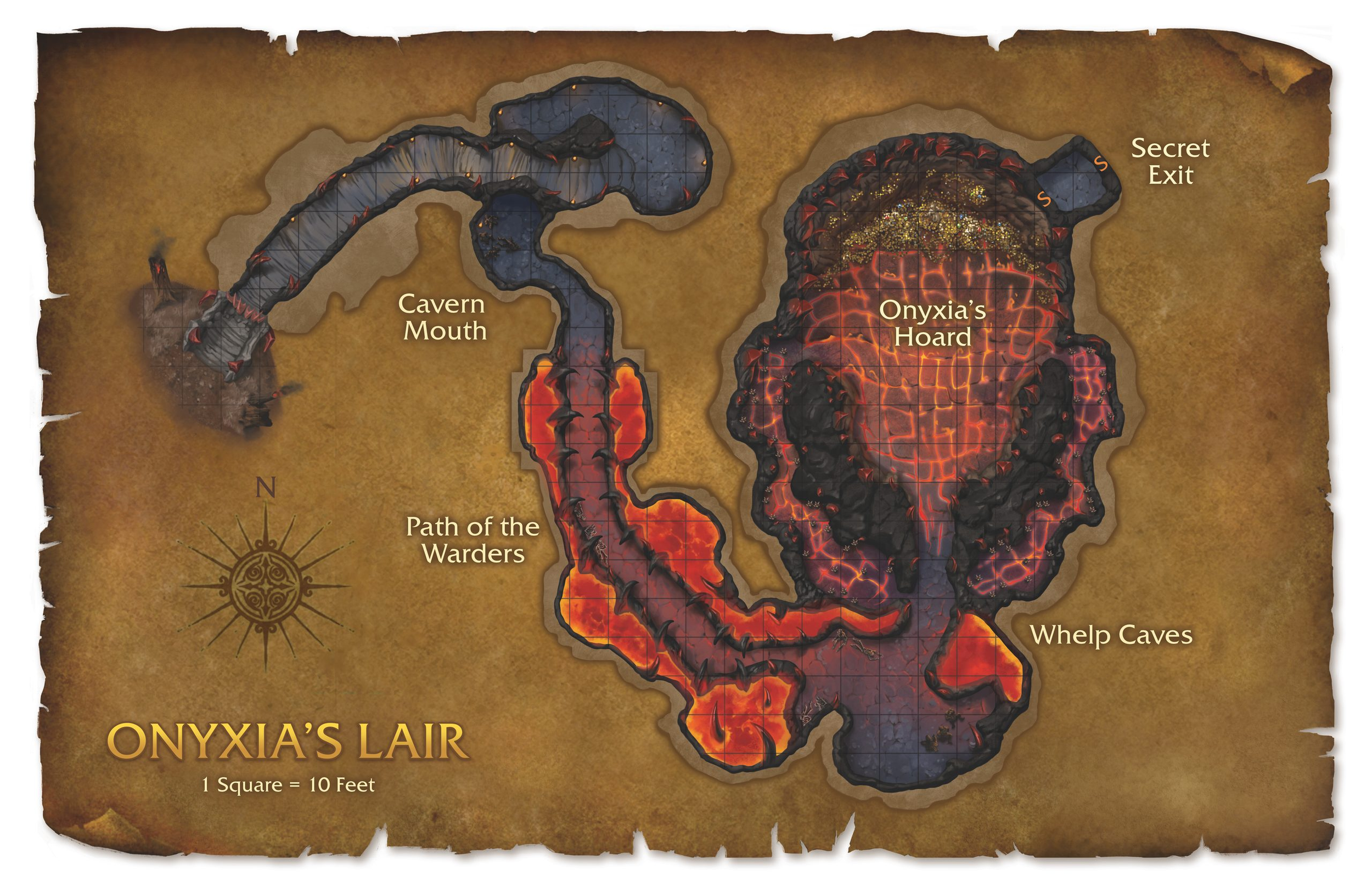
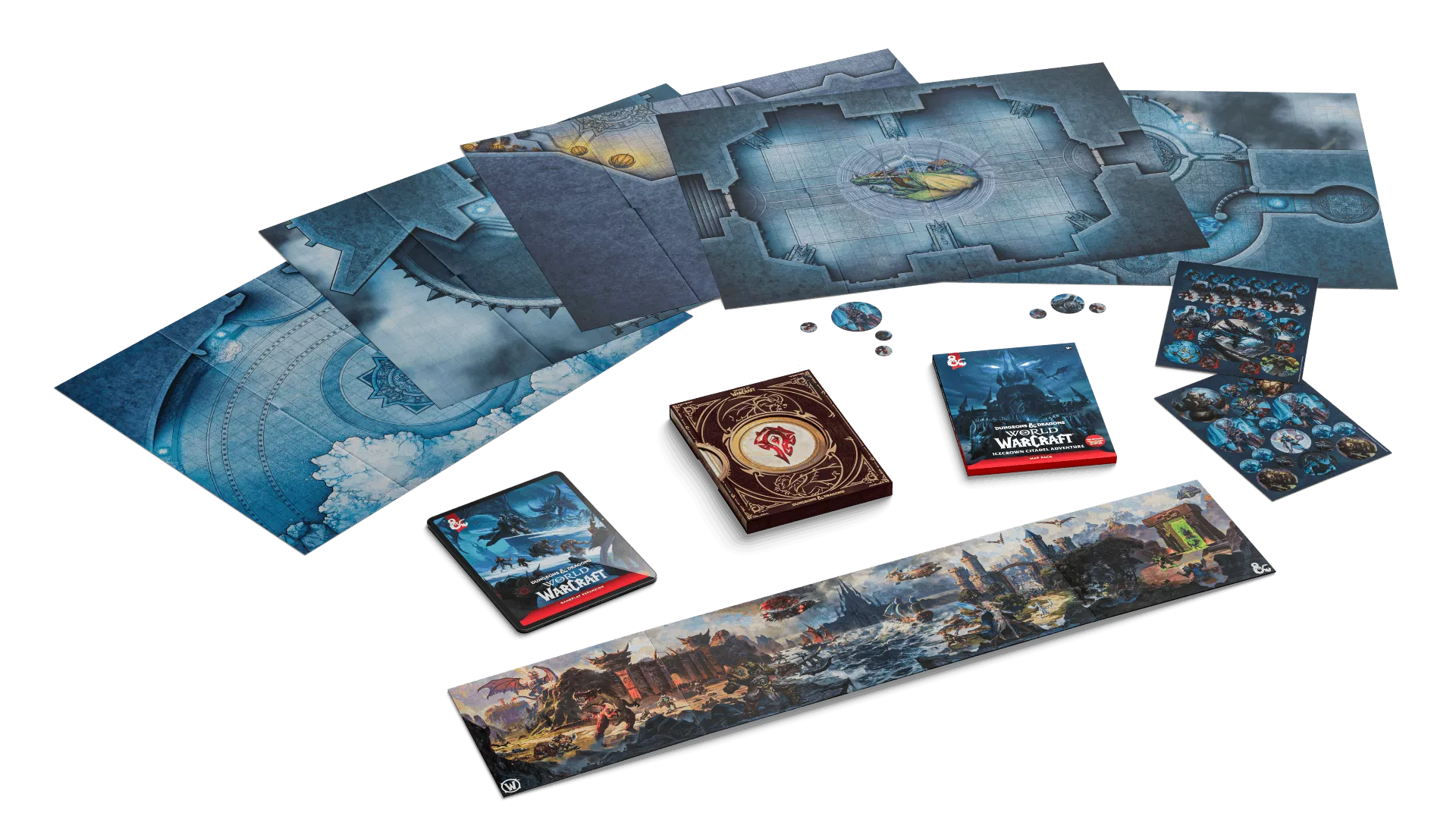
The broader expansion includes 7 major dungeon adaptations: Azjol Nerub, Blackfathom Deeps, Deadmines, Dire Maul, Onyxia's Lair, Scarlet Monastery, and Shadowfang Keep. An additional Icecrown Citadel Adventure Map Pack will take high level parties through the Lower Spire toward the Frozen Throne and the Lich King.
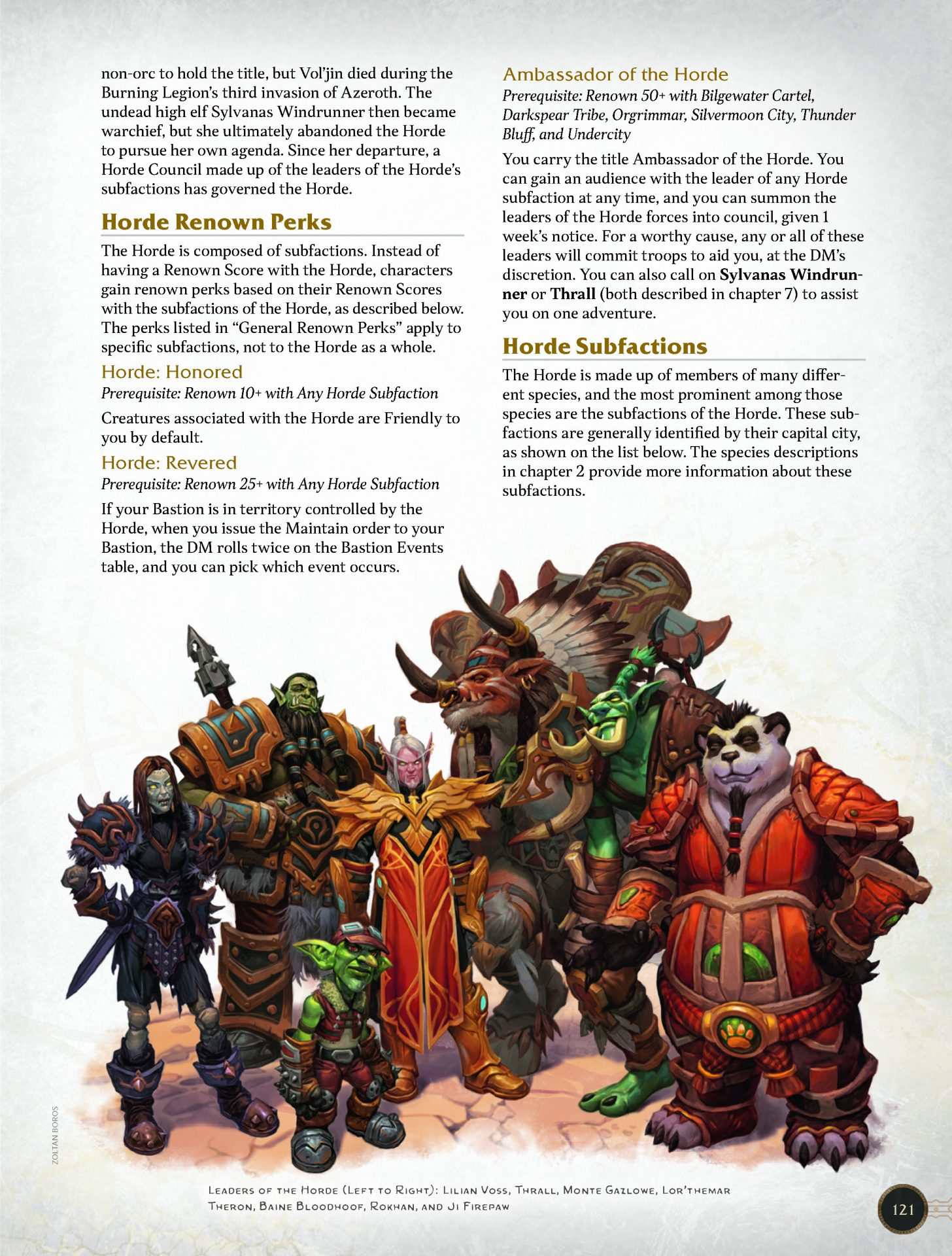
Character creation receives similarly extensive treatment. The official material includes rules covering World of Warcraft species and all 13 classes through new and revised D&D subclasses and more than 40 specializations, alongside more than 60 spells and over 25 magic items. Players can attempt to recreate their existing WoW main character, reinterpret an alternate character, or create someone who could never exist within the restrictions of the MMO.
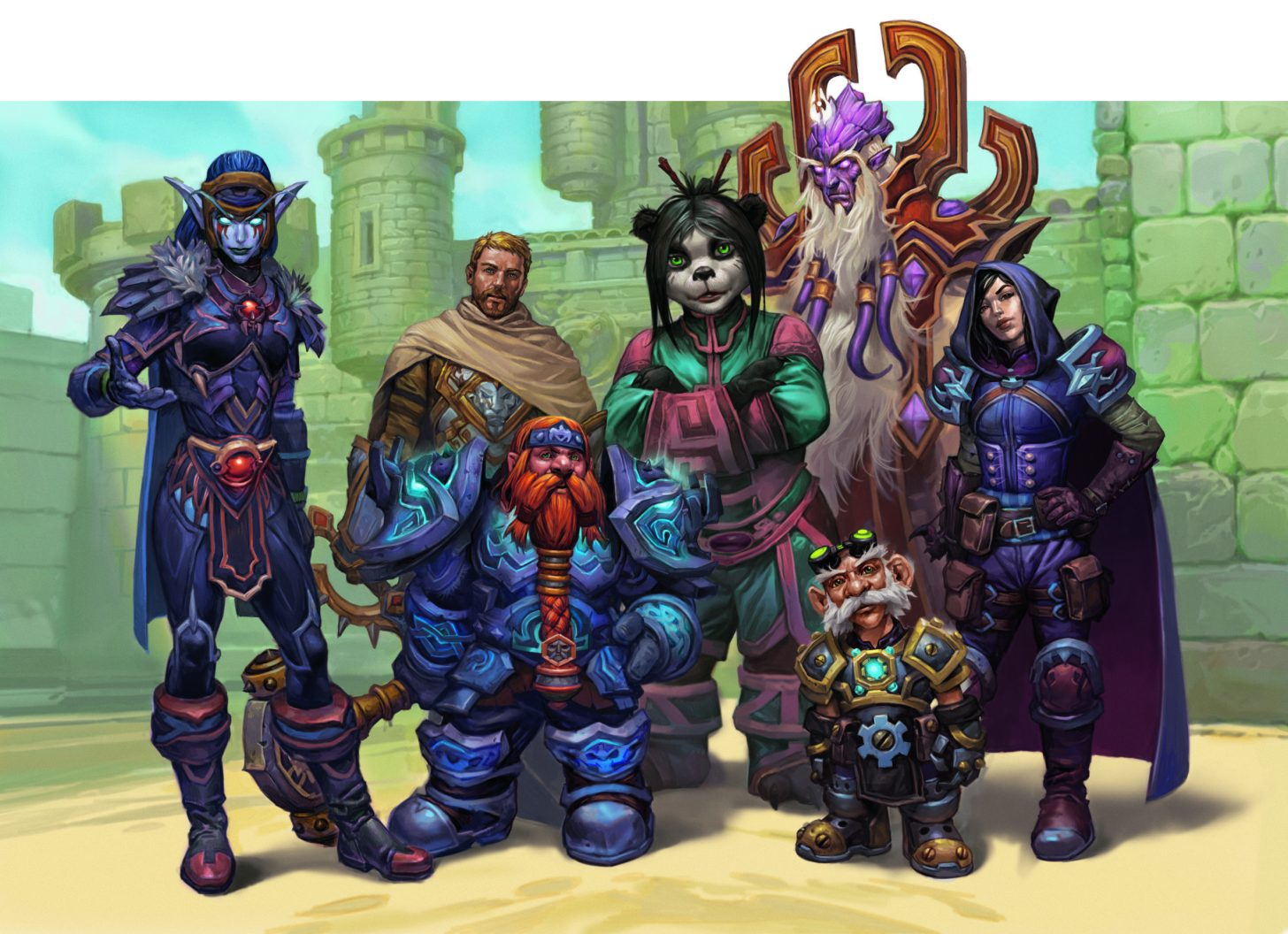
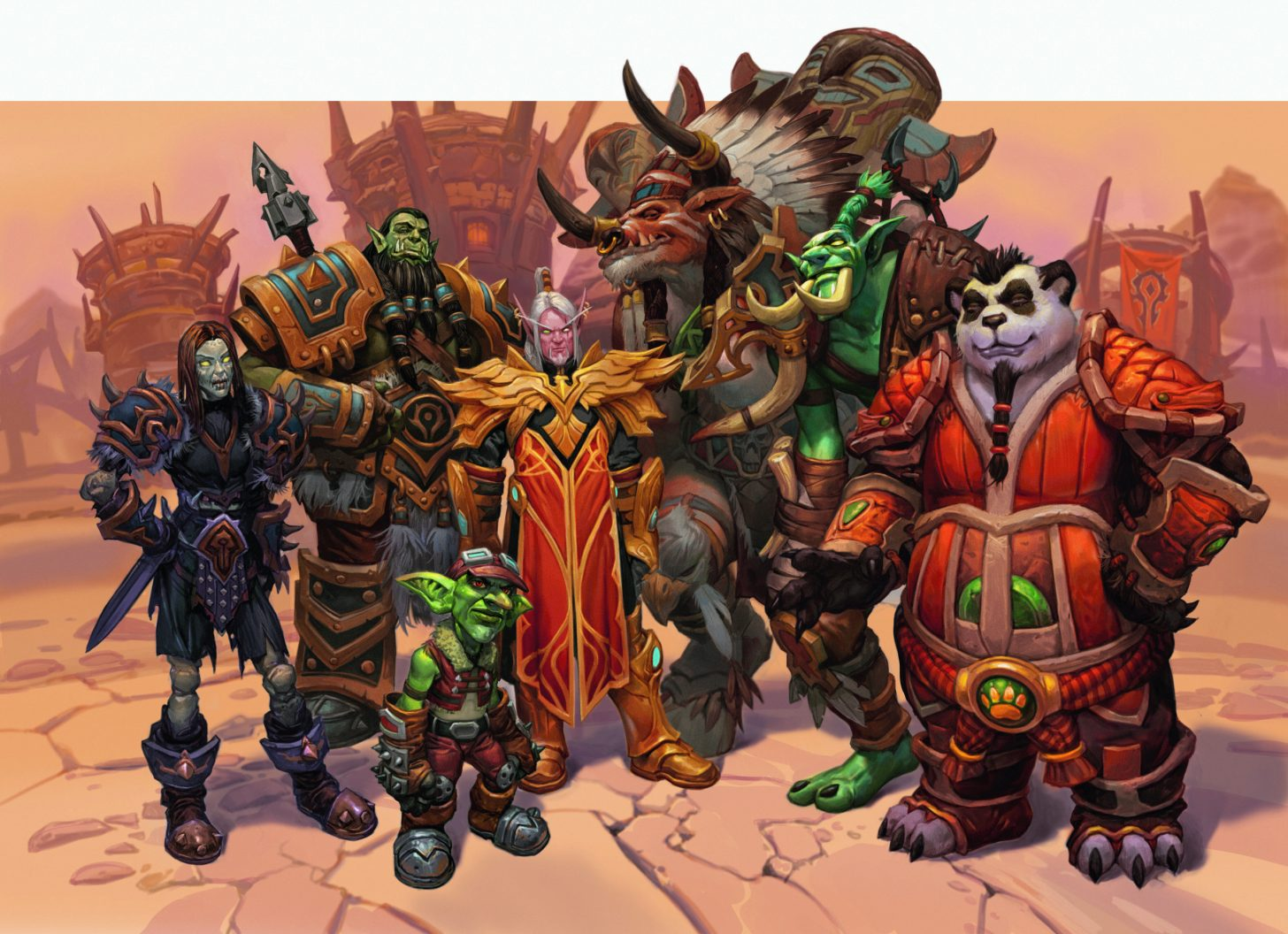
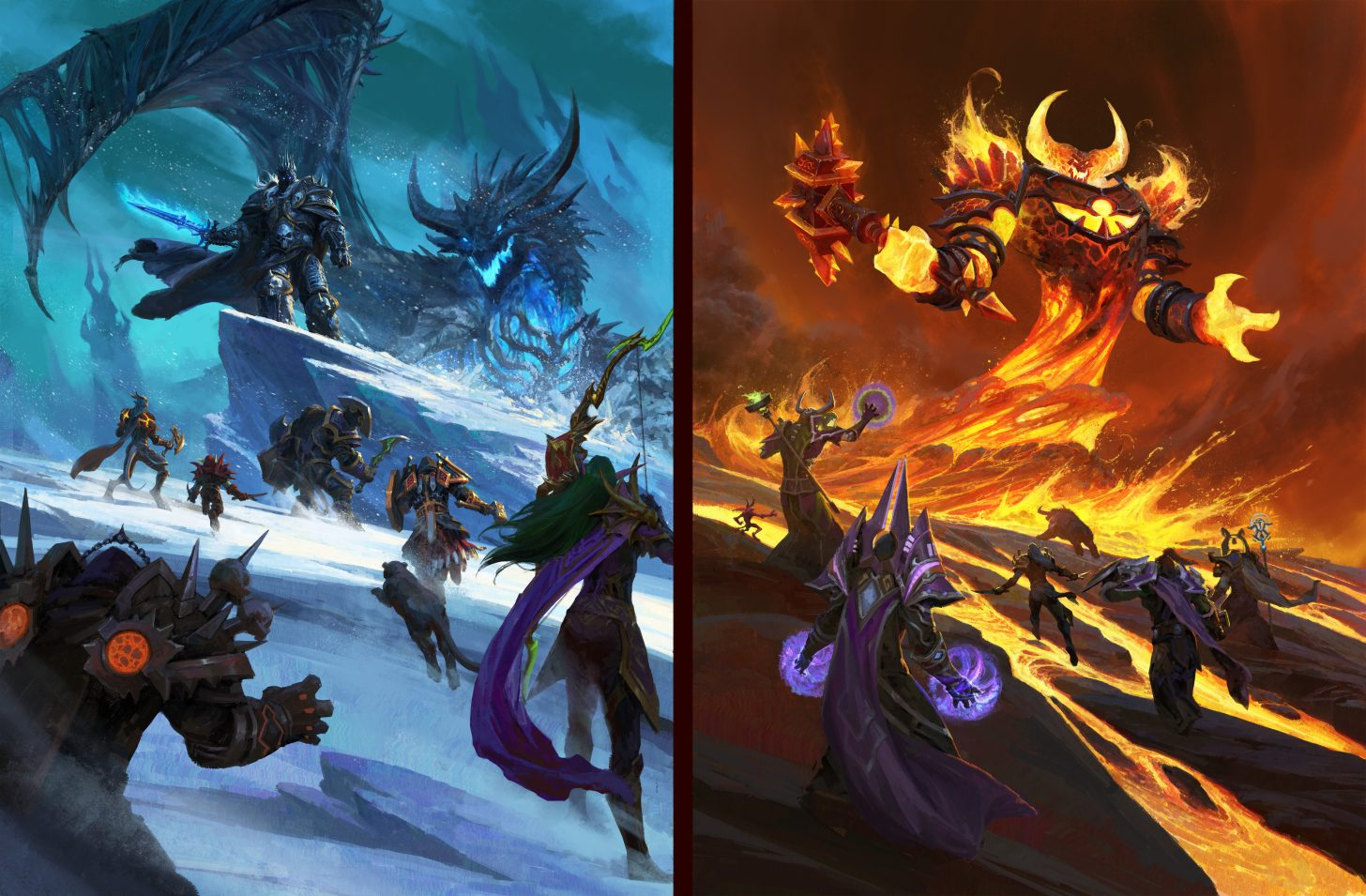
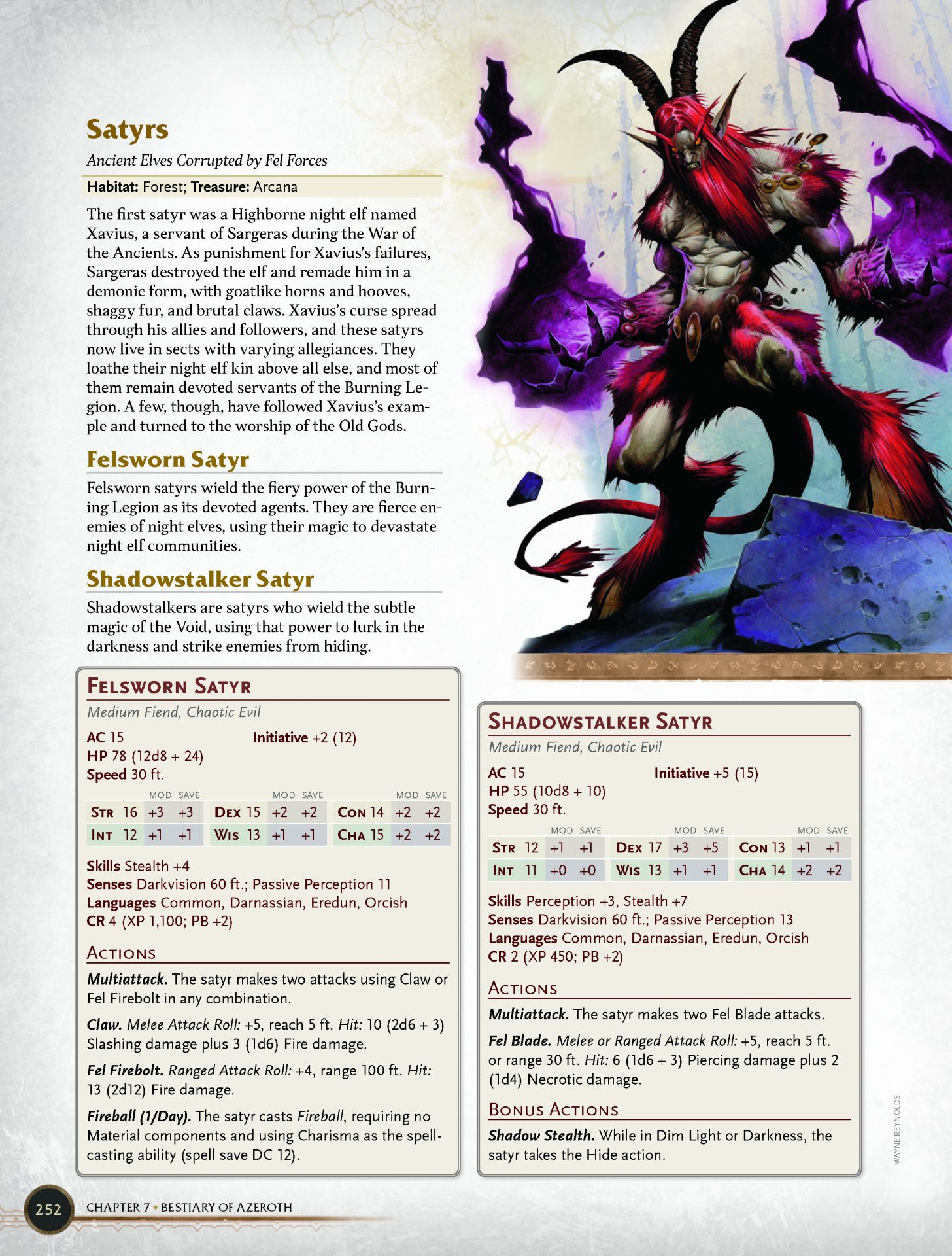
The bestiary contains more than 50 monsters and 30 dungeon boss stat blocks, ranging from recognizable low level Warcraft creatures to major named threats. Instead of forcing every creature into a fixed MMO hierarchy, Dungeon Masters can also adapt existing D&D stat blocks. A murloc, for example, does not necessarily have to remain a disposable starting zone enemy and could instead become a significantly more dangerous character depending on the campaign.
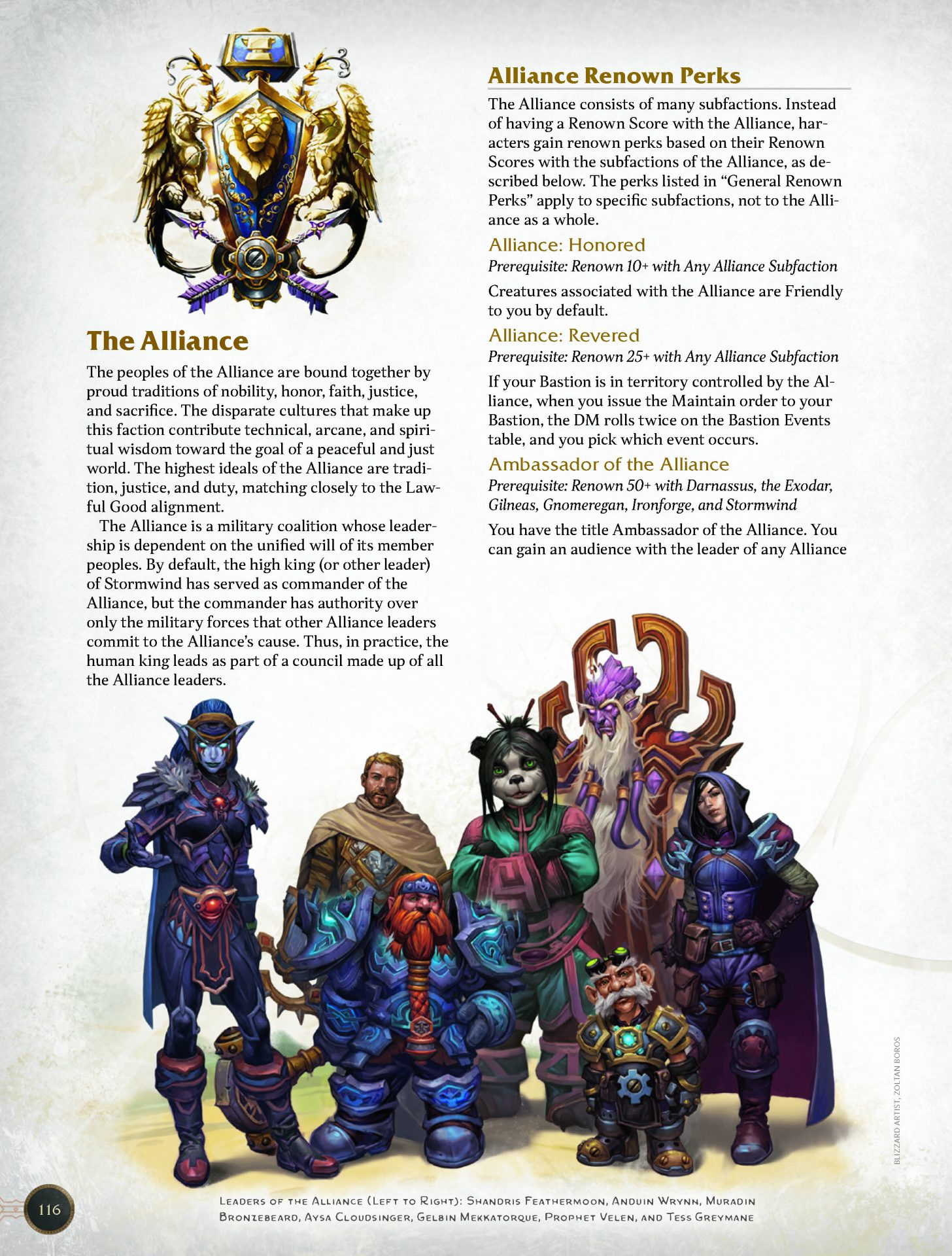
Faction progression is another area where the tabletop adaptation borrows from World of Warcraft without copying it directly. More than 20 factions use D&D's Renown framework, allowing relationships to unlock allies, access, abilities, and other benefits. Improving standing with one organization can also create problems with another, giving reputation choices narrative consequences beyond filling another progression bar.
Dungeons & Dragons: World of Warcraft arrives during an unusually active period for the franchise. Blizzard is also preparing World of Warcraft: Forever for November 4, creating another interpretation of classic Azeroth with more than 1,000 new quests, 9 new dungeons, additional regions, and a permanent level 60 structure. The tabletop expansion launches only 13 days later, effectively giving Warcraft players 2 very different ways to revisit and reinterpret the world that began the MMO more than 20 years ago.
The timing also reflects Blizzard's increasingly broad approach to Warcraft. The company has already signaled that it wants the franchise to extend beyond a single MMORPG, treating Azeroth as a universe capable of supporting different games, audiences, and formats. Dungeons & Dragons may be one of the clearest examples of that strategy because it removes many of the technical boundaries that traditionally define how players interact with World of Warcraft.
The most interesting part of Dungeons & Dragons: World of Warcraft is not seeing WoW classes translated into character sheets. It is what happens when Azeroth no longer needs to behave like an MMO.
A dungeon no longer needs to respawn after the players leave. A boss does not need to be killed repeatedly for a specific item. The party does not need to follow the intended corridor simply because invisible level geometry says there is no other route. Players can negotiate with someone who was previously only a hostile NPC, permanently change control of a location, or create an outcome Blizzard's original quest designers never had to account for.
That makes this adaptation much more compelling than a straightforward conversion of statistics and abilities. It gives longtime Warcraft players something genuinely difficult for the MMO itself to provide: the ability to enter a familiar Azeroth and discover that the rules governing what can happen there are suddenly very different.
Which World of Warcraft dungeon would you most want to completely rewrite with a D&D party, Deadmines, Scarlet Monastery, Dire Maul, Shadowfang Keep, or another Azeroth classic?
