

DFRobot has introduced the DX-M1 AI Accelerator, a compact M.2 module capable of delivering up to 25 TOPS of INT8 artificial intelligence performance while consuming just 2W to 5W. Priced at $139, the device uses DEEPX's dedicated neural processing technology to accelerate local AI workloads on Raspberry Pi 5, mini PCs, and conventional desktop computers. Unlike powerful GPUs designed for large language models and generative AI, the DX-M1 focuses on efficient inference for computer vision, robotics, automation, and continuous AI processing without requiring expensive graphics hardware.
According to DFRobot's official product specifications, the accelerator features 4 GB of LPDDR5 memory and connects through a standard M.2 2280 interface using PCIe 3.0 x4. It also supports PCIe x1 operation, allowing installation on compact devices such as the Raspberry Pi 5 through a compatible expansion board. The module is compatible with x86 and ARM platforms, although successful installation requires supported drivers, software, and the appropriate PCIe connection.
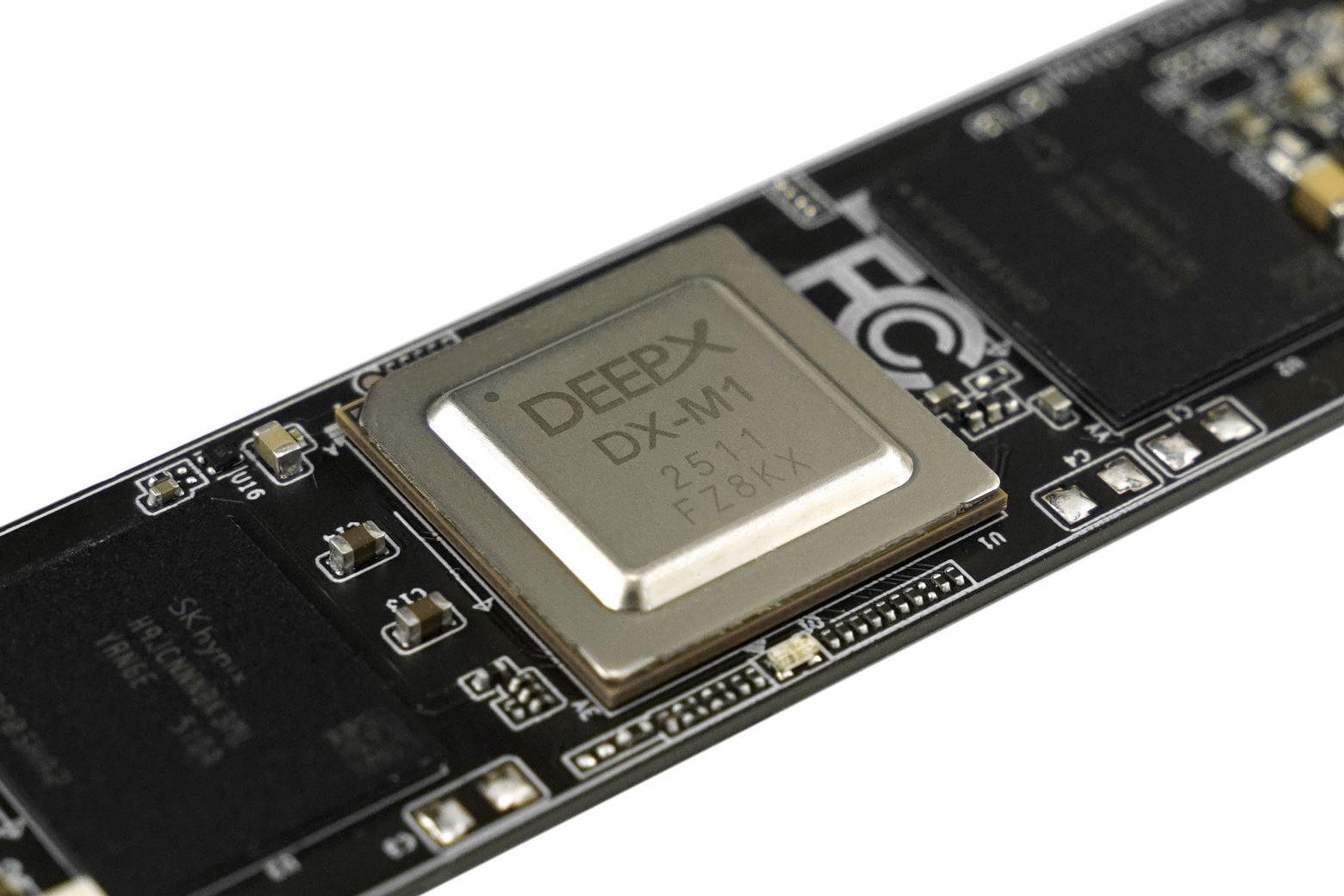
The DX-M1 uses the DEEPX DXNN software development kit to accelerate neural networks developed using frameworks including PyTorch, TensorFlow, TensorFlow Lite, and ONNX. These capabilities make it suitable for object detection, image classification, real time camera analysis, autonomous navigation, and industrial monitoring. Unlike conventional GPU acceleration, the NPU is optimized for executing compatible neural networks rather than handling general purpose graphics or AI model training.
DFRobot DX-M1 Specifications
| Specification | Details |
|---|---|
| AI Processor | DEEPX DX-M1 NPU |
| AI Performance | 25 TOPS, INT8 |
| Memory | 4 GB LPDDR5 |
| Interface | M.2 2280, M Key |
| PCIe Connectivity | PCIe 3.0 x4, compatible with x1 |
| Power Consumption | 2W to 5W |
| Supported Platforms | x86 and ARM |
| Operating Systems | Windows 10/11, Ubuntu 20.04/22.04 |
| AI Frameworks | PyTorch, ONNX, TensorFlow, TensorFlow Lite, Keras, XGBoost |
| Dimensions | 22 × 80 × 4.1 mm |
| Official Price | $139 |
However, the module's 4 GB of dedicated memory and specialized inference architecture introduce important limitations. It is not intended to replace a GeForce RTX GPU for demanding local language models, Stable Diffusion, or other generative AI applications. The advertised 25 TOPS represents theoretical INT8 processing capability rather than a universal measure of real world AI performance. Supported models must also be compatible with the DEEPX software environment.
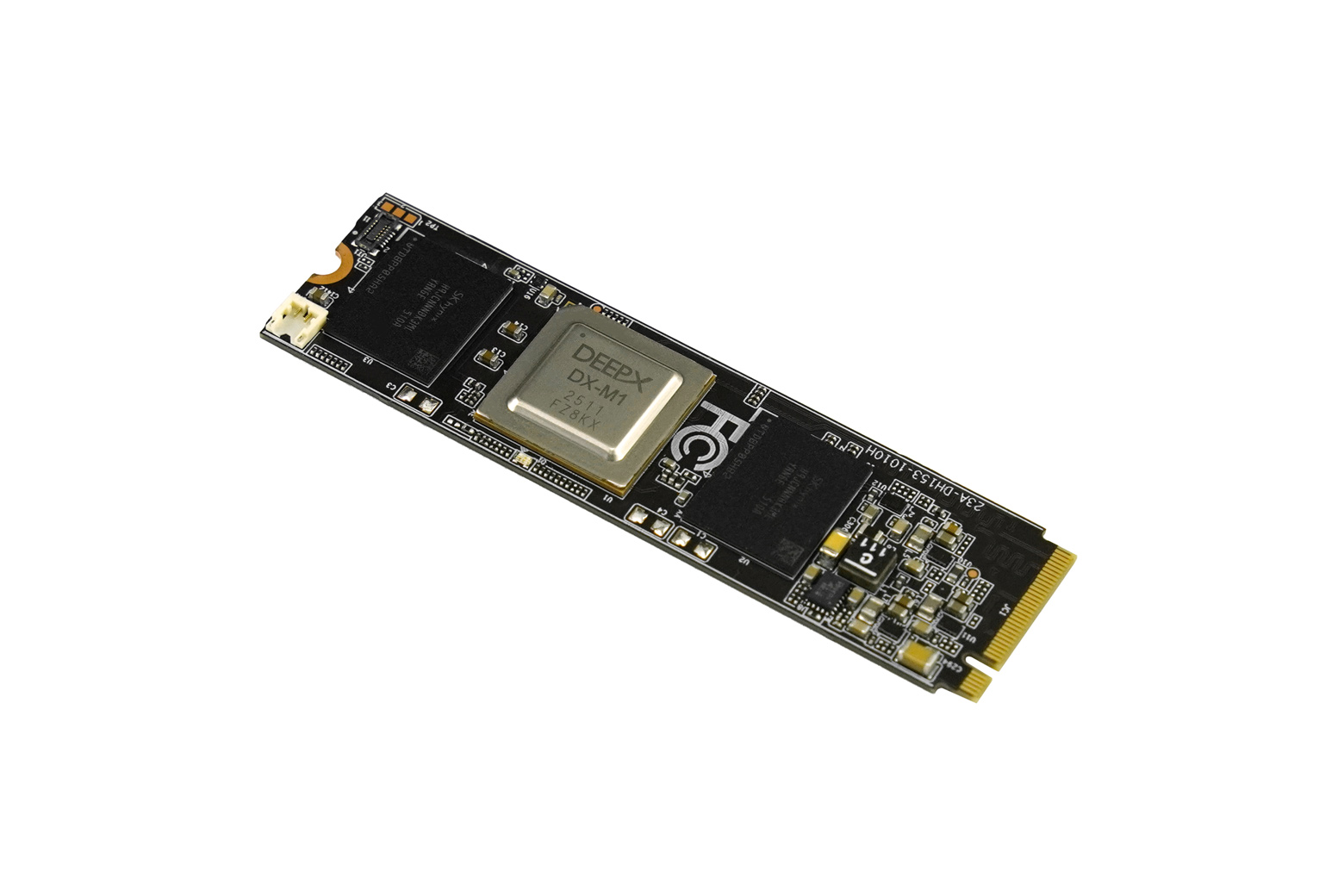
The module's low power consumption makes it particularly interesting for systems running continuously, where using a dedicated gaming GPU would introduce unnecessary energy costs. However, installing the accelerator occupies an M.2 slot that could otherwise accommodate NVMe storage. Raspberry Pi users must also account for a compatible expansion board and its associated costs.
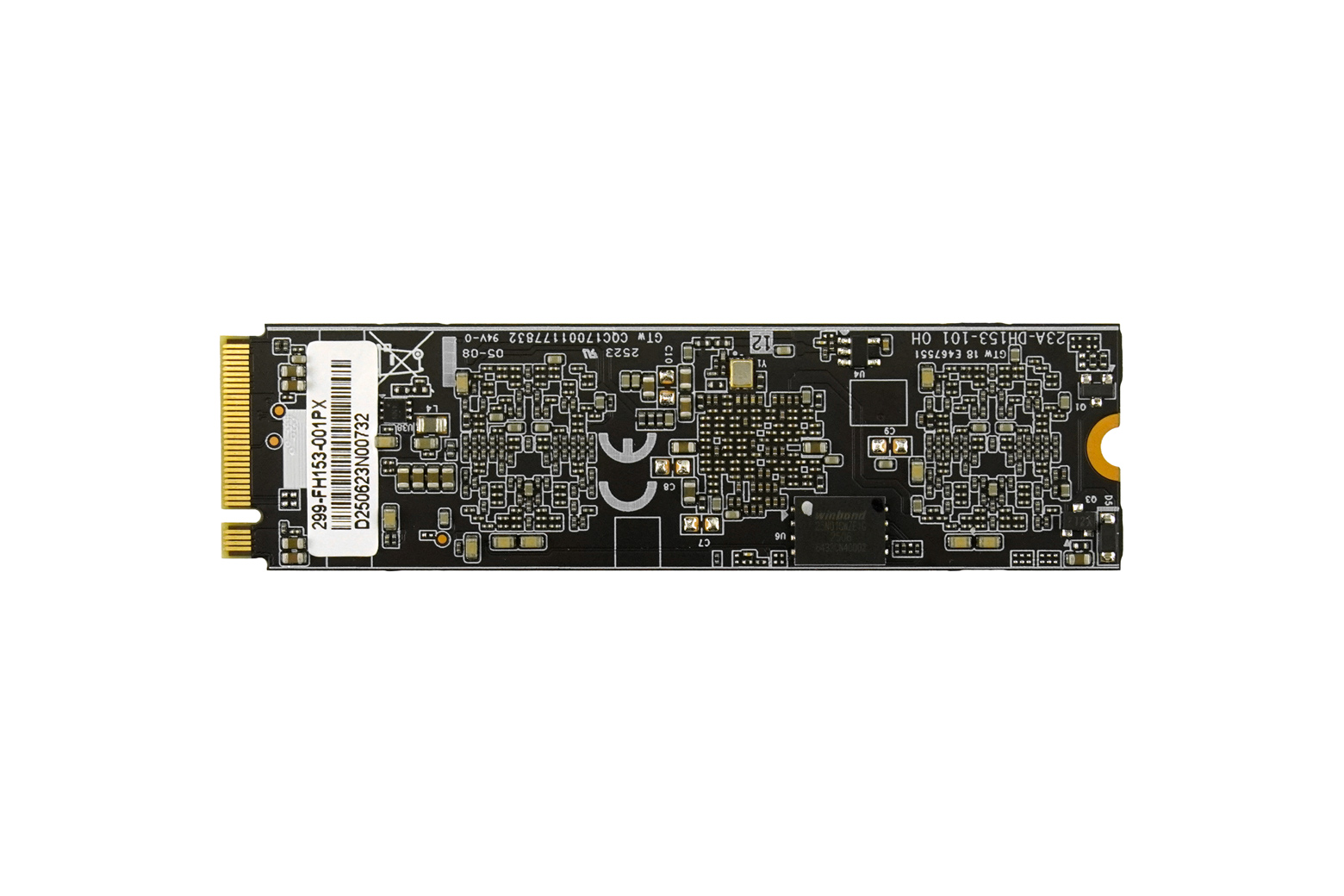
The DX-M1 demonstrates how dedicated AI accelerators can make local computing more accessible without requiring expensive GPUs or continuous cloud subscriptions. Its 5W maximum power consumption is particularly attractive for home automation, security monitoring, robotics, and small servers that operate around the clock.
However, consumers should understand the difference between specialized AI inference and general purpose GPU computing. While the DX-M1 excels at supported neural network workloads, users interested in running larger language models and generative AI locally will still benefit from GPUs with more memory and broader software compatibility.
At $139, the module offers an interesting upgrade for enthusiasts experimenting with local AI. Its real value will depend on software support, practical performance, and whether developers can easily deploy their existing models.
Would you invest $139 in a dedicated 25 TOPS AI accelerator for your PC or Raspberry Pi, or would you prefer using your existing GPU for local AI workloads?
