
Compulsion Games Seeks New Partners Days After Leaving Xbox
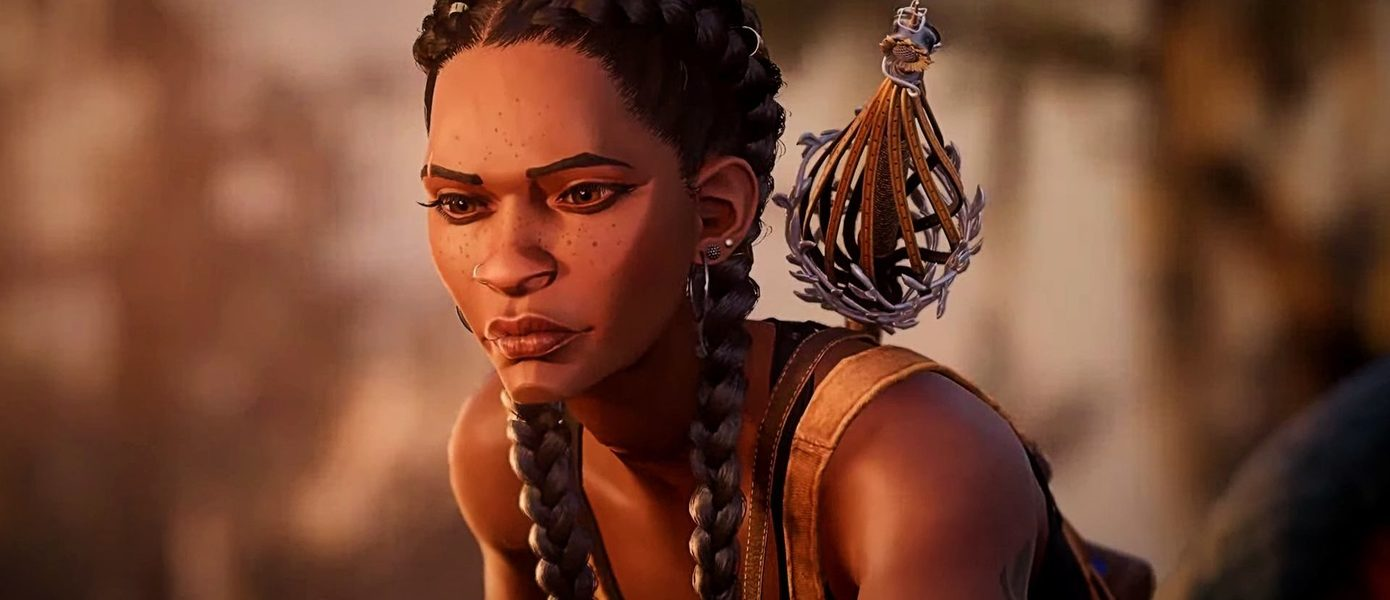
Compulsion Games has started searching for new development and entertainment partners only days after returning to independence from Microsoft. The Montréal studio was one of 4 teams separated from Xbox during the company’s major restructuring announced on July 6, 2026. Unlike Ninja Theory and Undead Labs, which are moving to new ownership, Compulsion Games and Double Fine Productions were returned to their management teams with their intellectual property, existing catalogs, and financial runway for future projects.
Compulsion Games has now published a LinkedIn statement inviting studios across the gaming and entertainment industries to explore collaboration opportunities. The company is positioning its creative team, technical expertise, original intellectual property experience, and production capabilities as resources that can support external projects while it determines the direction of its next internally developed game.
“With Compulsion Games returning to its roots as an independent developer, we are expanding opportunities to collaborate with studios across the games and entertainment industry. We invite partners to leverage the talent and creativity of the award winning team behind South of Midnight.
— Compulsion Games”
The studio highlighted the critical recognition earned by South of Midnight, including a BAFTA Award, a Peabody Award, and 7 Canadian Game Awards. Compulsion said its experience creating original properties allows the team to contribute artistry, technology, and collaborative development support to projects designed to reach players across global markets.
External partnerships are familiar territory for the Canadian developer. Its first game, Contrast, was published by Focus Home Interactive, now known as Focus Entertainment, while We Happy Few was published by Gearbox Publishing. Microsoft acquired Compulsion Games in 2018 as Xbox expanded its first party portfolio and invested more aggressively in Game Pass content, original properties, and smaller creative studios.
South of Midnight launched in 2025, almost 7 years after We Happy Few. Although the game received positive recognition for its visual direction, Southern Gothic setting, music, animation, and narrative themes, Microsoft has not publicly disclosed its total sales, revenue, development budget, or direct contribution to Game Pass subscriptions. Claims that the game failed to attract enough subscribers therefore remain difficult to verify independently.
Microsoft has acknowledged that its wider Game Pass, multiplatform, and content expansion strategies did not grow at the pace the company expected. Xbox CEO Asha Sharma also said the gaming division was operating at margins significantly below comparable platform and publishing businesses, leading Microsoft to reduce management layers, cut costs, and concentrate investment around fewer priorities. However, the official restructuring announcement did not identify South of Midnight as the direct reason Compulsion Games was separated from Xbox.
Compulsion Games is not beginning its independent future without support. Microsoft confirmed that the studio received its intellectual property, catalog, and financial runway for its next projects. Even with that foundation, independence transfers responsibility for financing, publishing, business development, staffing, marketing, and long term production planning back to the studio. Securing partners early could help Compulsion generate revenue through collaborative development while protecting the creative identity that produced Contrast, We Happy Few, and South of Midnight.
Compulsion Games’ immediate partnership outreach should not automatically be interpreted as financial desperation. It is also a practical business strategy for a newly independent studio entering a volatile funding environment.
The team now controls its creative direction and intellectual property, but independence removes the financial security, technology infrastructure, publishing network, and marketing resources provided by Microsoft. Collaboration could allow Compulsion to support other games, secure publishing investment, share technology, or participate in entertainment adaptations while preparing its next original project.
The strongest outcome would be a balanced model where external development work creates stable revenue without reducing Compulsion to a permanent support studio. South of Midnight demonstrated that the team can produce visually distinctive and culturally specific experiences. The next challenge is proving that creative recognition can be converted into a sustainable independent business.
Should Compulsion Games prioritize another original title, or use its experience to collaborate with larger studios before funding its next major project?
