
Chinese Tech Giants Seek 10 Year DRAM Deals With Samsung and SK hynix as Domestic Supply Falls Short
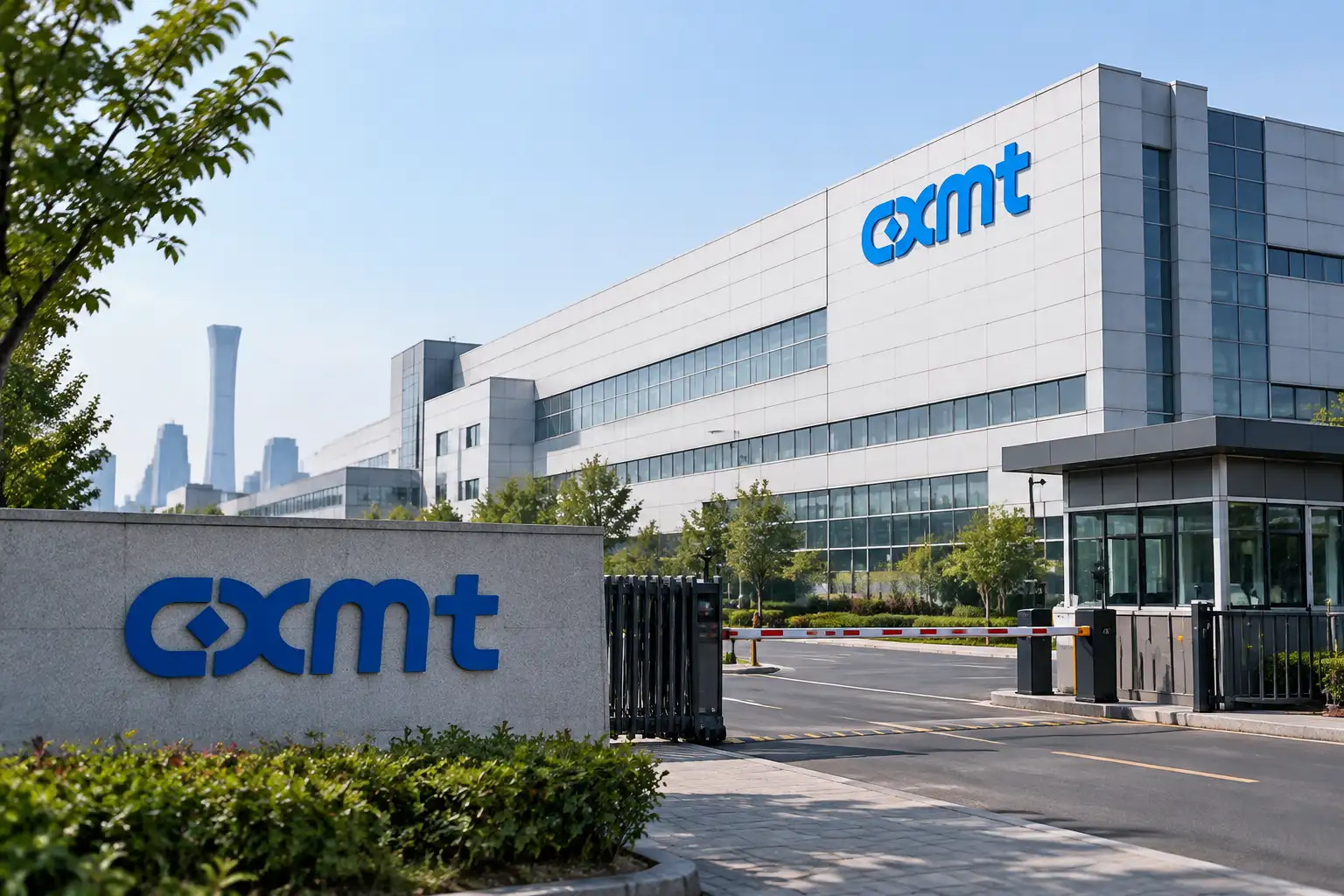
China's largest technology companies are reportedly seeking unprecedented 10 year DRAM supply agreements with Samsung Electronics and SK hynix, highlighting the growing challenges facing the country's ambition to achieve semiconductor memory independence. Despite rapid expansion by domestic manufacturers such as ChangXin Memory Technologies (CXMT), Chinese cloud providers remain dependent on overseas suppliers for large volumes of high performance server memory.
According to Maeil Business Newspaper, Alibaba, Tencent and ByteDance have approached the South Korean memory manufacturers to secure long term supplies of server DDR and LPDDR memory. Some customers are reportedly requesting agreements extending through 2035, considerably longer than the traditional 3 to 5 year contracts commonly used in the industry.
The urgency follows similar purchasing commitments from American technology companies, which have already secured substantial portions of future DRAM production. Industry estimates suggest that approximately 70% to 80% of Samsung and SK hynix's planned 2027 memory output could be allocated through existing 5 year supply agreements with major cloud customers. Samsung has reportedly completed negotiations with 5 major data center customers and is discussing additional agreements with another 5, while SK hynix has concluded negotiations with approximately 10 customers.
The situation illustrates the difference between expanding domestic manufacturing capacity and achieving sufficient production volume to satisfy China's rapidly growing AI infrastructure requirements. CXMT has made considerable progress in conventional DRAM, DDR5 and LPDDR technology, but supplying large data centers requires consistent production yields, extensive platform qualification and dependable deliveries across multiple years.
Interestingly, CXMT has reportedly prioritized Chinese customers over international buyers, allocating approximately 90% of its production to the domestic market. Nevertheless, demand from Chinese cloud providers continues to exceed the volumes and product capabilities available from local manufacturers.
This does not mean domestic memory development has failed. In June 2026, Reuters reported that CXMT had secured a server DRAM supply agreement with Tencent worth more than 20 billion yuan, approximately $2.94 billion. The manufacturer is also expanding production capacity and developing advanced 4F² DDR5 RDIMM technology to strengthen its competitiveness in enterprise computing.
Meanwhile, Yangtze Memory Technologies (YMTC) is primarily a NAND Flash manufacturer rather than a direct DRAM competitor. Its expansion supports China's broader memory independence strategy, particularly in enterprise SSD storage, but does not directly resolve shortages of server DDR and LPDDR.
The implications extend beyond China. According to TrendForce's September 2026 market outlook, conventional DRAM contract prices are expected to increase by 10% to 15% during Q4 2026 as manufacturers prioritize AI infrastructure and server memory. Long term agreements could further reduce the production capacity available to smaller customers, potentially sustaining pricing pressure across consumer DDR5, workstation memory and enterprise systems.
Neither Samsung nor SK hynix has publicly confirmed the proposed 10 year agreements with Chinese cloud providers. However, the reported negotiations demonstrate how securing manufacturing capacity is becoming a strategic priority across the global AI industry.
China's push toward memory independence is progressing, but the latest developments demonstrate that manufacturing capacity alone does not guarantee supply security. Producing competitive DDR5 or LPDDR chips is only part of the challenge. Delivering qualified server memory in enormous volumes, consistently and at predictable costs, requires years of manufacturing optimization and customer validation.
The reported 10 year agreements also reflect a major change in the memory industry's business model. Rather than relying primarily on shorter procurement cycles, cloud providers are attempting to secure production years in advance, giving established manufacturers greater negotiating power.
For the broader hardware market, this could become another source of sustained pricing pressure. As AI infrastructure absorbs more DRAM production, smaller manufacturers, PC builders and gaming memory suppliers may face increasingly limited supply flexibility.
CXMT's continued expansion could eventually improve competition, but Samsung and SK hynix remain essential suppliers for China's largest cloud companies in the near term.
Do you think CXMT can eventually supply China's AI infrastructure independently, or will Samsung, SK hynix and Micron continue dominating the global DRAM market for another decade?
