
Canonical Expects Ubuntu on WSL to Overtake Native Ubuntu Desktop Usage in 2026
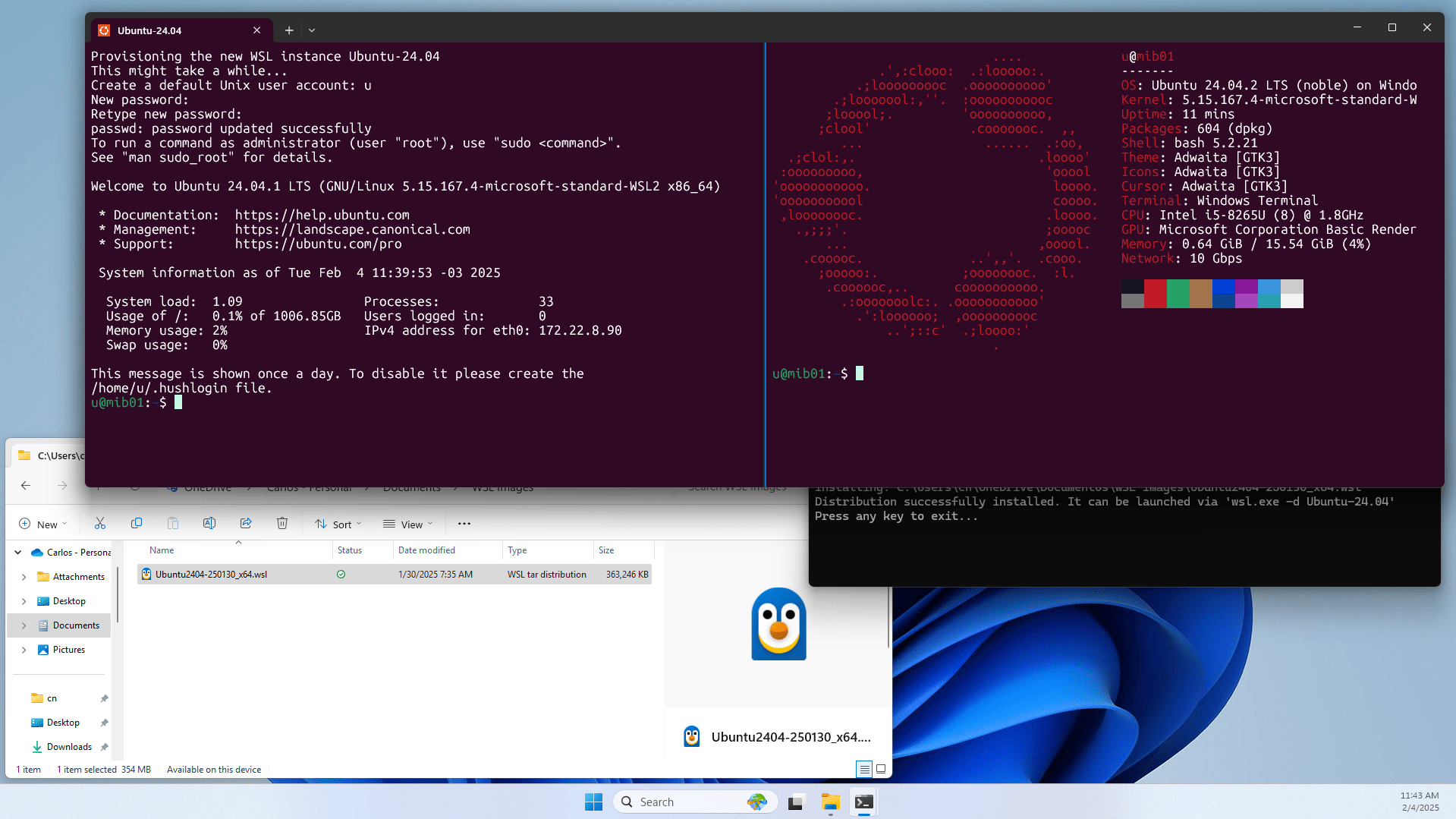
Ubuntu could soon have more users running inside Windows than using the operating system natively on their PCs. Canonical Vice President of Engineering Jon Seager says adoption of Ubuntu through Windows Subsystem for Linux, better known as WSL, is growing significantly faster than traditional Ubuntu Desktop usage and could surpass the native desktop user base within the coming months. The prediction was originally made during an April 28 discussion with The Pragmatic Engineer about artificial intelligence, developer workflows, and the future direction of Ubuntu.
"I expect to see more Ubuntu WSL users than ‘native’ Ubuntu users over the coming months."
— Quote by: Jon Seager, Vice President of Engineering at Canonical
Because the comment was made in April 2026, the expected crossover would place Ubuntu on WSL ahead of native Ubuntu Desktop sometime during 2026 if Canonical's growth trajectory continues. However, Canonical has not published the actual number of active WSL users, native Ubuntu Desktop installations, or the methodology used to compare them, meaning this remains an internal forecast rather than an independently verified market measurement. It is also more accurate to describe the comparison as Ubuntu on WSL rather than Ubuntu specifically on Windows 11, since WSL remains available across compatible Windows 10 and Windows 11 systems.
The rapid adoption makes sense within modern development environments. Microsoft describes Windows Subsystem for Linux as a way to run a GNU Linux environment, including command line utilities and applications, directly alongside Windows without requiring users to configure a conventional dual boot installation or independently manage a traditional virtual machine. Modern WSL also supports Linux graphical applications, systemd, interaction between Windows and Linux applications, and GPU access through virtualization.
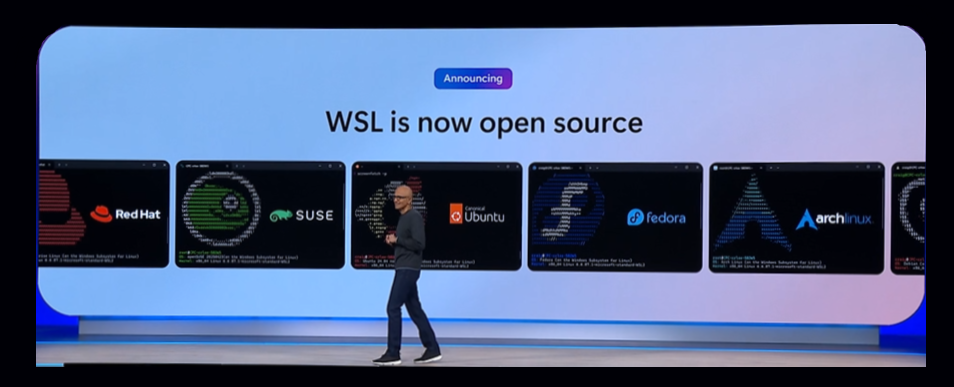
Canonical says the transition is particularly visible among professional developers. Corporate IT departments frequently provide employees with Windows laptops because Windows remains deeply integrated with enterprise security, device management, productivity software, and internal applications. Developers working with Linux servers, cloud applications, artificial intelligence, machine learning, and software infrastructure can then install Ubuntu on WSL without replacing the operating system chosen by their employer.
Artificial intelligence is becoming an especially important driver. Linux remains central to many machine learning frameworks, development environments, containers, cloud systems, and accelerator toolchains. WSL allows developers to keep Windows as their primary desktop while accessing Linux development tools and GPU accelerated workloads from the same machine. Canonical notes that WSL 2 can provide GPU access for workloads including NVIDIA CUDA, with performance for some sustained workloads approaching native Linux environments.
Microsoft is continuing to deepen that integration. In July 2026 the company introduced a preview of WSL Containers, allowing developers to build and run Linux containers directly through WSL using the new wslc.exe command line interface. Microsoft also continues simplifying Linux installation on Windows, with wsl --install installing Ubuntu by default unless another Linux distribution is specifically selected.
The convergence is already reaching specialized AI hardware. Microsoft's upcoming Surface RTX Spark development system arrives with Windows 11 Pro while providing WSL 2 GPU access, CUDA support, Visual Studio Code, Python, Git, and other development tools. NVIDIA RTX Spark receiving native Windows on Arm drivers, systems like this increasingly blur the traditional boundary between a Windows workstation and a Linux AI development environment.
Canonical has also made WSL increasingly important to its enterprise strategy. Ubuntu 26.04 LTS is officially available as a WSL distribution, while Ubuntu Pro can extend security maintenance to as much as 15 years and provide management and support capabilities for Ubuntu installations running inside Windows. The company also supports deployment through Microsoft's newer tar based WSL distribution format, allowing organizations to customize and distribute Ubuntu environments without depending exclusively on the Microsoft Store.
The shift does not mean native Ubuntu Desktop is disappearing. Canonical continues developing Ubuntu as a standalone desktop operating system supporting development, gaming, content creation, artificial intelligence, and general computing. Instead, WSL is creating an additional path through which Linux can expand without requiring users to abandon Windows entirely.
The most interesting part of Canonical's prediction is not Linux defeating Windows. It is effectively the opposite. Windows may become one of the largest distribution platforms for Ubuntu.
WSL has removed one of the biggest barriers to Linux adoption for developers because using Linux no longer requires choosing Linux as the primary desktop operating system. A developer can remain inside a corporate Windows environment while using Ubuntu for containers, cloud development, machine learning, CUDA, automation, and command line tooling.
That relationship could become even more important as local AI development expands. Windows maintains its enormous desktop software ecosystem while Ubuntu provides the Linux environment that much of the AI and cloud ecosystem expects. Instead of competing for the same desktop installation, Microsoft and Canonical increasingly benefit from developers using both simultaneously.
The missing piece is the actual adoption data. Canonical has not disclosed how many active Ubuntu WSL and native Ubuntu Desktop users it is comparing, so the projected crossover should be treated as a strong internal indicator of momentum rather than proof that WSL has already become Ubuntu's largest desktop platform.
Do you use Ubuntu through WSL on Windows, or do you still prefer running Linux natively on your main PC?
