
Big Tech Is Locking In Memory for Years, and That Could Keep the Shortage Alive Much Longer Than Expected
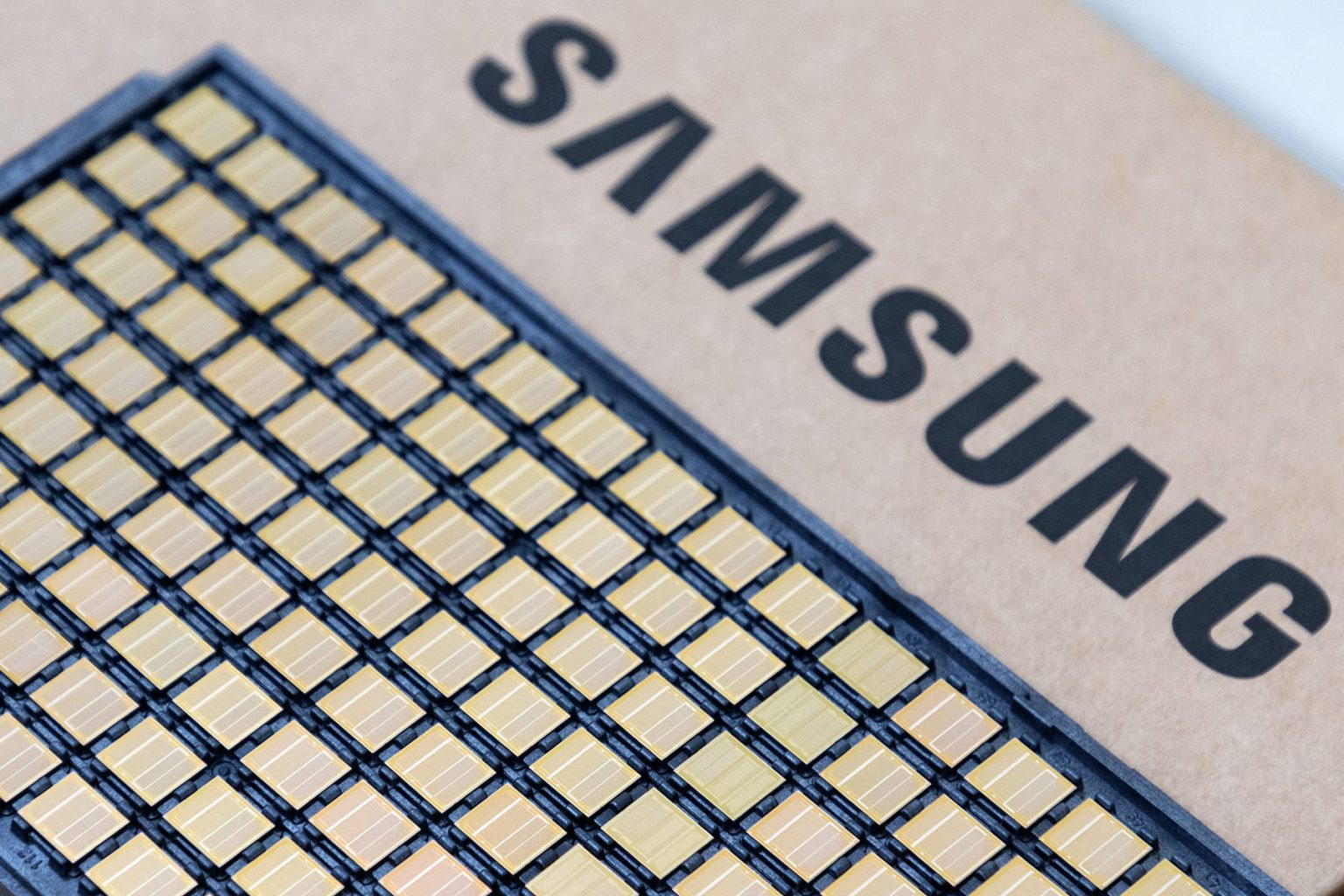
The global memory market is entering a new phase, and this one looks far more structural than cyclical. According to a report from EBN, hy perscalers such as Google and Microsoft are reportedly moving toward long term memory supply agreements with companies including Samsung and Micron. That matters because the traditional memory business has long been defined by shorter contracts, volatile spot pricing, and repeated boom and bust cycles. A pivot toward multi year commitments signals that major buyers are no longer treating supply tightness as a temporary disruption. They are preparing for it to remain a defining reality for years.
From the supplier side, the logic is clear. Samsung co CEO Jun Young hyun said this week that the company is working with major customers to move from quarterly or annual contracts to multi year agreements lasting 3 to 5 years. His stated objective is to reduce volatility and maintain a healthier supply and demand environment during what he described as an AI driven supercycle. In practical terms, these agreements would give memory vendors stronger long term visibility, allowing them to plan capital spending with greater confidence while reducing the risk of the severe inventory corrections that have historically crushed margins when demand cools too quickly.
For the broader market, however, the implications are less encouraging. If AI infrastructure buyers lock in capacity years in advance, then a growing share of future wafer allocation, packaging resources, and production expansion will be effectively reserved for data center memory rather than mainstream consumer products. TrendForce notes that memory has become a key bottleneck for AI data center growth and that Big Tech firms are increasingly seeking long term agreements specifically to secure stable supply. That reinforces the view that future output growth may not meaningfully ease availability for the wider PC, laptop, smartphone, and gaming hardware ecosystem.
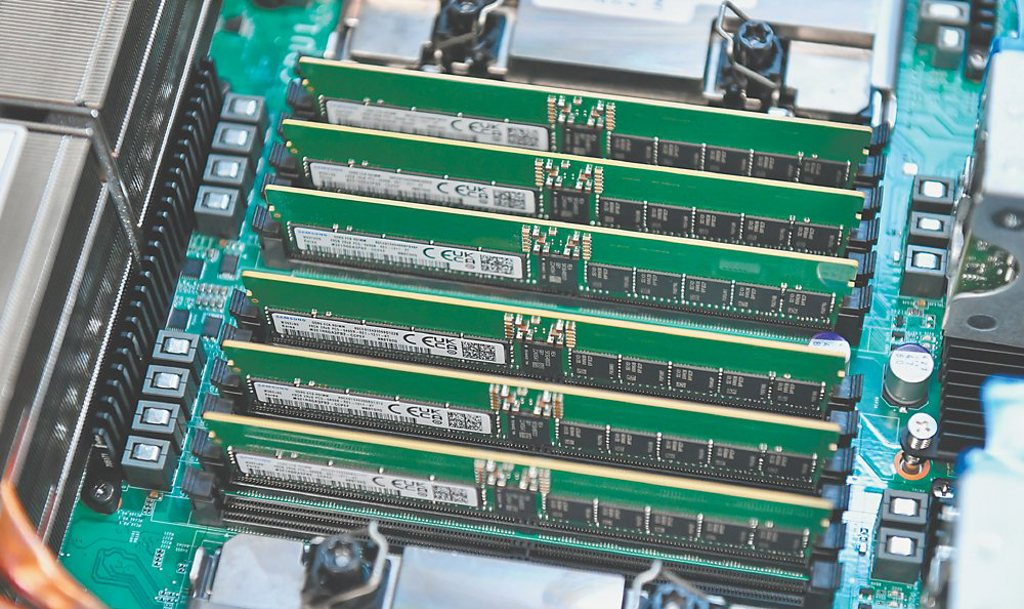
This is not only about current AI server deployment either. The next stage of the market is increasingly tied to inference, where hyperscalers are expanding custom silicon strategies to balance throughput, latency, and cost per token. That shift is pushing companies to diversify beyond GPU only roadmaps and strengthen their own accelerator portfolios, which in turn raises the strategic value of securing HBM and other high performance memory ahead of time. IDC says major memory manufacturers are already redirecting production toward HBM and high capacity DDR5 for AI systems instead of conventional DRAM and NAND for consumer electronics, calling the trend a strategic reallocation of global silicon capacity rather than a normal short term imbalance.
That is why this development deserves attention well beyond the semiconductor supply chain. For gamers, PC builders, notebook brands, and consumer electronics vendors, the concern is simple. If long term AI contracts become standard, shortages may no longer follow the old pattern of peaking and then easing on a familiar schedule. Reuters reported that Samsung sees strong AI driven chip demand continuing in 2026, while SK Group Chairman Chey Tae won has warned that the broader memory shortage could continue until 2030 because it may take 4 to 5 years to build enough additional wafer capacity. If that scenario plays out, the industry may be looking at a prolonged period where consumer memory remains under pressure, pricing stays elevated, and relief arrives much later than many had expected.
From a business strategy perspective, these contracts make perfect sense. From a consumer market perspective, they raise a harder question about who gets prioritized when supply remains tight and AI margins are higher. Right now, the answer appears increasingly clear. Big Tech is paying billions to guarantee access, and the rest of the market may have to live with the consequences.
What do you think, will multi year AI memory deals create a healthier industry, or are they setting up gamers and everyday PC buyers for years of tighter supply and higher prices?
