
ASML Targets 50% Higher Chip Output by 2030 With 1 Kilowatt EUV Light Source Upgrade Plan
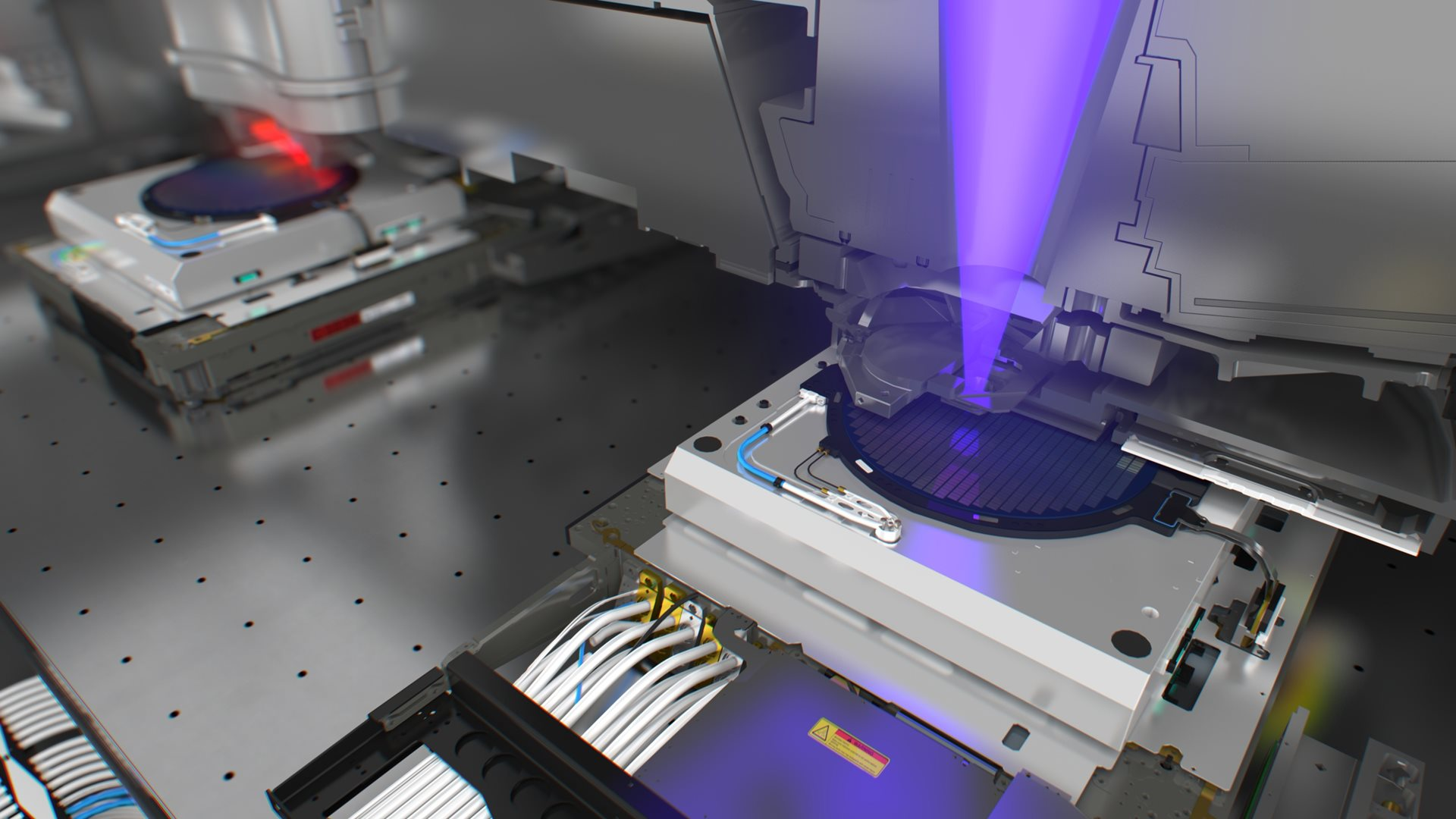
ASML is making a direct play at the biggest bottleneck in advanced semiconductor manufacturing: EUV throughput. According to a new report from Reuters, ASML researchers have developed a path to raise EUV light source power from 600W today to 1000W, with the company projecting this can help fabs produce up to 50% more chips per system by 2030. That kind of step change is not just a lab flex, it is positioned as a deployable system that can run under customer site requirements, which is the difference between a concept demo and a production unlock for the AI era.
ASML lead technologist Michael Purvis framed the move as a real production capable breakthrough, not a short duration test. The practical value proposition is simple: higher EUV source power reduces exposure time, which increases wafers per hour, which lowers cost per chip without needing to build new cleanrooms. Reuters reports ASML expects throughput to rise from about 220 wafers per hour to about 330 wafers per hour by the end of the decade, a jump that can materially shift fab economics if it scales broadly across installed fleets.
From an industry operations perspective, this is exactly the kind of leverage point the supply chain wants. AI demand is not only consuming more silicon, it is consuming more leading edge silicon, and EUV tools sit at the gate of that pipeline. A 50% per tool productivity lift does not eliminate every constraint, but it improves the return on every existing scanner footprint and helps fabs stretch capacity while new sites ramp.
The catch is integration reality. Even if the light source can run at 1000W, fabs still have to absorb the thermal and utility impact across power delivery, cooling capacity, and consumables flow. That includes the practical engineering around heat management and system stability, because pushing more power through the source creates new constraints that have to be solved at scale, not in a controlled lab environment. Reuters notes the effort is part of ASML’s broader push to stay ahead of emerging challengers, as both United States and China continue efforts to reduce dependence on a single EUV supplier.
If ASML can convert this into widely deployed upgrade paths, it becomes a high impact lever for customers trying to meet AI accelerator and server demand without waiting on entirely new fab builds. For gamers and PC builders watching from the consumer side, the long game matters too: the more efficiently advanced nodes can be produced, the less painful the downstream supply tension tends to be across GPUs, CPUs, and the broader performance hardware stack.
Do you think throughput upgrades like this will meaningfully ease AI driven chip shortages, or will demand simply scale fast enough to keep the bottleneck in place anyway?
