
ArenaNet Places Guild Wars 3 Between Co Op Roots And Guild Wars 2’s Vast Open World
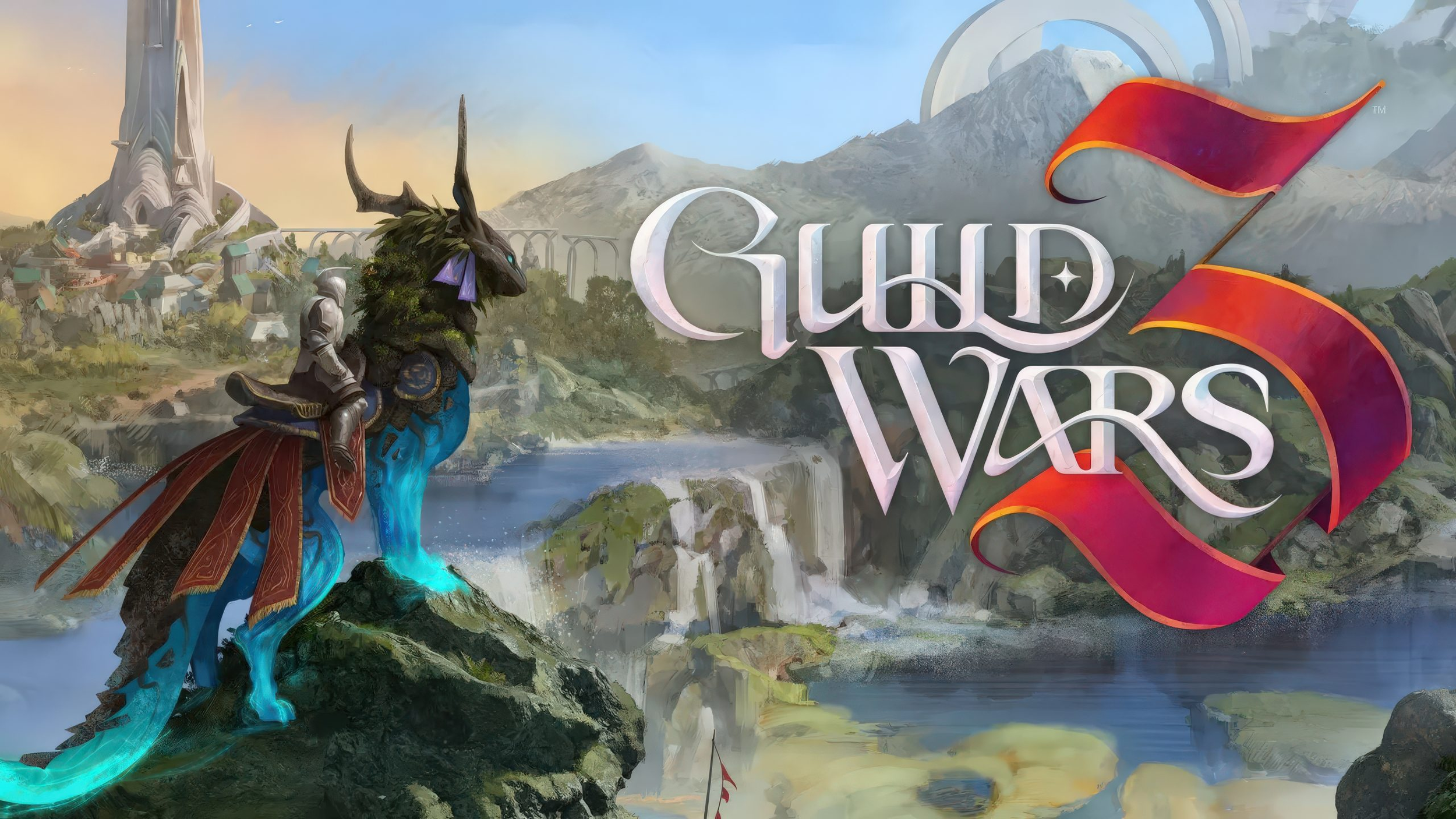
ArenaNet is beginning to define what Guild Wars 3 actually is, and the answer is not simply a bigger Guild Wars 2 or a full return to the original game’s cooperative structure. In a new official post titled Our Guild Wars Philosophy, ArenaNet Studio Head Colin Johanson explained that the studio sees Guild Wars 3 as landing near the middle of the MMO spectrum, between the smaller party based structure of Guild Wars Reforged and the massive open world identity of Guild Wars 2.
That positioning is important because Guild Wars has always been unusual inside the online RPG space. The original Guild Wars was built around smaller teams, instanced missions, social hubs, henchmen, heroes, and cooperative challenge design. ArenaNet originally branded it as a cooperative online RPG, but players and award bodies still treated it as an MMORPG because it existed inside a shared online world with persistent progression and a strong multiplayer identity. Guild Wars 2 moved in the opposite direction, building its reputation around huge maps, world bosses, map wide meta events, massive PvP, and the megaserver system that made it easier for players to meet others organically.
Guild Wars 3 is not trying to replicate either extreme. Johanson says the new game fits the definition of an MMORPG more clearly than Guild Wars Reforged, but it will not try to copy the large scale gameplay pillars that made Guild Wars 2 so distinct. That means players should not expect Guild Wars 3 to be defined mainly by giant PvE crowds, massive world event chains, or World versus World style zerg gameplay. Instead, ArenaNet appears to be building a more focused online RPG where players can still find others naturally in the world, but where combat, movement, and encounter design can support smaller and more intentional player counts.
This makes sense when looking at ArenaNet’s stated goals for the sequel. Guild Wars 3 is being built around a modern action adventure MMORPG framework, with movement and combat designed to feel good across both PC and PlayStation 5. The official Guild Wars 2 announcement post confirmed that players will explore Orr in a way the series has never shown before and join the Vaelwardens, a guild sworn to protect the land, its people, and the nature spirits that call Orr home. The same post also confirmed a Fall 2027 beta target and reinforced that ArenaNet is still actively developing Guild Wars 2 and Guild Wars Reforged alongside Guild Wars 3.
The decision to place Guild Wars 3 between both previous games also helps protect the entire franchise. ArenaNet is not forcing Guild Wars 2 players to see the new game as a replacement, and it is not asking original Guild Wars fans to accept another massive open world sequel that ignores the strengths of smaller cooperative design. Instead, the studio is making room for 3 different Guild Wars experiences on different timelines, with different design priorities, and different ways of telling stories about Tyria.
That philosophy directly connects with ArenaNet’s broader argument that every Guild Wars game should solve the player problems of its time. The original Guild Wars challenged subscription fee expectations. Guild Wars 2 challenged the competitive friction and rigid structure of older MMO open worlds. Guild Wars 3 is now being positioned as a response to a genre that many players feel has become too familiar, too demanding, and too slow to evolve. ArenaNet has already confirmed that Guild Wars 3 will be buy to play at release, with no subscription fee and no paid battle pass subscription fee. It also says the game will avoid pay to win design, focusing monetization around expansions, account services, convenience, and visual expression rather than unfair power advantages.
That could become one of Guild Wars 3’s strongest business advantages. The MMO and live service market has become crowded with seasonal systems, recurring tracks, battle passes, cosmetic stores, premium currencies, and engagement loops that often feel like disguised subscriptions. By publicly rejecting monthly fees and battle pass subscription fees, ArenaNet is trying to position Guild Wars 3 as a modern MMO that respects player time and investment without pressuring users to log in every day just to keep up.
Interest is already strong. After its Summer Game Fest reveal, Alinea Analytics estimated Guild Wars 3 as one of the biggest Steam wishlist winners of the event window, while previously covered the official reveal of Guild Wars 3 Looks to Push the MMO Genre Beyond a Decade of Stagnation. The strong early response shows that the MMO audience is still hungry for a major new Western online RPG, especially one from a studio with real genre history.
The most interesting part of ArenaNet’s new explanation is that it gives Guild Wars 3 a clearer identity. The game is not being described as Guild Wars 2 with better graphics, and it is not a nostalgic reset back to fully instanced cooperative missions. It is a new middle path that could allow ArenaNet to build more responsive combat, stronger movement, more readable encounters, and a world that feels social without requiring every major moment to become a giant crowd event.
The risk is that this middle ground will be difficult to communicate. Some Guild Wars 2 players may worry that the sequel is moving away from the massive shared world moments they love. Some original Guild Wars players may still want a stronger return to focused party based content. ArenaNet will need to show gameplay clearly and explain how exploration, dynamic events, group content, PvP, progression, and social systems work under this new structure.
Still, the direction is smart. The MMO genre does not need another game that simply copies the biggest titles of the last 20 years. It needs a project that understands why players loved online worlds in the first place, while also recognizing that modern players have less time, larger game libraries, and higher expectations for movement, combat, quality of life, and respect for investment. Guild Wars 3 may be taking the hardest route by refusing to fully repeat either of its predecessors, but that is also what makes it one of the most important MMO projects currently in development.
Do you want Guild Wars 3 to lean closer to the original Guild Wars co op structure, or should ArenaNet keep more of Guild Wars 2’s open world DNA?
