
Anonymous Crimson Desert Developer Posts Allege Troubled Production, Story Overhaul, and Feature Creep Behind the Scenes
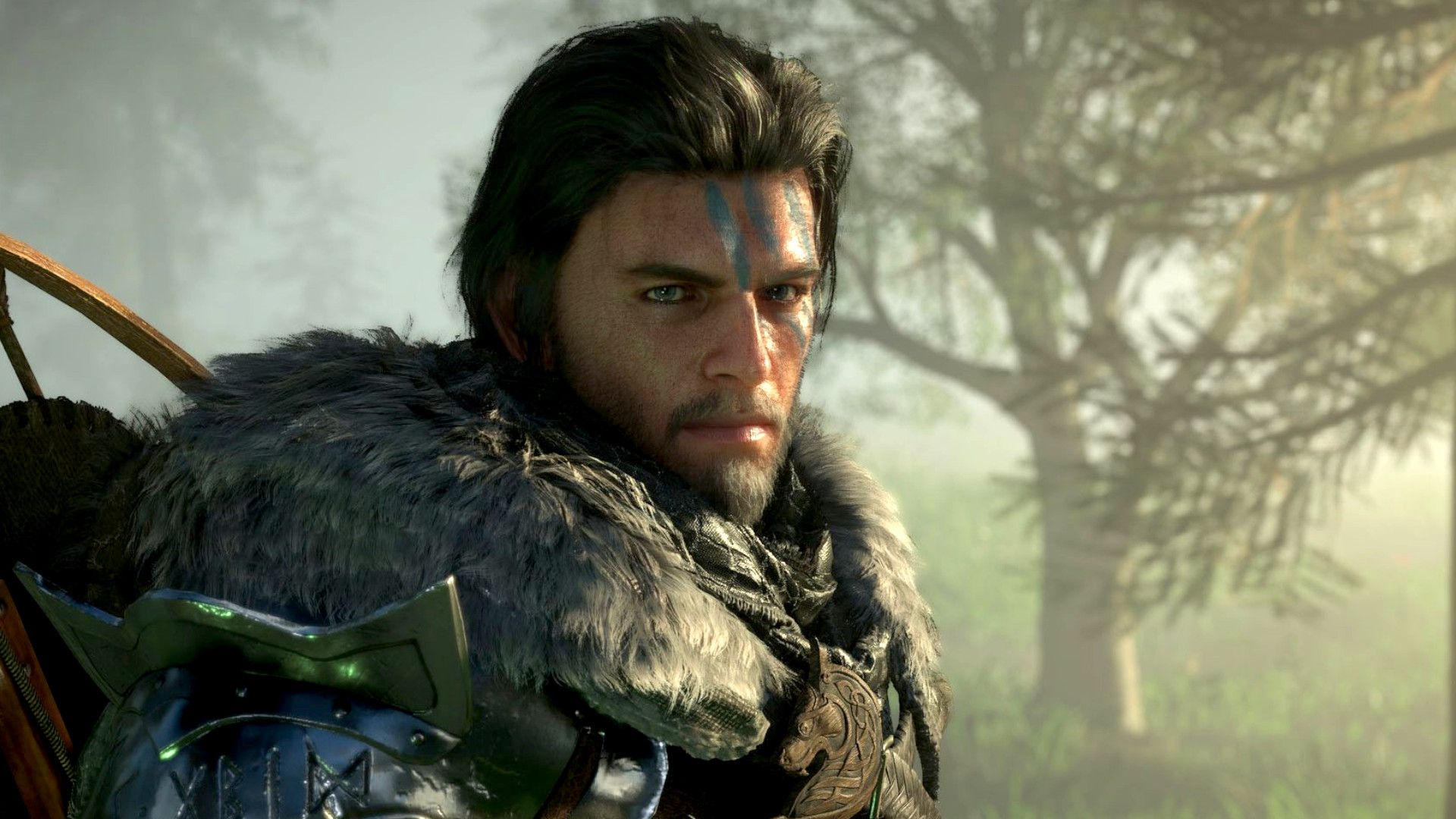
Crimson Desert is now facing a new wave of controversy just days after launch, as anonymous posts from alleged Pearl Abyss employees claim the game’s troubled development cycle led to a fragmented design, a heavily reworked narrative, and a management culture that discouraged dissent. The claims were highlighted through a Reddit discussion pointing to posts on Blind, a professional community that requires workplace email verification for participation. These allegations have not been independently verified by Pearl Abyss, so they should be treated as unconfirmed claims rather than established fact. At the same time, they surfaced amid a rough commercial moment for the studio, with Pearl Abyss shares closing at 46,000 won on March 19, down 19,600 won from the previous session, and then falling again to 41,500 won on March 20, according to the company’s own investor page.
What gives the claims more traction is the broader context around the launch. Pearl Abyss has already confirmed that Crimson Desert sold more than 2 million copies worldwide within 24 hours, proving that the title had enormous commercial momentum at release. However, that strong sales start has been paired with a noticeably more divided reception from players and critics than many investors appeared to expect. Multiple reports have pointed to criticism around the game’s controls, structure, and overall cohesion, which overlaps with the anonymous descriptions of a project that allegedly became a “hodgepodge” of borrowed ideas and conflicting priorities.
The most striking part of the anonymous posts centers on the story. According to the allegations, the original narrative was substantially different from the final version and revolved around a displaced young king, a political succession struggle, and a campaign tied to the strategic importance of the Crimson Desert itself. The final game, by contrast, has already been widely criticized for its story execution, and the anonymous posters claim the narrative direction was repeatedly overturned late in development after internal power struggles and leadership changes. That remains unverified, but it aligns with the simple reality that Crimson Desert had a long and visibly uneven development road, including its 2021 delay and later reintroduction.
The second major allegation is cultural rather than narrative. The anonymous posts describe a workplace environment where leadership allegedly rewarded agreement over criticism and preferred subordinates who would not challenge decisions. If accurate, that would help explain the reported feature creep that several players and reviewers have already noticed in the finished game. The posters claim that ideas inspired by other major titles were inserted without a strong design justification, contributing to overly complicated controls and a game that struggled to unify its many systems. That does not prove the claims are true, but it does fit with the current public criticism around onboarding, control complexity, and uneven execution.
This is also not the only issue currently surrounding the game. Pearl Abyss is already dealing with backlash over AI generated art assets that made it into the release build, something the studio has since acknowledged and apologized for. On the hardware side, the company has also formally stated in its official FAQ that Crimson Desert does not support Intel Arc graphics cards and advised customers who purchased the game expecting Arc compatibility to seek refunds through their platform of purchase. Intel, for its part, publicly said it had reached out to Pearl Abyss many times over several years with hardware, drivers, documentation, and engineering support, but the game still launched without Arc support.
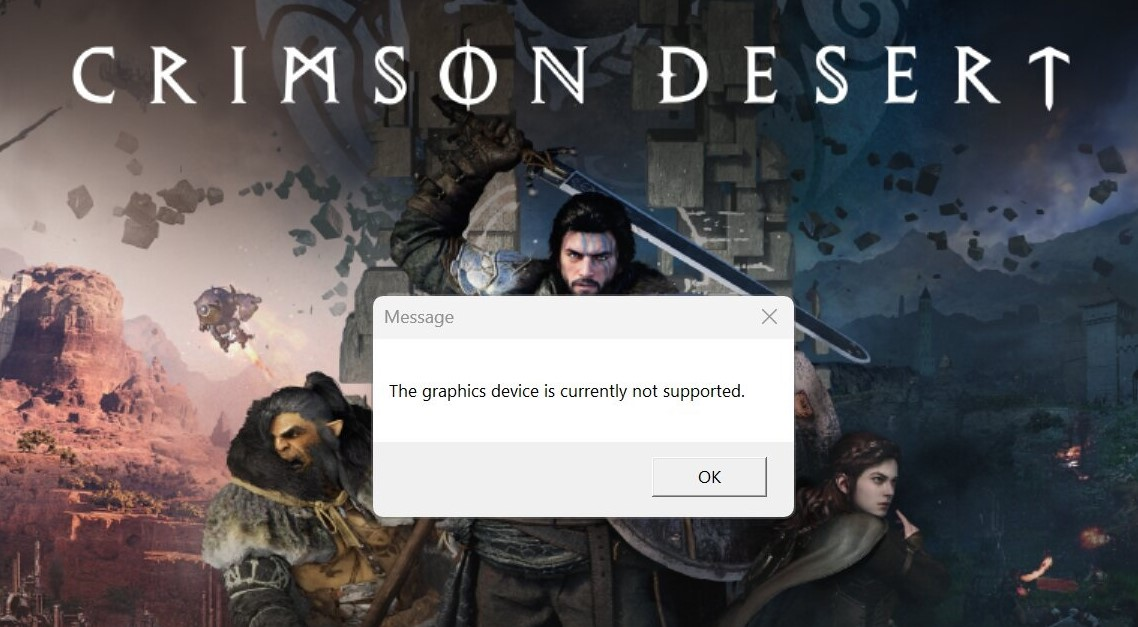
That Arc issue may prove more significant than it first appears. It does not only affect owners of Intel’s discrete GPUs. It also impacts systems using Intel graphics solutions across multiple product generations, including newer mobile platforms. Pearl Abyss has not committed to enabling support later, and the current wording in its FAQ leaves little reassurance for affected users. With the studio already promising to respond quickly to player feedback on other fronts, the lack of a clear roadmap for Intel compatibility stands out as another pressure point in an already turbulent launch window.
Taken together, the situation around Crimson Desert is becoming less about one isolated problem and more about a pattern. The game opened with blockbuster level sales and enormous visibility, but the conversation around it is increasingly being defined by design inconsistency, technical limitations, AI asset controversy, and now anonymous insider allegations about how the project was managed. Unless Pearl Abyss directly addresses the Blind claims or meaningfully improves the game’s rougher edges through updates, this could become one of the more cautionary AAA stories of 2026 rather than the long term prestige win the company originally hoped for.
Do you think Crimson Desert can recover through patches and post launch support, or do these behind the scenes claims suggest the game’s biggest problems were built too deeply into the project from the start?
