
ESRB Will Not Match PEGI’s New Loot Box Ratings Rule, Saying It “Could Be Confusing” for Parents
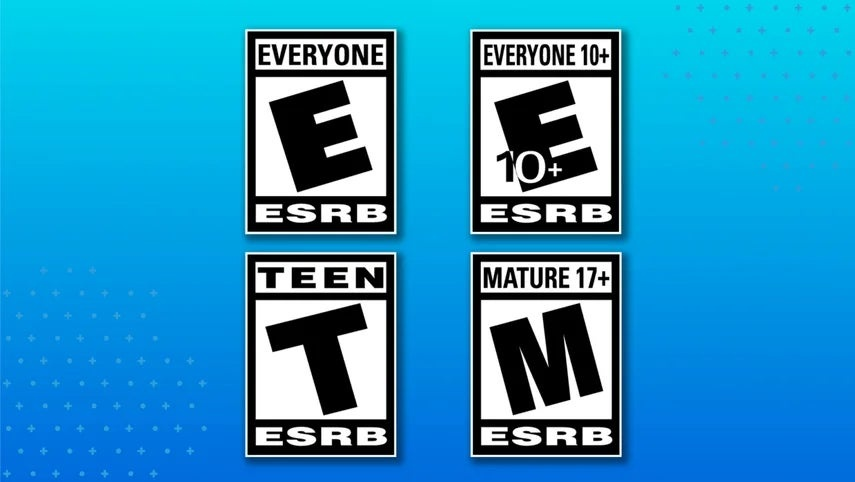
A new divide is opening between Europe and North America over how video game ratings should handle loot boxes. Last week, PEGI confirmed that games containing “paid random items” will receive a default PEGI 16 rating starting in June 2026, a major shift that pushes loot box mechanics into the core age classification itself. However, the ESRB has now made clear that it will not follow that same path. In comments shared with The Game Business, the North American ratings board said it has no plans to let non content related features influence age rating assignments, arguing that doing so “could be confusing” for parents.
The ESRB’s position is rooted in how it already structures its rating system. In North America, the board says it gives parents upfront notice through its three part framework, which includes age ratings, content descriptors, and interactive elements such as “Users Interact,” “In Game Purchases,” and “In Game Purchases (Includes Random Items).” Crucially, ESRB’s official ratings guide states that these interactive elements do not affect the rating assignment itself. That means a game can carry an Everyone or Teen label while still disclosing the presence of monetized random item systems separately.
PEGI is now taking a very different direction. Under its revised rules, titles with paid random items such as loot boxes and gacha systems will default to PEGI 16, while social casino games will be classified PEGI 18. The intent is to make monetization mechanics more visible within the headline rating rather than leaving them as a secondary notice. This change could have a major effect on how mainstream sports and live service titles are labeled across Europe, especially games that include card pack systems, randomized rewards, or other monetized chance based mechanics.
That split will likely create some striking contrasts for global releases. A game such as the next EA Sports FC could potentially carry a PEGI 16 classification in many European markets because of Ultimate Team style random pack mechanics, while still landing with a much lower ESRB age category in the United States and Canada if its actual on screen content remains mild. From a consumer perspective, that means the same game may soon communicate a very different message depending on which ratings system appears on the box or storefront page. This is an inference based on the two boards’ current published approaches, but it is exactly the kind of inconsistency that could become much more visible starting later this year.
One more important clarification has also emerged from PEGI’s side. Earlier interpretations suggested the new rules might only apply to future submissions, but PEGI general director Dirk Bosmans told The Game Business that legacy products are also under review, though the process is more complicated than it may appear. In other words, already released live service titles are not necessarily exempt. Games with long running monetization systems, including gacha driven products, could still face re evaluation under the updated framework.
The bigger industry question is what happens next if parents, regulators, and platform holders begin treating randomized monetization as more than just a disclosure issue. PEGI has now decided that loot boxes deserve a direct impact on age classification. ESRB is holding the line that content and context should remain the only factors driving the main rating. For publishers operating across both regions, that means future releases may need to navigate two increasingly different regulatory philosophies around the same business model.
Do you think ESRB should eventually follow PEGI and tie loot boxes directly to age ratings, or is a separate warning label enough for parents and players?
