
AMD Zen 6 12 Core Ryzen Could Rival the 16 Core Ryzen 9 9950X3D2
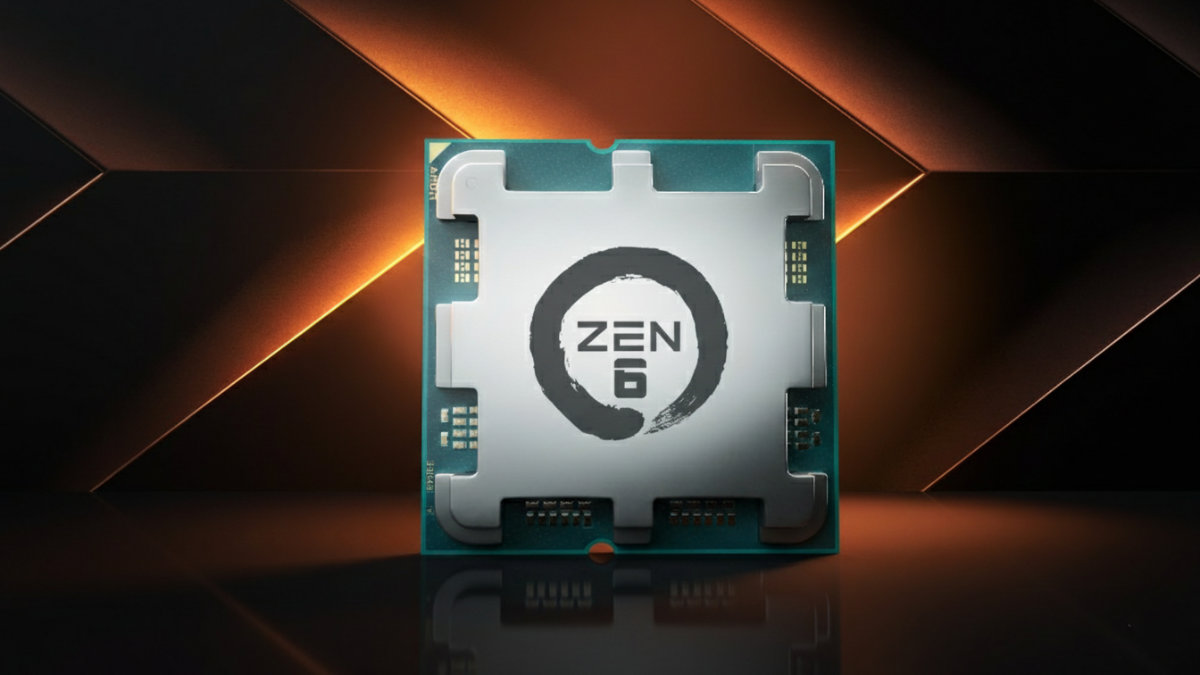
AMD's upcoming Zen 6 desktop processors could deliver a significant generational performance improvement, with a 12 core Ryzen CPU reportedly approaching the multithreaded performance of the 16 core Ryzen 9 9950X3D2. According to 1usmus, developer of the Hydra overclocking utility, the next generation architecture could achieve performance comparable to AMD's current flagship despite having 25% fewer cores.
The discussion followed a circulating Cinebench 2026 result of approximately 11,000 points, initially mistaken for an early Zen 6 benchmark. The score actually belonged to the Ryzen 9 9950X3D2, but 1usmus suggested that a 12 core Zen 6 processor could come surprisingly close to that result. Such performance would represent a substantial architectural improvement, potentially allowing a single Core Complex Die (CCD) to compete with today's dual CCD Ryzen 9 processors.
Zen 6 is expected to increase core density from 8 to 12 cores per CCD, with the upcoming Olympic Ridge family potentially offering configurations reaching 24 cores and 48 threads.
| Specification | Ryzen 9 9950X3D2 | Ryzen Zen 6 | Ryzen Zen 6 Flagship |
|---|---|---|---|
| Architecture | Zen 5 | Zen 6 | Zen 6 |
| Cores / Threads | 16 / 32 | 12 / 24 | 24 / 48 |
| CCD Configuration | 2 × 8 cores | 1 × 12 cores | 2 × 12 cores |
| Multithreaded Performance | Current flagship baseline | Reportedly approaching 9950X3D2 | Potentially significantly higher |
| Socket | AM5 | AM5 expected | AM5 expected |
| Status | Released | Rumored configuration | Rumored configuration |
Zen 6 specifications and performance expectations remain unconfirmed.
For a 12 core Zen 6 processor to match the throughput of a 16 core Zen 5 CPU, it would require approximately 33% greater performance per core under comparable conditions. Architectural improvements, increased clock frequencies and TSMC's anticipated N2P manufacturing process could contribute to those gains. Meanwhile, a 24 core Zen 6 flagship could theoretically approach 20,000 points in Cinebench 2026, although no verified results are available.
The platform strategy is equally important. AMD's technical documentation identifying Olympic Ridge for AM5 indicates that existing motherboard owners could have another upgrade opportunity, subject to BIOS compatibility. Zen 6 is also expected to introduce improved DDR5 memory support and expanded 3D V Cache configurations, potentially reaching 288 MB of L3 cache in select models.
AMD's consumer Zen 6 processors are currently expected in 2027, potentially competing directly with Intel's upcoming Nova Lake desktop architecture. However, AMD has not officially confirmed the reported performance figures, final processor configurations or launch schedule.
The most interesting aspect of Zen 6 is not simply the possibility of reaching 24 cores, but the potential performance improvement within a single CCD. Delivering current flagship multithreaded performance with fewer cores could make high performance computing more accessible while reducing the need for expensive flagship configurations. For gaming, however, cache latency, memory optimization and single core performance will remain just as important as raw processing power. If AMD combines these improvements with continued AM5 compatibility, Zen 6 could become one of the platform's most compelling upgrades.
Would you prefer a 12 core Zen 6 processor delivering today's 16 core flagship performance, or would you wait for the rumored 24 core model?
