
Intel’s Advanced Packaging Push Is Gaining Real Momentum as Customer Commitments Reach Into the Billions
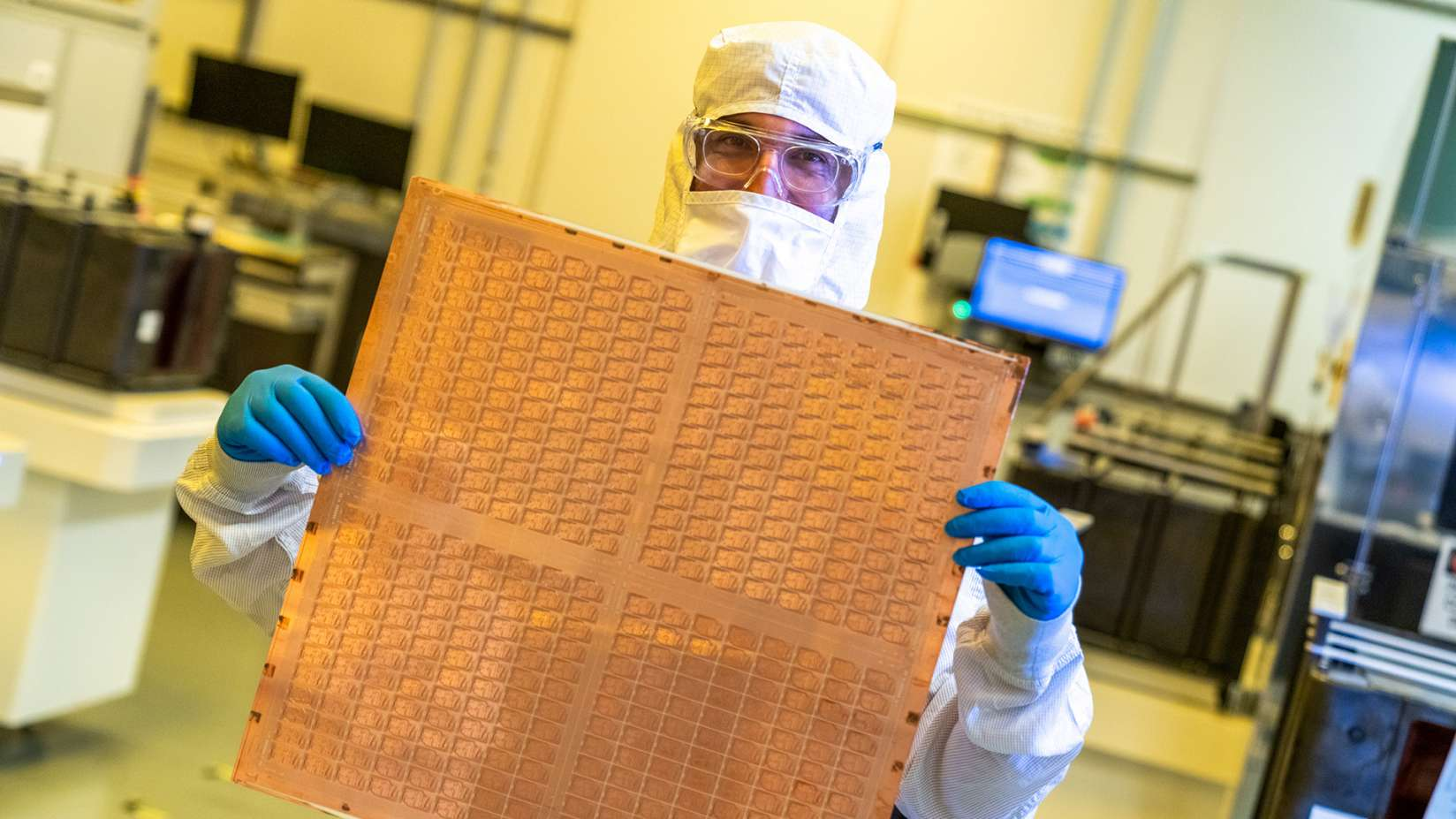
Intel’s advanced packaging business is increasingly becoming one of the company’s most important AI era growth stories, and recent reporting suggests that momentum is no longer theoretical. According to a new WIRED report, Intel has been in ongoing talks with at least two major customers, Google and Amazon, around advanced packaging services tied to their custom AI silicon efforts. The same report says Intel’s packaging operation may soon generate billions in annual revenue, a notable signal that the market is starting to view Intel Foundry’s packaging portfolio as more than just a backup option to TSMC.
That lines up with what Intel management has already been saying publicly. On Intel’s January earnings call, CEO Lip Bu Tan and CFO David Zinsner highlighted advanced packaging as one of Intel Foundry’s clearest differentiators, specifically pointing to EMIB T and stating that at least some customers were willing to prepay for capacity because of supply shortages in the market. Tan described EMIB T as “a very big differentiator,” while Zinsner said Intel was seeing notable early customer prepayments tied to packaging demand.
The broader market context explains why this is happening now. Advanced packaging has become one of the most constrained parts of the AI supply chain, and that is pushing hyperscalers, ASIC designers, and large cloud players to look beyond wafer supply alone. WIRED notes that Intel has positioned packaging as a more flexible entry point for foundry customers, especially for companies that may not yet be ready to move full chip manufacturing over, but still need advanced multi die integration for AI accelerators and custom silicon.
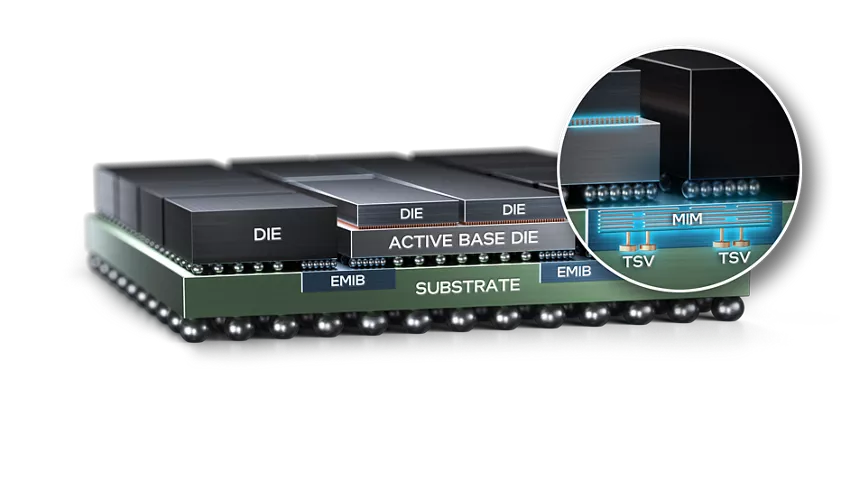
That makes Intel’s pitch increasingly relevant. TSMC still dominates the market for cutting edge advanced packaging, especially through CoWoS, but demand remains tight and concentrated. Intel is using that gap to push technologies like EMIB, Foveros, and the next generation EMIB T as viable alternatives for heterogeneous AI packages. WIRED reports that this packaging strategy could be central to Intel’s broader comeback effort, especially because it allows Intel to participate in AI infrastructure growth even when it is not the full front end manufacturing partner.
The possible involvement of Google and Amazon is especially notable because both companies are among the most important custom silicon buyers in the AI market. If those talks convert into production business, Intel would not just be landing prestige customers. It would be embedding itself more directly into the hyperscaler AI stack through packaging, which is becoming just as strategically important as leading edge node access in many deployments. WIRED frames those two companies as examples of how Intel is targeting customers that design their own chips but still need outside help for parts of the manufacturing chain.
There is still an important distinction to make here. The customer names and deal discussions are reported, not officially confirmed by Intel. What Intel has confirmed is the strength of packaging demand, the willingness of some customers to prepay, and the strategic importance of the segment to its foundry roadmap. The more specific customer speculation is coming from WIRED’s reporting.
The timing also matters. Intel has officially scheduled its Q1 2026 earnings report for April 23, 2026, with the call taking place that same day. That gives the company an obvious stage to provide more color on foundry traction, packaging demand, and whether those customer commitments are starting to become more concrete in financial terms.
From an industry perspective, this is one of the more practical ways Intel can gain ground in the AI race. Winning full process node business against entrenched leaders is difficult and slow. Winning packaging business is still challenging, but it gives Intel a clearer near term opening because customer demand is urgent, supply is constrained, and advanced AI chips increasingly depend on sophisticated chiplet integration rather than monolithic scaling alone. That is an inference based on Intel’s public comments and WIRED’s description of current market demand.
If Intel can turn that momentum into repeat hyperscaler and ASIC business, advanced packaging could become one of the strongest proof points that Intel Foundry is building something customers actually need right now, not just something investors hope will matter later.
Do you think Intel’s fastest path back into the AI race is through advanced packaging rather than full node competition, or does it still need major manufacturing wins to change the narrative?
