
Zelda: Link's Awakening Gets Native PC Port as Nintendo Continues Crackdown on Fan Projects
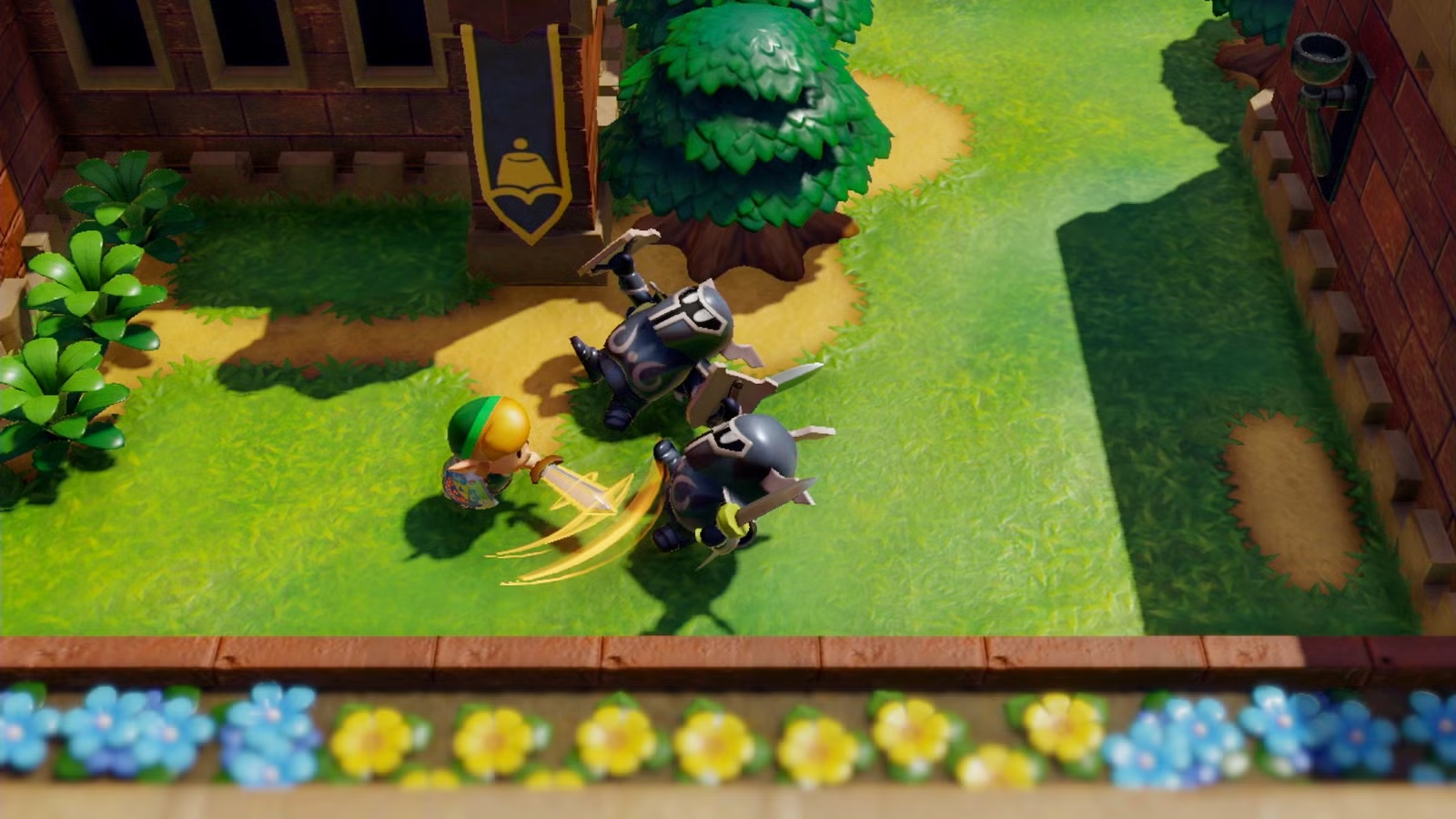
The Legend of Zelda: Link's Awakening has received an unofficial native PC port of its 2019 Nintendo Switch remake, bringing the adventure to Windows, macOS, and Linux through static recompilation. Developed by GitHub user peiikai, the project, known as LAS Recomp, introduces expanded graphics settings, ultrawide display support, and extensive randomizer features despite Nintendo's continued legal pressure on unofficial Switch software.
Unlike traditional Nintendo Switch emulators, LAS Recomp converts the original game's ARM code into native executable code for supported PC platforms. This process takes place locally using game files supplied by the player, removing the need for conventional CPU emulation during gameplay while retaining specialized runtime components for graphics and system functionality.
The project does not distribute Nintendo copyrighted game files, textures, audio, or proprietary fonts. Players must provide their own legally obtained and extracted copy of Link's Awakening version 1.0.0. The developer also emphasizes that LAS Recomp is an experimental beta, with visual issues, crashes, and incomplete randomizer functionality still present.
LAS Recomp Platform Support
| Platform | Graphics Backend | Requirements |
|---|---|---|
| Windows | Vulkan | Windows 10 or newer, x86 64 CPU with AVX2, Vulkan 1.3 |
| Linux | Vulkan | x86 64 CPU with AVX2, Vulkan 1.3 |
| macOS | Metal | Apple Silicon, macOS 15 or newer |
| Linux ARM | Vulkan | Experimental, not fully tested |
Beyond native execution, LAS Recomp introduces unlocked aspect ratios, allowing players to explore Koholint Island in ultrawide resolutions while preserving the intended framing in selected interiors and dungeons. Other improvements include adjustable internal resolution, optional blur removal, 360 degree movement, customizable keyboard and controller inputs, and Apple MetalFX upscaling on macOS.
The integrated randomizer is another major addition, allowing players to shuffle items, enemies, music, dungeon entrances, and even individual dungeon rooms. Additional settings modify item progression and exploration, creating substantially different experiences from the original adventure. However, some configurations remain experimental and may generate progression problems.
One particularly interesting aspect is the development process. According to the creator's GitHub documentation, nearly all of the code, reverse engineering tools, and documentation were produced using Anthropic's Claude through Claude Code, with the developer directing, testing, and reviewing the results. This demonstrates how AI assisted programming is increasingly being used for technically demanding community projects, although the resulting software still requires extensive human validation.
The release arrives as Nintendo continues targeting unauthorized Switch software. A September 30, 2026 copyright notice documents another takedown request involving Switch emulation repositories, reinforcing the legal uncertainty surrounding similar projects. However, there is currently no confirmed Nintendo takedown action specifically targeting LAS Recomp.
Static recompilation is also gaining attention through other community initiatives, including Suyu 0.04 introducing ahead of time recompilation for Nintendo Switch emulation. Unlike Suyu's approach, which continues relying on broader Switch emulation systems, LAS Recomp is built specifically around Link's Awakening as a standalone native application.
The project remains publicly available through its GitHub repository, although its long term development and distribution remain uncertain.
LAS Recomp represents an important development for game preservation and native PC compatibility. While emulators already allow Switch titles to run on conventional computers, rebuilding a specific game through static recompilation offers greater opportunities for platform integration, graphical improvements, and gameplay modifications.
The extensive use of AI assisted development is equally noteworthy. It demonstrates how modern programming tools can help individual enthusiasts tackle complex reverse engineering projects, although generated code does not eliminate the need for testing, optimization, and security reviews.
Nintendo's copyright enforcement remains the biggest uncertainty. LAS Recomp's decision not to distribute original game assets distinguishes it from unauthorized game downloads, but that alone does not guarantee protection against legal challenges involving copyrighted code or technological protection measures.
For players, the most promising aspect is the possibility of preserving classic games as native applications that can evolve alongside modern hardware rather than depending exclusively on aging consoles.
Should Nintendo officially bring more Zelda games to PC, or do you believe community projects like LAS Recomp are the better solution for game preservation and modern compatibility?
