
YMTC Reportedly Fast Tracks Wuhan NAND Fab Push as AI Storage Demand Rewrites the Global Supply Playbook
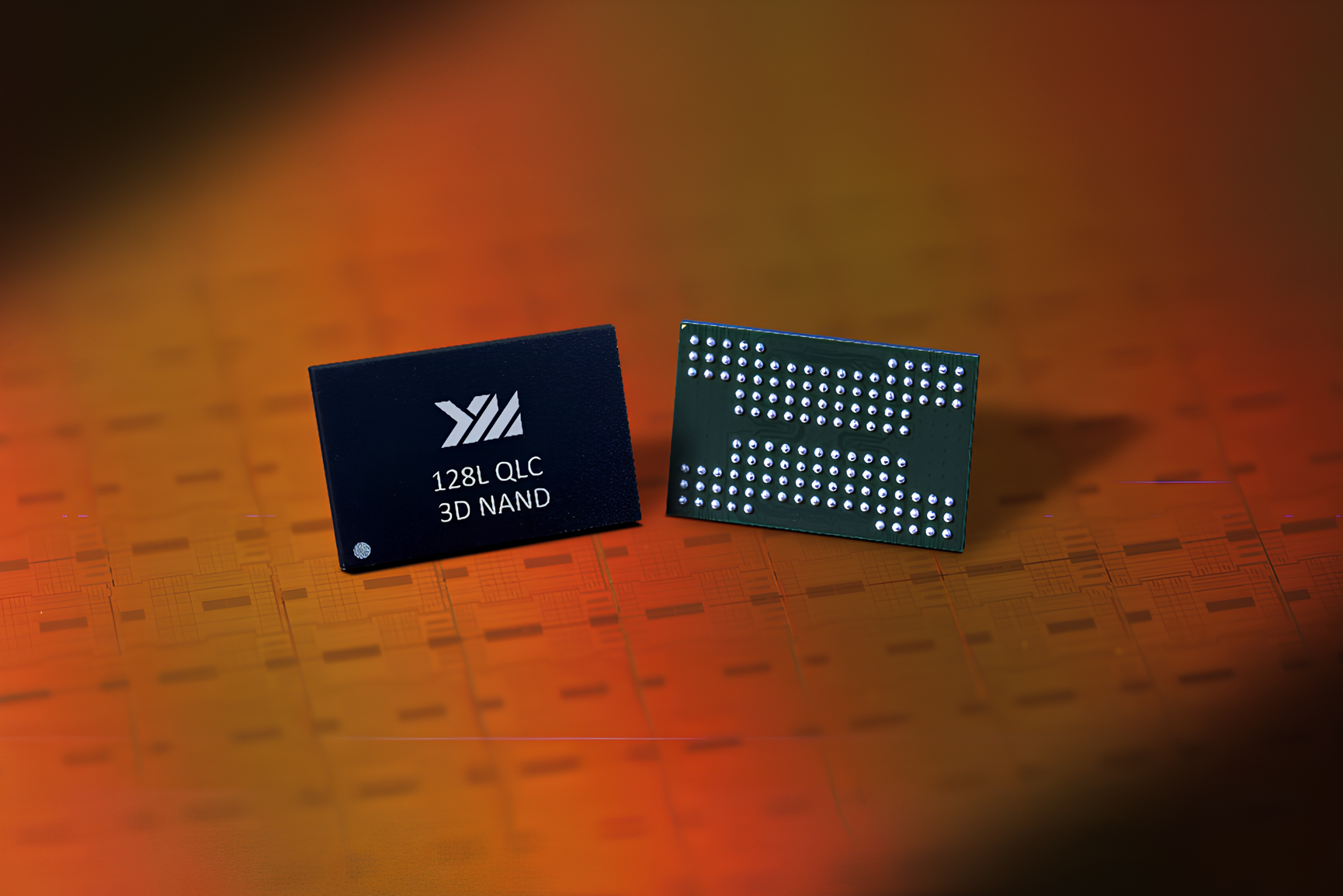
Yangtze Memory Technologies Co. is reportedly accelerating what is described as its biggest ever NAND expansion effort, aiming to move its Wuhan fab project toward mass production in H2 2026, according to a report from ChosunBiz. The development matters because it signals China’s most prominent NAND contender is trying to time its capacity ramp into a market cycle where storage is becoming a first order constraint for AI infrastructure, not just a commodity line item.
The report frames the Wuhan project as an unusually aggressive build and ramp schedule for a modern memory facility. The strategic objective is straightforward: add meaningful output into a tightening NAND environment, while positioning YMTC as a more credible challenger against incumbents such as Samsung Electronics and SK hynix.
The demand side tailwind is also evolving. NAND is benefiting from renewed pricing and revenue momentum across the storage ecosystem, with companies including SanDisk, Kioxia, and Western Digital riding a cycle where data center buildouts are prioritizing throughput and capacity. A core driver here is AI, where storage increasingly sits on the critical path for inference efficiency as context lengths expand and more tokens must be retained and retrieved quickly.
One relevant example is NVIDIA introducing what it calls the Inference Context Memory Storage platform, designed to create a dedicated context memory tier that bridges GPU memory and shared storage, using BlueField 4 to speed KV cache access and sharing across nodes. Even if this is just one approach among many, the direction is consistent: storage is being engineered as a performance layer for AI, not simply a capacity pool.
On the supply side, the report claims YMTC is leveraging its Xtacking approach and has scaled to 270 layer class 3D NAND, bringing it closer to what leading global manufacturers are shipping. The Wuhan program is described as a 3000000000$ scale investment, with an ambition to reach 15% of total NAND output if the expansion lands as planned.
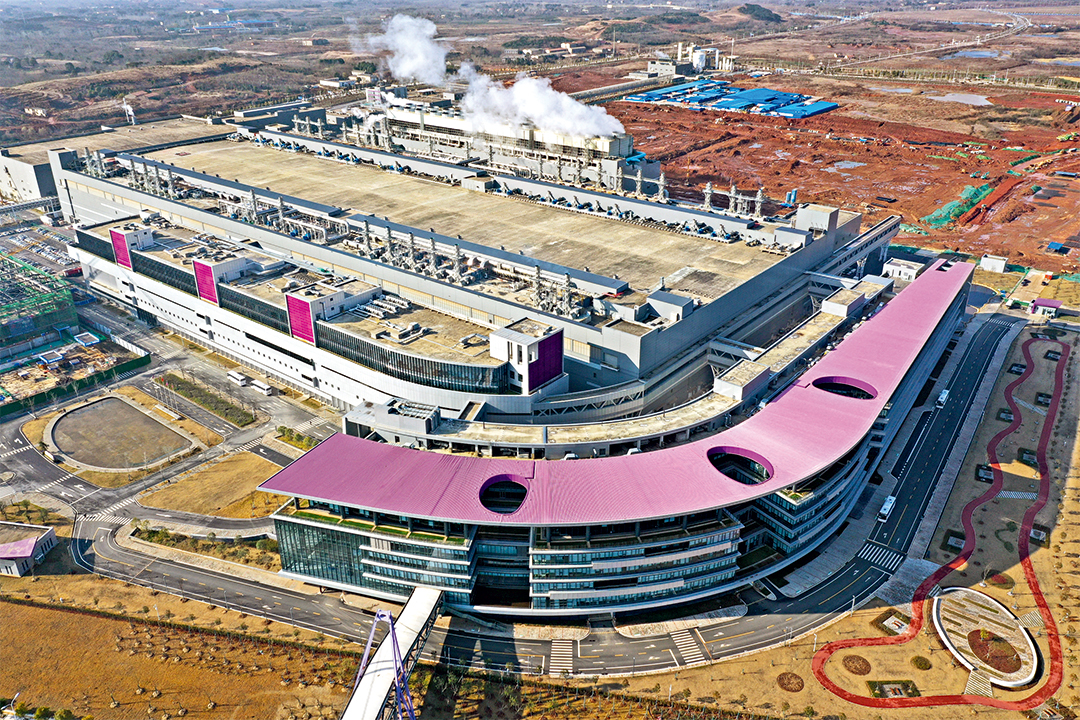
The commercial risk is equally clear. YMTC remains on the United States Entity List, which can limit access to certain tooling and can complicate business with some of the world’s largest buyers. That creates a ceiling on total addressable market outside China and friendly channels, even if the global supply chain would welcome additional capacity during tight periods. In other words, the Wuhan ramp can add output, but converting output into high margin share gains depends on how far YMTC can push technology, yield, and customer qualification within a constrained geopolitical envelope.
If YMTC truly reaches mass production in H2 2026 on an accelerated schedule, the near term impact could be meaningful in a cycle where every incremental wafer start matters. The longer term impact depends on whether YMTC can sustain layer scaling, controller and firmware maturity, and consistent quality at volume, while navigating buyer restrictions that shape where those wafers can ultimately land.
Do you think YMTC’s Wuhan ramp will materially ease NAND tightness for the broader market, or will Entity List constraints keep the effect mostly regional despite rising AI storage demand?
