
Xbox Next Gen Targets 2027, But Best Case Scenario Is Microsoft Builds a Full Windows 11 Console Platform
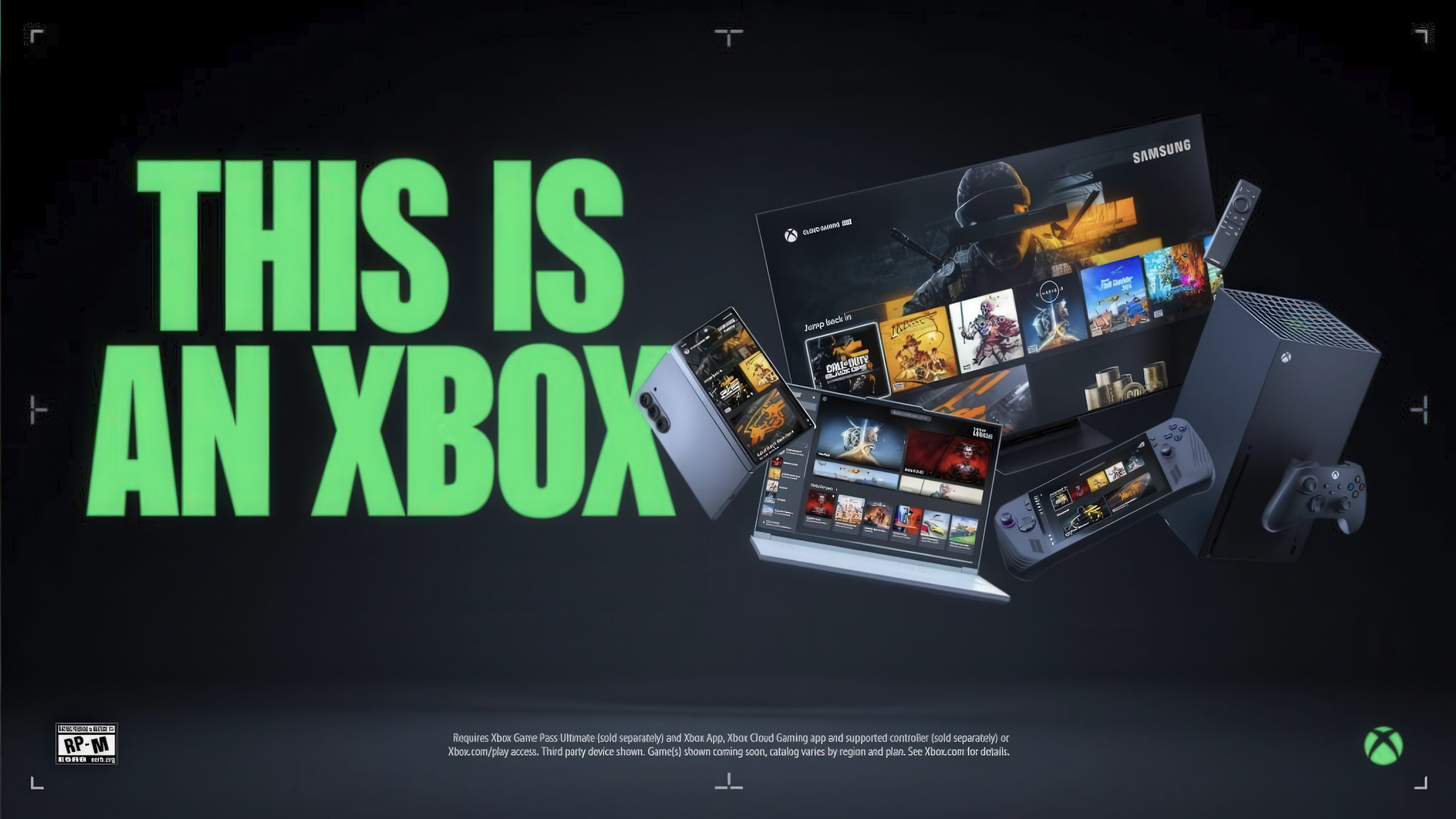
AMD CEO Lisa Su’s recent comments about Microsoft tracking toward a 2027 launch window for next generation Xbox hardware instantly reignited the console roadmap conversation, especially as the industry continues navigating RAM shortages and broader component cost pressure. However, a new report from Windows Central suggests Microsoft is not ready to treat 2027 as a locked in date, describing it instead as a best case scenario while key software and interface work remains in flight.
According to the report, Microsoft sources were reportedly surprised by how confidently the timeline was framed publicly, not because the silicon trajectory is failing, but because the bigger dependency is the platform layer. Microsoft’s next generation Xbox vision hinges on successfully merging the console identity of Xbox with the flexibility of Windows, and the company wants the underlying operating system experience to feel truly console polished before it commits hard to a launch year.
The strategic direction described is a major pivot in how Xbox hardware is defined. The next generation console is expected to boot into an Xbox mode with a living room friendly interface, but users can reportedly exit into full Windows 11 whenever they want. That would turn the device into more than a console, enabling use cases like productivity apps, creative tools, and general Windows workflows. More importantly for gamers, the report indicates that Microsoft is building toward a future where you can access games from additional PC storefronts, specifically mentioning options like Steam and the Epic Games Store inside the broader Windows environment.
This approach also reshapes hardware strategy. Instead of a single monolithic Xbox box, Microsoft’s plan appears to open the door for OEM partners to create their own Xbox branded hardware. The report suggests companies such as ASUS or Lenovo could ship their own versions, with different performance targets and pricing tiers, ranging from more premium configurations to more affordable options. In this model, Microsoft’s own first party console acts as the baseline reference design, while partners expand the portfolio to hit different markets, form factors, and budgets. It is effectively a console ecosystem play that borrows from the Windows PC playbook, with curated hardware options built around a unified Xbox platform layer.
Pricing remains the unresolved variable. The report does not provide firm numbers, but it frames Microsoft as aiming for a more premium offering, and it acknowledges the reality that memory shortages and United States tariff dynamics complicate any attempt to define a stable launch MSRP this early. Still, Microsoft may be comfortable letting the upfront cost run higher than a typical console cycle, because cross generation support is expected to continue longer than usual. That means Xbox Series S and Xbox Series X owners could remain fully supported for years, delaying the moment when next generation exclusives become a hard requirement.
Taken together, the Windows Central reporting paints a picture of Xbox going for platform leverage over pure hardware timing. 2027 remains the target on the whiteboard, but the gating factor is user experience readiness. If Microsoft delivers a seamless console first interface with a clean path into full Windows 11, plus OEM diversity that makes sense for real buyers, Xbox could redefine what a console generation looks like. If the software layer is not ready, delaying becomes the safer choice because a hybrid console and PC product lives or dies on polish and trust.
Would you buy a next generation Xbox that runs full Windows 11 and supports multiple PC stores, or do you prefer the closed console model for simplicity and consistency?
