
Xbox Defends Selective Exclusives as Halo Roadmap Reportedly Falls Apart
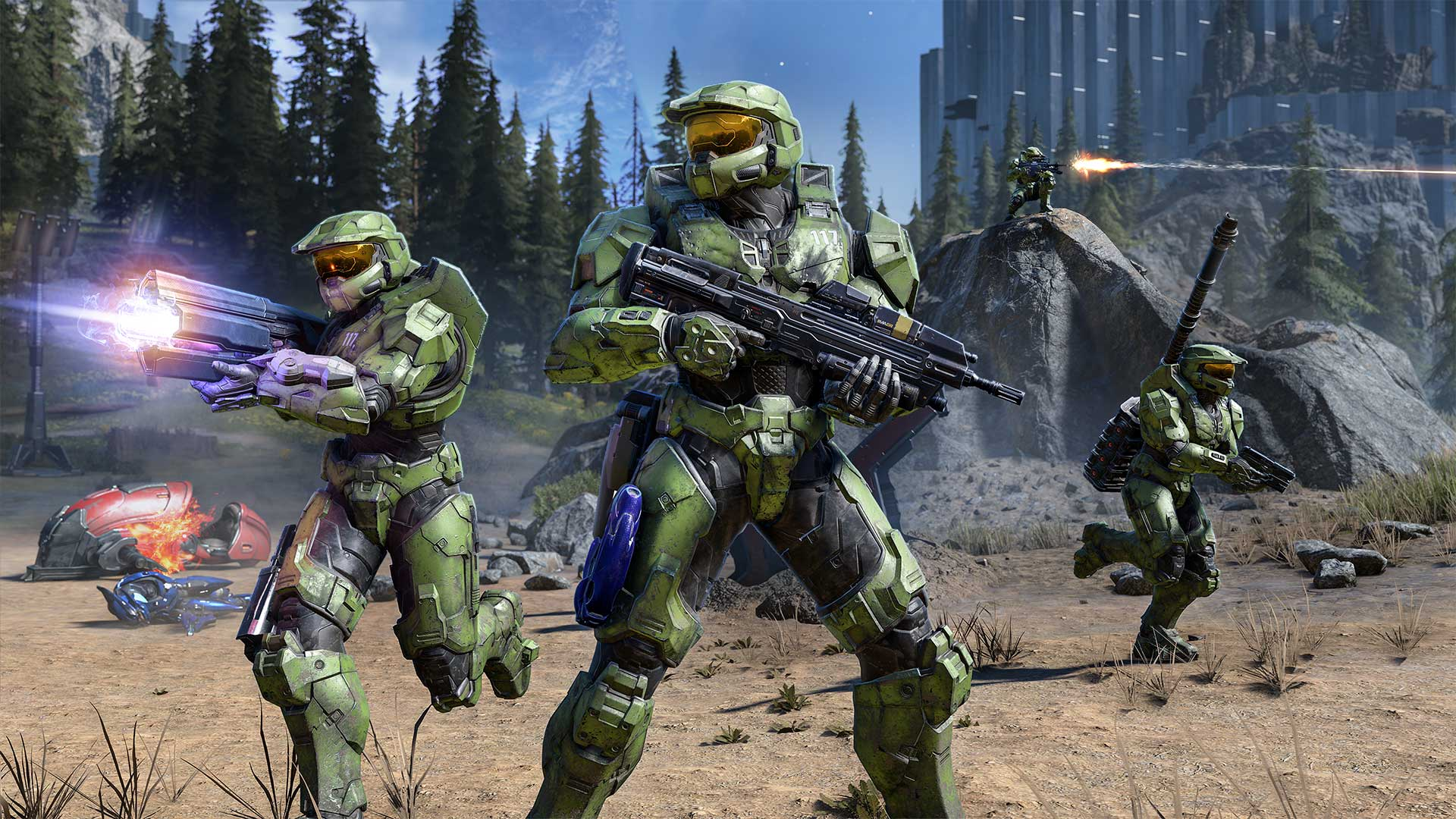
Xbox is returning to console exclusives after spending several years expanding major first party games across PlayStation and other platforms, but Microsoft still refuses to define a simple rule that determines which franchises will remain exclusive. Gears of War: E Day and Clockwork Revolution are leading the new strategy, while Halo, Fable, and several other Xbox properties continue moving beyond Microsoft hardware.
Speaking with GamesRadar, Xbox Chief Content Officer Matt Booty explained that players should not assume every single player game will automatically become an Xbox console exclusive. Instead, Microsoft evaluates the purpose each release serves within its broader gaming business.
"We are the stewards of over 20 game franchises that have made a billion dollars in their lifetime. There are a lot of different games in our portfolio, and we have to think about how different games serve different purposes within it."
— Matt Booty
Xbox Chief Strategy Officer Matthew Ball added that Microsoft has an internal framework for evaluating platform availability, although he acknowledged that the system may not currently appear obvious to players. Xbox plans to provide clearer platform information whenever it announces a release date for an upcoming game.
The approach explains why Gears of War: E Day and Clockwork Revolution will remain permanent Xbox console exclusives, while Halo: Campaign Evolved, Fable, Grounded 2, and Forza Horizon 6 are still scheduled for PlayStation 5. Xbox says previously announced multiplatform commitments will be respected, while large multiplayer and live service games will generally continue targeting the widest possible audiences.
Future games such as The Elder Scrolls VI and other projects across Bethesda, Activision, Blizzard, and Xbox Game Studios are still being evaluated individually. This flexibility gives Microsoft more commercial options, but it also leaves players uncertain about which franchises will define Xbox hardware and which will become wider Microsoft publishing properties.
The uncertainty becomes more significant when considering the current condition of Halo Studios. According to a new report from Rebs Gaming, the studio once planned to release 3 Halo games across 3 consecutive years, beginning with Halo: Campaign Evolved. The reported roadmap also included the multiplayer project known as Project Ekur and a new original campaign.
Project Ekur and the unannounced campaign have reportedly been canceled, leaving Halo Studios without another campaign or multiplayer project currently in full production beyond Halo: Campaign Evolved. Development teams are allegedly exploring new concepts as the studio attempts to establish its next direction. These claims have not been officially confirmed by Microsoft or Halo Studios and should therefore remain treated as industry reports rather than established announcements.
The status of the rumored Halo 2 and Halo 3 remakes is also uncertain. Earlier reports suggested that both projects had entered development, but the latest information claims Halo Studios may instead produce additional content for Halo: Campaign Evolved. Whether that content would replace the reported remakes or simply arrive before them remains unclear.
Halo: Campaign Evolved will launch on July 28, 2026 for Xbox Series X and S, PlayStation 5, and Steam, making it the first Halo release to arrive on a PlayStation console. The remake includes redesigned visuals, updated controls, new missions, 2 player local cooperative gameplay, and online cooperation for up to 4 players.
The reports arrive while Microsoft continues the largest restructuring in Xbox history. Approximately 3,200 positions are expected to be removed through July 2027, with several studios affected, sold, or reorganized. Xbox’s selective exclusive strategy makes sense from a business perspective because Microsoft now manages franchises with very different audiences, commercial models, and platform requirements. Call of Duty requires enormous communities, while games such as Gears of War: E Day can strengthen Xbox hardware without depending on PlayStation sales.
The problem is communication. Players still do not have a clear understanding of which games are intended to sell Xbox consoles and which games are being managed as multiplatform Microsoft properties. A private framework may help executives make decisions, but it does little to rebuild public confidence unless the results feel consistent.
Halo represents the larger concern. Launching Campaign Evolved on PlayStation could expand the franchise, but reports of canceled projects and an abandoned 3 year roadmap suggest Xbox may still lack a stable long term plan for its most recognizable gaming property. Exclusives can give players a reason to purchase an Xbox, but that strategy requires a reliable development pipeline behind them.
Should future Halo games return to Xbox console exclusivity, or has the franchise become more valuable as a multiplatform series?
