
Valve Targets An It Just Works Moment As Steam Machine Verified Badge Loosens Up Compared To Steam Deck
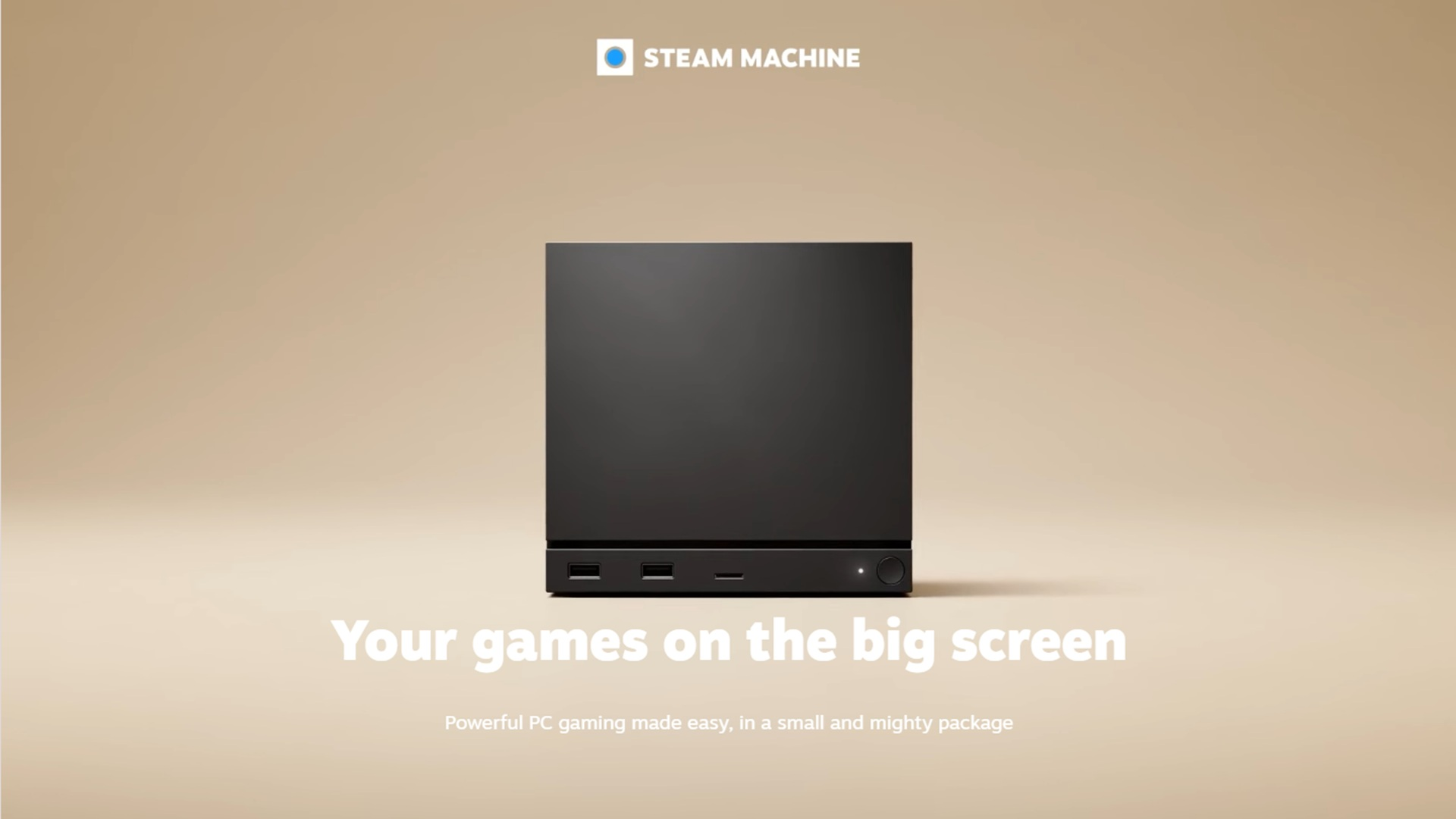
Valve is doubling down on frictionless living room PC gaming in 2026, and the company is signaling that its upcoming Steam Machine ecosystem will be supported by a verification strategy that is intentionally more permissive than what developers have dealt with on Steam Deck. In practical terms, this is a strategic move to accelerate library readiness at launch, reduce developer overhead, and position Steam Machine as a console style experience that still retains the flexibility of the PC platform.
In an interview with Game Developer, Valve designer Lawrence Yang said developers should expect fewer constraints for earning a Steam Machine Verified badge than Steam Deck verification. The simplest rule of thumb shared in the interview is that any title already Verified on Steam Deck should also be Verified on Steam Machine.
That single statement is a major go to market unlock. Steam Deck verification has been both a quality bar and a marketing lever, but it also comes with a more specific hardware and handheld experience target. Steam Machine shifts the center of gravity toward a living room environment where developers can lean on more traditional PC performance assumptions, while Valve can still provide a clear consumer facing signal that a game is expected to run well on SteamOS in a couch friendly setup.
Valve is also drawing clear boundaries between verification tracks. Yang noted that Steam Frame verification for VR developers may involve a stricter process, while still emphasizing that Valve will go through the same rounds of testing and provide developer feedback as it does for the other verification programs.
The verification philosophy ties directly into Valve’s broader hardware accessibility narrative. The same interview points to the Steam Controller Puck as another example of this approach, positioning it as a practical answer to real world connectivity headaches. Rather than assuming every home environment and every PC Bluetooth implementation behaves consistently, Valve built an accessory that can charge and pair a Steam Controller to any PC, explicitly targeting the variability that players run into across different wireless environments.
| Feature | Steam Deck (LCD/OLED) | Steam Machine | Most Common PC Spec (Steam Survey Dec 2025) |
|---|---|---|---|
| CPU | Zen 2 (4C / 8T) | Semi-Custom Zen 4 (6C / 12T) | 6-Core CPUs (28.28%) |
| GPU Power | 1.6 TFLOPS (RDNA 2) | ~9.6 TFLOPS (RDNA 3) | RTX 3060 ~12.7 TFLOPS (4.07% share) |
| System RAM | 16GB LPDDR5 | 16GB DDR5 | 16GB RAM (40.77%) |
| VRAM | Shared (up to 4GB) | 8GB Dedicated GDDR6 | 8GB VRAM (32.68%) |
| OS | SteamOS (Linux) | SteamOS (Linux) | Windows 11 (66.60%) |
For gamers and reviewers watching this category, the implication is straightforward. Steam Machine Verified is being framed as a scale play, not a scarcity badge. Valve wants the consumer promise to be simple, the onboarding to be immediate, and the support path to be predictable. If this lands, the Steam Store experience on Steam Machine can surface a large ready to play catalog quickly, which is exactly the type of momentum a living room device needs to compete with plug and play consoles.
The open question remains price and perceived value. Valve still has not confirmed official pricing, and that detail will ultimately decide whether Steam Machine becomes a mainstream living room alternative or a premium enthusiast box that mostly appeals to existing PC players who want a cleaner couch setup. A more accessible Verified badge is a strong operational choice, but the real conversion moment will happen at checkout, not in the badge criteria.
What price point would make you seriously consider a Steam Machine as your main living room gaming device, 700, 900, or 1000?
