
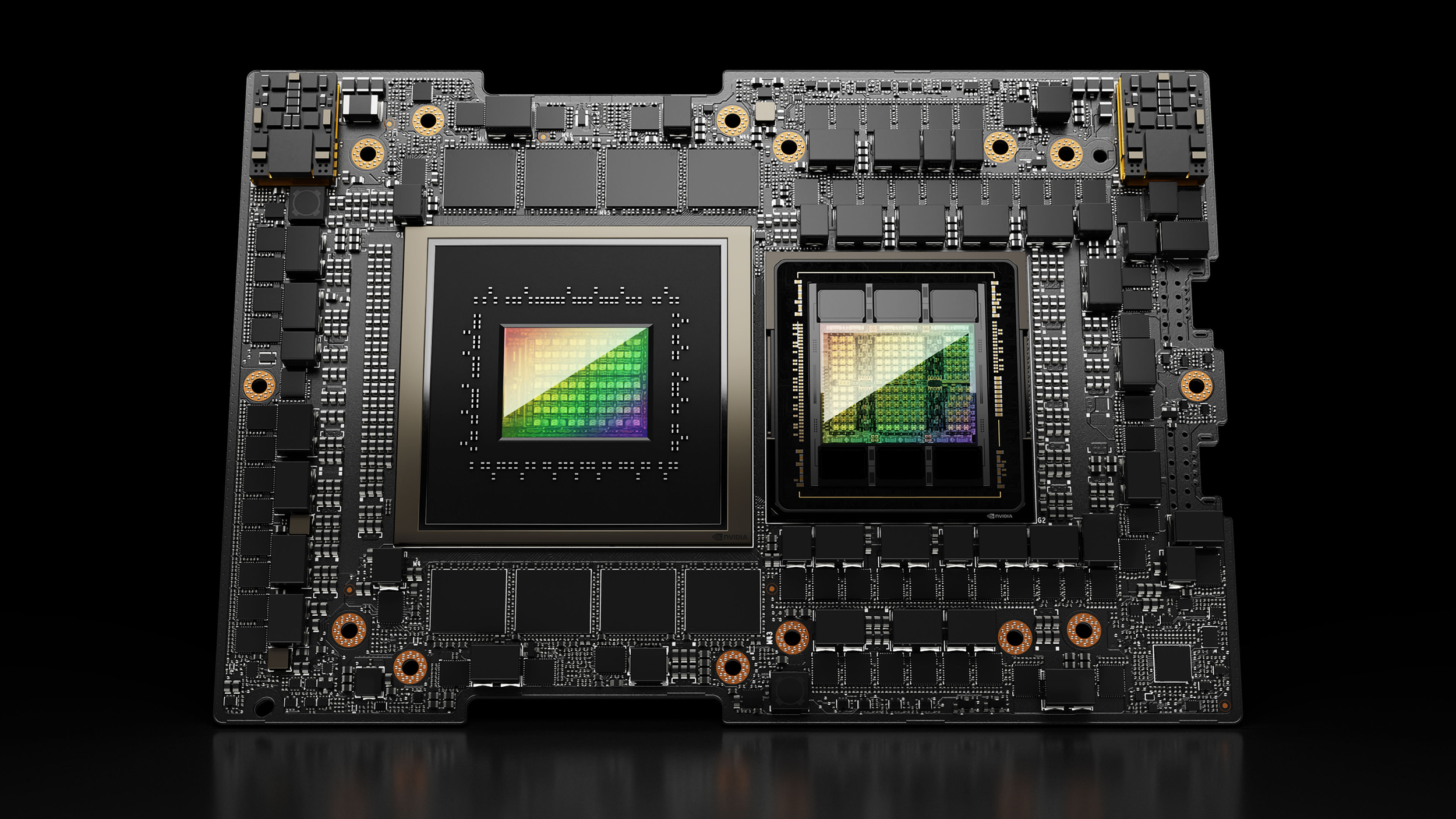
The Trump administration approved export licenses covering 879,868 advanced NVIDIA and AMD AI accelerators destined for Chinese companies, according to newly disclosed records from the United States House Foreign Affairs Committee. Released on November 19, 2026, the documents reveal the scale of semiconductor export authorizations issued between December 2025 and May 2026, including transactions involving Alibaba, Tencent, Baidu, and BYD. The disclosure raises questions about American semiconductor export controls, national security oversight, and the growing international demand for advanced AI computing hardware.
According to the official congressional disclosure, NVIDIA and AMD submitted applications covering 3,444,160 AI chips, with the Bureau of Industry and Security approving 879,868 accelerators across 21 license applications as of May 11. This represents approximately 25.5% of the requested quantity. The approved hardware includes NVIDIA's H200 and AMD's Instinct MI325X, both designed for demanding AI inference and training workloads. However, the figures represent authorized exports rather than confirmed deliveries, and the actual number of accelerators shipped to China remains uncertain.
Approved AI Chip Export Quantities
| Chinese Company | Approved AI Chips |
|---|---|
| Tencent and subsidiaries | 150,000 |
| Alibaba | 75,000 |
| Baidu | 43,000 |
| BYD | 4,000 |
| Other approved recipients | 607,868 |
| Total Approved | 879,868 |
The disclosure indicates that 272,000 approved accelerators, approximately 31% of the total, were designated for companies appearing on the Pentagon's June 2026 list of Chinese military companies. Their presence on that list has intensified concerns among lawmakers about the potential military applications of advanced AI hardware. However, inclusion on the list does not establish that these particular processors were delivered to military facilities or used for military purposes.
The approvals follow the administration's decision in December 2025 to permit selected exports of advanced AI processors under additional security conditions. The US Department of Commerce revised its licensing rules in January 2026, allowing NVIDIA H200 and AMD MI325X applications to receive individual reviews rather than facing automatic denial. Exporters must demonstrate adequate customer screening, independent hardware verification, and sufficient domestic supply while ensuring that exports do not reduce semiconductor manufacturing capacity available to American customers.
Despite these requirements, congressional records identify several companies involved in assembling or installing AI systems that have previously attracted scrutiny over potential connections to restricted entities. These include Beijing New Matrix Information Technologies and Maginfra, which were also examined in an earlier investigation into NVIDIA H200 export approvals involving questionable corporate structures. Every NVIDIA and AMD application included in the disclosure characterized the proposed transaction as presenting a low risk of unauthorized diversion, raising questions about how effectively those assessments reflect complex international supply chains.
The revelations also come as NVIDIA has confirmed that it has stopped shipping H200 accelerators to China despite previously receiving export authorizations. The company maintains that the approvals were issued under strict conditions and limited quantities, while AMD has reiterated its commitment to complying with applicable American export control regulations. The Commerce Department has defended its January licensing framework, emphasizing the additional security requirements imposed on companies seeking authorization.
The disclosure highlights the difficulty of balancing semiconductor trade, supply chain transparency, and national security as AI infrastructure investments continue accelerating worldwide. With major technology companies competing for advanced GPUs, high bandwidth memory, and semiconductor manufacturing capacity, export policy decisions can influence how computing resources are distributed internationally. However, there is currently insufficient evidence to determine whether these specific authorizations affected consumer GPU availability or pricing.
The disclosure demonstrates how complicated the global semiconductor market has become, with NVIDIA and AMD operating between commercial demand, export regulations, and increasing political scrutiny. The approval of nearly 880,000 AI accelerators is significant, but authorization should never be confused with actual shipments or installed computing capacity. Accurate reporting of delivered hardware is essential when evaluating the effectiveness of export controls and their impact on the industry.
For PC enthusiasts and local AI developers, the broader concern remains the growing concentration of advanced computing hardware within massive corporate AI deployments. Consumer graphics cards, professional accelerators, and enterprise computing systems serve different markets, but they compete for some of the same manufacturing resources, including advanced packaging and memory production.
The semiconductor industry needs greater transparency regarding supply allocation, accessible hardware pricing, and reliable compliance throughout international distribution networks. Protecting legitimate technology access and maintaining responsible supply chains should not come at the expense of consumers who depend on affordable graphics cards, desktop processors, and locally operated AI systems.
Should NVIDIA and AMD face greater scrutiny over their international AI chip supply chains, or are existing export restrictions already making advanced computing hardware unnecessarily difficult to access?
