
Unauthorized Marvel Tōkon Build Reportedly Runs Better Than Steam Version at 60 FPS
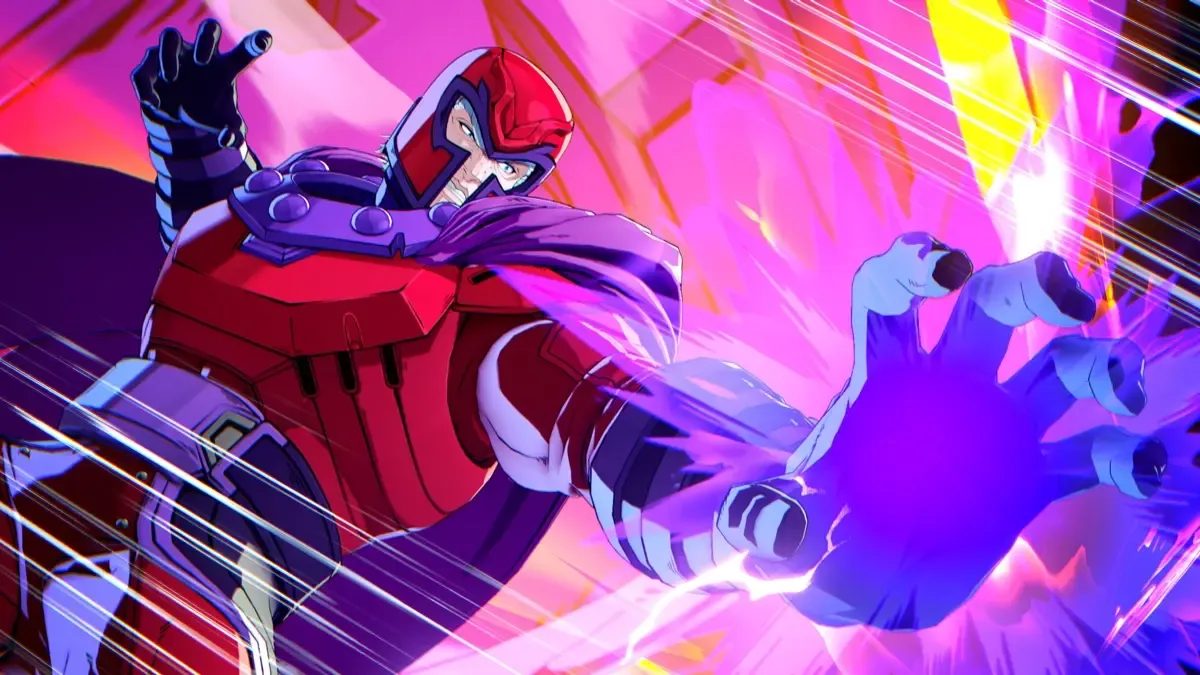
MARVEL Tōkon: Fighting Souls is facing renewed scrutiny over its PC performance after users reported that an unauthorized modified build can maintain a much more consistent 60 FPS than the official Steam release on the same hardware. The reports have fueled speculation that background systems associated with Easy Anti Cheat and PlayStation integration may be contributing to the game's unusually high CPU load, although there is currently no controlled technical analysis proving either component is solely responsible for the performance difference.
MARVEL Tōkon launched on August 6, 2026 for PlayStation 5 and PC, but the Windows version immediately attracted complaints involving inconsistent frame rates, micro stuttering, crashes, CPU utilization, and rollback problems during online matches. The situation is particularly problematic for a fighting game because battle speed is designed around a locked 60 FPS, meaning performance drops can directly affect gameplay timing and online synchronization. The official Steam page specifically advertises battles running at a locked 60 FPS, with the recommended configuration requiring an Intel Core i7 8700 or AMD Ryzen 5 3600X, 16 GB RAM, and either an NVIDIA GeForce RTX 3070 8 GB or AMD Radeon RX 7600 XT 16 GB.
Community reports surrounding the modified version claim substantially different behavior. One user reportedly moved from significant performance issues during the official PC release to an almost completely stable 60 FPS at maximum settings, with only occasional stuttering during menus and certain super attacks. Another comparison reported approximately 34% CPU utilization on an Intel Core i7 6700K with the unauthorized build compared with around 57% using the retail version on the same processor. Other players similarly reported maintaining 60 FPS with CPU and GPU utilization around 40% to 50% where the official version could fall toward approximately 45 FPS. These remain individual community observations rather than standardized benchmark results.
The official Steam version is confirmed to use kernel level Easy Anti Cheat, and Steam notes that the software requires manual removal after the game itself is uninstalled. Online functionality also requires an internet connection and a linked PlayStation account. Those additional systems have naturally become targets of community speculation, but there is no official evidence from Sony or Arc System Works confirming that Easy Anti Cheat or PlayStation services are the primary source of the remaining performance problems.
This distinction is important because the PC version already had documented optimization problems unrelated to any confirmed DRM bottleneck. Arc System Works released a performance update on August 10 that reduced CPU load, fixed a bug responsible for sudden performance drops, and improved crash reporting. Players generally reported substantial improvements afterward, although some systems continued struggling to maintain the 60 FPS target.
"Reduced CPU load to help improve overall responsiveness and reduce lag related issues."
— Quote by: MARVEL Tōkon: Fighting Souls
The patch also addressed unnecessary audio input checks and periodic audio processing that could increase CPU load during matches, demonstrating that at least part of the original performance problem came directly from game level processing rather than necessarily from anti cheat software. Even after those fixes, however, reports of inconsistent frame rates remain, and the unauthorized build comparisons have reopened questions about how much additional overhead exists around the retail executable.
Steam User Reviews
Marvel Tōkon| Review Type | Steam Rating | Review Count |
|---|---|---|
| English Reviews | 3,619 reviews | |
| All Languages | 4,325 reviews |
The situation has had a measurable effect on the game's reception. At the time of writing, MARVEL Tōkon remains rated Mixed on Steam, with only 46% of 3,619 English language reviews positive. The criticism is not exclusively performance related. Players have also objected to the PlayStation account requirement for online features and the game's kernel level anti cheat implementation, particularly because it prevents normal compatibility with Linux and SteamOS environments.
The disappointing PC reception is especially unfortunate because the underlying game has generally received stronger feedback than the technical implementation. MARVEL Tōkon is Arc System Works' 4 versus 4 Marvel fighter featuring 20 characters at launch, dynamic tag mechanics, Episode Mode, local multiplayer, ranked and casual online play, and lobbies supporting as many as 64 players.
PC performance is particularly important because MARVEL Tōkon was also missing from NVIDIA's August GeForce NOW lineup, meaning players currently cannot rely on NVIDIA's cloud infrastructure as an alternative way to run the demanding PC version.
The unauthorized build performing better is embarrassing for the official PC release, but the available evidence does not justify declaring that Easy Anti Cheat or PlayStation integration alone is responsible. Community comparisons are useful signals, not controlled performance analysis, and Arc System Works has already identified unrelated CPU inefficiencies inside the game itself.
What matters is the experience delivered to paying customers. A competitive fighting game advertising locked 60 FPS battles needs to maintain that target consistently because frame rate directly affects input timing, animations, rollback behavior, and online competition. If removing some of the retail version's background components genuinely reduces CPU utilization substantially, Sony and Arc System Works should investigate exactly where that overhead originates.
The bigger problem is perception. Protection software is supposed to defend the commercial product, but when unauthorized copies are reported to deliver smoother performance than the version purchased for 59.99$, legitimate players understandably question whether those protections are benefiting them at all.
Should Sony and Arc System Works reconsider MARVEL Tōkon's anti cheat and background services if further testing confirms they are affecting performance, or are those systems necessary for competitive online play?
