
UK Video Game Retailer GAME to Close Its Last 3 Standalone Stores
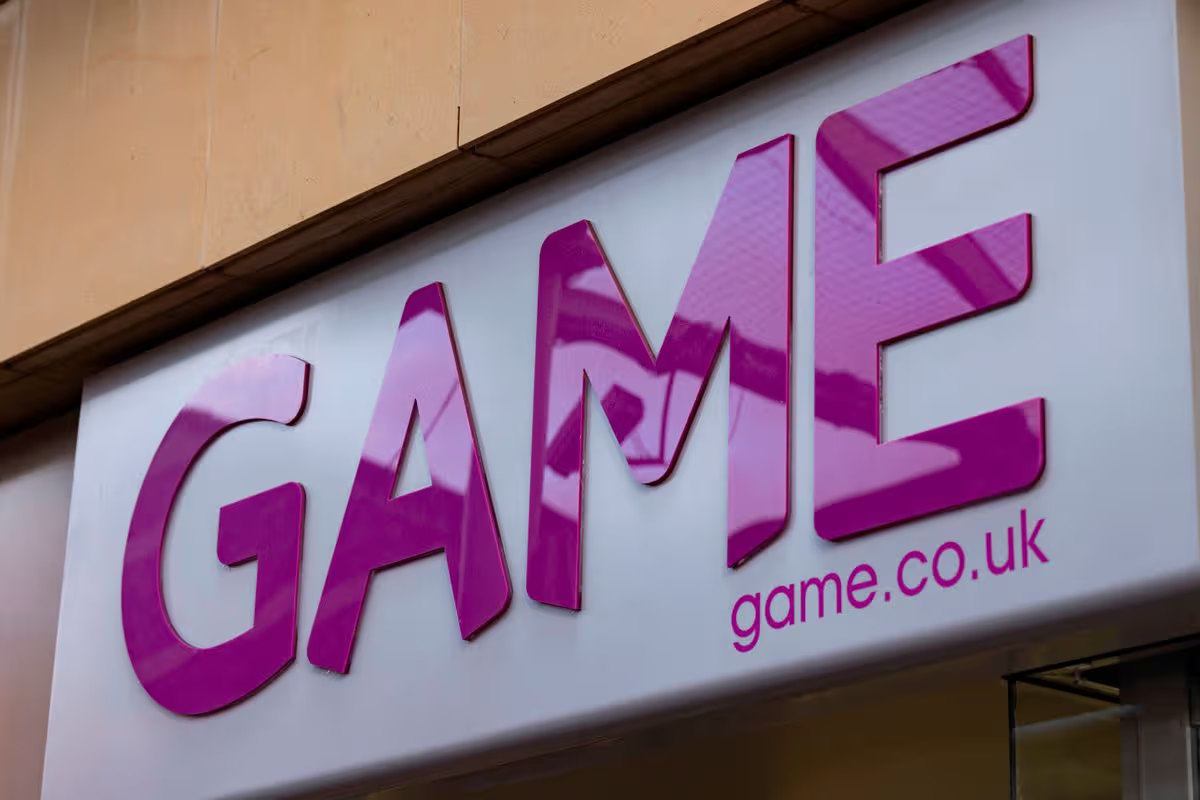
The era of the dedicated video game retail chain keeps shrinking, and the United Kingdom is now losing a major piece of that legacy. UK video game retailer GAME is set to close its last 3 remaining standalone stores after creditors were informed the business would be entering administration, the UK term used for an insolvency process tied to bankruptcy protection and restructuring.
The story broke after Bloomberg reported that Frasers owned GAME had signaled it was on the brink of collapse. A few days later, The Game Business reported that the final 3 standalone locations would be shut down, effectively ending GAME’s presence as a traditional street level, gaming dedicated chain. The retailer is expected to keep operating its website, and UK players will still find GAME branded locations inside larger Frasers Group owned stores as concessions, but the standalone storefront era is ending.
That shift did not happen overnight. Since Frasers Group acquired the business in 2019, GAME has repeatedly narrowed what it offers in stores, cutting away at the very features that kept a physical retailer sticky for players. In January 2024, GAME was reported to be ending video game trade ins, a core driver of repeat foot traffic and impulse buys. Eurogamer covered the move. In April 2024, it was also reported that GAME was braced for redundancies, part of a wider internal retrenchment. GamesIndustry.biz report on redundancies Later, in July 2024, reporting indicated GAME would be dropping in store pre orders, another major pillar for collectors and day one buyers. GamesIndustry.biz report on in store pre orders
Even if those decisions were framed as necessary cost control, together they gutted the traditional retail loop that kept a chain like GAME distinct from general electronics outlets. Trade ins drive returns. Pre orders drive recurring visits and predictable launch week revenue. When those pillars disappear, a store starts to feel more like a merch corner than a platform for gaming culture.
The wider market dynamics are not subtle either. Many players still love physical games, especially collectors editions and gifting, but the center of gravity has moved hard toward digital libraries. Steam on PC, plus the console platform stores, have made buying digital the path of least resistance for most players, and that convenience compounds every year. Dedicated retailers around the world have been forced into closures and layoffs as the business model tightens.
What makes GAME’s situation sting more is the confidence the company projected not long ago. In 2023, GAME Managing Director Nick Arran pushed back on the idea that the retailer would pivot away from games, telling GamesIndustry.biz that gaming was still the core business, and he positioned collector editions as the vinyl of video games. 3 years later, it is hard to square that messaging with a future where the chain has no standalone stores at all.
The reality is that GAME is not vanishing in one single click. Concessions and online operations can keep the brand alive in the short term. But losing the last standalone stores is more than a footprint change. It is a signal that the classic dedicated retail model for games is becoming an endangered format in the UK, and players who grew up browsing shelves, reserving launch copies, and trading games to fund the next purchase are watching a chapter close in real time.
For UK players, what will you miss more: trade ins, midnight launches, or simply having a gaming only store you could walk into and browse?
