
Samsung Confirms 2026 OLED TVs and Odyssey Monitors Will Be NVIDIA G Sync Compatible
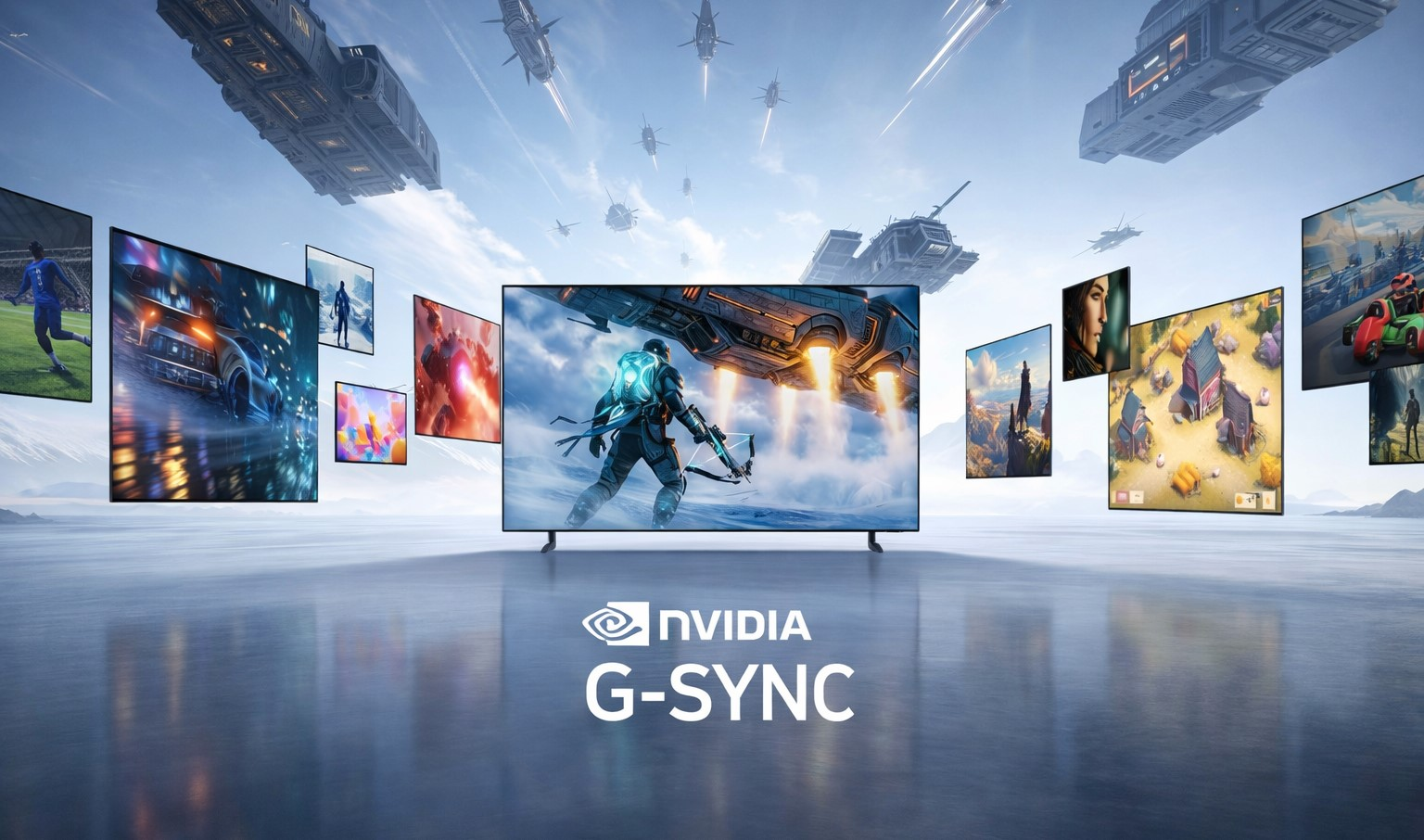
Samsung Electronics has confirmed that its 2026 OLED TV lineup and its latest Samsung Odyssey gaming monitors will be NVIDIA G Sync compatible, a meaningful quality of life upgrade for players who want smoother motion and reduced screen tearing without needing to overthink settings every time they switch games or platforms.
The company had already introduced these OLED displays at CES, but the official confirmation of G Sync compatibility arrives via a dedicated press release that positions this as part of Samsung’s broader push to deliver a consistent, high refresh, low friction gaming experience across TV and monitor categories.
Samsung’s core message is simple. G Sync compatibility means the display refresh rate can synchronize with your GPU frame output to reduce tearing and improve perceived smoothness, which matters even more in fast camera movement scenarios like competitive shooters, racing games, and action heavy RPGs. This is especially relevant in 2026, when more players are mixing PC gaming setups with living room OLED play, and want one display ecosystem that just works.
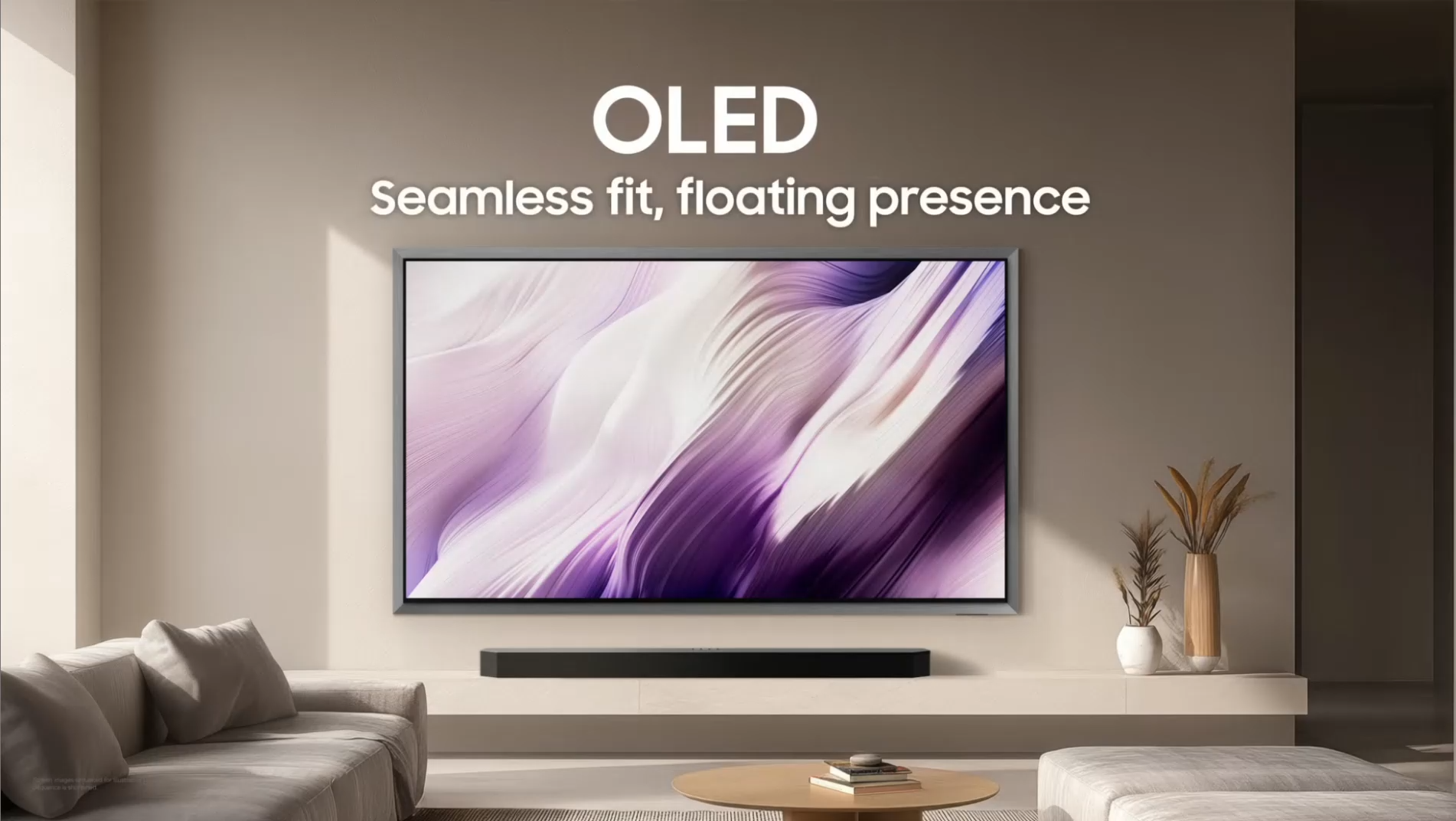
Samsung confirms G Sync compatibility for the 2026 OLED TV lineup models S95H, S90H, and S85H.
The S95H is positioned as the flagship option, including a 48 inch model and up to 165 Hz refresh rate. Samsung also highlights built in Dolby Atmos and Object Tracking Sound features as part of the premium experience stack. The S90H also reaches 165 Hz, but is positioned slightly below the S95H in brightness and overall feature set. The S85H steps down to up to 120 Hz refresh rate while still staying in the high end OLED tier for players who want OLED contrast and strong motion performance.
In addition to G Sync compatibility, Samsung states these TVs also support AMD FreeSync Premium Pro, giving users flexibility across both major VRR ecosystems depending on whether they are running GeForce or Radeon hardware.
Samsung also calls out HDR improvements across the 2026 OLED TV range, specifically HDR10 Plus Advanced, aimed at better brightness, contrast, and motion clarity. For gamers, that typically translates into improved highlight handling in HDR titles and a cleaner look during fast motion, assuming the game and platform output are configured properly.
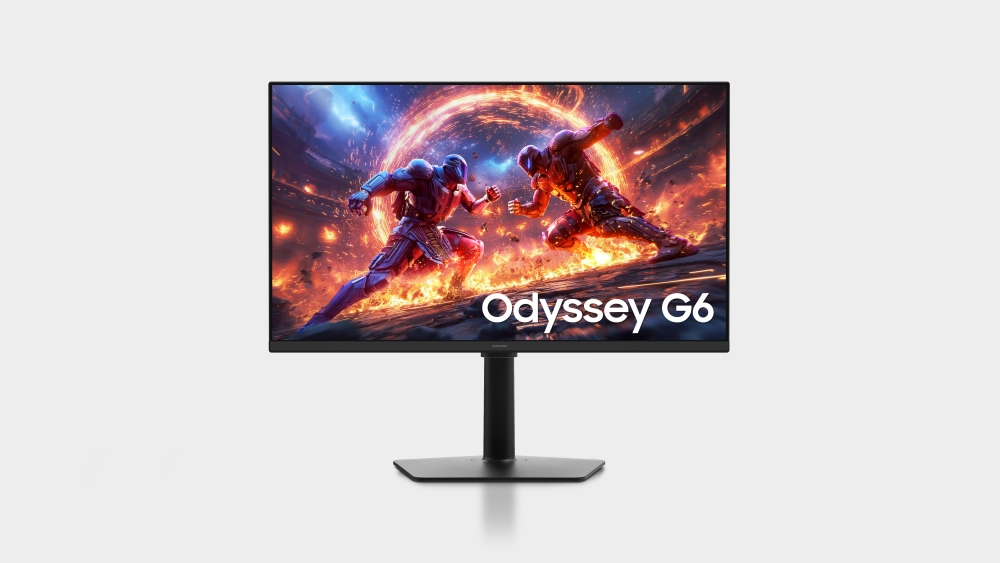
On the monitor side, Samsung confirms G Sync compatibility for the recently launched Odyssey G6 models, including G60H and G61SH.
Samsung positions the G60H as the headline spec monster with a 27 inch panel and up to 1040 Hz refresh rate in an HD at 1040 Hz mode, while also supporting QHD at 600 Hz for players who want higher clarity with still extreme refresh. That is a competitive esports focused configuration aimed at players who prioritize motion clarity and responsiveness above all else.
The G61SH is presented as the more cost effective option, with QHD at 240 Hz, a spec tier that fits what most competitive and enthusiast players realistically target for daily use. Both monitors are said to include HDR10 Plus gaming support alongside G Sync compatibility.
This announcement is not about a single new feature. It is about reducing friction across the entire gaming display stack. When VRR support is consistent and officially validated, players get fewer edge case issues like intermittent tearing, flicker, or odd refresh behavior when frame rates fluctuate. For competitive players, it is also about maintaining visual stability during rapid camera movement, where tearing can be distracting and sometimes genuinely disruptive.
If Samsung executes well on firmware tuning and VRR behavior across real world PCs and consoles, the 2026 OLED TV and Odyssey monitor lineup could land as a strong one stop ecosystem for players who want both living room immersion and desk level competitive performance, without having to compromise on smoothness.
If you could only pick 1 upgrade for your next display, would you prioritize higher refresh rate, better HDR performance, or the most stable VRR experience with G Sync and FreeSync support?
