
DRAM Prices Could Nearly Double in Q1 2026 as Hyperscalers Lock in Server Allocations and Suppliers Push Aggressive Contract Hikes
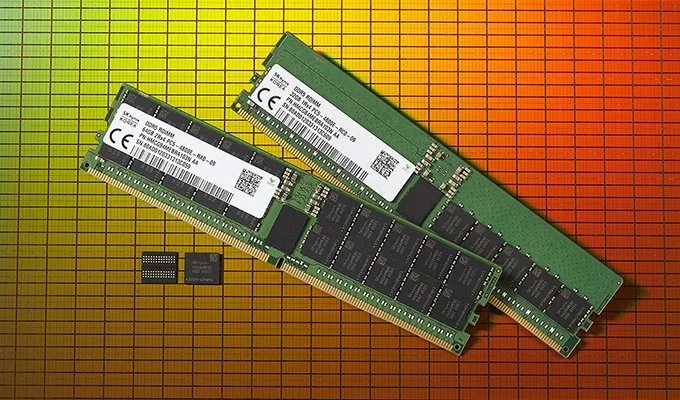
The DRAM market is entering another high pressure quarter, and this time the warning signs are coming straight from the contract negotiation table. According to a new update being circulated from DRAMeXchange coverage shared by Jukan, memory suppliers and hyperscalers are still in active price negotiations, but early signals suggest the next set of contract prices could land at levels that will shock the broader PC and gaming ecosystem. The key headline is that Micron has reportedly become the first supplier to submit an initial proposal, and it includes a contract pricing increase of 115% to 125% versus Q4 2025.
If this trajectory holds, it reinforces what many buyers already feel on the ground: DRAM is currently a seller’s market. Hyperscalers and AI infrastructure demand are pulling supply forward through long term agreements, and the volume leverage that used to exist for traditional PC and consumer channels is shrinking fast. In practical terms, allocations are increasingly optimized for server DRAM, not for retail friendly client memory volumes, especially while the PC market is reporting weaker year over year shipment momentum.
TrendForce is also expecting a steep quarter, with DRAM prices projected to rise by 90% to 95% in Q1 2026, which aligns with the broader narrative that pricing is being re rated upward across both contract and spot markets. If spot pricing accelerates in parallel and approaches a near doubling inside a single quarter, consumer impact becomes difficult to avoid, particularly during a platform cycle where new laptops built around Intel Panther Lake and AMD Gorgon Point are moving into the market and competing for BOM stability.
For gamers and DIY builders, this kind of DRAM inflation does not stay isolated to DIMMs. It typically propagates into adjacent memory categories and system costs. If mainstream DRAM pricing resets upward this aggressively, the downstream pressure on GDDR supply and pricing becomes a serious concern, especially in a GPU market that already struggles with affordability and availability during demand spikes. Even if the retail channel is not the primary buyer segment, retail almost always inherits the price behavior because suppliers prioritize higher margin, higher volume, and longer duration commitments first.
The longer runway risk is that this is not a short event. Micron has indicated its fab buildout trajectory will not meaningfully impact supply until 2028, and suppliers across the industry remain cautious about aggressively ramping DRAM production. That caution makes sense from a business standpoint since memory makers have been burned before by overexpansion and rapid price collapses. But it also means shortages and elevated pricing could persist for multiple quarters, keeping pressure on both consumer electronics and AI infrastructure buildouts simultaneously.
The net takeaway for readers is straightforward. If you are planning a PC build, a laptop upgrade, or even timing purchases around the 2026 hardware cycle, pricing volatility is likely to be a major theme of Q1 2026. This quarter is shaping up to be less about new product excitement and more about allocation power, contract leverage, and who gets priority access to supply.
Are you planning to buy memory or a new build in Q1 2026, or are you waiting for pricing to stabilize even if it means skipping the early Panther Lake and Gorgon Point wave?
