
Two New Reddit Reports Claim Ryzen 7 9800X3D Failures, Both On ASUS X870E Motherboards With Q Code 00 Symptoms
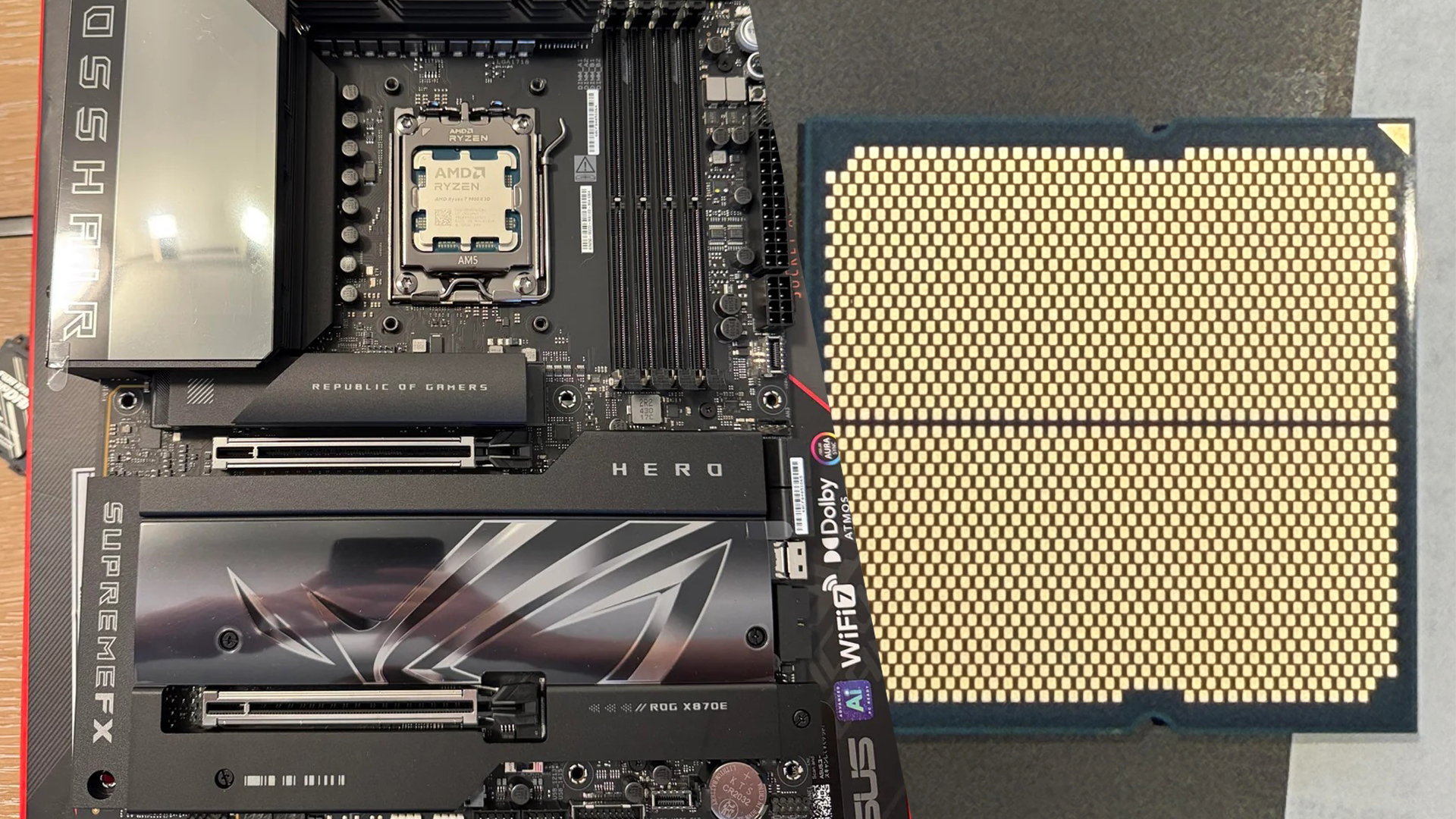
Fresh community reports are again raising concerns around AMD Ryzen 7 9800X3D stability and outright failures, with 2 new Reddit posts describing systems that suddenly stopped booting and displayed ASUS Q Code 00 behavior that users commonly associate with CPU detection or initialization failure. While these are still anecdotal cases and not confirmed root cause analysis, the pattern is notable because both reports point to high end ASUS X870E class motherboards and similar failure symptoms within a short timeframe, which naturally increases anxiety for enthusiasts running premium AM5 builds.
The first report comes from user u rahfikiruckus in a post titled 9800x3d died yesterday on the rahfikiruckus Reddit post. The user describes playing Arc Raiders for several hours, returning to a fully frozen PC with no mouse or keyboard response, then rebooting into a no post situation where the board showed Q Code 00. They also shared an image of the CPU with no obvious burn marks or bulging, and claim a replacement CPU worked flawlessly in the same setup, which strongly suggests a dead processor even without visible damage.
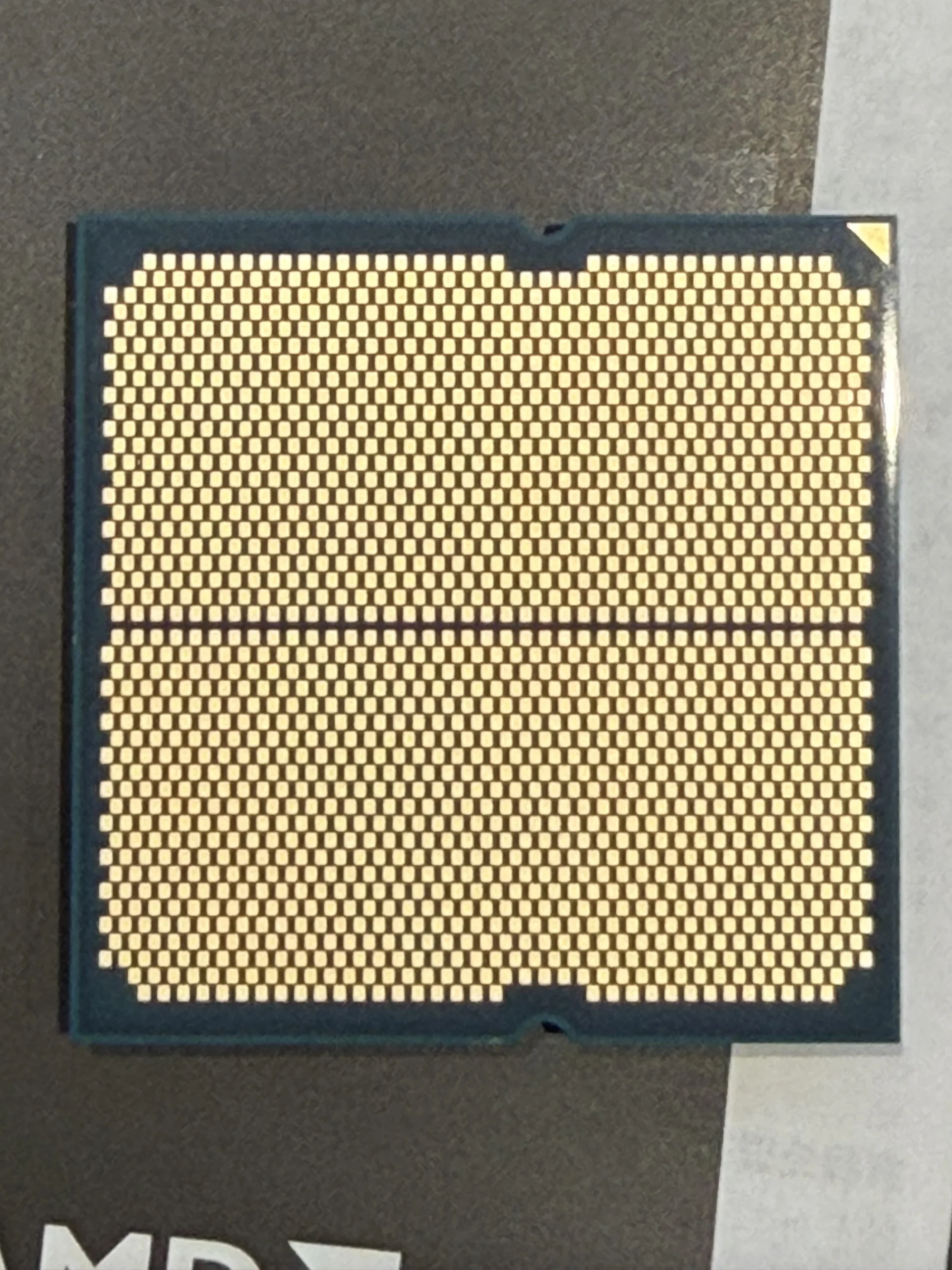
The second report comes from user u Ap0llo in the ASUS subreddit, posted as 9800X3D dead after 1 year on the Ap0llo Reddit post. In that case, the user says the system ran fine for roughly 1 year on an ASUS ROG Strix X870E E Gaming motherboard before an unexpected black screen event and Q Code 00 behavior. They claim a local repair shop confirmed the CPU was dead and further stated they had seen over 20 similar cases, a detail that is impossible to verify from the outside but still alarming because it suggests the issue may not be isolated to a single unlucky unit.
What makes these reports resonate is not just the failure itself, but the lived experience around it. For high end builders, a sudden no post scenario is more than an inconvenience. It is downtime, RMA friction, and uncertainty about whether the next chip will be safe under the same BIOS, memory profile, and power delivery configuration. Even if replacements are provided, the operational cost can be significant, especially for creators, competitive gamers, and small teams who rely on their PC as a daily driver.
From a market and platform perspective, the situation highlights a critical gap in confidence. When community narratives converge around the same platform tier and the same error symptom, it creates perception risk for both CPU and motherboard partners, regardless of whether the underlying cause is silicon variance, firmware behavior, voltage management, memory training edge cases, or simple coincidence amplified by volume. If AMD and board vendors want to protect the AM5 enthusiast value proposition, the priority should be transparency, reproducible diagnostics, and clear mitigation guidance, not just replacement throughput.
For readers running Ryzen 7 9800X3D on X870E boards, the most practical risk management move is documentation. Keep a record of BIOS version, memory settings, and any overclocking or undervolting behavior, so that if a failure occurs, you can streamline support conversations and reduce back and forth time. The community also benefits if posts include stable system history, temperature behavior, and whether issues happened under load, idle, or sleep wake transitions, since those details can help narrow patterns without turning speculation into certainty.
Are these isolated incidents amplified by the popularity of 9800X3D builds, or early warning signals of a platform level edge case that still needs a real mitigation plan?
