
AMD & Intel Are Reportedly Considering to Raise Server CPU Prices by Up to 15%
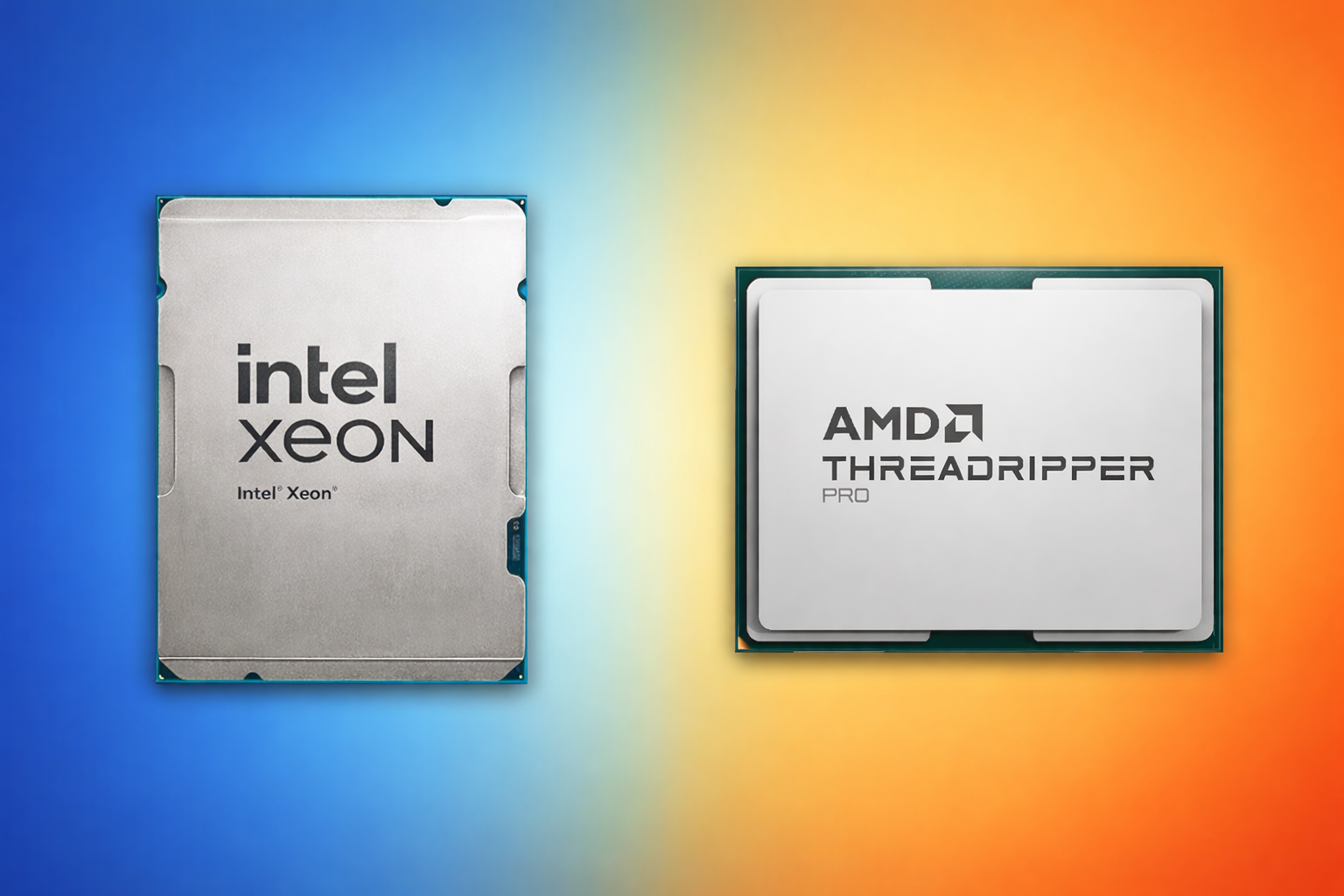
Hyperscaler demand tied to the ongoing AI buildout is now putting classic server CPUs back in the spotlight, and a new estimate attributed to KeyBanc suggests both AMD and Intel have effectively sold through their 2026 server CPU inventories. The claim was shared publicly via Jukan on X, with the key takeaway being that hyperscalers are ramping deployments fast enough that current year supply is getting tight, even before the next wave of platform transitions fully lands.
If that estimate holds, it frames 2026 as a capacity and pricing year for general purpose compute, not just accelerators. The note suggests AMD and Intel could raise server CPU pricing by up to 15% as they try to balance supply with demand and keep allocation stable for top customers. That type of upward price pressure is consistent with what happens when hyperscalers lock in volume early, leaving smaller enterprise buyers and channel partners competing for fewer units at less predictable lead times.
The bigger strategic signal is that hyperscalers are reportedly entering an upgrade cycle, meaning they are actively swapping out older CPU generations across existing rack architectures in favor of newer platforms like AMD EPYC Turin and Intel Xeon Granite Rapids. This matters because it turns CPU refresh into a repeatable, multi quarter revenue engine. When hyperscalers move in waves, they do not just buy chips, they pull demand across validation, BIOS and firmware enablement, platform qualification, memory population rules, and rack level power and thermal planning. In other words, it becomes a full stack cycle, and server CPUs become a high leverage lever again.
Keybanc: Data Center/Server Key Takeaways
— Jukan (@jukan05) January 14, 2026
1. General Server Demand & CPU Outlook
Demand for general servers is surging, driven by massive demand from Hyperscalers, with most 2026 volumes for both AMD and Intel (INTC) already sold out. General server demand continues to hit…
KeyBanc also projects server CPU shipments could rise by up to 25% in 2026, which would represent a meaningful step up in total unit flow. Even with AMD already gaining share in data center, the note implies the revenue opportunity is strong across the board because the upgrade cycle expands the overall pie, not only the slice owned by a single vendor. For AMD, continued momentum with EPYC would reinforce its position as the default choice for many hyperscaler CPU nodes. For Intel, the timing is particularly important because its AI accelerator business has been under pressure, and stronger Xeon demand would give Intel a clearer path to stay deeply embedded with hyperscaler procurement, even if accelerator attach rates are still evolving.
Looking further out, the report context also points at AMD planning EPYC Venice on 2nm in H2 2026, which could become a disruptive next step if performance per watt and platform level economics land where hyperscalers need them. The real competitive battleground will be total cost of ownership across CPU nodes, memory compatibility and capacity scaling, and the ability to deliver predictable supply at hyperscaler volume.
For the broader ecosystem, the practical implication is simple. If hyperscalers are truly pulling forward server CPU supply in 2026, everyone else should expect tighter allocation, higher pricing, and more aggressive platform planning requirements. Enterprise and workstation class buyers should treat BIOS maturity, memory QVL coverage, and long lead procurement as first class risks, not afterthoughts.
Do you think hyperscalers will prioritize CPU refresh for general compute first, or will most budgets stay locked on GPUs with CPUs treated as secondary capacity filler?
