
TSMC Supply Constraints Are Forcing Fabless Chipmakers to Diversify, With Samsung Foundry Emerging as a Key Alternative
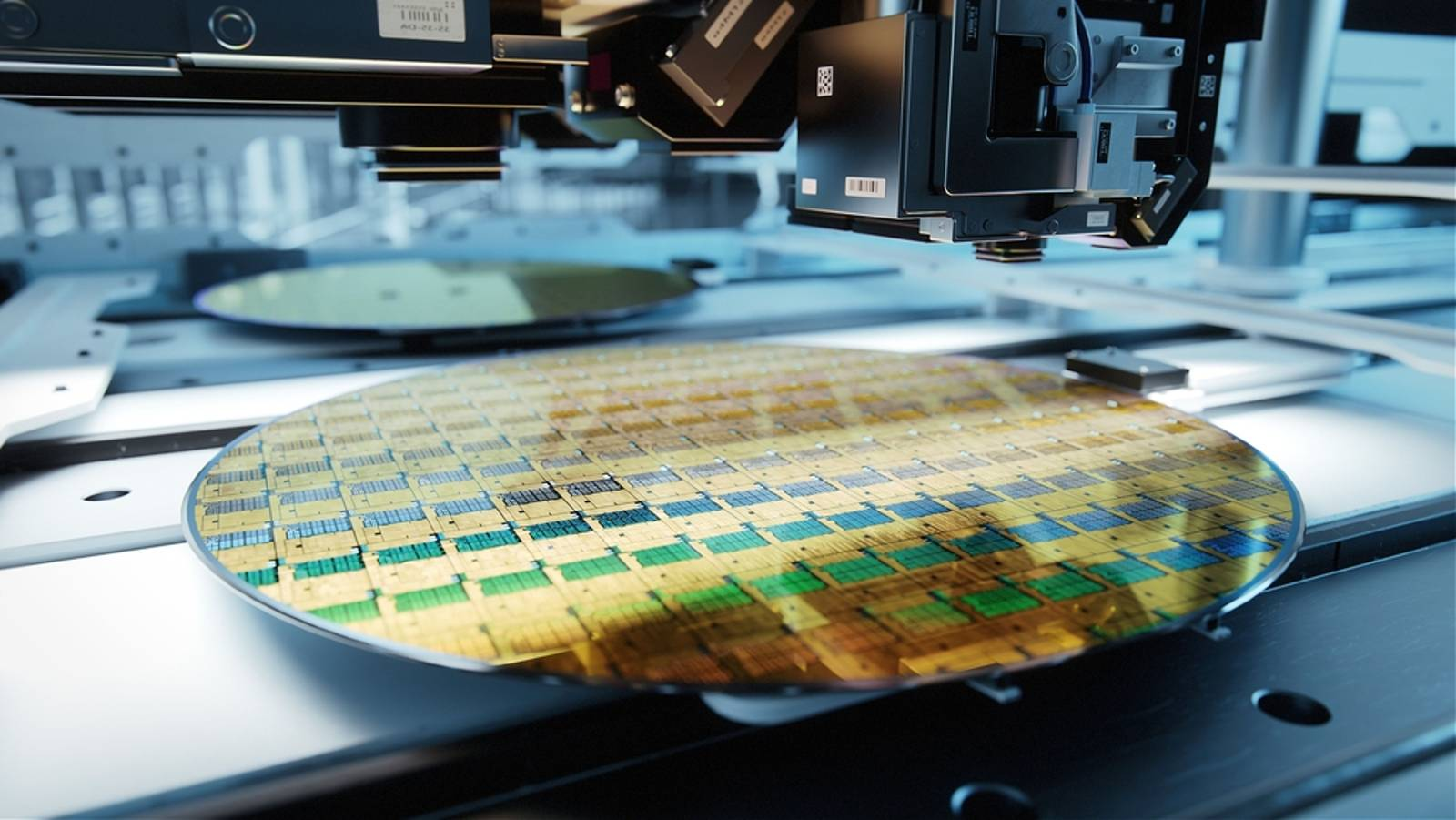
TSMC’s production lines remain under sustained pressure as leading edge demand continues to surge across mobile, AI, and high performance computing. With advanced node capacity increasingly difficult to secure on ideal timelines, a new industry dynamic is becoming more visible: fabless companies are actively exploring second source foundry strategies to reduce schedule risk and improve supply chain resilience.
A Korean media report from Sedaily indicates that companies such as Meta, Qualcomm, and AMD are now evaluating Samsung Foundry for future products, driven by a combination of capacity constraints at TSMC and rising costs associated with TSMC’s 2 nm process ramp. In practical terms, this reflects a classic demand overflow scenario where the market leader’s saturation creates an opening for the number 2 player to win incremental share, especially when customers prioritize time to market and predictable allocation over absolute best in class process leadership.

TSMC is widely viewed as the most customer aligned advanced foundry, but even the most efficient supply model hits a ceiling when demand spikes across multiple segments at once. When delivery windows tighten, fabless roadmaps face cascading impacts: product validation timelines slip, platform partners lose synchronization, and launch windows become harder to defend against competitors. For many companies, the business risk of waiting can outweigh the engineering risk of qualifying an alternative foundry path.
The Sedaily report frames this as a direct consequence of surging orders and price increases at the most advanced nodes, pushing customers to diversify. This is less about abandoning TSMC and more about creating a portfolio approach: split risk across suppliers, maintain optionality, and strengthen negotiating leverage.
Per the report, Meta is reportedly looking at Samsung Foundry as a potential manufacturing option for MTIA ASICs, with SF2 being mentioned as a possible target based on Samsung’s progress. Qualcomm and AMD are also described as rumored customers, which, if it materializes, would be strategically significant for Samsung because it signals external validation from performance sensitive silicon designers that are typically selective with leading edge manufacturing.
From an industry perspective, even limited volume engagements can be high impact. They help a foundry improve ecosystem readiness, accelerate IP and packaging maturity, and build credibility for broader adoption in later product cycles. Samsung’s near term win condition is not necessarily taking the crown from TSMC, but proving consistent execution, yield stability, and delivery reliability for top tier customers who are under schedule pressure.
The same diversification logic is also lifting interest in Intel Foundry, with the report noting attention around Intel’s 18A and 14A nodes. For United States aligned supply chain strategies, domestic manufacturing capability can be an additional incentive layer beyond pure technical metrics. This is especially relevant as big tech firms increasingly treat semiconductor supply as a strategic resource rather than just a bill of materials line item.
What is emerging is a more pragmatic operating model for fabless manufacturers: treat leading edge capacity as scarce, plan for contingency, and qualify more than one foundry path earlier in the product lifecycle. Over time, this could create a more balanced competitive landscape where Samsung and Intel see higher external utilization, while TSMC continues to dominate but with less of a single point of failure profile across the global ecosystem.
Do you think multi foundry strategies will become the default for flagship chips, or will technical and ecosystem barriers keep most designs tied to a single dominant supplier?
