
MSI MEG X870E GODLIKE X Edition Hits DDR5 8900 CL36 OC With Ryzen 7 9800X3D and Boots DDR5 9100 CL40 With Ryzen 7 9700X
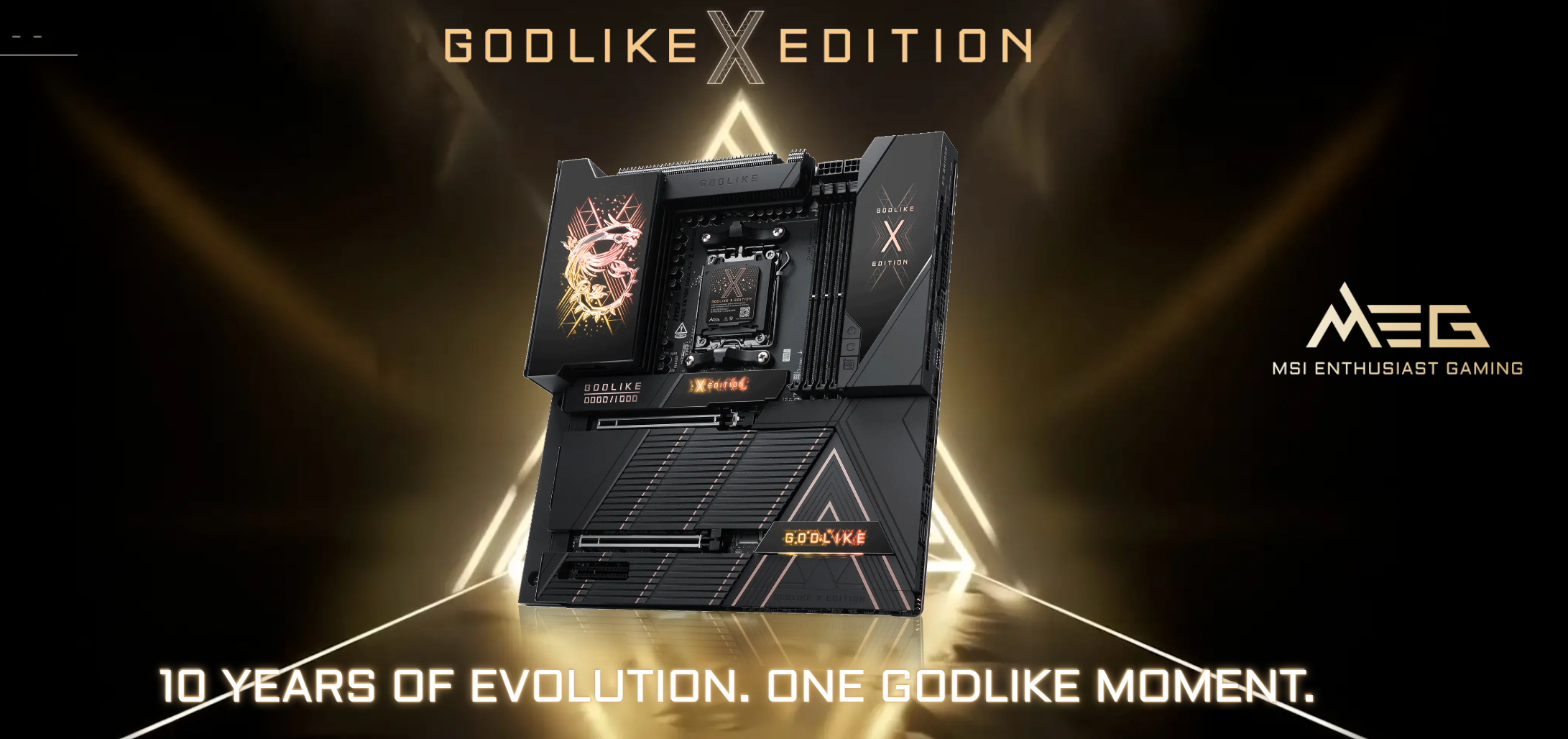
MSI’s MEG X870E GODLIKE X Edition is positioning itself as a true halo tier AM5 motherboard, and fresh community testing is now backing up MSI’s original messaging around extreme DDR5 overclocking headroom. A Bilibili user, 小汤圆Lumi, showcased multiple memory overclocking and validation runs on the board using AMD Ryzen 9000 series CPUs, with results ranging from high frequency stability passes to tighter timing, latency focused tuning that is more directly relevant to real world gaming performance.
The MEG X870E GODLIKE X Edition sits in the ultra enthusiast bracket, with a reported price of {United States 1300 dollars: 1300$} and a limited run of 1000 units, making it a premium product designed for builders chasing the absolute top end of platform capability. MSI previously promoted DDR5 support beyond 9000 MT/s in overclocking scenarios, and these results suggest the board can meaningfully deliver within that territory depending on the CPU and tuning targets.
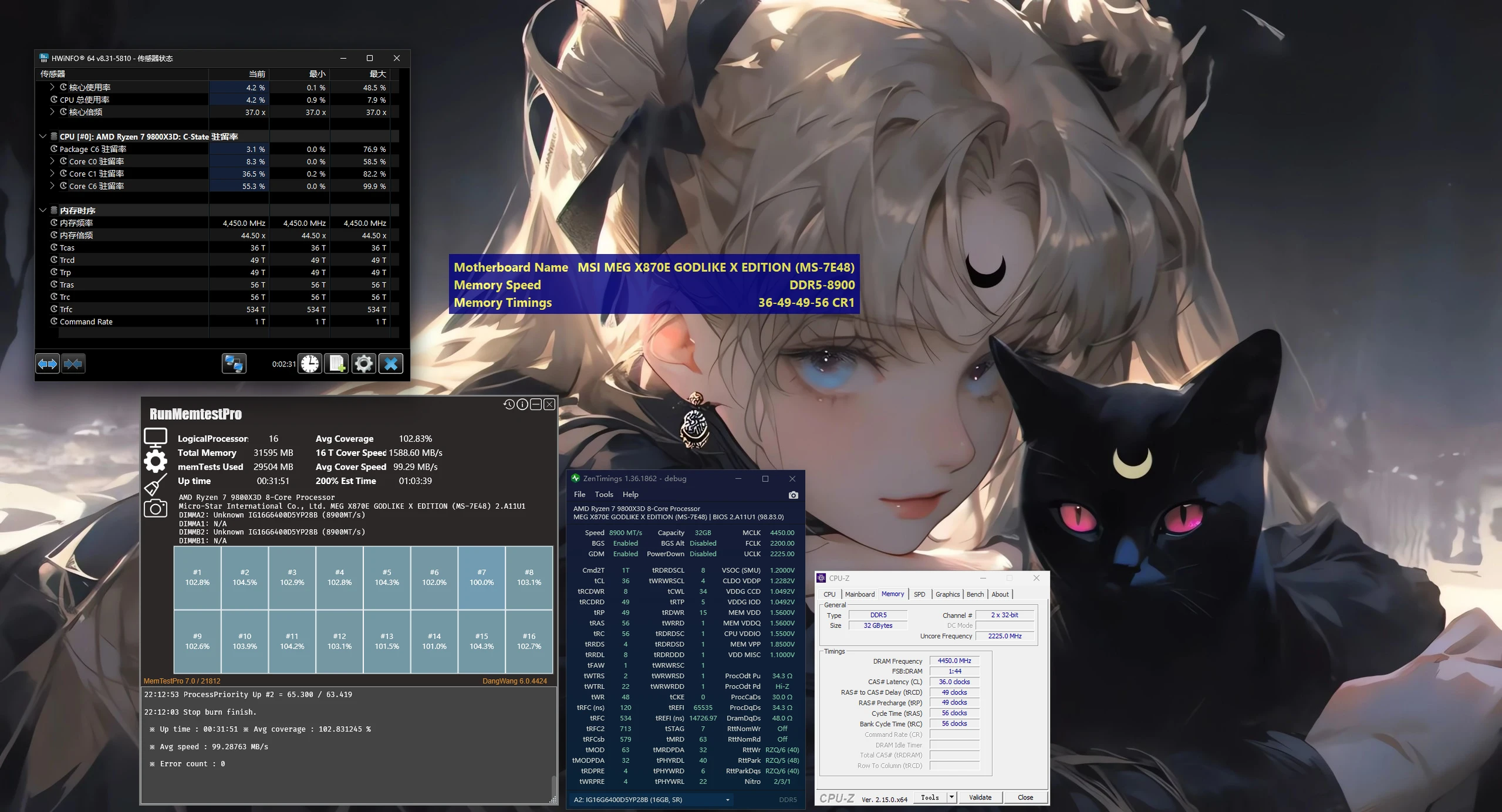
Ryzen 7 9800X3D validation: DDR5 8900 with tight CL36 profile and full burn in pass
In the first configuration, the board was paired with an AMD Ryzen 7 9800X3D and a 32 GB DDR5 kit. The system reached DDR5 at 8900 MT/s using timings of CL36 49 49 56 at CR1 with 1.56 V. Most importantly for the enthusiast crowd, the user reports the kit successfully completed a RunMemtestPro burn in test with no errors, which matters because high frequency screenshots are easy, but error free stability under sustained load is what separates a show build from an actually usable daily configuration.
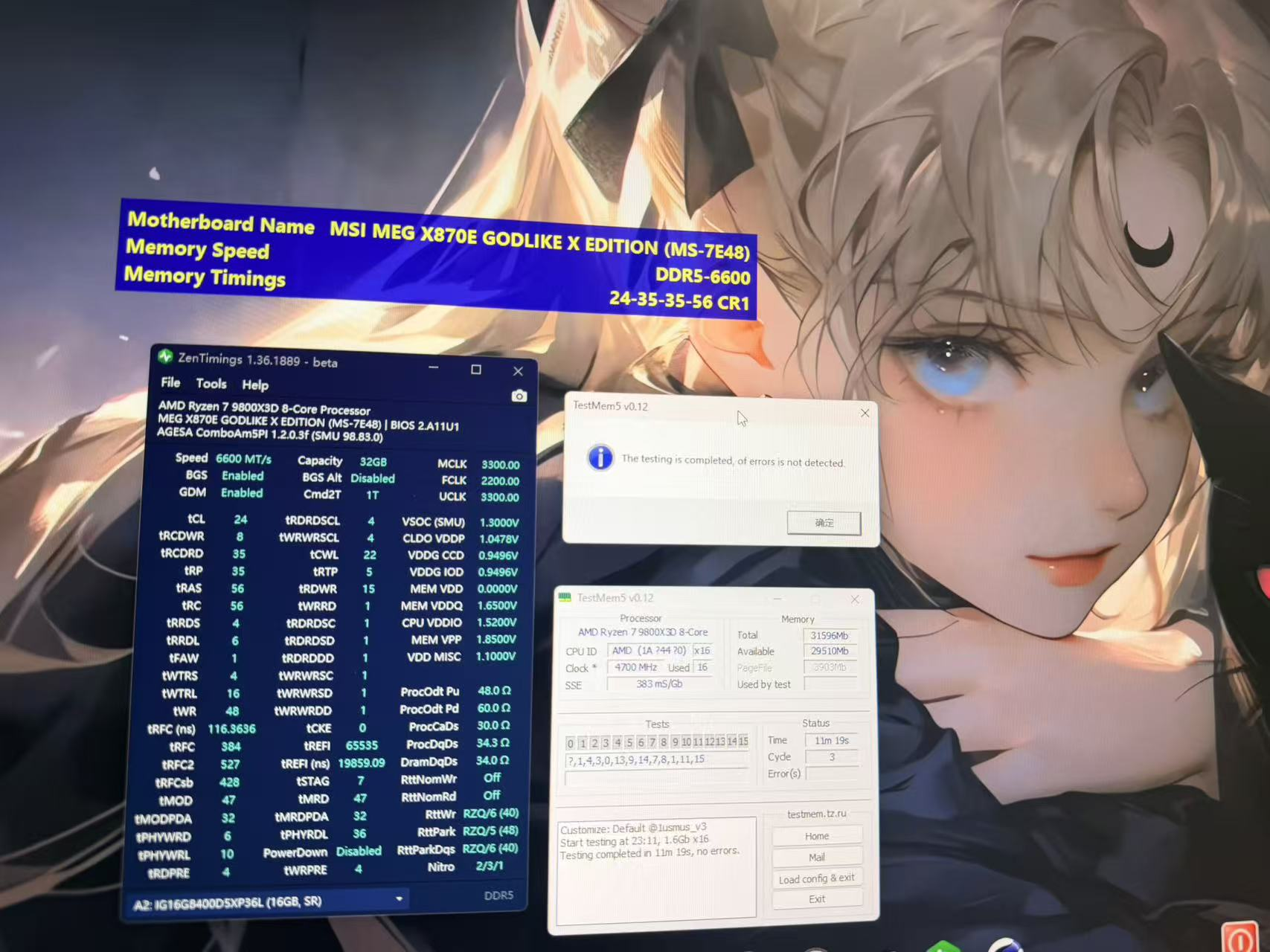
The same CPU and board pairing also demonstrated a low latency direction: DDR5 at 6600 MT/s with timings tightened to CL24 35 35 56 at CR1 with 1.65 V, again passing the burn in test. From a gamer lens, this second result is arguably the more interesting data point because AMD Ryzen 9000 memory scaling tends to reward balanced tuning where latency and stability stay strong, and DDR5 at 6400 MT/s is commonly referenced as a sweet spot for the platform. Running slightly above that at much tighter timings can translate into better frame time consistency in CPU sensitive titles, even if it does not headline the same way as 8900 MT/s does.
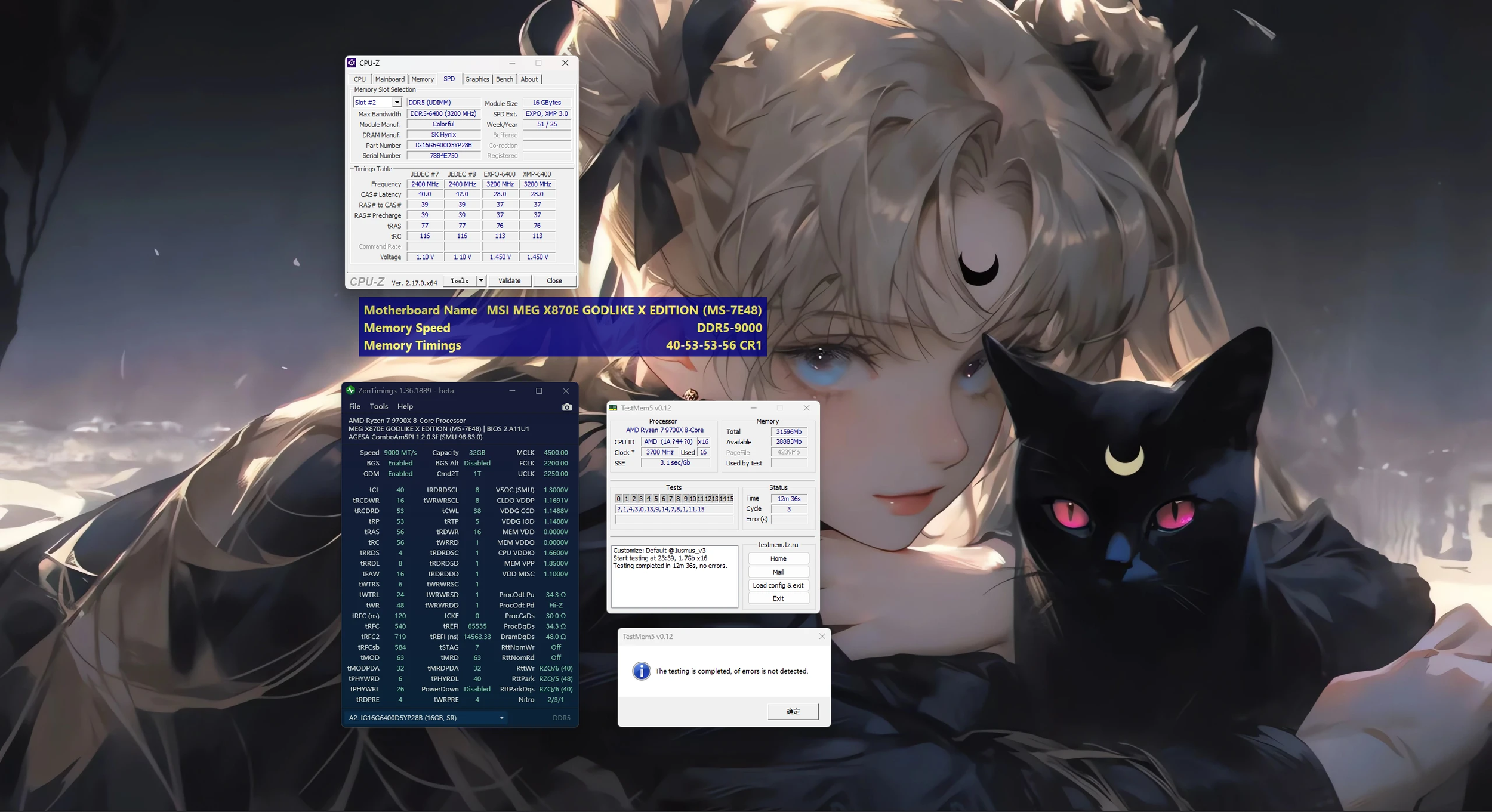
Ryzen 7 9700X boot result: DDR5 9100 and a stable DDR5 9000 burn in completion
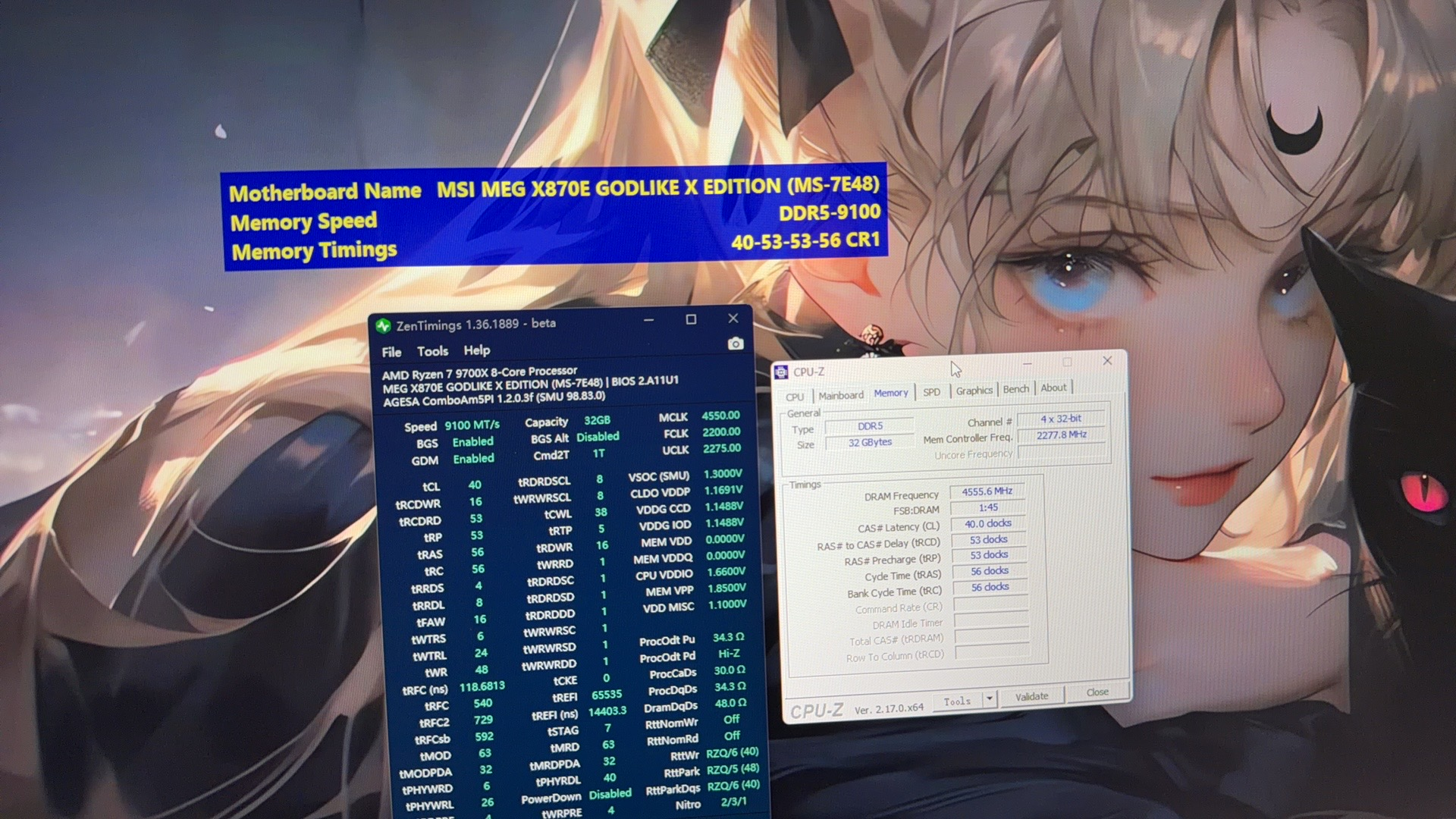
The testing then moved to a Ryzen 7 9700X, and the same 32 GB kit reportedly booted at DDR5 9100 MT/s using timings of CL40 53 53 56 at CR1. For stability validation, the user indicates the memory completed the burn in test at DDR5 9000 MT/s using the same timing set. That combination suggests the platform can reach the 9000 class range with real validation, while the 9100 boot result highlights additional ceiling for experimentation and future firmware tuning.
Forward looking platform impact: AGESA maturity and future DDR5 module support
These results also land in a period where AM5 memory behavior continues to evolve through BIOS and AGESA updates. As board vendors refine training algorithms and compatibility, it is reasonable to expect more consistent high frequency stability and easier tuning workflows over time, especially on flagship boards built with stronger signal integrity targets. There is also ongoing industry direction toward next generation DDR5 module standards such as CUDIMM support on future AM5 boards, which could further shift what is considered normal for high speed memory operation in upcoming Ryzen generations.
For builders and reviewers, the practical takeaway is simple: the MEG X870E GODLIKE X Edition is showing both headline frequency capability and validated stability runs, and the dual approach of extreme MT/s and tight timing profiles makes it relevant to both benchmark chasers and gamers who care about consistent lows, not just peak numbers.
