
Chinese Chipmaker Zhaoxin Confirms KX 8000 CPUs With 4.0 GHz, DDR5 and PCIe 5.0 Support, Positioning Against AMD Zen 4
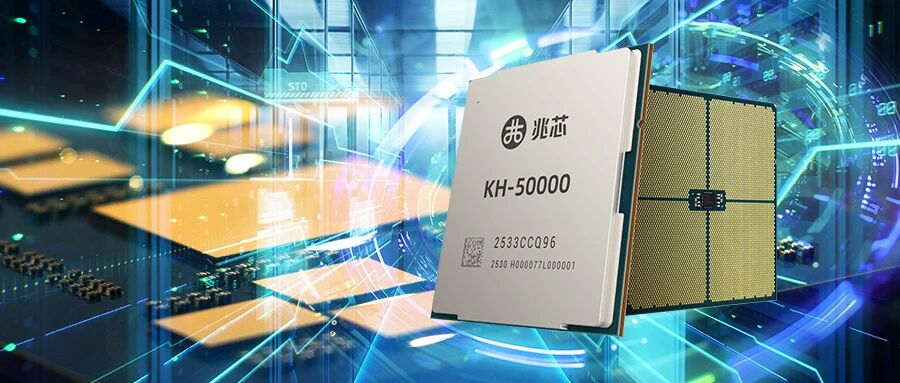
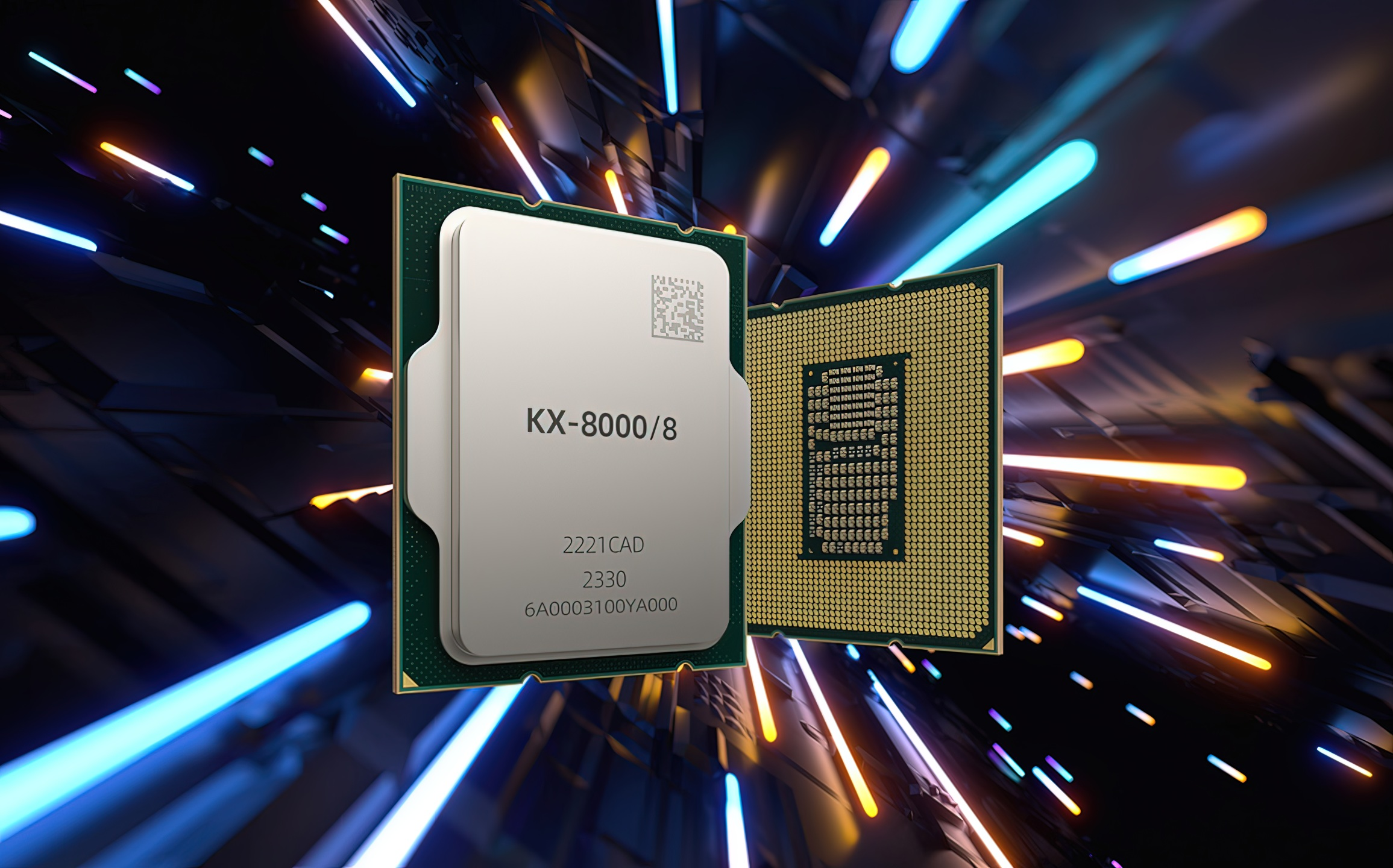
China based x86 CPU vendor Zhaoxin has confirmed it is preparing its next generation KaiXian KX 8000 consumer CPU series, signaling a meaningful platform uplift that targets higher performance PCs and embedded deployments with modern I O, higher clocks, and a stronger integrated graphics focus.
In its official statement, Zhaoxin says the KaiXian KX 8000 is positioned as a high performance PC and embedded processor with significantly improved performance, a main frequency reaching 4.0 GHz, support for high performance integrated graphics, and mainstream international I O including PCIe 5.0 and DDR5. The company frames the launch as part of its 2026 innovation cycle and ties the product to broader industry digitalization goals, which is a familiar enterprise narrative but still a notable signal that Zhaoxin intends to push beyond incremental upgrades.
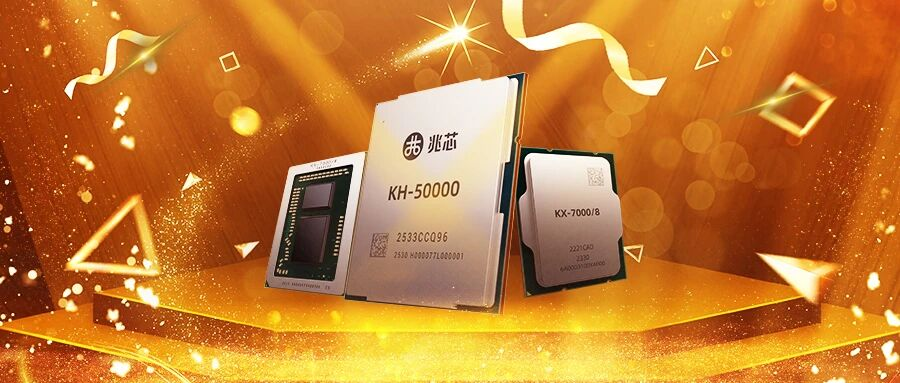
For context, Zhaoxin’s prior KX 7000 generation launched in 2023, and was described as using its Century Avenue architecture on a 7 nm process, featuring 8 cores, up to 3.7 GHz, and 32 MB cache, with support for DDR5 and DDR4 plus PCIe Gen 4 lanes up to 24. Follow up performance discussion around 2024 suggested KX 7000 improved substantially versus its predecessor, but landed closer to AMD Zen 3 and Intel 10th Gen class outcomes, with broader visibility increasing as systems rolled into domestic China focused prebuilts.
With KX 8000, the story shifts from “catching up” to “challenging a newer tier.” While the press release does not disclose core counts, cache structure, ISA extensions, or expected IPC uplift, the key strategic point is platform modernization. A DDR5 only platform paired with PCIe 5.0 implies Zhaoxin is moving its consumer and embedded ecosystem toward the same I O baseline that PC gamers and creators associate with current mainstream rigs, especially for high speed storage and newer expansion devices. For gaming adjacent workloads, a stronger iGPU promise can matter in two ways: better entry level performance in budget systems and better media and display capability for creator pipelines, even before discrete GPUs enter the picture.
The most ambitious claim attached to KX 8000 is performance positioning. Reports attributed to Zhaoxin officials suggest the company is aiming at AMD Zen 4 level performance and improved efficiency. That is a big step on paper considering the earlier KX 7000 narrative was tied more closely to Zen 3 era comparisons. Right now, this should be treated as forward looking positioning rather than a verified outcome, because none of the usual verification anchors are public yet.
From a practical evaluation standpoint, the market will need independent benchmarks, sustained power behavior, and real platform maturity data before any direct Zen 4 comparison can be taken at face value. For gamers and reviewers, the high value proof points will be consistent 1 percent low performance, memory latency behavior on DDR5, PCIe 5.0 storage throughput under sustained loads, driver stability, and iGPU performance in real titles and modern APIs. Until those metrics surface, the KX 8000 announcement is best viewed as a roadmap confirmation and ecosystem signal rather than a final scorecard.
On timing, Zhaoxin points to 2026 as the debut window in its messaging, but without a detailed launch schedule. If the product is aligned to a 2026 introduction and then ramps through OEM and retail channels afterward, broader availability could realistically land later depending on platform readiness, board partners, and volume manufacturing progress.
If KX 8000 really lands near Zen 4 class performance, would you consider testing it for a budget gaming build, or do you see it as primarily an enterprise and domestic market play?
