
TSMC Reportedly Plans Up to 10% Wafer Price Increase for 2027
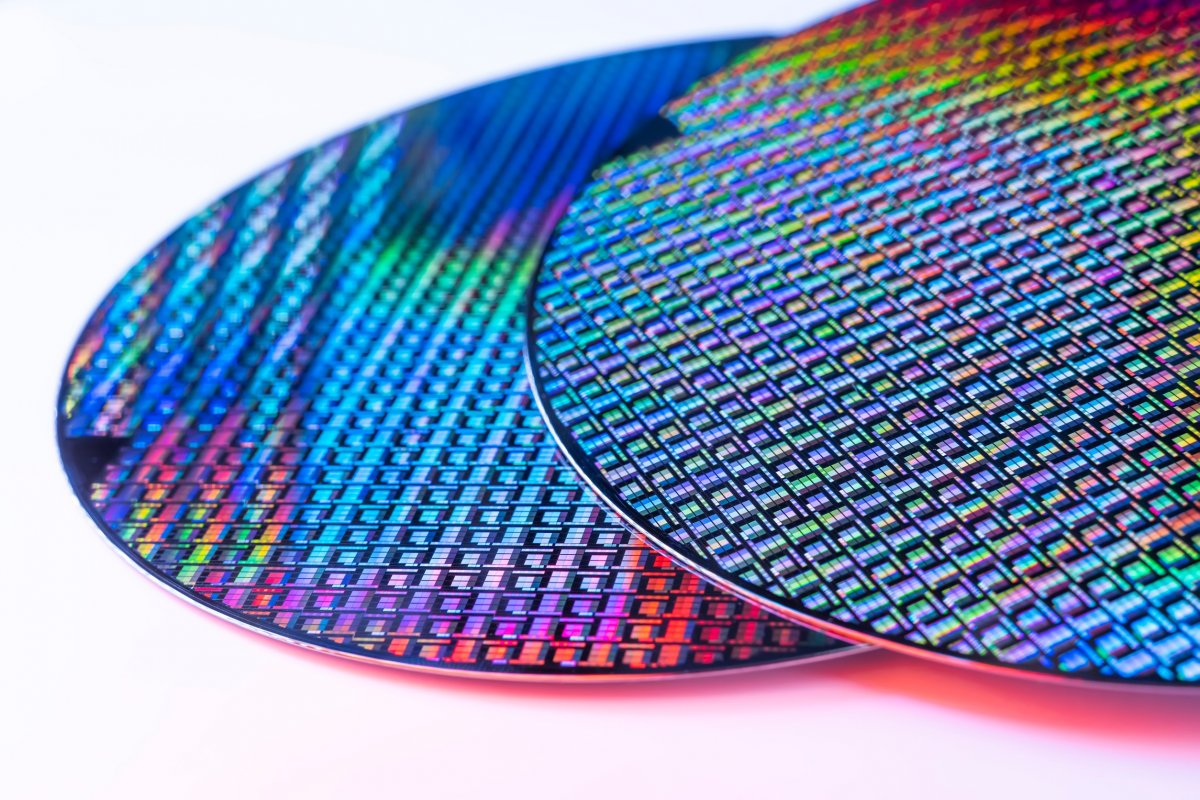
TSMC is reportedly preparing to increase semiconductor manufacturing prices by between 5% and 10% in 2027, extending the adjustment across both advanced technologies and mature processes. According to Nikkei Asia, negotiations with customers began in June and concluded during July, with the revised pricing expected to take effect at the beginning of 2027.
The reported increases will vary depending on the customer, product and manufacturing technology. Mature processes including 28 nm, 16 nm and 12 nm could face increases of up to 10%, meaning the additional costs will not be limited to companies competing for the latest high performance computing and artificial intelligence wafers. TSMC declined to comment on individual pricing arrangements, but reiterated that its broader strategy reflects the value of its manufacturing services rather than short term market conditions.
"Our pricing strategy is strategic, not opportunistic. We will continue to work closely with customers and sell our value to them.
Quote by: TSMC spokesperson"
The reported move expands upon earlier industry claims, which suggested that 5 nm, 4 nm, 3 nm and 2 nm manufacturing could become between 5% and 10% more expensive. The latest report indicates that customers using older technologies may also experience significant cost pressure, although it has not specifically confirmed whether every 2 nm agreement will receive the same adjustment.
TSMC is managing rapidly rising investment requirements as demand for artificial intelligence accelerators, processors and advanced packaging continues to grow. During its second quarter 2026 earnings conference, the company increased its annual capital expenditure forecast to between US$60 billion and US$64 billion. TSMC also expects overseas fabrication facilities to reduce gross margin by between 2 and 4 percentage points as international manufacturing operations expand.
The company has also announced an additional US$100 billion investment in Arizona, bringing its total planned investment in the state to US$265 billion. The expansion will cover additional semiconductor fabrication facilities using 2 nm and more advanced technologies, alongside advanced packaging capacity. These international projects can strengthen geographic supply resilience, but they also introduce higher construction, equipment, staffing and operating costs.
For customers such as Apple, AMD, NVIDIA, Qualcomm and MediaTek, higher wafer prices could place further pressure on product margins at a time when memory and other component costs are also increasing. Some companies may absorb part of the additional expense, while others could transfer it through higher prices for processors, graphics cards, smartphones, servers and other consumer electronics.
Samsung Foundry could benefit if customers begin evaluating alternative manufacturing capacity, particularly around its 2 nm gate all around technologies. However, changing foundries requires extensive redesign, validation and production preparation, making an immediate migration difficult for products already developed around TSMC processes.
Including mature processes makes this reported increase considerably more significant than a standard premium on new technology. Advanced node customers already expect higher costs when adopting smaller processes, but 12 nm, 16 nm and 28 nm remain essential across a broad range of mainstream products.
TSMC retains substantial pricing power because customers are not only purchasing access to a manufacturing node. They are paying for production scale, dependable yields, ecosystem support and predictable execution. Competitors may offer lower pricing, but replacing TSMC is rarely as simple as transferring an existing chip design to another factory.
Do you think semiconductor companies will absorb TSMC’s reported price increases, or will the additional costs reach consumers through more expensive hardware?
