
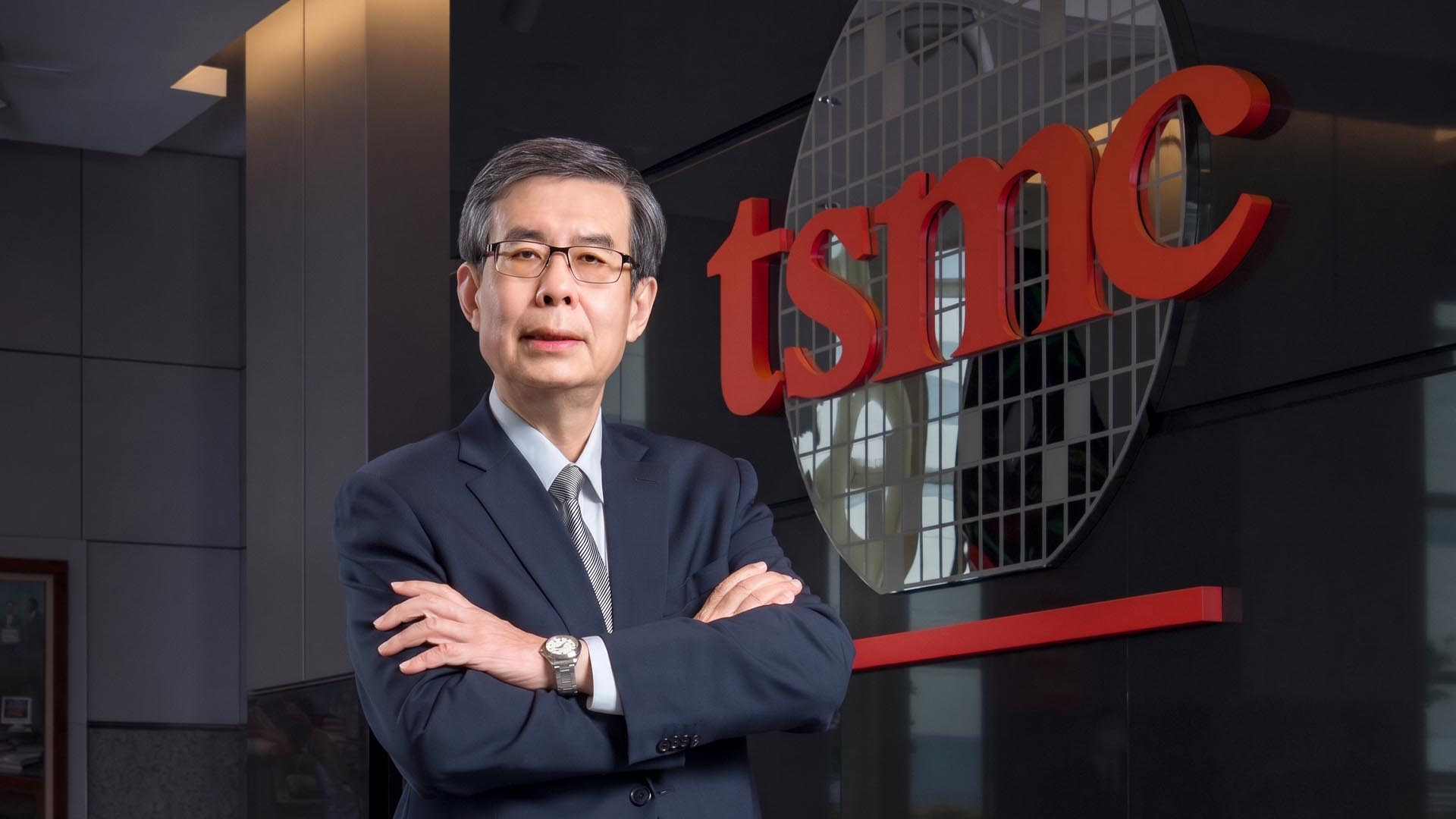
TSMC Executive Vice President and Co Chief Operating Officer Y.P. Chyn has revealed that the semiconductor giant once attempted to accelerate its research and development operations through a continuous 24 hour work schedule, only to abandon the initiative after approximately 6 months. Speaking with students at Taiwan's National Cheng Kung University on October 29, 2026, Chyn explained that the program, internally known as Night Owl, failed to deliver the expected improvements in semiconductor development. According to the original Economic Daily News report, the experience demonstrated that engineering innovation depends more on intellectual capability, effective decision making, and collaboration than simply extending working hours.
The Night Owl initiative emerged during a period when TSMC was struggling to close the technological gap with international semiconductor competitors. The company believed that operating its research teams continuously for 24 hours, compared with the approximately 8 hour working schedules attributed to American competitors, could provide a significant development advantage. Engineers were encouraged to participate in overnight research activities to accelerate process technology breakthroughs. However, the approach failed within 6 months, demonstrating that additional engineering hours do not automatically translate into faster innovation or improved technical results.
"Research and development depends on brainpower, not labor."
— Quote by: Y.P. Chyn, TSMC Co Chief Operating Officer
Chyn also identified TSMC's difficulties with its 40nm manufacturing process as one of the most challenging periods in the company's history. At the time, research teams typically completed process development before transferring the technology to manufacturing facilities. Although this approach had worked for earlier process generations, the 40nm transition exposed significant weaknesses in communication and validation procedures. Manufacturing problems escalated, threatening production efficiency and customer confidence, eventually forcing TSMC to reconsider how its engineering and fabrication teams operated.
These challenges contributed to the development of TSMC's One Team philosophy, which emphasizes shared responsibility between research, engineering, and manufacturing departments. Rather than treating process development and mass production as separate operations, the company began involving fabrication teams earlier in development and extending collaboration throughout the production transition. This approach helps identify potential manufacturing issues before volume production, improve troubleshooting, and reduce delays associated with process integration.
Chyn explained that the same philosophy now extends to TSMC's international manufacturing operations, where Taiwanese engineering teams remain involved in supporting overseas facilities. The strategy is particularly relevant as the company advances its A14 process development roadmap, with increasingly complex manufacturing technologies requiring closer coordination between research facilities and production sites.
TSMC's experience highlights an important distinction between working longer and engineering more efficiently. Semiconductor development involves complex experimentation, manufacturing validation, and problem solving that cannot be accelerated simply by extending working hours. The transition toward shared engineering responsibility also illustrates why manufacturing leadership depends on organizational execution as much as technological innovation. As advanced semiconductor processes become increasingly complicated, coordination between research and fabrication teams could prove more valuable than aggressive development schedules.
Should semiconductor companies prioritize shorter, more productive engineering schedules, or are extended working hours sometimes necessary to remain competitive in the global chip industry?
