
TSMC Arizona Customers Begin Turning to Intel for Advanced Packaging Services

As the United States continues its push toward an independent semiconductor supply chain, the domestic industry has made steady progress in establishing onshore research, volume manufacturing, and fabrication capabilities. However, advanced packaging remains one of the largest gaps in the current infrastructure. According to a new report from DigiTimes, several major customers operating with TSMC’s Arizona facility are now looking to Intel to fill this critical role, creating an unexpected growth channel for Intel Foundry Services.
The report highlights that Microsoft, Tesla, Qualcomm, and NVIDIA are among the companies showing interest in Intel’s advanced packaging capabilities. Among all American chip industry competitors, Intel holds the most mature and comprehensive packaging technologies. This includes its Embedded Multi Die Interconnect Bridge and its Foveros three dimensional stacking platforms. These technologies position the company as a leading domestic solution for US based semiconductor customers that still rely heavily on overseas packaging.
A significant detail in the report involves Intel’s recent effort to recruit former TSMC executive Dr. Wei Jen Lo. Dr. Lo has extensive experience managing customer requirements for advanced packaging. His expertise is seen as essential for Intel to deliver services at the level expected from TSMC. Since most US fabless companies sourcing wafers from TSMC Arizona still need to ship them overseas to Taiwan for packaging, Intel’s expansion into this space offers immediate strategic advantages. It reduces transit costs, shortens turnaround times, and strengthens the domestic manufacturing ecosystem.
In the near term, Intel’s role may evolve into what analysts describe as a packaging foundry. Companies can manufacture wafers at TSMC Arizona and then complete packaging locally through Intel or Amkor. This arrangement gives Intel a profitable new revenue stream while its broader external foundry ecosystem continues to mature.
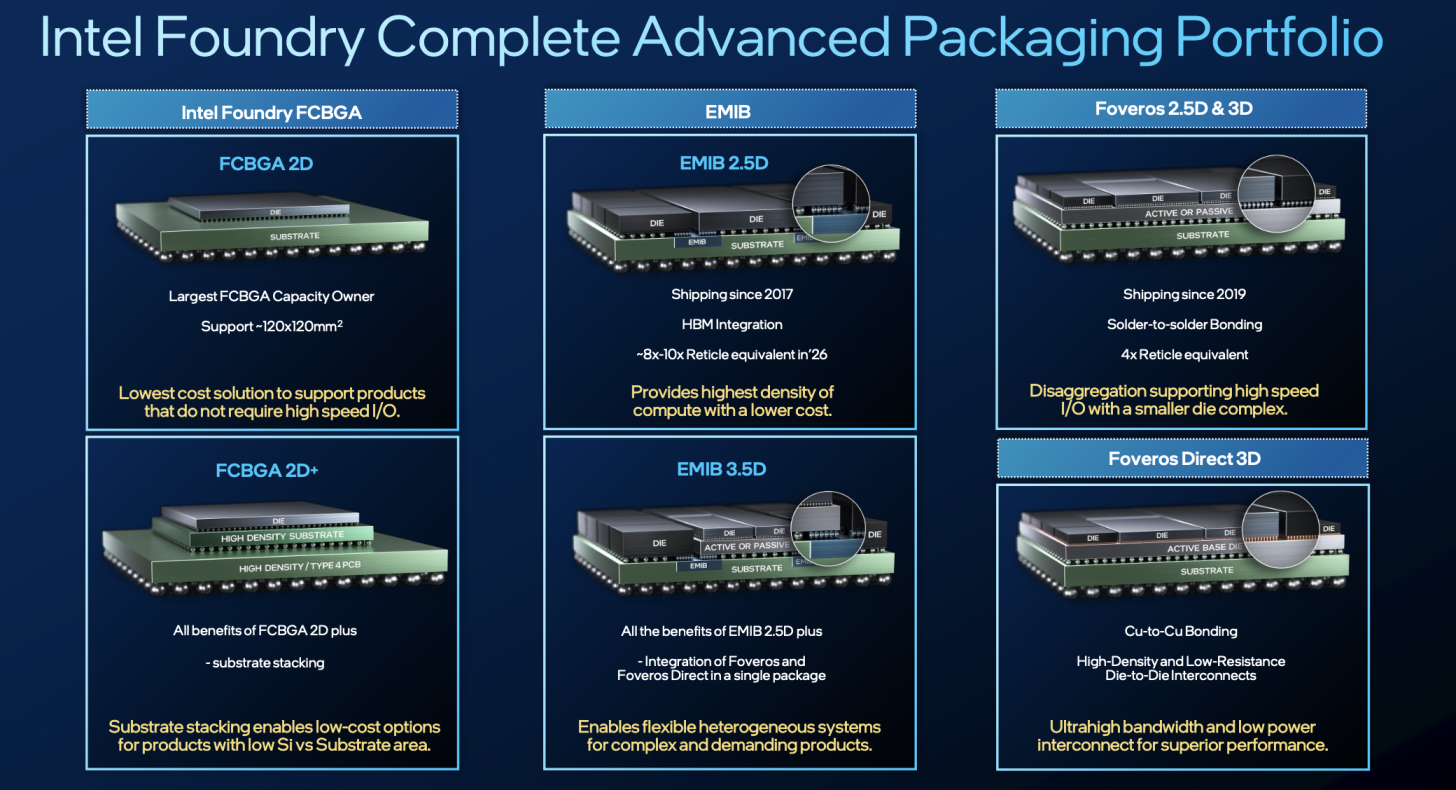
The report also notes increasing demand from companies like Qualcomm and Apple for talent proficient in Intel packaging technologies. This trend indicates a growing industry wide recognition of the need for multiple domestic advanced packaging options. NVIDIA, for example, must still ship its Arizona produced wafers back to Taiwan for packaging. Transitioning that workload to Intel within the United States would simplify logistics and accelerate production.
The broader strategy signals an important shift in the US semiconductor landscape. TSMC is actively building advanced packaging facilities in America, but those projects require many years before they are fully operational. Partnering with Intel and Amkor ensures that US based companies have immediate and reliable access to packaging capacity. This collaborative approach benefits all parties: it strengthens TSMC’s US production pipeline, accelerates Intel’s foundry ambitions, and contributes to the overarching national objective of a resilient onshore supply chain.
Do you think Intel’s expanded role in packaging can help stabilize the US chip ecosystem, or will demand outpace domestic capabilities for years to come? Share your thoughts below.
