
TSMC 2nm Capacity Is Heavily Contested as Mobile and HPC Customers Collide on N2 Allocation
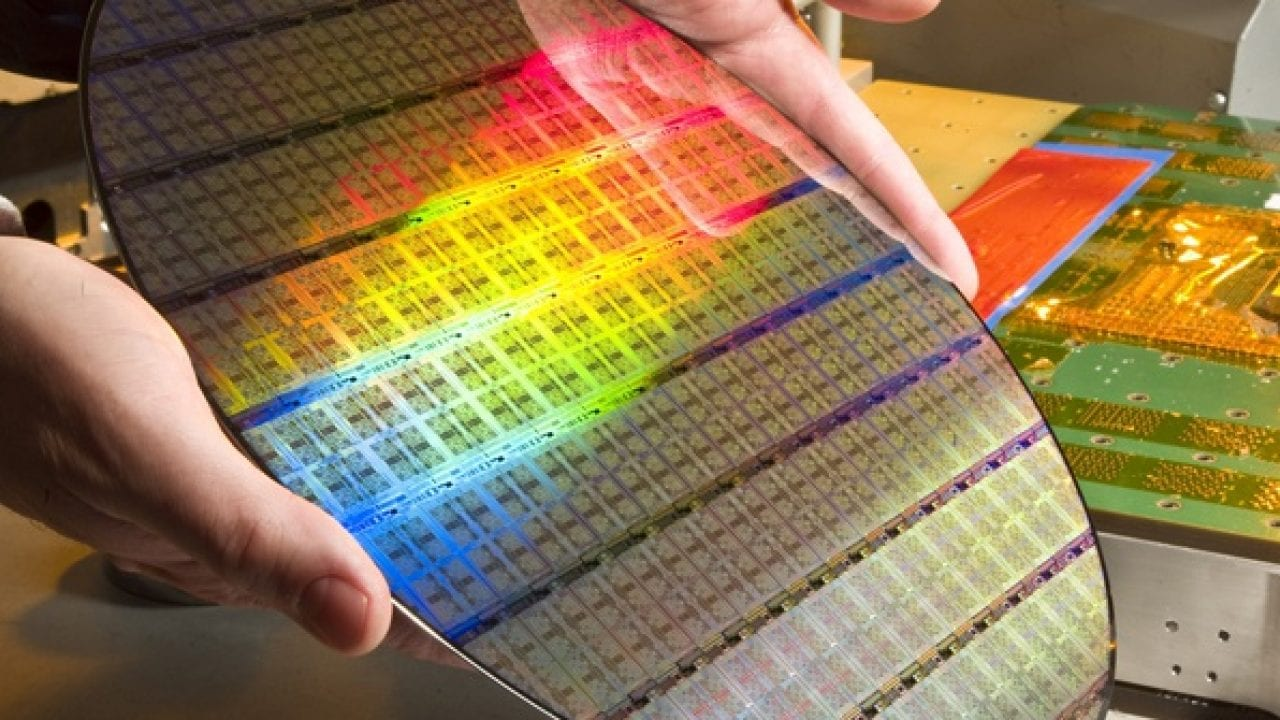
TSMC is heading into its most competitive node transition yet, as the company’s 2nm class capacity becomes a high stakes battleground between traditional mobile leaders and an increasingly dominant wave of high performance computing customers. According to a CTee report, early 2nm adoption is expected to be led by mobile clients such as Apple and Qualcomm, but the spotlight is projected to shift rapidly toward AI and data center scale customers once the initial ramp stabilizes.
This is the same pattern the industry has seen at every major node transition in the modern era, but at 2nm the pressure curve looks steeper. Each shrink pushes more customers to chase density and efficiency gains because the business value of compute has climbed dramatically, especially for AI training and inference. The result is that TSMC is not only balancing demand, it is balancing timelines, risk tolerance, and product criticality across customers whose launch windows can define entire platform generations.
The report discussion frames 2nm as the largest scale capacity competition TSMC has ever seen, and it is not difficult to understand why. Mobile customers traditionally anchor the early ramp because they ship at huge volumes and can justify aggressive early adoption. But once yields mature and the ecosystem tightens, the value per wafer from HPC and AI accelerators becomes hard to ignore. That shift is already visible at older nodes where AI has taken a larger share of foundry attention, and at 2nm it becomes even more pronounced because leading edge advantages translate directly into power, performance, and total cost improvements at the system level.
One of the most difficult management layers will be yield and packaging readiness, not only wafer starts. Modern AI products are no longer simple monolithic dies. They are increasingly massive packages with complex interconnect demands, and every percentage point of yield matters when the die sizes and packaging complexity scale upward. The report highlights that as chip packages grow, the operational challenge of sustaining yield becomes harder, and it ties directly into how TSMC allocates and ramps N2 class lines.

On the customer roadmap side, the report expects AMD to be among the 2nm adopters, with 2nm anticipated for the Instinct MI400 family slated for H2. Meanwhile, NVIDIA is positioned as moving toward its next major jump later, with Feynman expected to target A16 class technology around 1.6nm. Beyond the usual GPU heavyweights, ASIC customers such as Amazon and Google are also expected to consume a meaningful share of N2 capacity as they push next generation internal architectures.
The bigger macro takeaway is that TSMC’s node transitions are now less about a single product category winning first access and more about the foundry acting as the central allocator of global compute ambition. With fewer true alternatives for cutting edge foundry scale, demand converges on TSMC, and every new node becomes a negotiation across mobile volume, HPC margin, strategic partnerships, and time sensitive platform launches.
This also connects cleanly to recent comments from Jensen Huang about long term capacity pressure, where he has emphasized that the AI infrastructure buildout is so large that foundry production must keep ramping aggressively for years. When you stack that outlook on top of a 2nm transition where mobile and HPC both want priority access, the implication is straightforward: the node race is becoming an allocation race, and supply chain strategy will decide winners nearly as much as architecture does.
Do you think 2nm capacity should prioritize mobile volume first, or should AI and HPC customers get earlier access because they drive the most infrastructure demand and long term investment?
