
Intel Core Ultra 200 and AMD Ryzen 9000 Post Nearly Identical CPU Failure Rates in Puget Systems Reliability Data
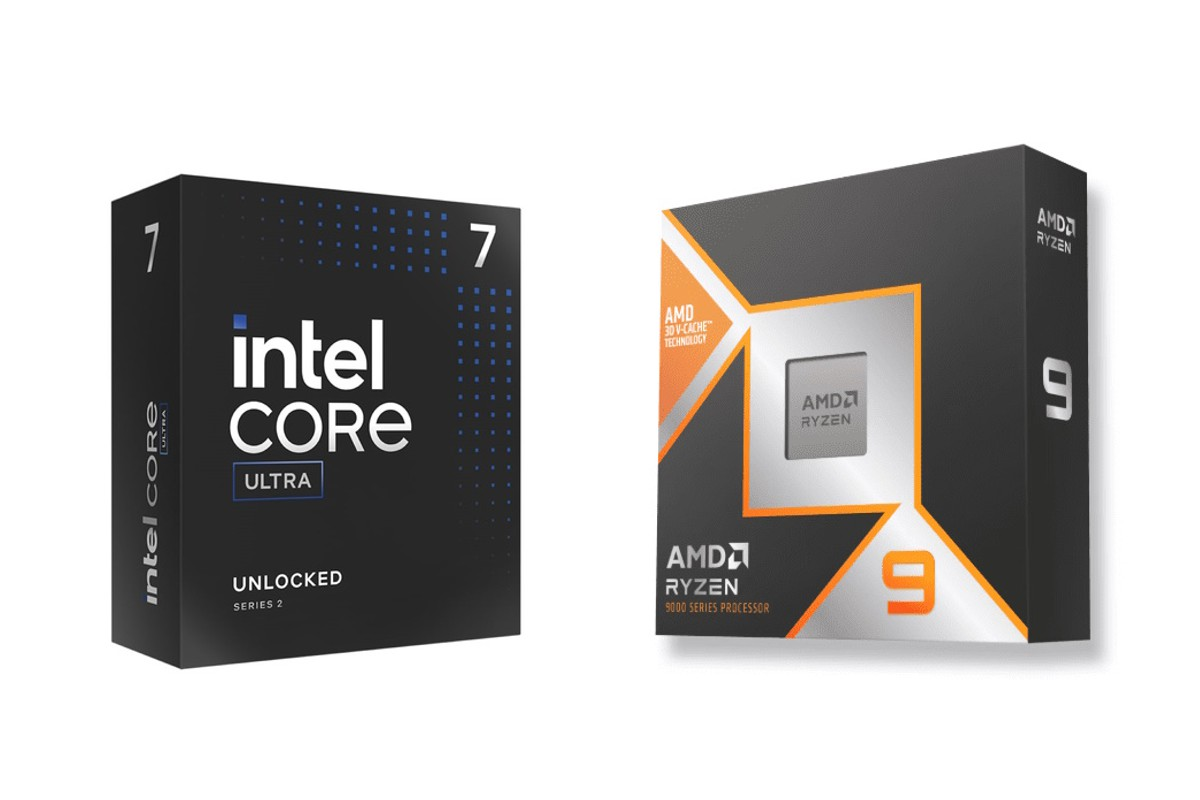
A new reliability breakdown from Puget Systems suggests that the latest consumer desktop CPU generations from Intel and AMD are performing almost identically on stability, based on the company’s internal build records and customer system tracking. In its Most Reliable Hardware of 2025 report, Puget Systems lists a 2.52% failure rate for AMD Ryzen 9000 processors over the last 12 months, versus 2.49% for Intel Core Ultra 200 series chips, a difference so small that Puget Systems itself says it is not enough to crown either lineup as meaningfully more reliable.
That point is important because online narratives around CPU failures often skew toward whichever part is trending in enthusiast communities at the moment. Puget Systems is not claiming its dataset represents the whole market, but it is offering something the broader conversation rarely has: a consistent, operational dataset gathered from systems that are actually built, validated, and shipped at scale, with failures tracked as a percentage rather than as viral anecdotes.
Within those near identical platform level results, Puget Systems calls out 2 notable standouts. On the Intel side, the Core Ultra 7 265K recorded the lowest failure rate among the consumer desktop processors in its tracking at 0.77%. On the AMD side, the Ryzen X3D group performed better than the wider Ryzen 9000 family, showing a 1.51% failure rate in 2025, with Puget Systems noting that most of those failures were caught internally before systems shipped to customers.
The second finding is the one that will surprise a lot of performance focused PC builders. In day to day chatter, X3D parts often get disproportionate attention because they are popular, heavily discussed, and frequently paired with aggressive tuning. Yet Puget Systems data indicates the opposite trend in its environment: the X3D group failed less often than the broader Ryzen 9000 pool, implying that the real reliability story may be more about platform configuration, validation discipline, and workload profile than about any single headline grabbing SKU.
For builders, workstation buyers, and anyone planning an upgrade in 2026, the business takeaway is straightforward. At a high level, both modern consumer platforms appear comparable on reliability within Puget Systems tracking, so the decision can stay focused on performance per watt, total platform cost, specific workload strengths, and motherboard feature sets rather than fear of one brand being inherently less stable. The more actionable insight is the value of conservative configuration and solid validation, because the reliability delta inside each family can be larger than the delta between families.
When you pick a CPU in 2026, do you prioritize raw performance first, or do reliability signals like this push you toward safer configs and proven SKUs?
