
The Witcher 3: Songs of the Past Moves to 2027 as CDPR Says the Expansion Is Closer to Blood and Wine in Scale
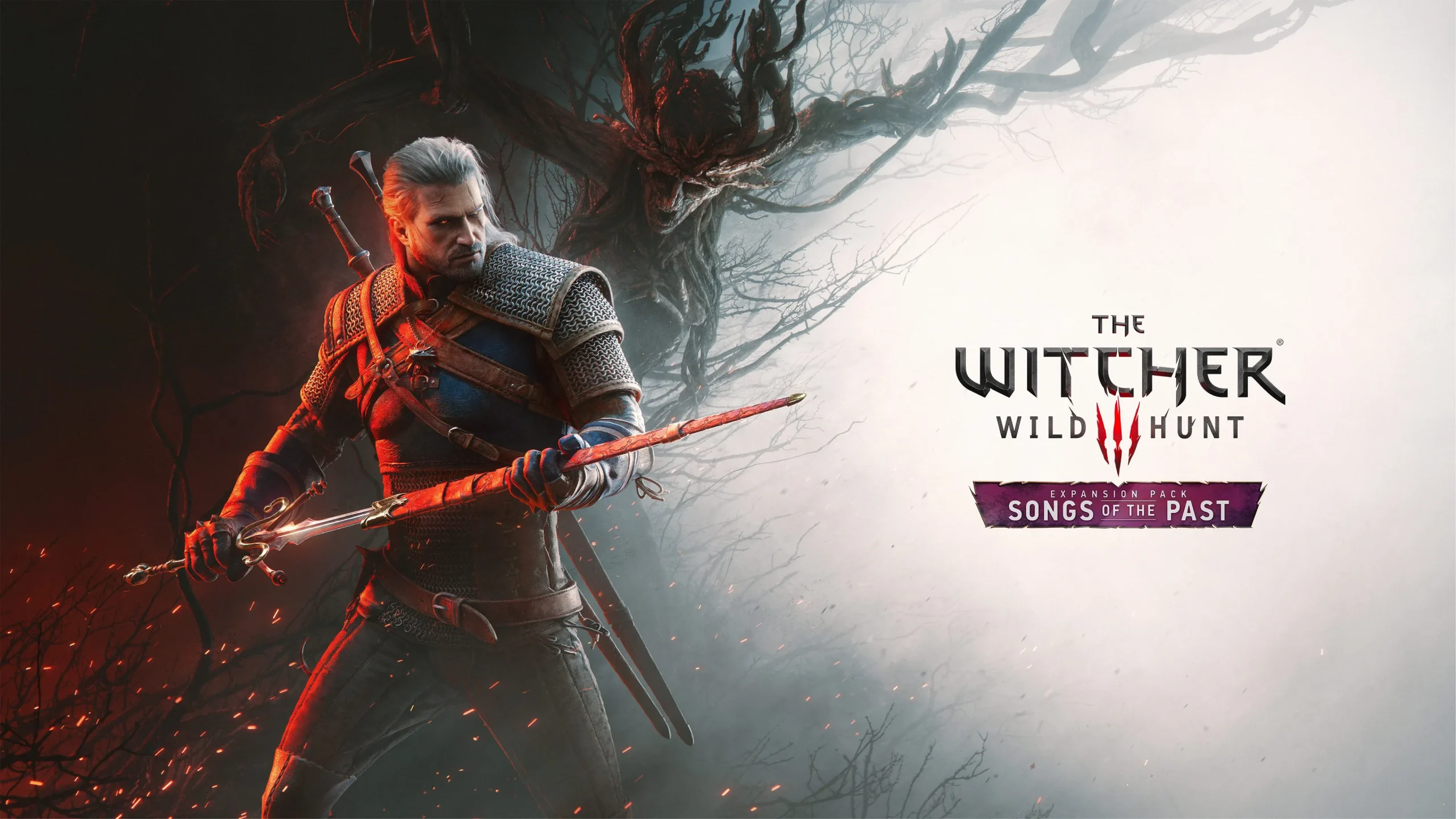
CD Projekt RED has confirmed that The Witcher 3: Wild Hunt expansion Songs of the Past is now set for 2027, even though the company had previously worked with an internal plan that could have seen it arrive in 2026. The update was clarified during CD Projekt’s Q1 2026 earnings call and aligns with the studio’s latest financial report, which also reaffirmed that The Witcher 3 has now surpassed 65 million copies sold.
According to Joint CEO Michał Nowakowski, the shift to 2027 came down to quality and player expectations rather than a change in ambition. CD Projekt said there was indeed a point when plans assumed Songs of the Past could release this year, but the team ultimately chose 2027 in order to achieve the best possible result for players. That matters because the studio is clearly trying to position this project as more than a small nostalgia add on.
That message becomes even clearer when CD Projekt talks about scope. During the earnings call, Nowakowski stressed that Songs of the Past is an expansion, not a small DLC pack, and said it is closer to Blood and Wine than to Hearts of Stone in overall scale. He also described it as a proper big expansion, which is exactly the kind of phrasing long time Witcher fans will want to hear given Blood and Wine’s reputation as one of the strongest large scale RPG expansions of its era.
CD Projekt also confirmed that the project is already in an advanced phase of production. Around 190 developers are currently working on Songs of the Past, with most of them coming from Fool’s Theory, while CD Projekt RED maintains creative oversight to protect the quality and identity of the Witcher experience. That is a meaningful detail because it shows the expansion is not being treated as a side experiment. It is being staffed at a scale that supports the company’s bigger promises.
At the same time, CD Projekt is still putting most of its internal weight behind The Witcher 4. Its Q1 2026 materials show that 513 developers are now assigned to that project, up from 499 previously, making it the company’s largest active production by a wide margin. In practical terms, the current Witcher roadmap looks increasingly clear: Songs of the Past arrives first in 2027, while The Witcher 4 remains the main long term priority inside the studio.
The company also confirmed that more information on Songs of the Past will be shared at Gamescom 2026. However, CD Projekt suggested fans should expect something closer to a guided demo presentation rather than a traditional public hands on session, arguing that very large RPGs are not well served by only a few minutes of direct play. That approach fits the studio’s historical marketing style for both The Witcher 3 and Cyberpunk 2077.
From a broader business standpoint, this delay does not look like a retreat. If anything, it suggests CD Projekt is trying to avoid undermining a high value expansion attached to one of the most commercially durable RPGs in the market. With The Witcher 3 now above 65 million copies sold and Songs of the Past being framed as a genuinely substantial release, the studio has every reason to protect the quality of this expansion rather than rush it out the door.
For fans, the tradeoff is simple. The wait is now longer, but CD Projekt is signaling that Songs of the Past is aiming much higher than a routine post launch add on. If it really lands closer to Blood and Wine in scope and execution, the extra time may end up being the right call.
Do you think delaying Songs of the Past to 2027 is the right move if it means getting an expansion that truly lives up to Blood and Wine?
