
Computex 2026 Update: Local AI PCs, Gaming Handhelds and Next Generation Hardware Take Over Taipei
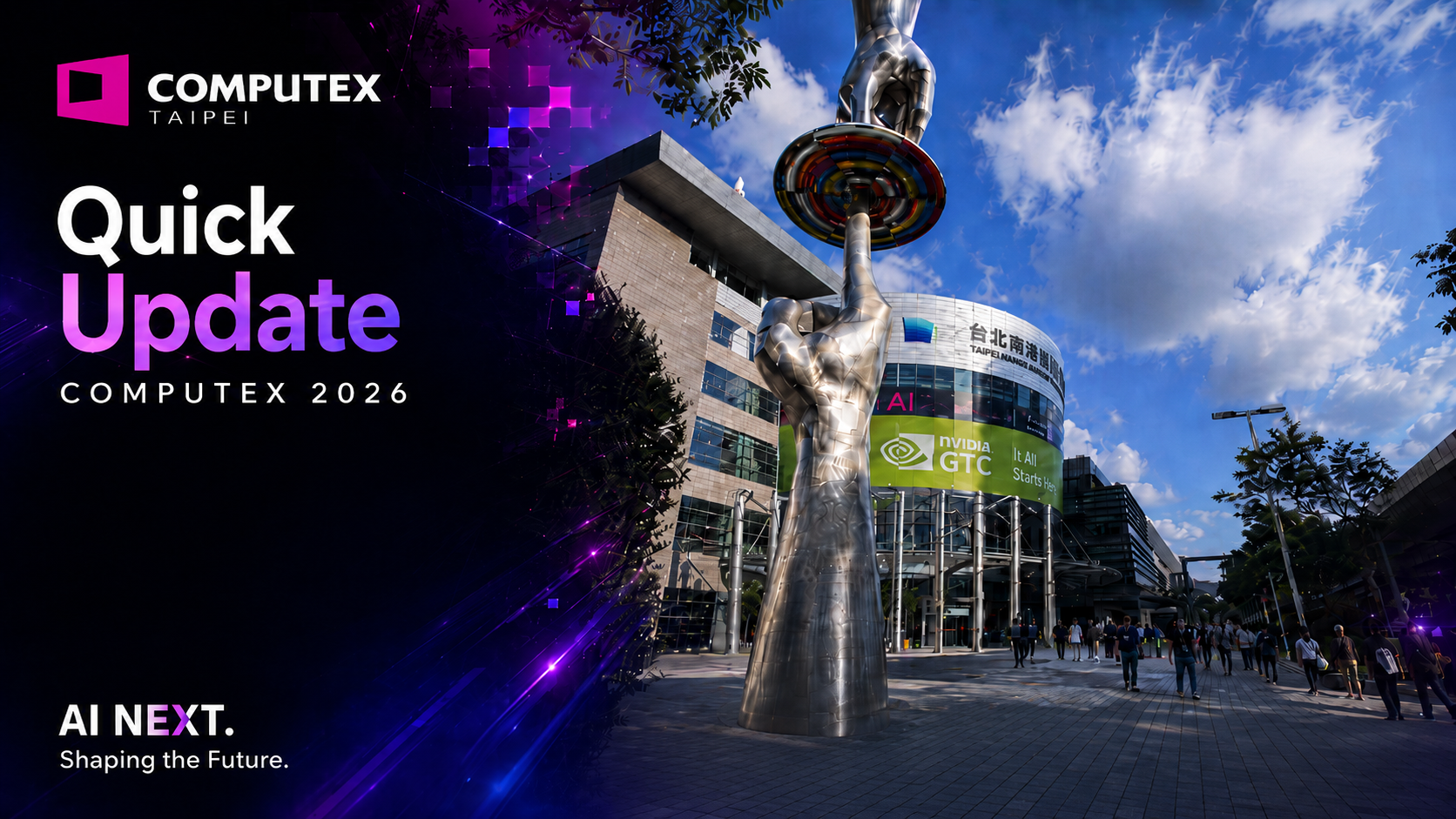
Computex 2026 is now fully underway in Taipei, and this year the message is clear: the PC industry is moving beyond traditional performance upgrades and entering a new era built around local AI, portable gaming, creator acceleration, advanced connectivity and full stack infrastructure. Running from June 2 to June 5, 2026, Computex 2026 is positioned under the theme “AI Together”, with the show focusing on AI and computing, robotics and mobility, and next generation technologies across the full technology ecosystem.
The biggest shift this year comes from NVIDIA, which used Computex and GTC Taipei to introduce NVIDIA RTX Spark, a new class of Windows PCs designed for personal AI agents, creative workflows and gaming. RTX Spark combines a Blackwell RTX GPU, a 20 core Grace CPU and up to 128 GB of unified memory, delivering up to 1 petaflop of AI performance in slim laptops and compact desktop PCs. For gamers and creators, the platform is not just about faster rendering or higher frame rates. It is about making the PC capable of running larger models locally, editing 12K video, generating 4K AI video, rendering massive 3D scenes and playing AAA games at 1440p with more than 100 FPS, all while moving more AI workloads away from the cloud and onto the device.
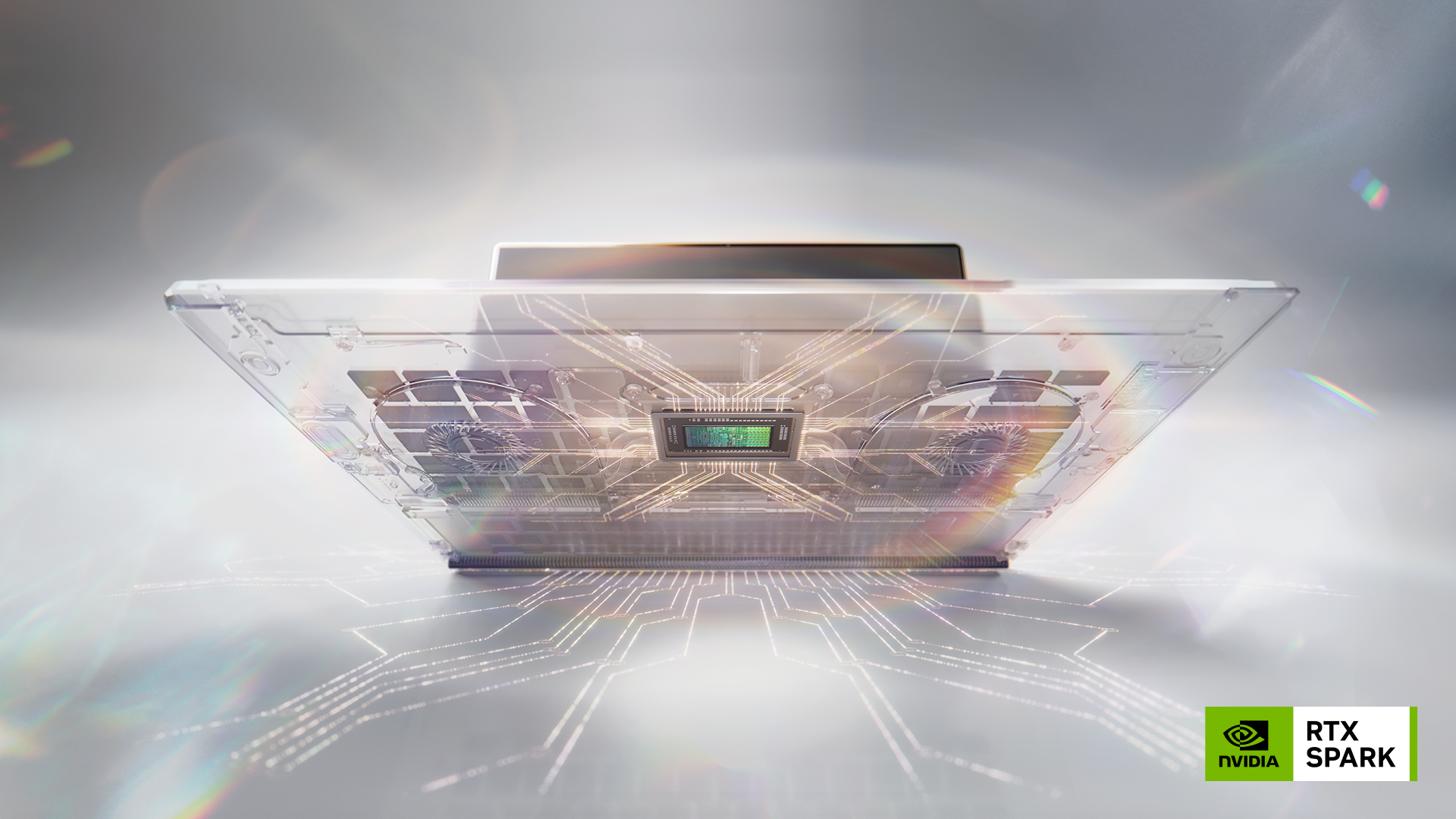
NVIDIA is also working with Microsoft to make these personal AI agents more secure on Windows, with new tools designed to control how agents interact with files, apps and personal data. This makes RTX Spark one of the most important announcements at Computex 2026, because it represents a serious attempt to redefine the Windows PC from a tool into an active AI assisted system. RTX Spark laptops and compact desktops are expected to arrive this fall from ASUS, Dell, HP, Lenovo, Microsoft Surface and MSI, with Acer and GIGABYTE models following later. NVIDIA also expanded its gaming presence through its GeForce Computex 2026 partner showcase, where new GeForce RTX 50 Series graphics cards, RTX laptops, desktops and G SYNC compatible displays were shown by partners including ASUS, GIGABYTE, MSI, PNY and ZOTAC.
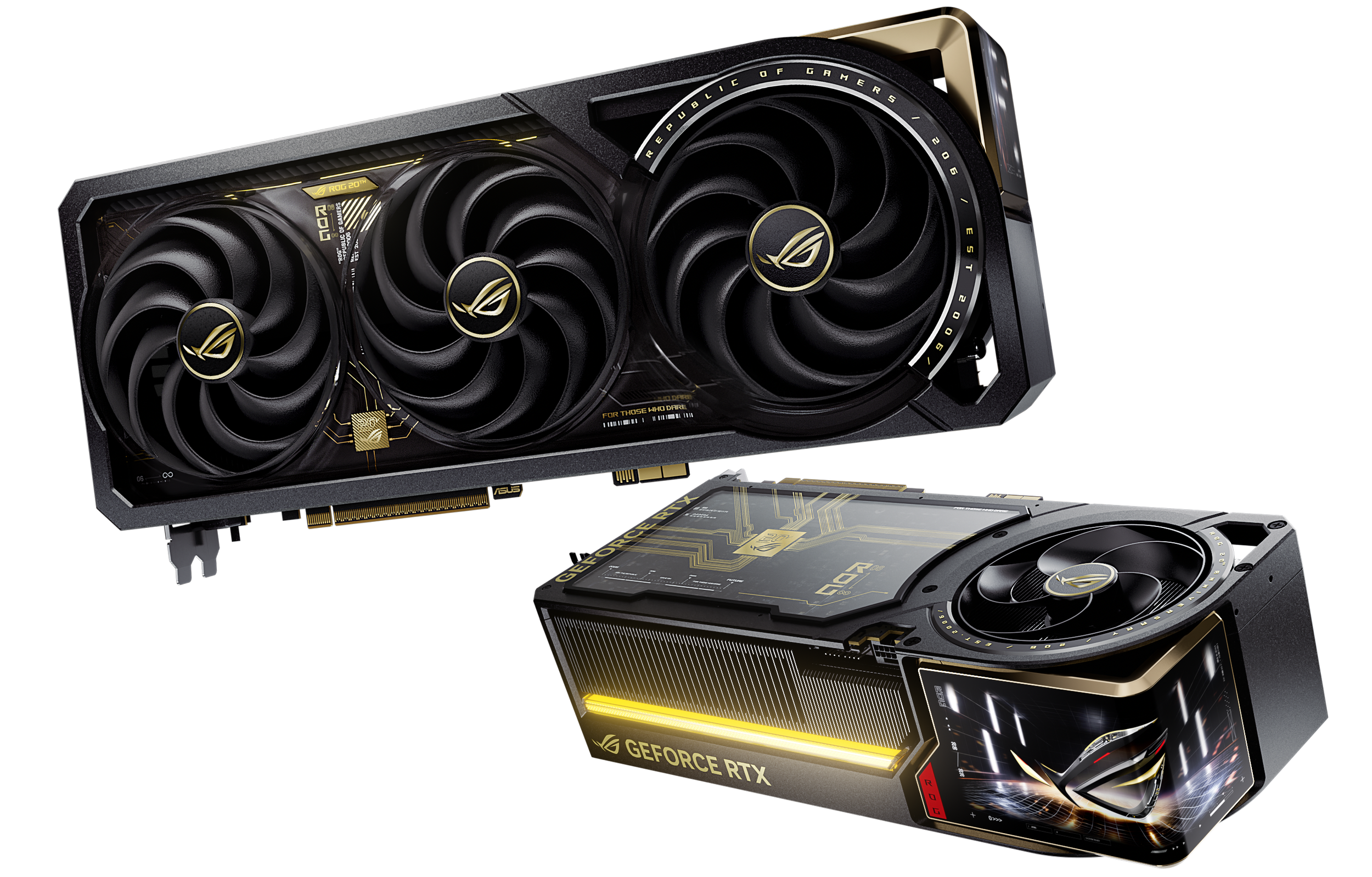
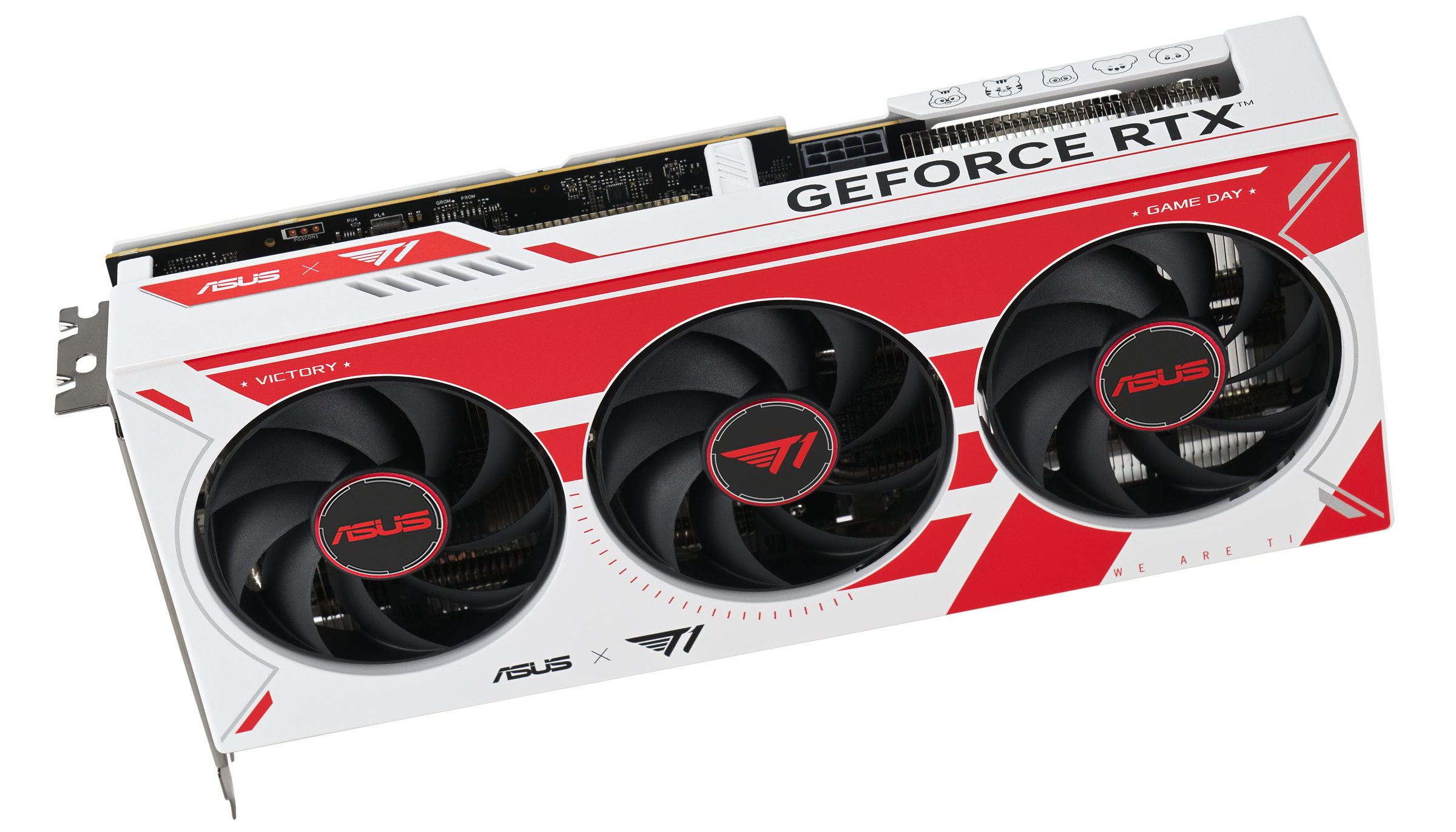
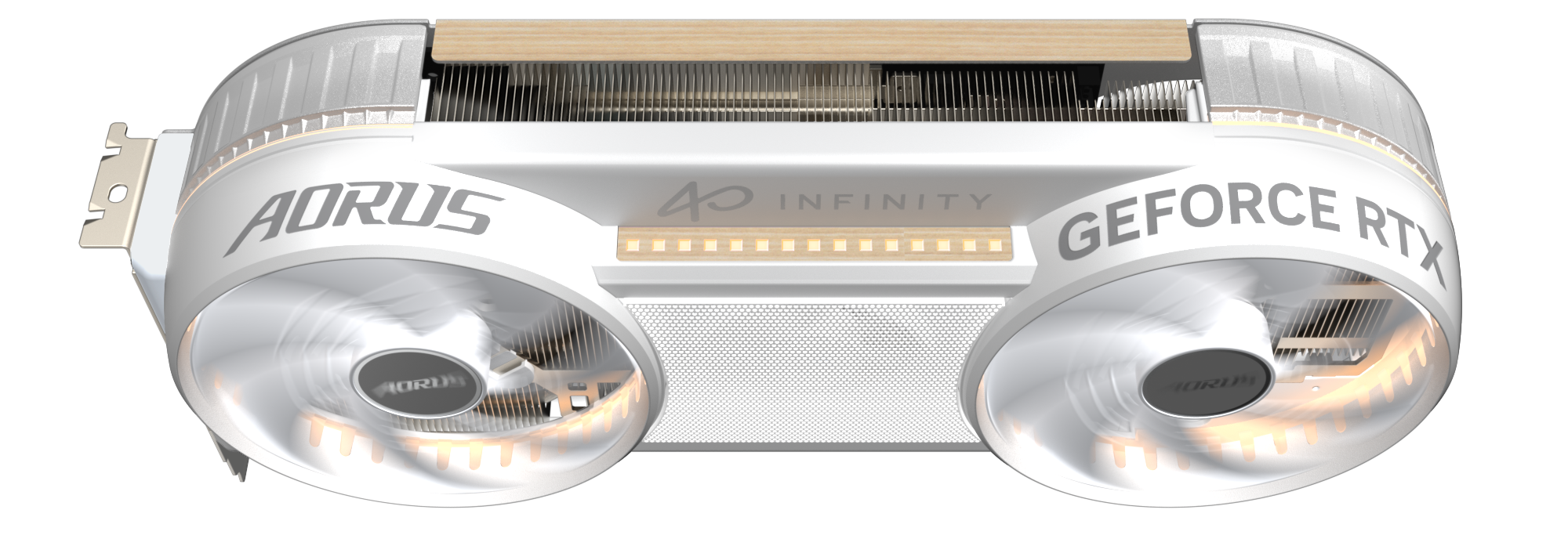
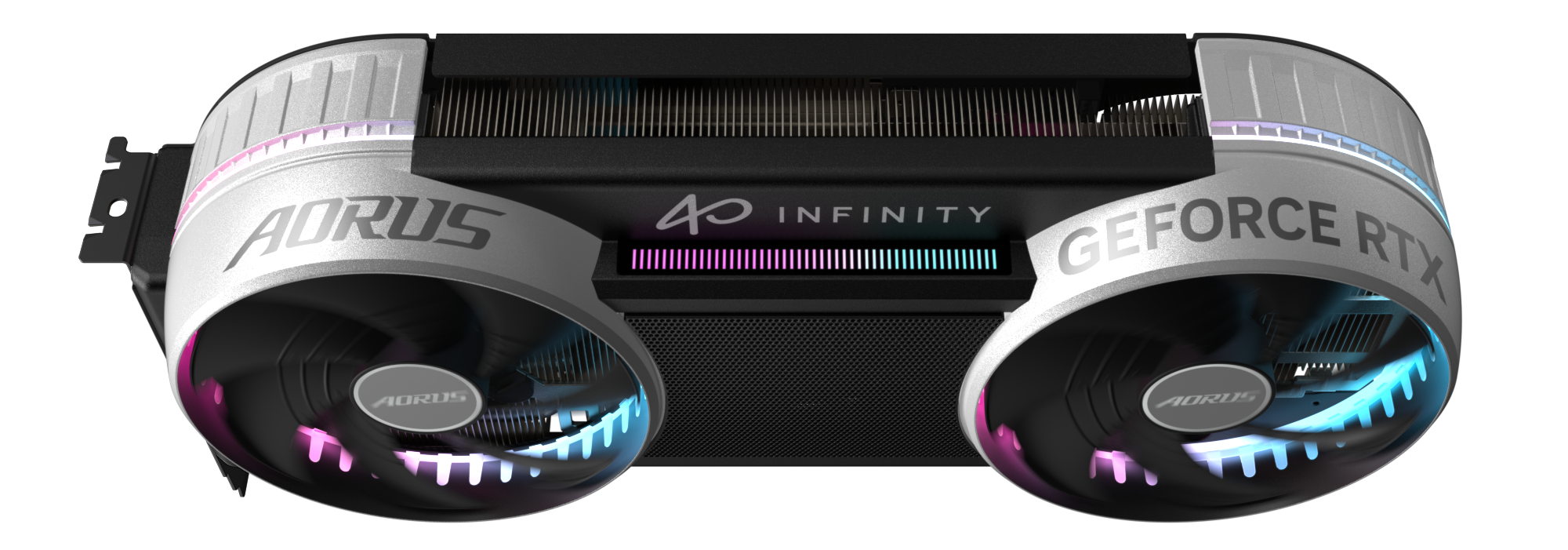
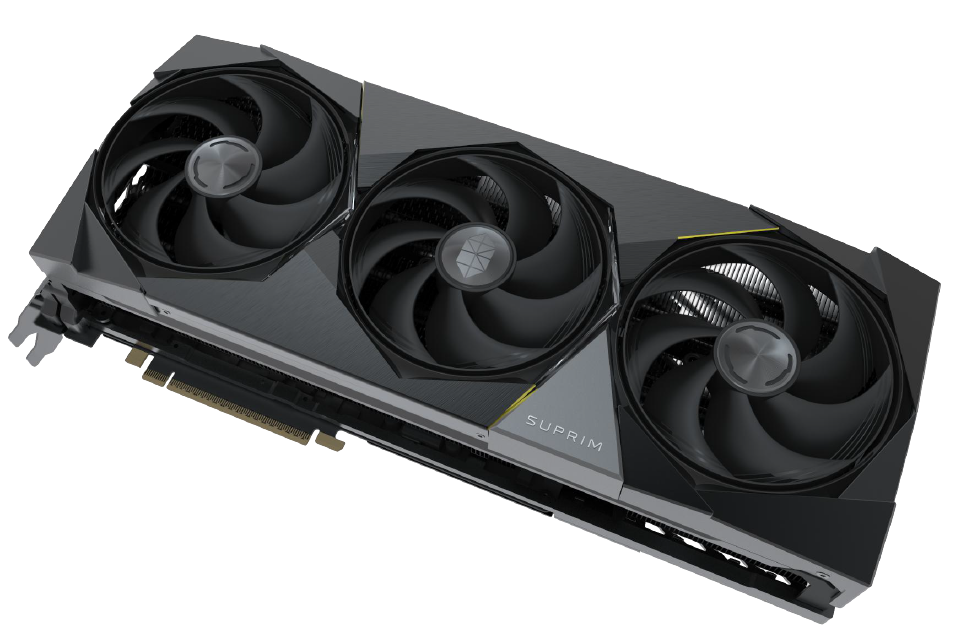
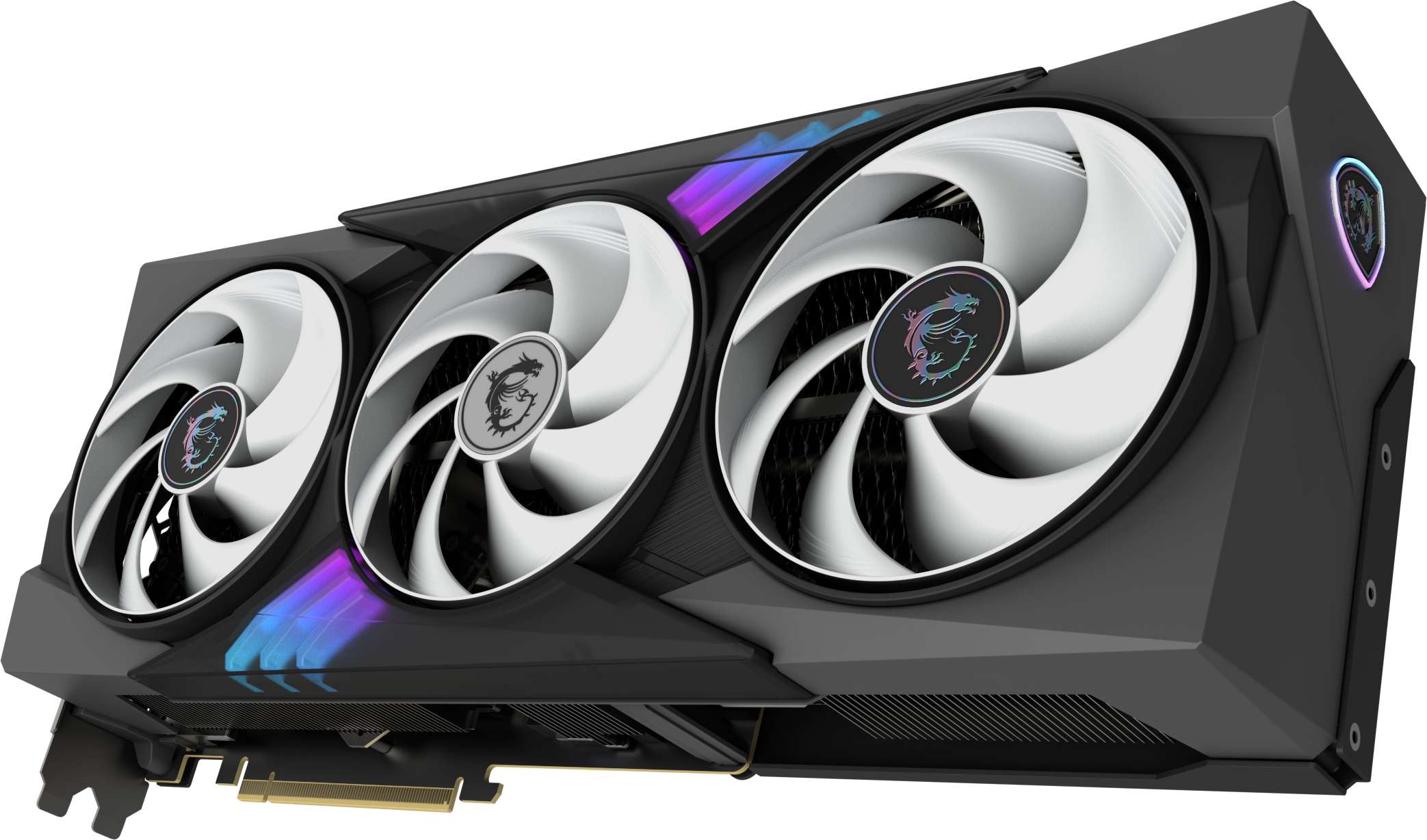
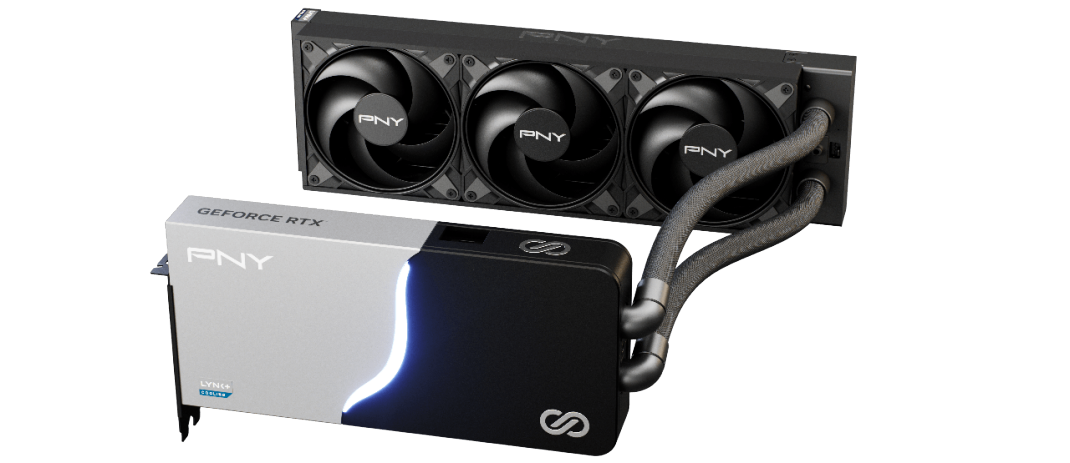
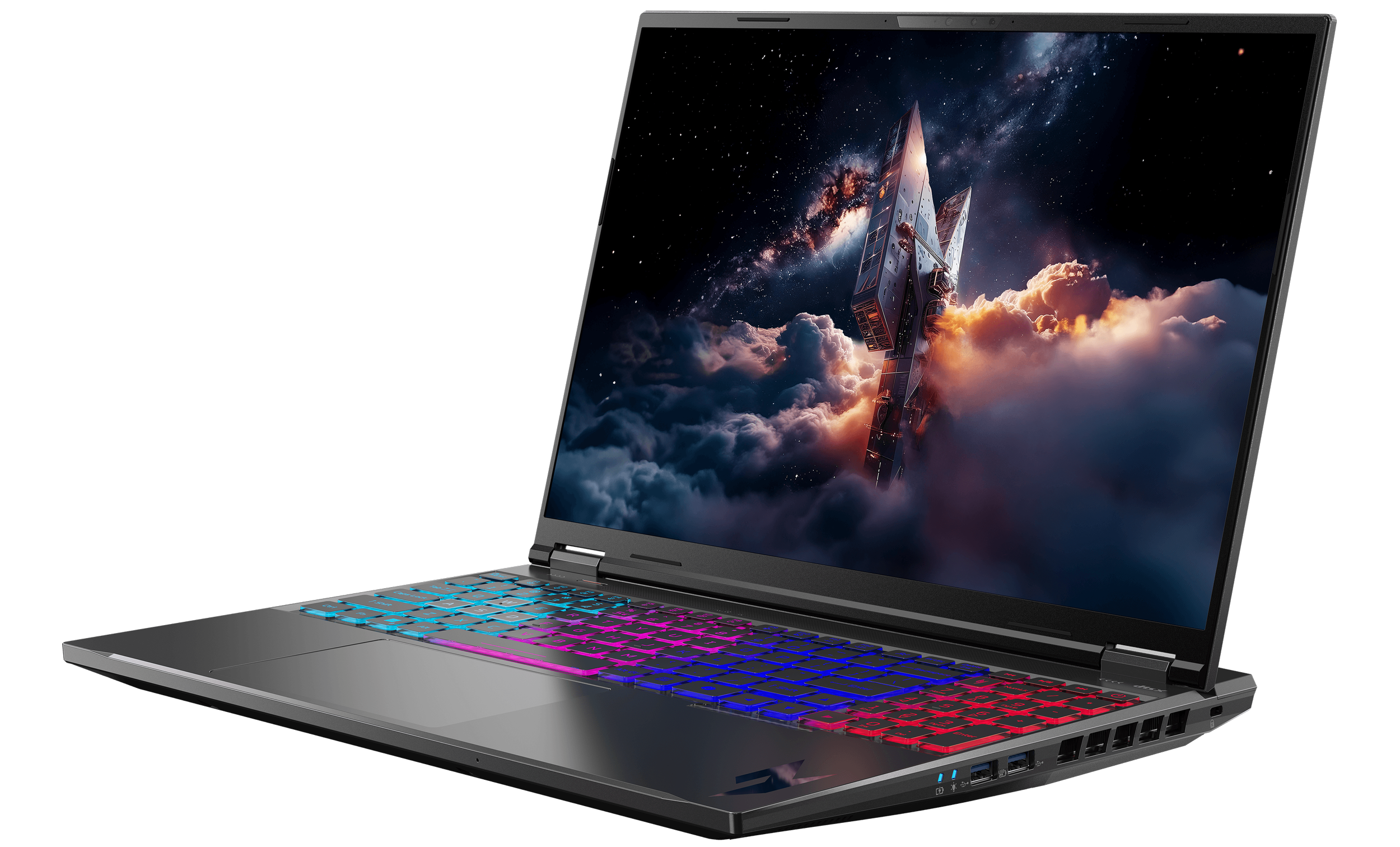
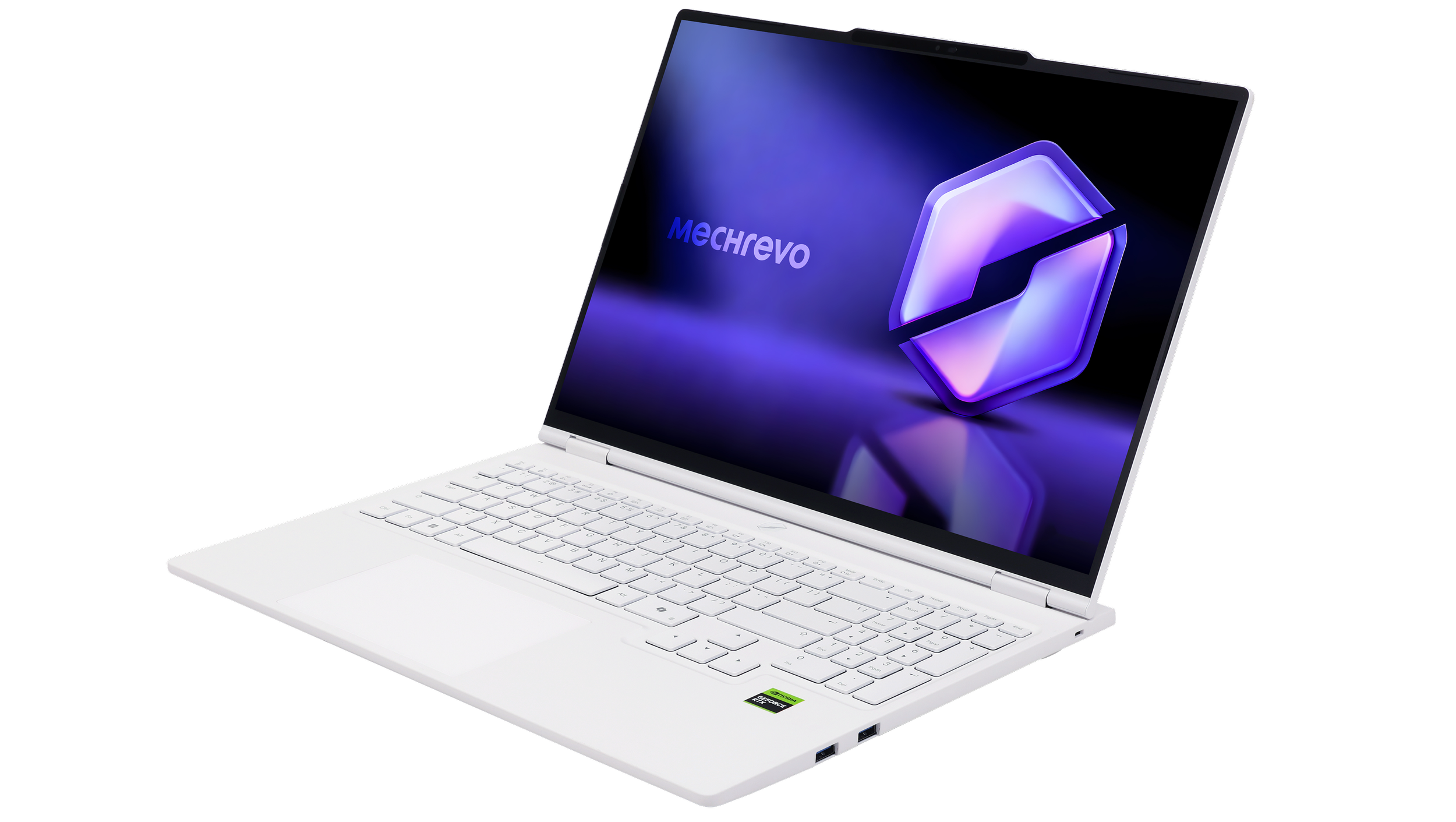
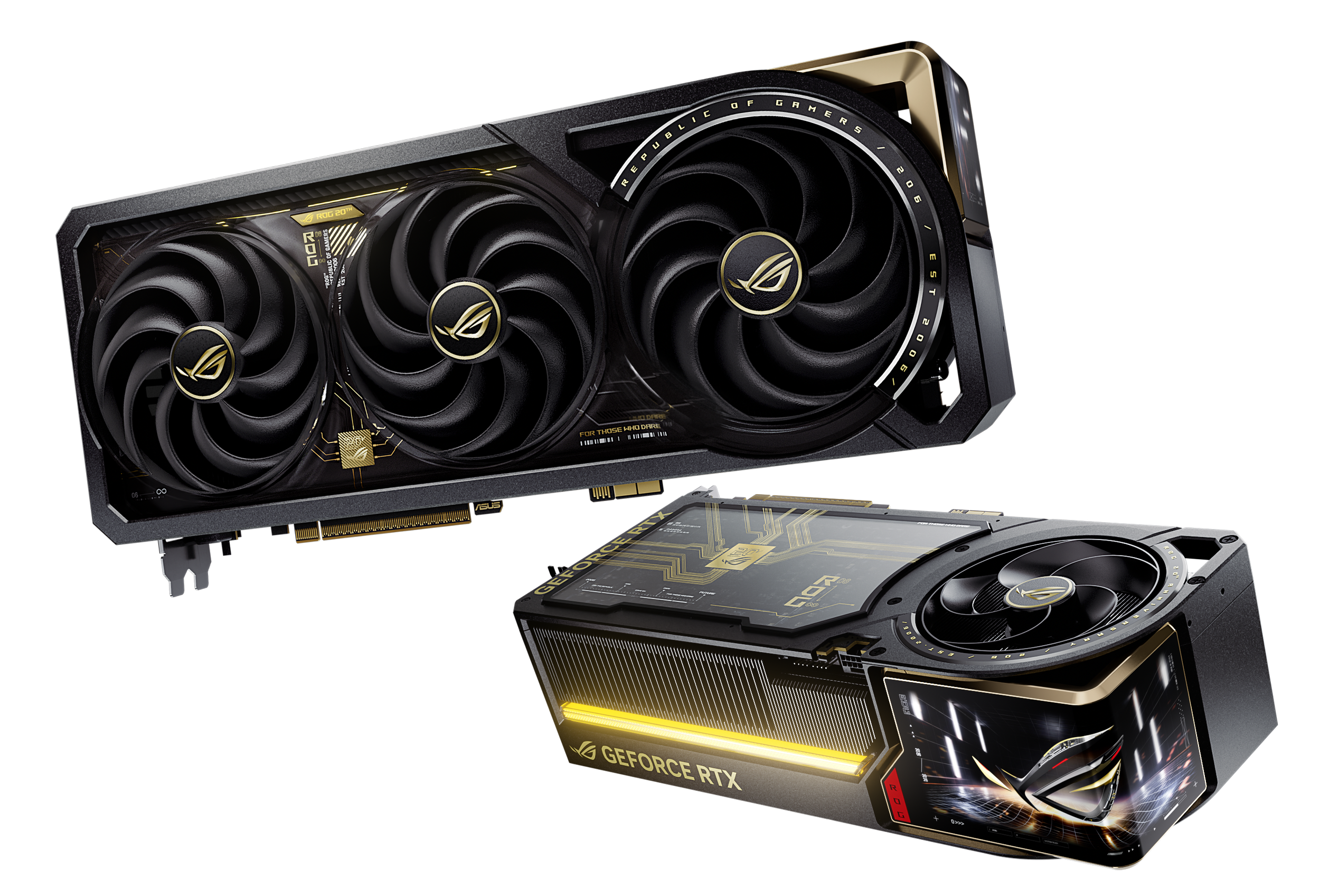
For gamers, the NVIDIA show floor message is still heavily tied to RTX 50 Series hardware, DLSS 4.5 and premium enthusiast builds. ASUS showed the ROG Astral GeForce RTX 5090 Edition 20 with a curved AMOLED display, GIGABYTE expanded its AORUS GeForce RTX 50 Series INFINITY lineup, MSI introduced new RTX 5090 GAMING TRIO and SUPRIM designs, and PNY revealed a GeForce RTX 5090 32 GB liquid cooled graphics card. These products show that even as AI dominates Computex 2026, the enthusiast GPU segment remains focused on cooling innovation, display integration, visual identity and high end build customization.
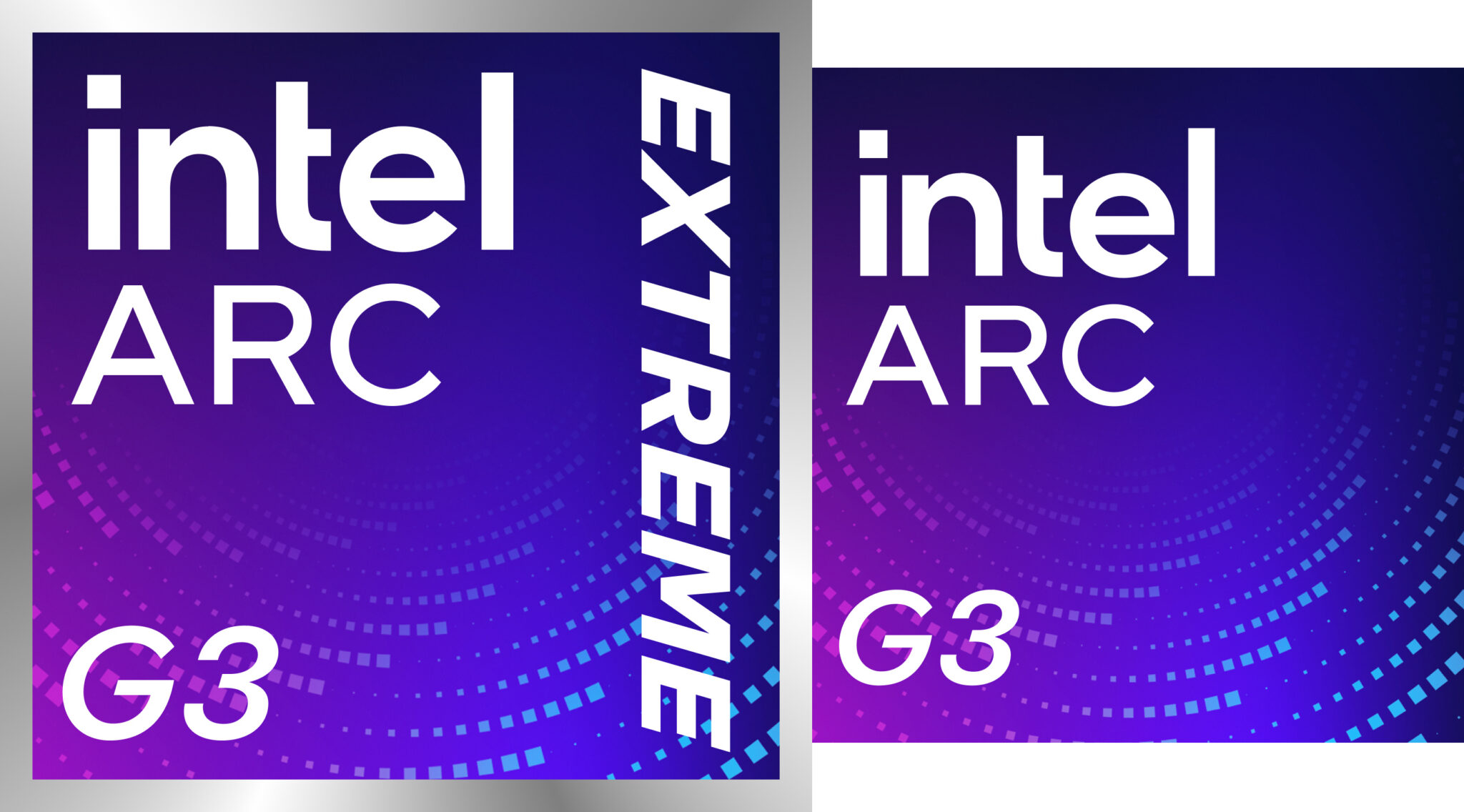
Intel is using Computex 2026 to push both handheld gaming and AI infrastructure. The most gamer focused reveal is the Intel Arc G Series, a new processor family built for next generation Windows 11 gaming handhelds. The lineup begins with Intel Arc G3 and Intel Arc G3 Extreme, based on Intel Core Ultra Series 3 architecture, known by the code name Panther Lake. Intel says these processors are designed specifically for handheld systems, with optimized core counts, power management and software support for portable gaming. Initial partner designs include Acer Predator Atlas 8, MSI Claw 8 EX AI+ and OneXPlayer, giving Intel a stronger position in a handheld market that has quickly become one of the most competitive areas in PC gaming.
Intel also made a broader AI infrastructure push at Computex, announcing chip to rackscale AI solutions that include Xeon based rackscale infrastructure, SambaNova SN 50 RDUs, Vector Core Compute for disaggregated inference, and next generation Intel Xeon 6+ processors built on Intel 18A. The strategy is clear: Intel wants to compete across the full AI stack, from gaming handhelds and client processors to enterprise inference, agentic workloads and physical AI systems. For the PC market, the Arc G Series is the headline. For enterprise and infrastructure, the bigger message is Intel trying to position Xeon and its partner ecosystem as a practical foundation for AI deployment at scale.
AMD did not rely on one large keynote moment, but its Computex 2026 updates are very relevant for gamers and DIY builders. According to AMD Computex 2026 coverage, AMD is bringing back the Ryzen 7 5800X3D as a 10th Anniversary Edition for AM4 users, while also introducing the Ryzen 7 7700X3D for AM5. This is an important strategic move because it supports gamers who want strong 3D V Cache performance without jumping immediately into the highest priced platforms. AMD is also extending AM5 platform support through 2029, which reinforces one of the company’s strongest advantages in the DIY market: long term upgrade confidence.
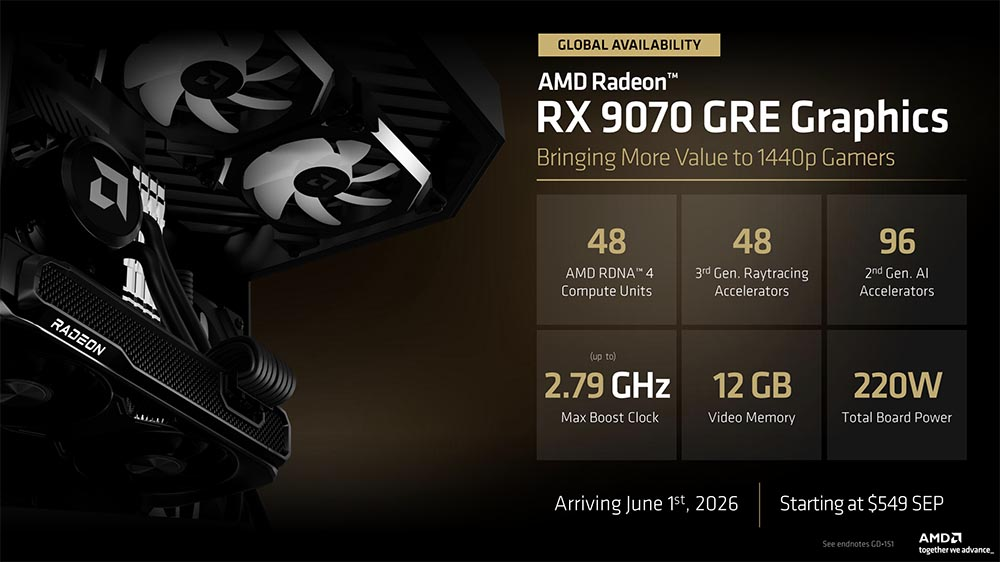
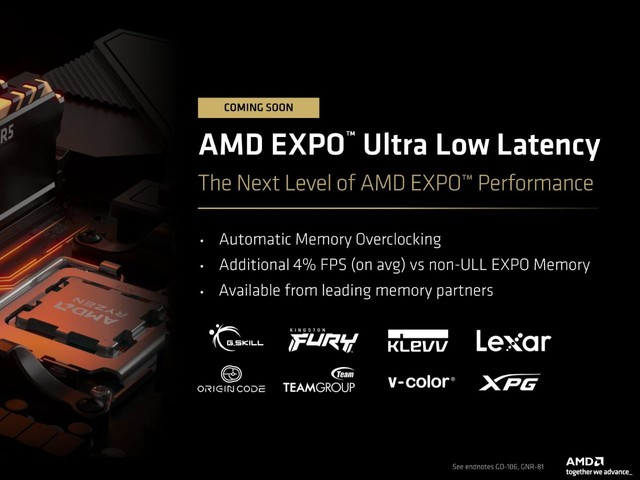
On the graphics side, AMD is expanding Radeon availability with the Radeon RX 9070 GRE for the global market, positioned as a 1440p gaming option with RDNA 4 architecture and 12 GB of graphics memory. The reported SEP is 549$. AMD also introduced EXPO Ultra Low Latency memory profiles, which are designed to improve average FPS and 1 percent lows by tightening memory behavior beyond standard EXPO profiles. For gaming memory partners, this could become one of the most relevant AMD platform updates of the year, especially as latency tuning remains a key performance factor for competitive and enthusiast PC builds.
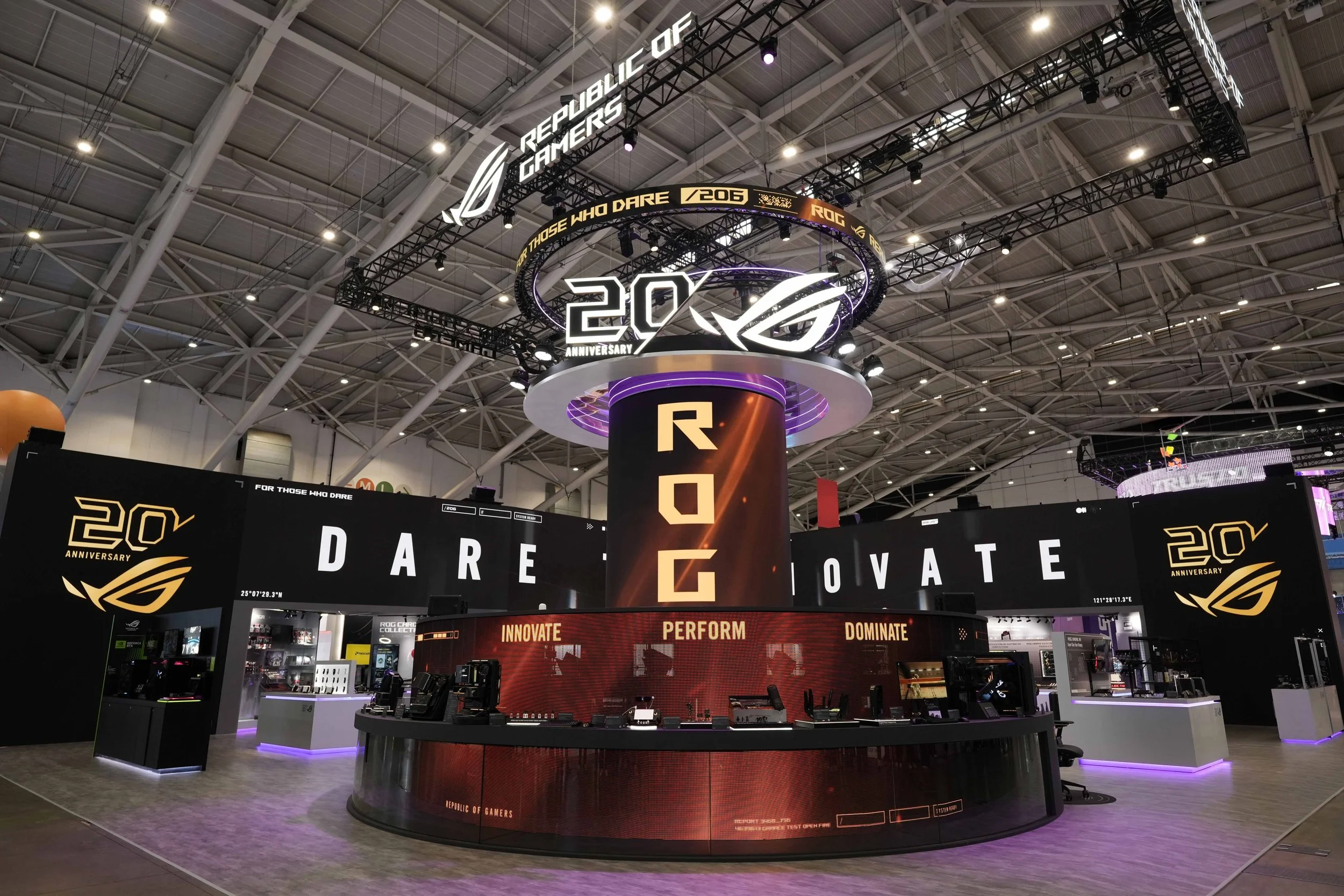
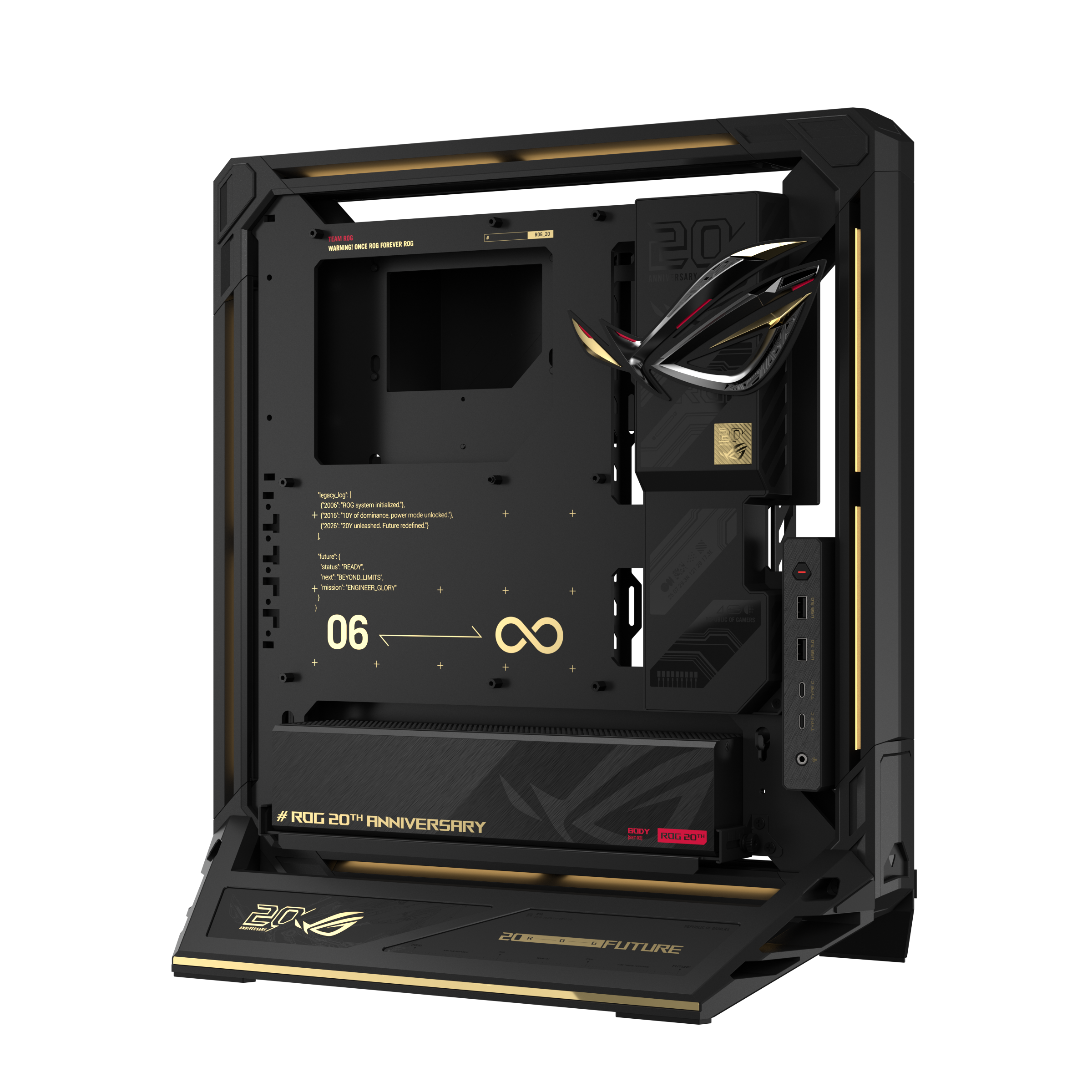
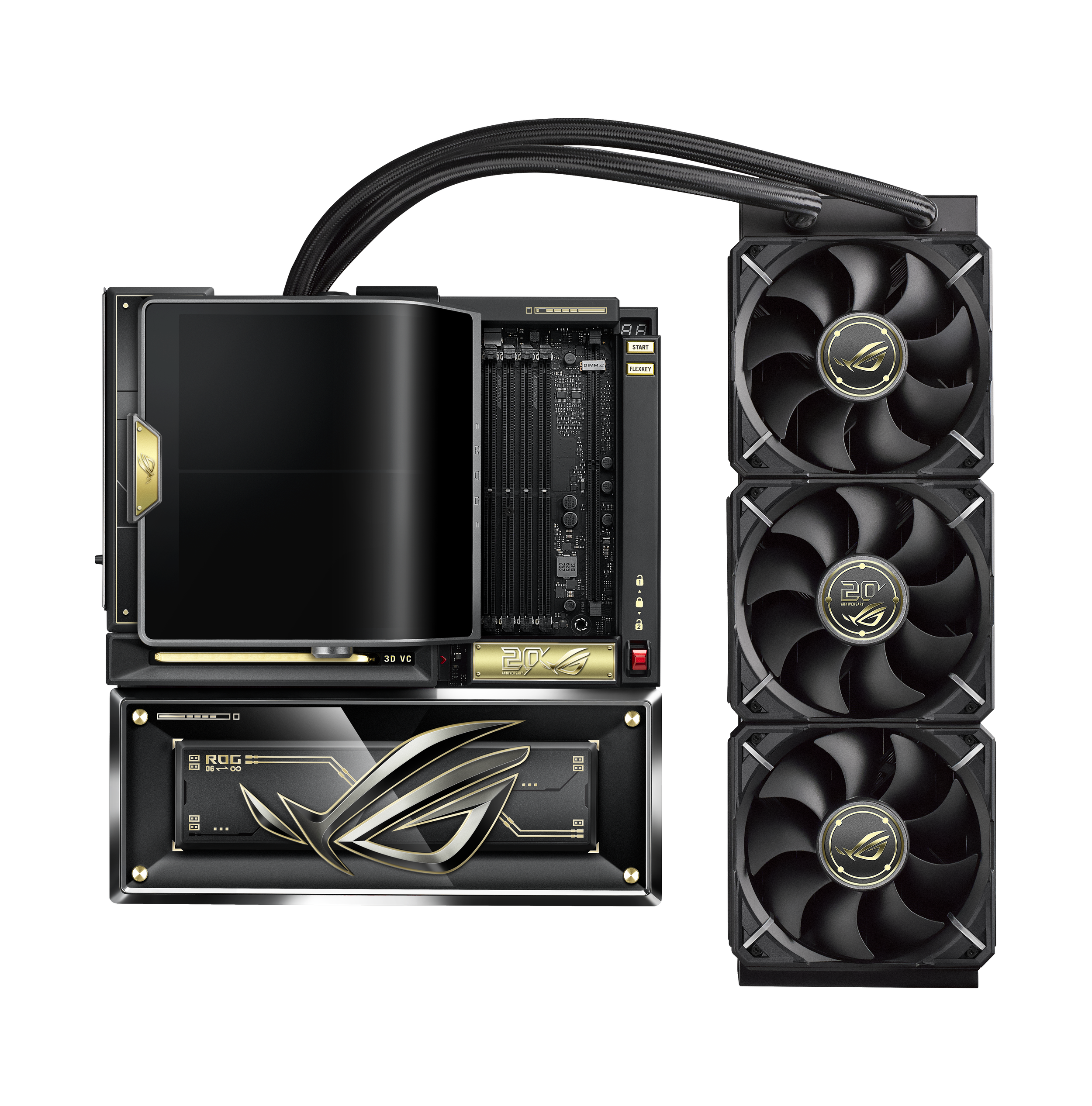
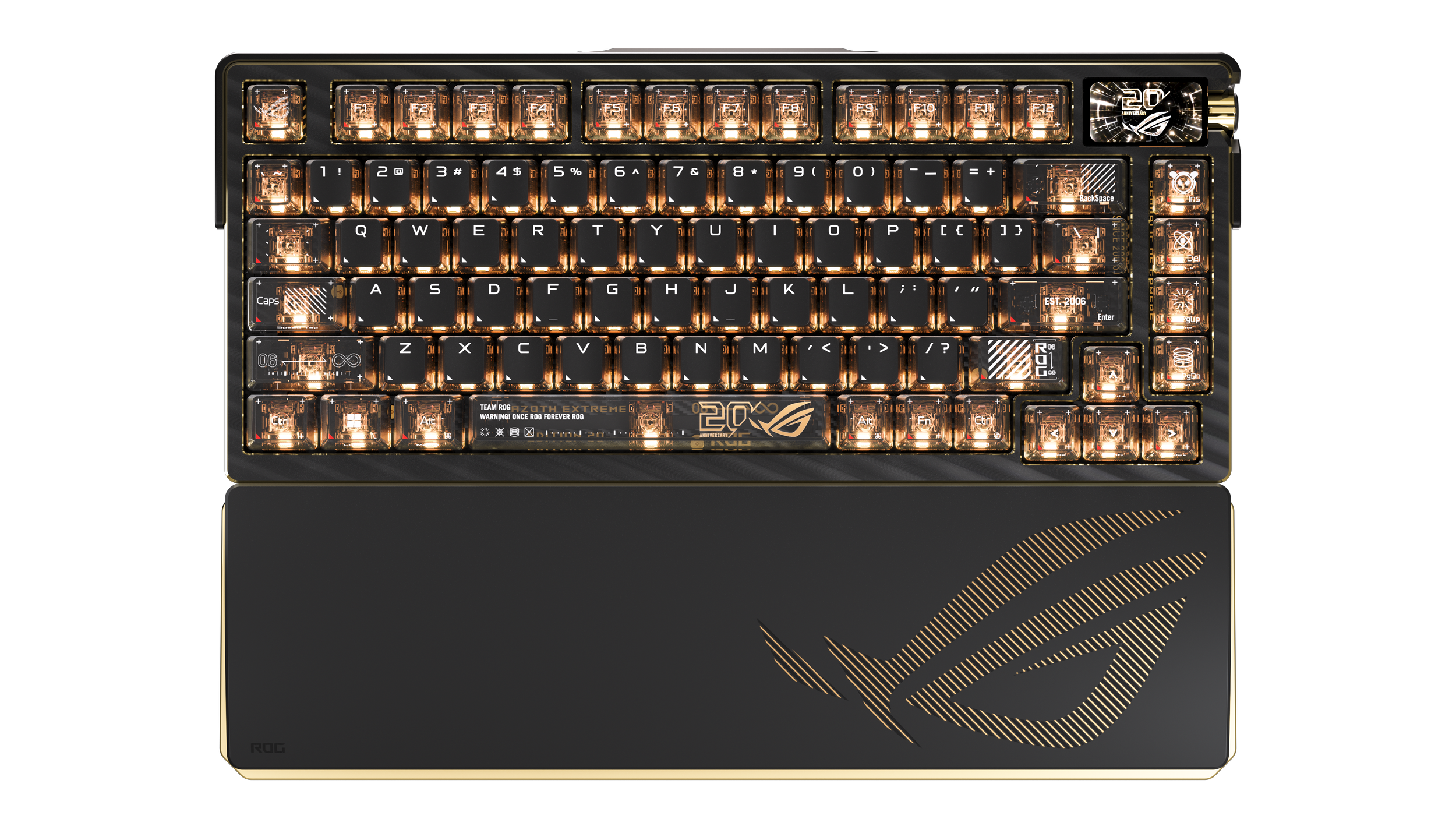
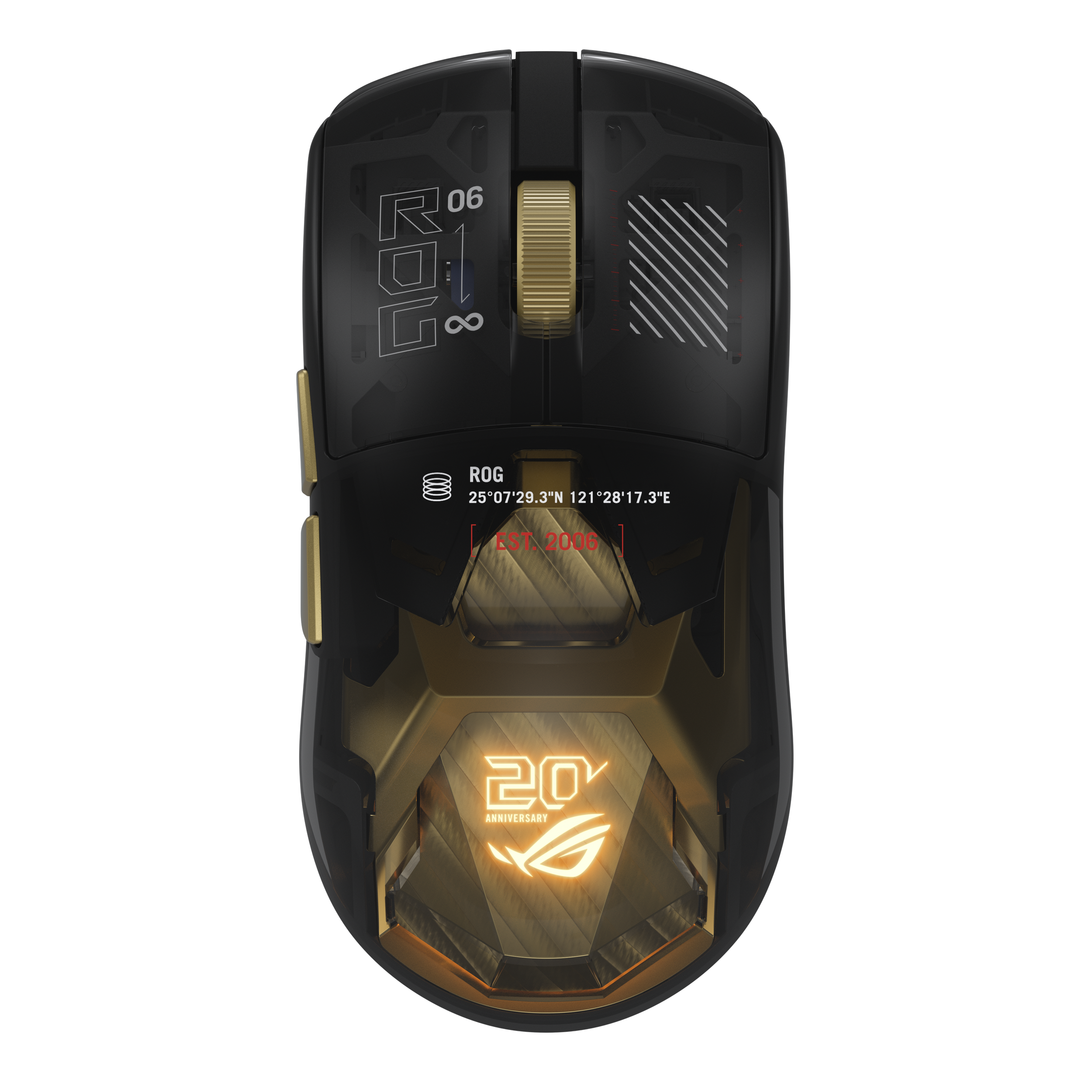
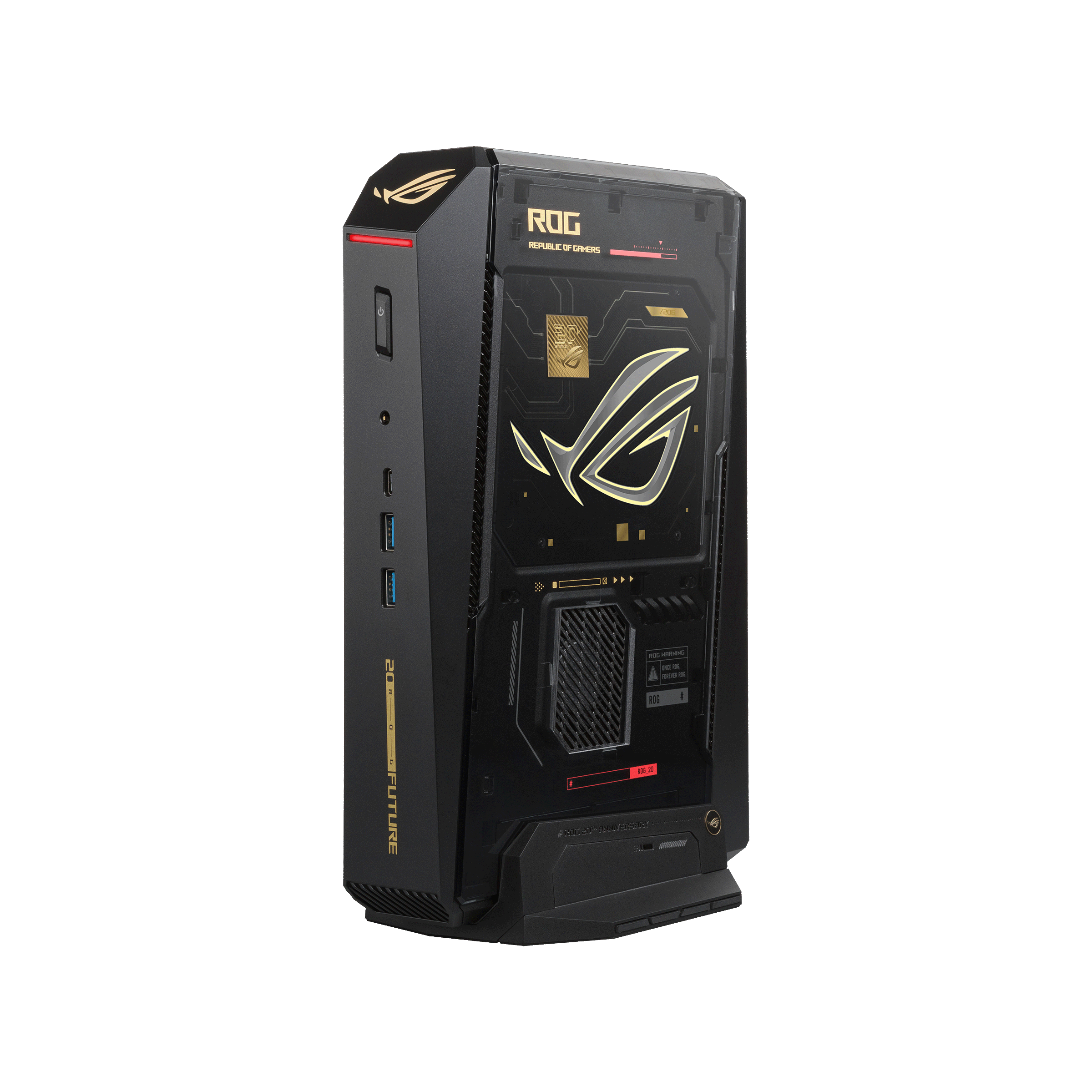
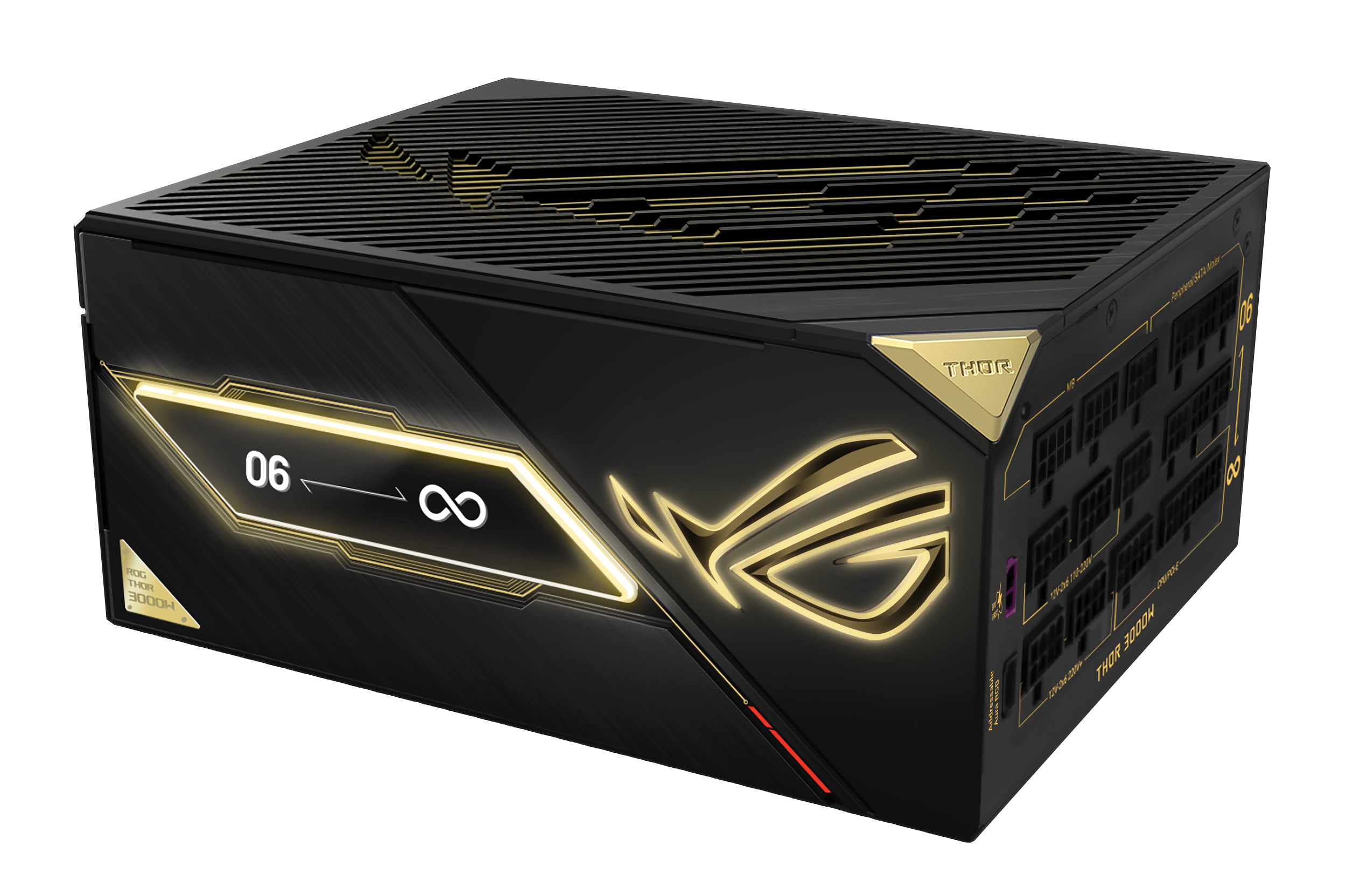
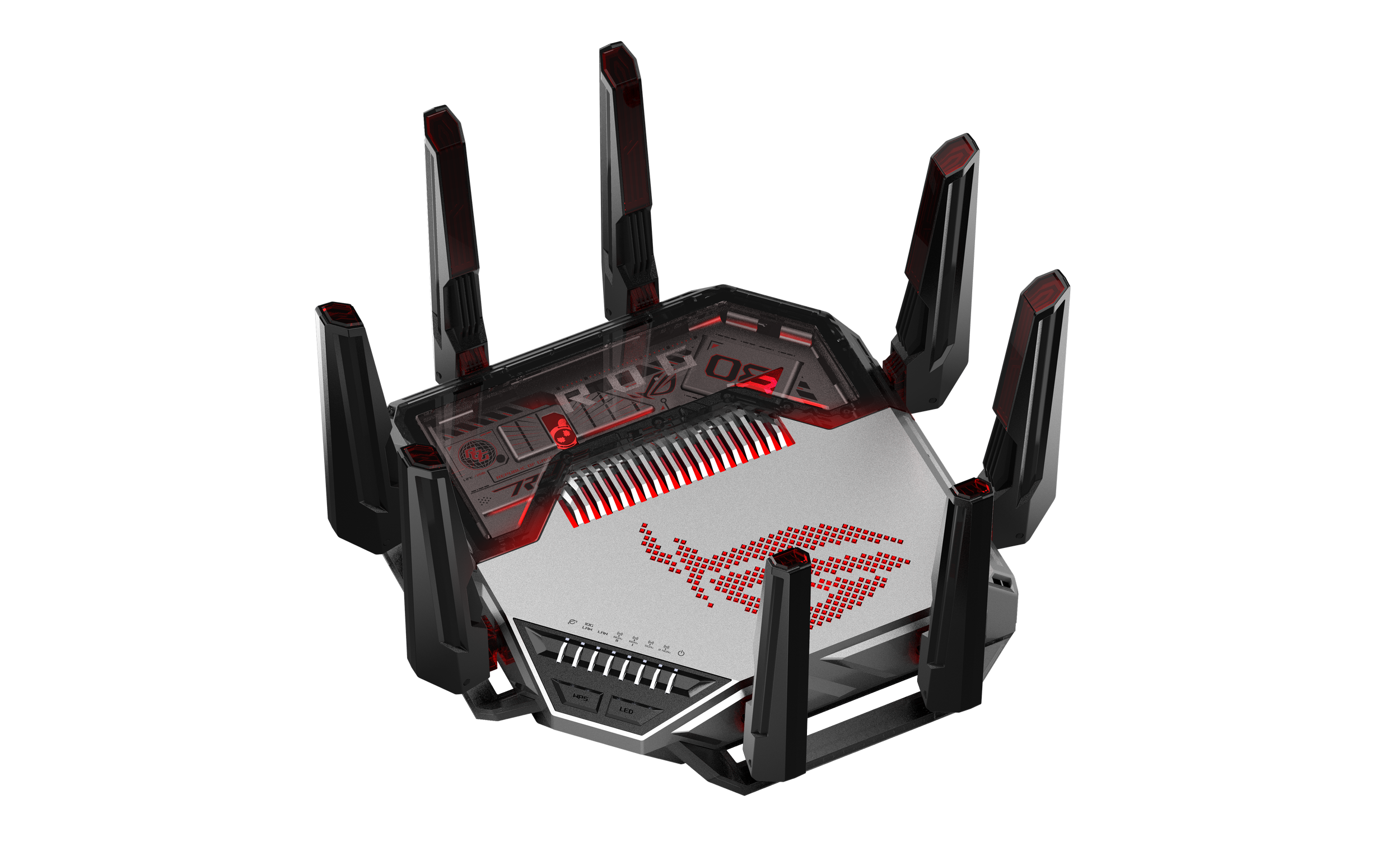
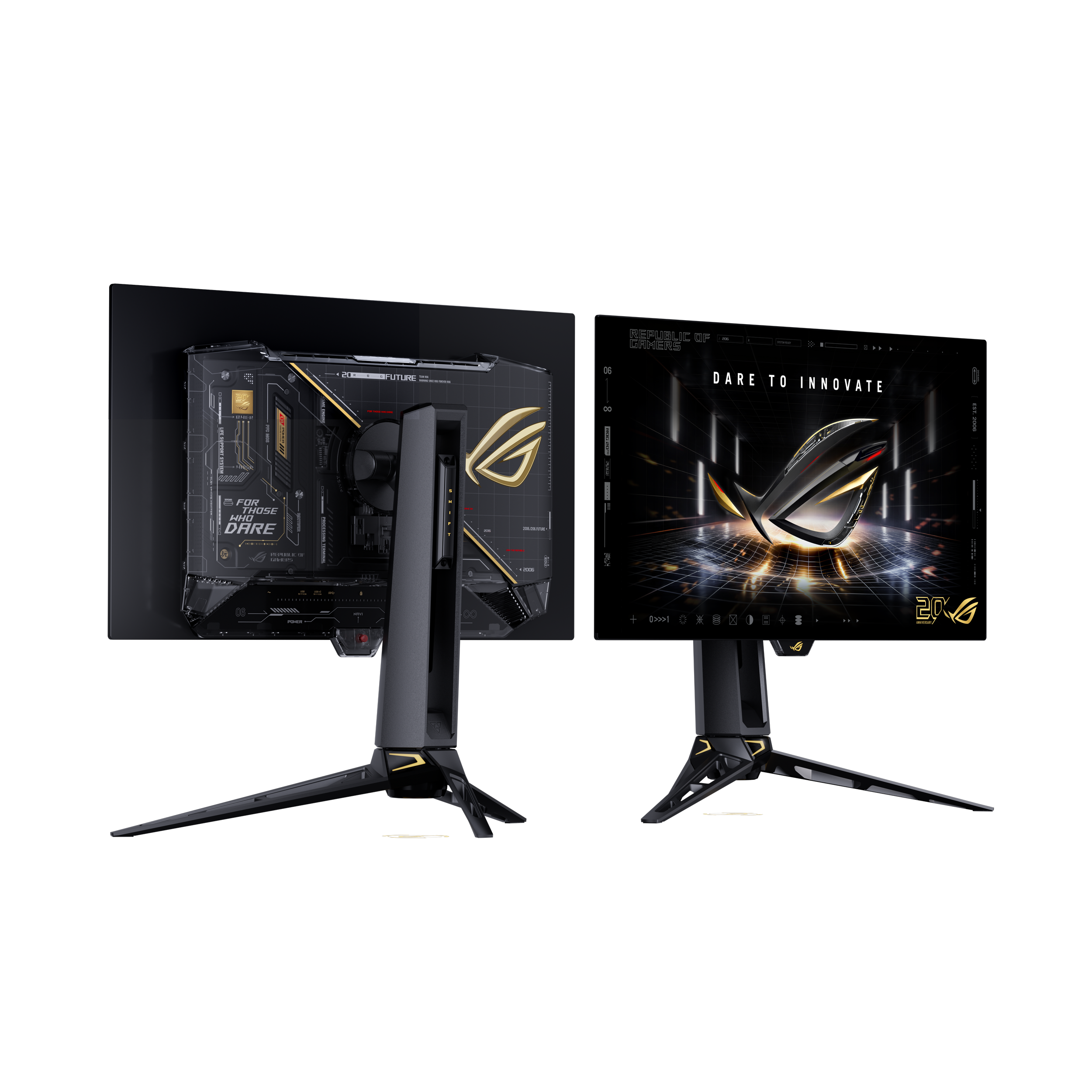
ASUS and ROG made one of the biggest brand focused statements at Computex 2026. The ASUS ROG Computex 2026 showcase celebrates 20 years of Republic of Gamers with the ROG Lab experience, a 20th Anniversary Zone and the limited Edition 20 ecosystem. The showcase includes enthusiast systems, gaming displays, lifestyle products and experimental experiences built around AI, creativity, ergonomics, intelligent systems and immersive gameplay. ROG also received multiple Computex Best Choice Awards 2026 honors, including recognition for the ROG G1000 Edition 20.
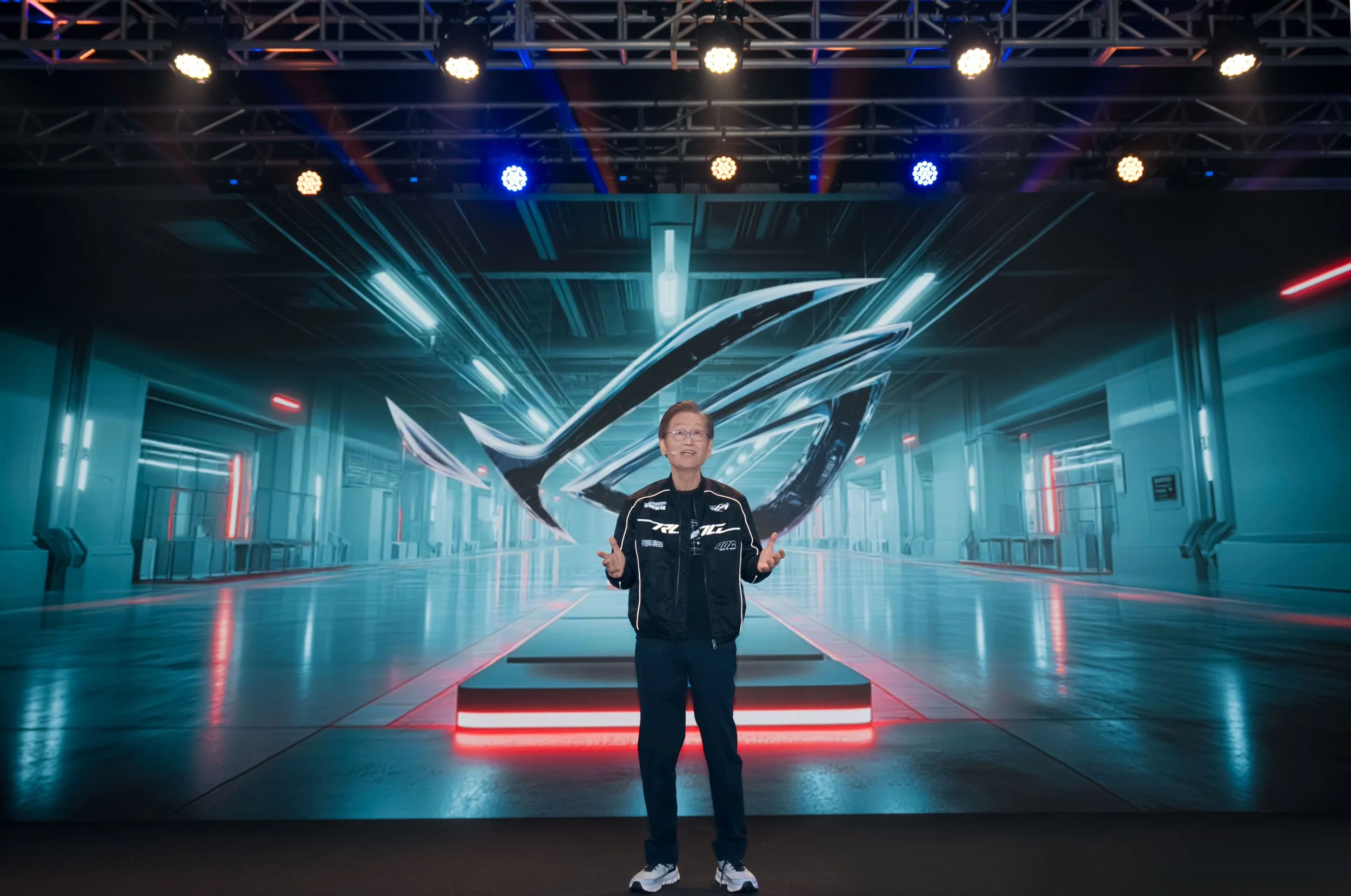
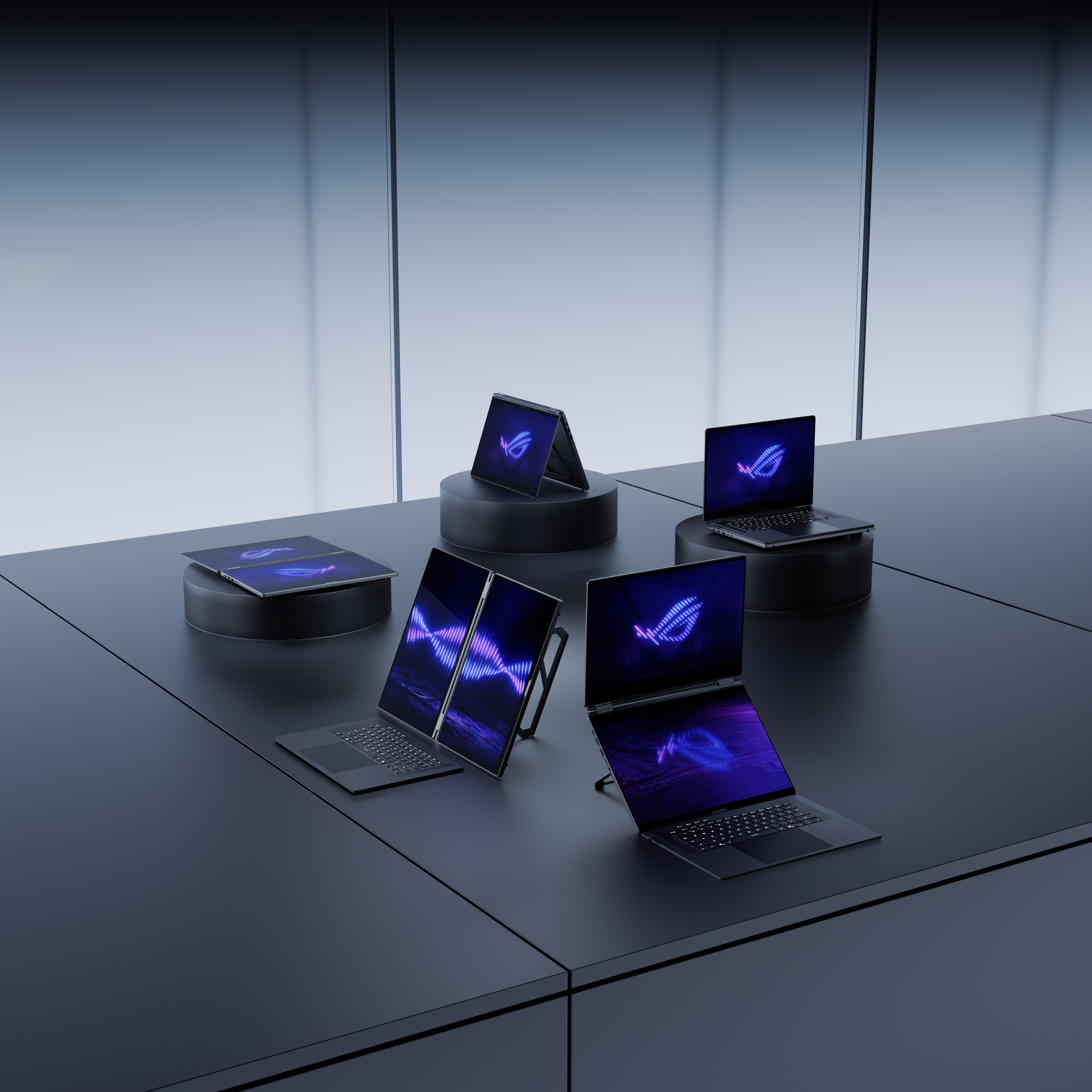
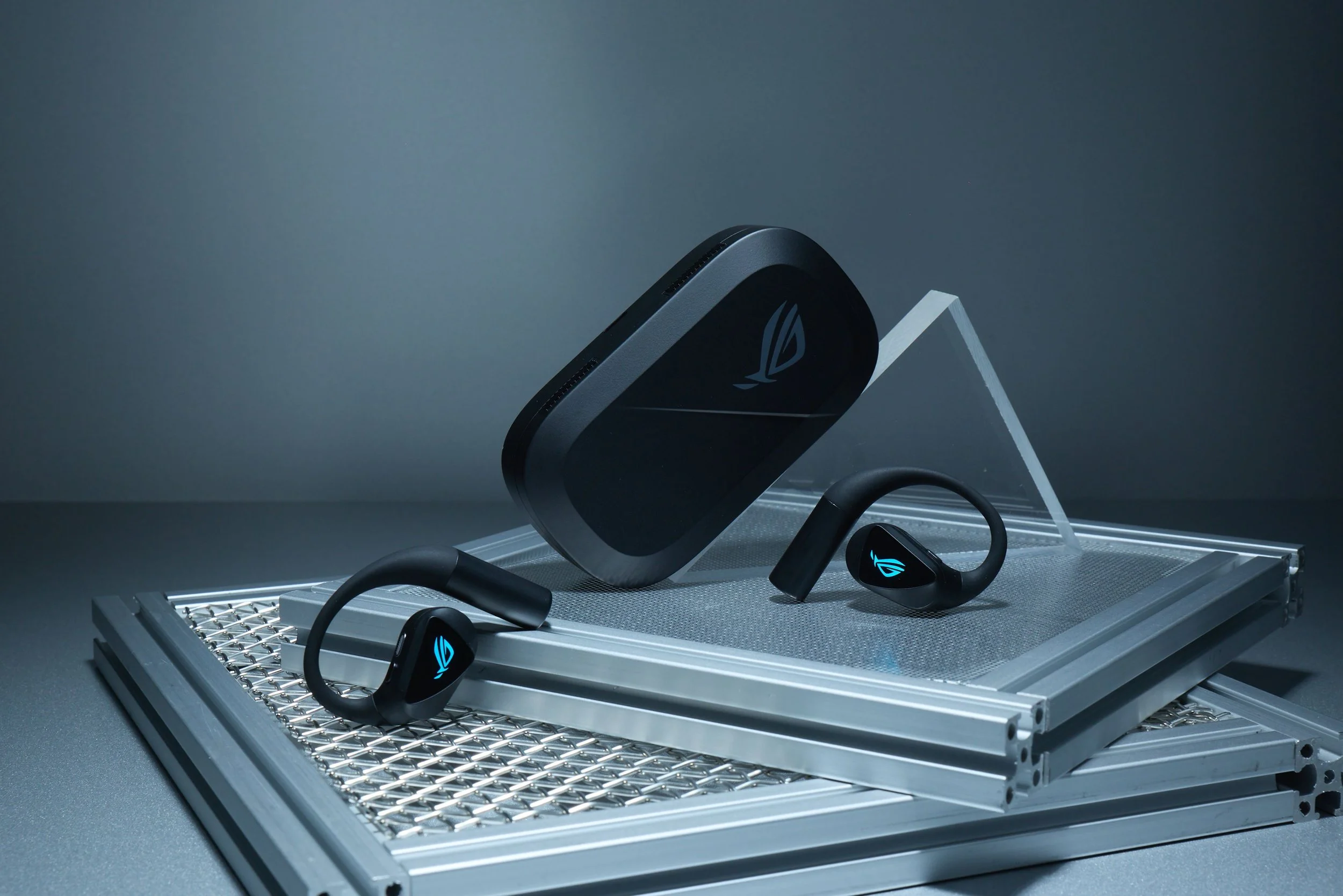
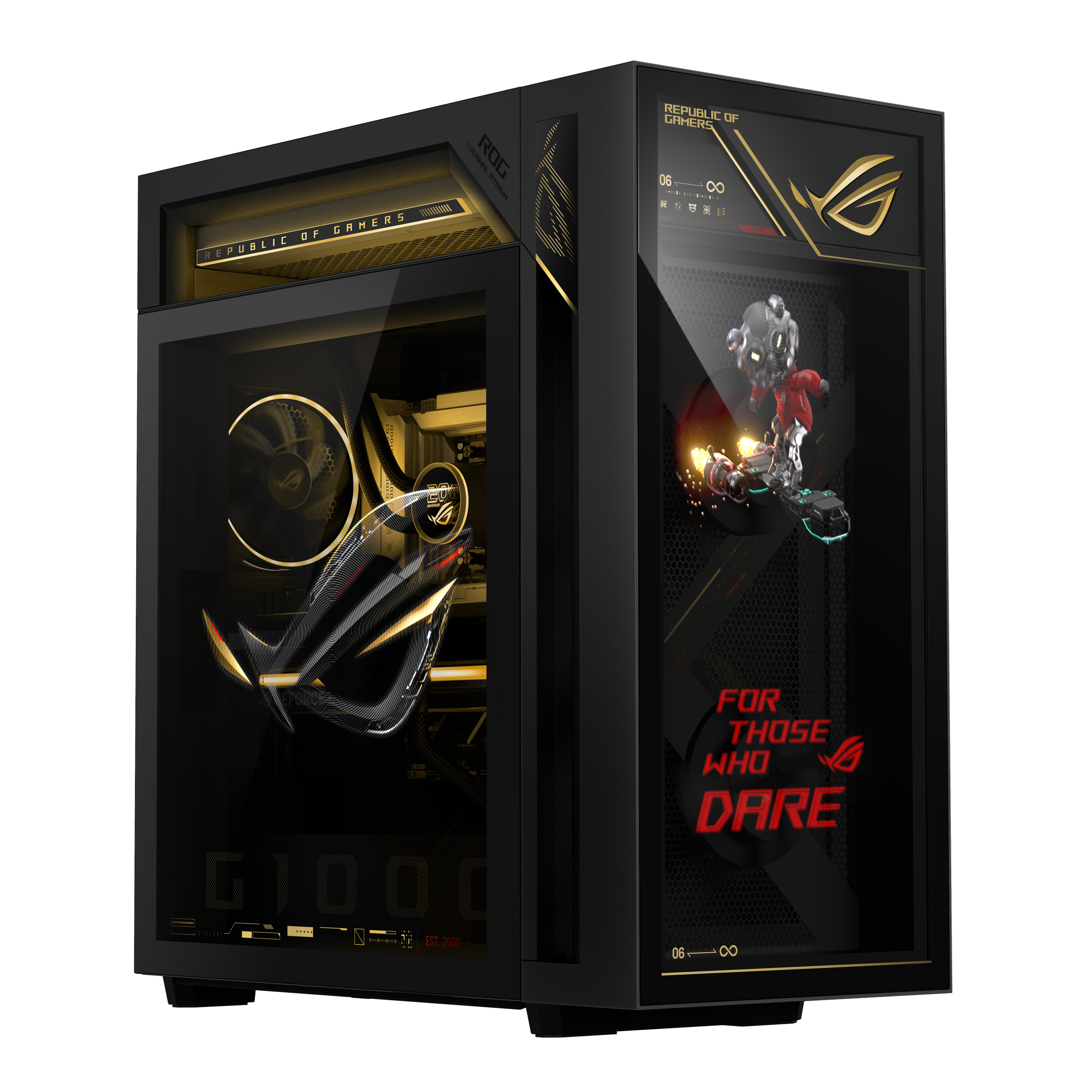
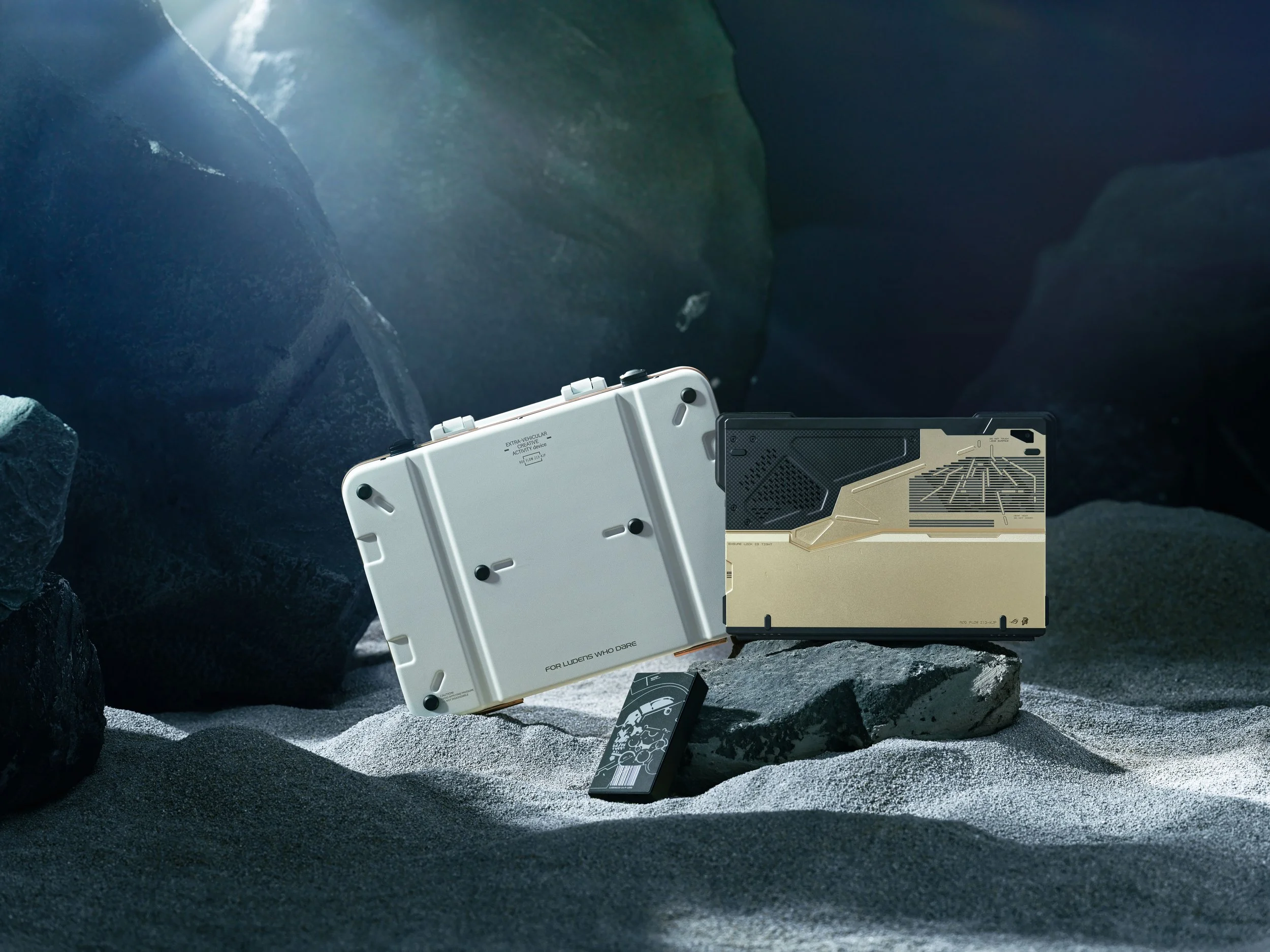

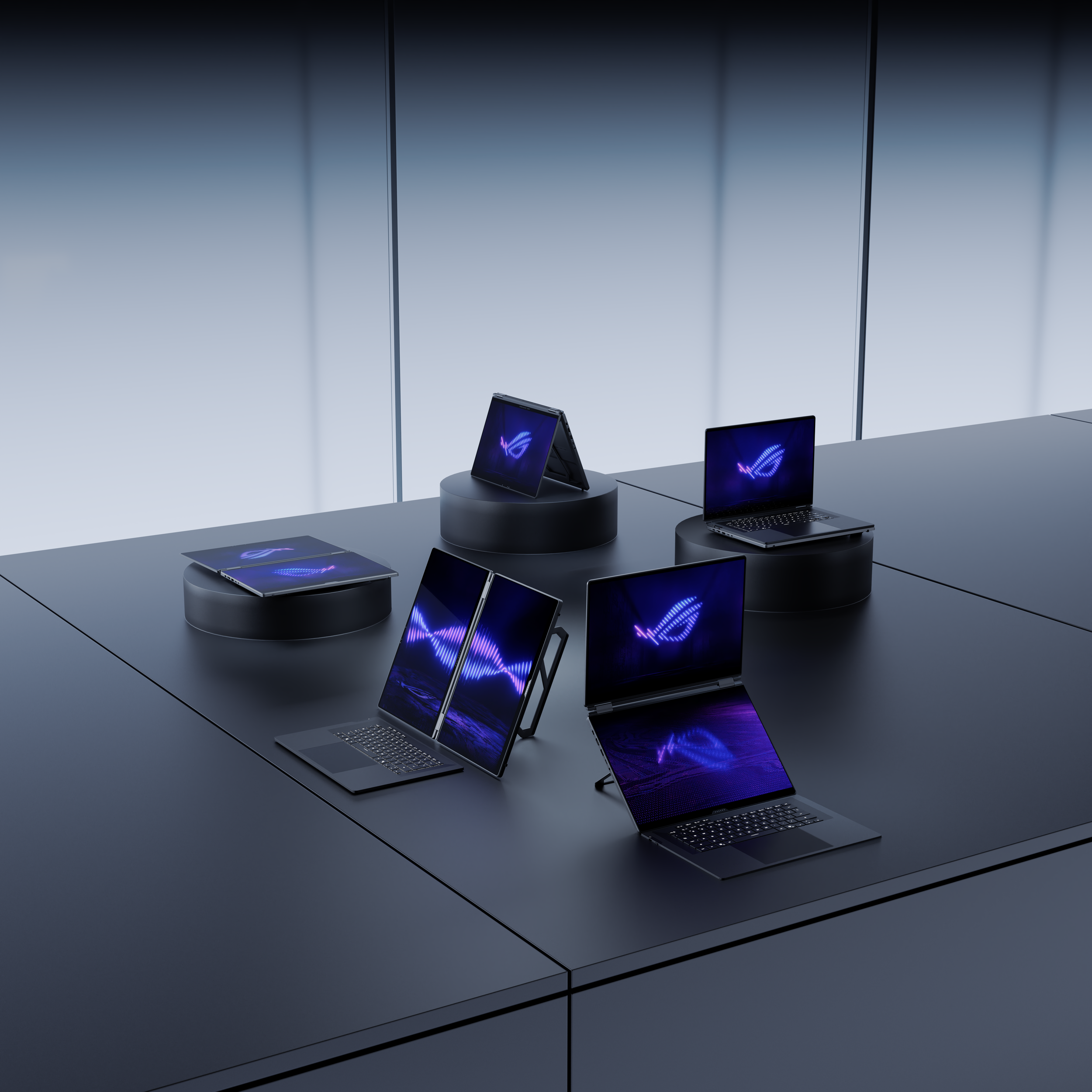
The ROG Edition 20 lineup is especially strong for collectors and high end builders. The ROG G1000 Edition 20 is a flagship gaming desktop with support for up to an NVIDIA GeForce RTX 5090 GPU and a holographic fan system. The ROG NUC 16 Edition 20 targets compact flagship gaming. The ROG XBOX Ally X20 Bundle brings a 7.4 inch ROG Nebula HDR OLED display, AMD Ryzen AI Z2 Extreme processor and ROG XREAL R1 Edition 20 Gaming AR glasses into a premium portable gaming package. ROG also showed the ROG Swift OLED PG27AQWP G Edition 20, a display with dual mode support for QHD at up to 540 Hz or HD at up to 720 Hz, giving esports users a serious performance focused option.
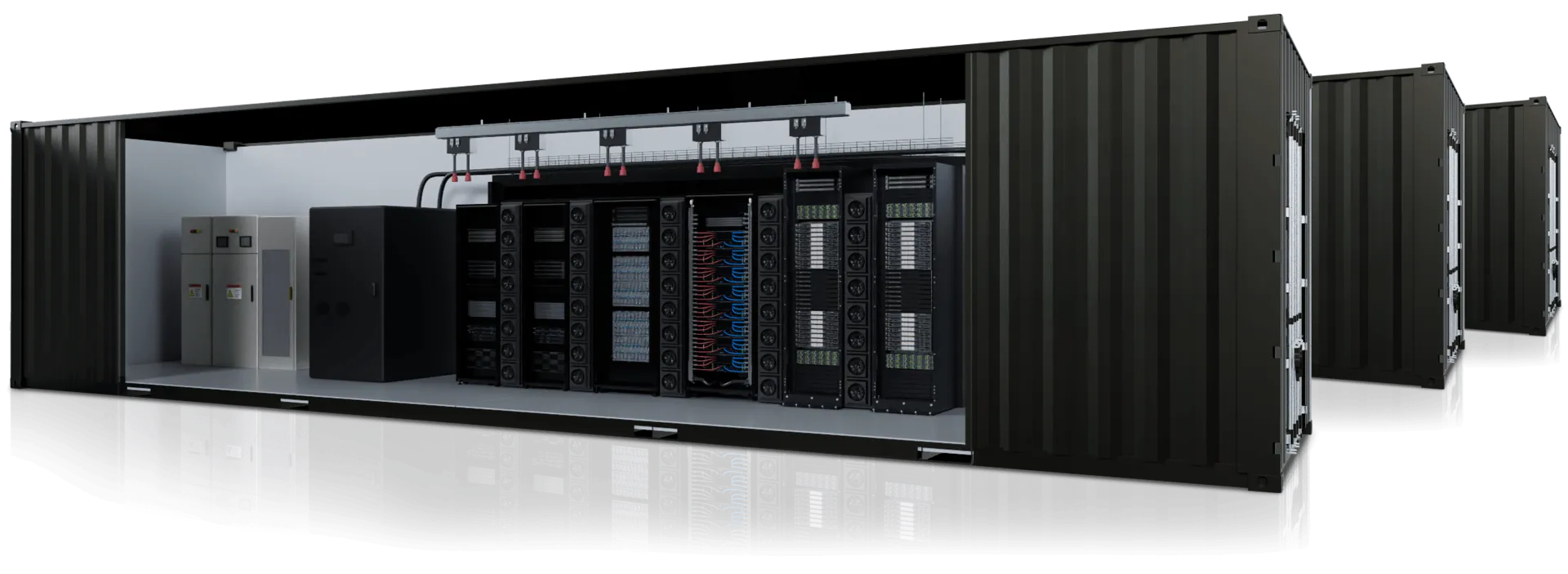
GIGABYTE is using Computex 2026 to highlight the enterprise side of the AI revolution. The GIGABYTE Computex 2026 showcase focuses on AI infrastructure, AI factories, green computing, edge AI, physical AI and data center deployment. Its GAIFA platform, or GIGABYTE AI Factory Accelerator, is designed as a full stack AI data center solution powered by NVIDIA AI infrastructure, NVIDIA Quantum X800 InfiniBand, Spectrum X Ethernet and GIGABYTE POD Manager software. GIGABYTE is also presenting GADU, an Accelerated Deployment Unit concept that packages IT nodes into modular containers with dedicated power and cooling systems, aiming to accelerate AI deployment for enterprises and institutions.

GIGABYTE’s Computex direction shows how PC hardware brands are moving deeper into infrastructure. The same companies that build motherboards, graphics cards and gaming laptops are now talking about rack scale AI, direct liquid cooling, immersion cooling, data center software and physical AI use cases. This is a major shift for the industry, because the AI boom is no longer only about GPUs. It is about deployment speed, thermal management, energy efficiency, software integration and the ability to scale from local devices to full AI factories.
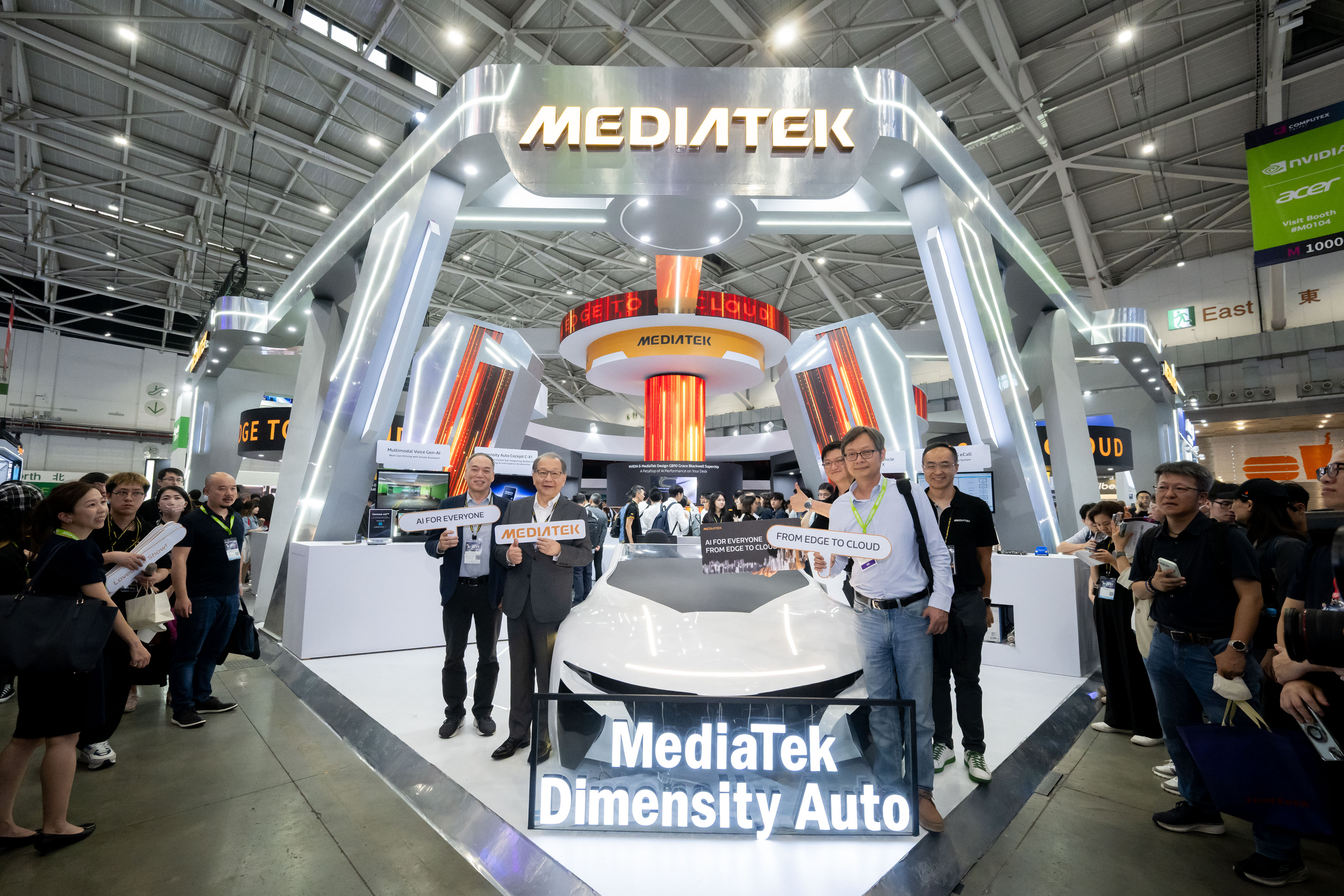
MediaTek is also expanding its role at Computex 2026 with its MediaTek Computex 2026 showcase, titled AI Without Limits. MediaTek is presenting edge to cloud AI technologies across automotive, connectivity, display, mobile, IoT, data center, smartphone AI and personal computing. One of the most important angles is its collaboration with NVIDIA on RTX Spark, where MediaTek contributes CPU, connectivity and power efficiency expertise to the new Windows PC platform. MediaTek also showed automotive AI platforms, 5G Advanced connectivity, WiFi 8 related solutions, AI display scaler technology, on device generative AI and robotics applications, making its presence much broader than traditional mobile silicon.
From a gaming and PC hardware perspective, Computex 2026 feels like a turning point. NVIDIA is making local AI personal. Intel is entering the next phase of handheld gaming. AMD is reinforcing platform longevity and low latency memory performance. ASUS ROG is turning its 20 year milestone into a full gaming ecosystem showcase. GIGABYTE is moving aggressively into AI infrastructure. MediaTek is expanding from mobile and connectivity into AI PCs, automotive, edge systems and data center technologies.
The biggest takeaway is that Computex 2026 is not only about faster CPUs, stronger GPUs or brighter RGB. It is about where computing is heading next. Gaming PCs are becoming AI workstations. Handhelds are becoming serious Windows gaming platforms. Memory tuning is becoming part of the FPS conversation. AI desktops are becoming local agent platforms. Data centers are becoming modular AI factories. For gamers, creators, builders and technology brands, the new Computex message is clear: the next generation PC will be more intelligent, more portable, more connected and more specialized than ever before.
What Computex 2026 announcement impressed you the most so far: RTX Spark AI PCs, Intel Arc G Series handheld chips, AMD’s gaming platform updates, or the ROG Edition 20 lineup?
