
Acer Unveils Predator ATLAS 8 as Its First Intel Arc G3 Extreme Handheld With 8 Inch 120Hz Display
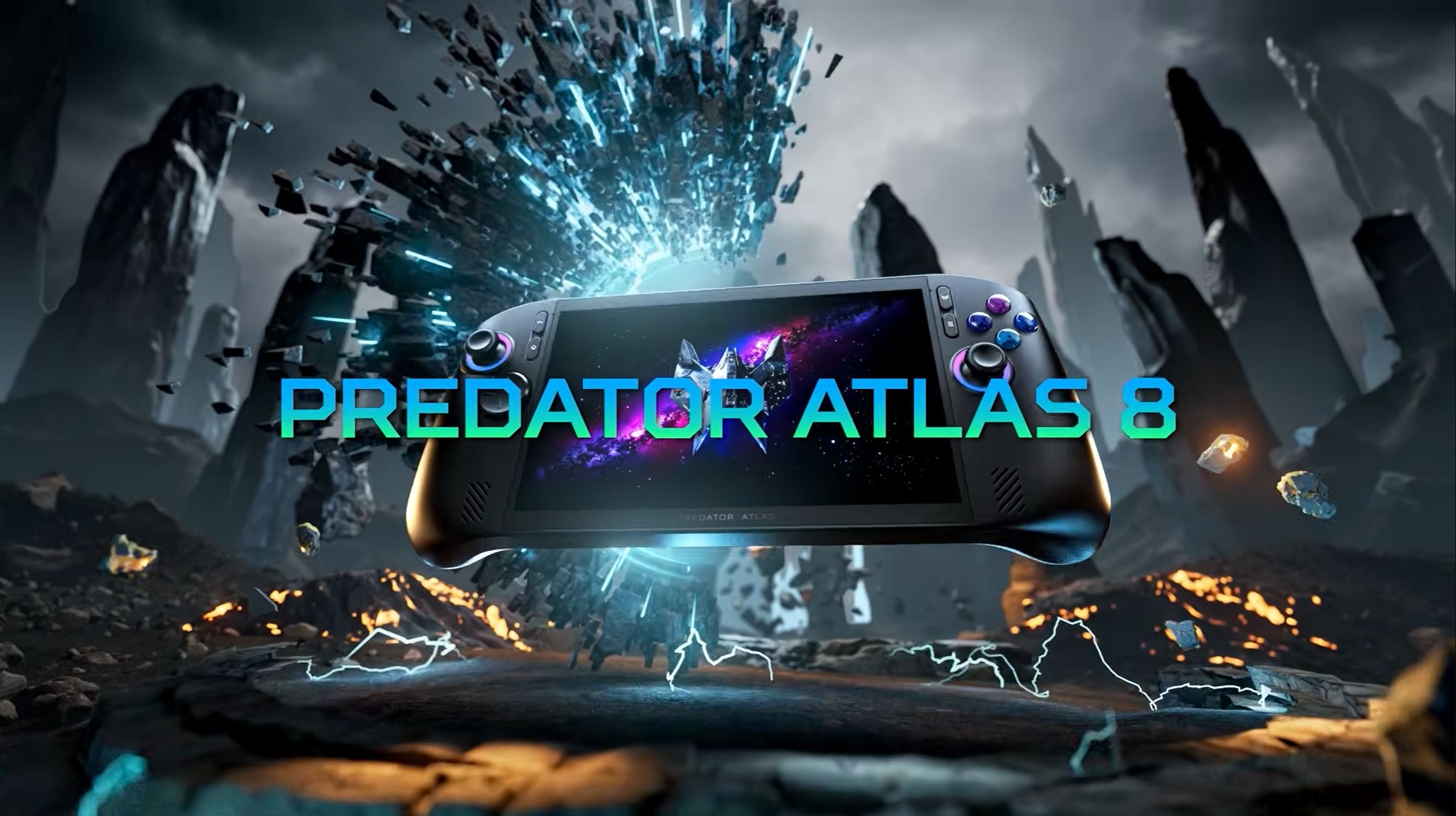
Acer has officially entered the new Intel handheld wave with the Predator ATLAS 8, its first gaming handheld built around Intel’s Arc G3 platform and configurable up to the Arc G3 Extreme processor. That makes it one of the earliest confirmed systems to adopt Intel’s new dedicated handheld silicon, placing Acer directly into a fast growing segment that has recently been led far more heavily by AMD based devices.
The Predator ATLAS 8 is built around an 8 inch WUXGA touch display with a 1920 x 1200 resolution, a 16:10 aspect ratio, 120Hz refresh rate, VRR support, and up to 500 nits of brightness. Acer is also promoting 100% sRGB coverage, Gorilla Glass Victus, and Gorilla Glass DXC, which gives the handheld a stronger premium positioning than a basic portable gaming panel. For players who care about both clarity and smooth motion, this is the kind of screen spec that immediately makes the device more competitive in the upper handheld tier.
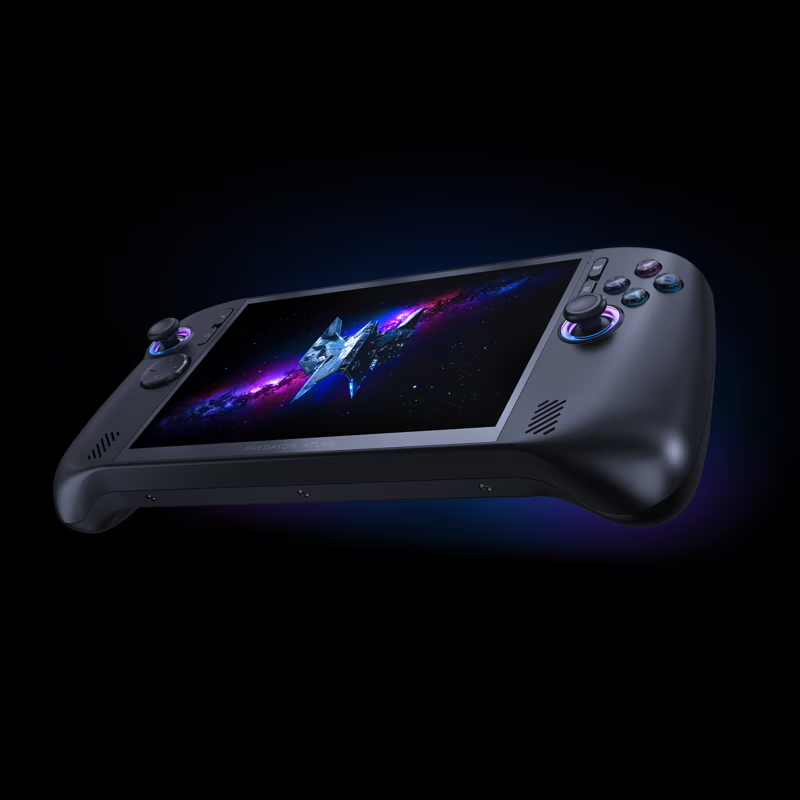
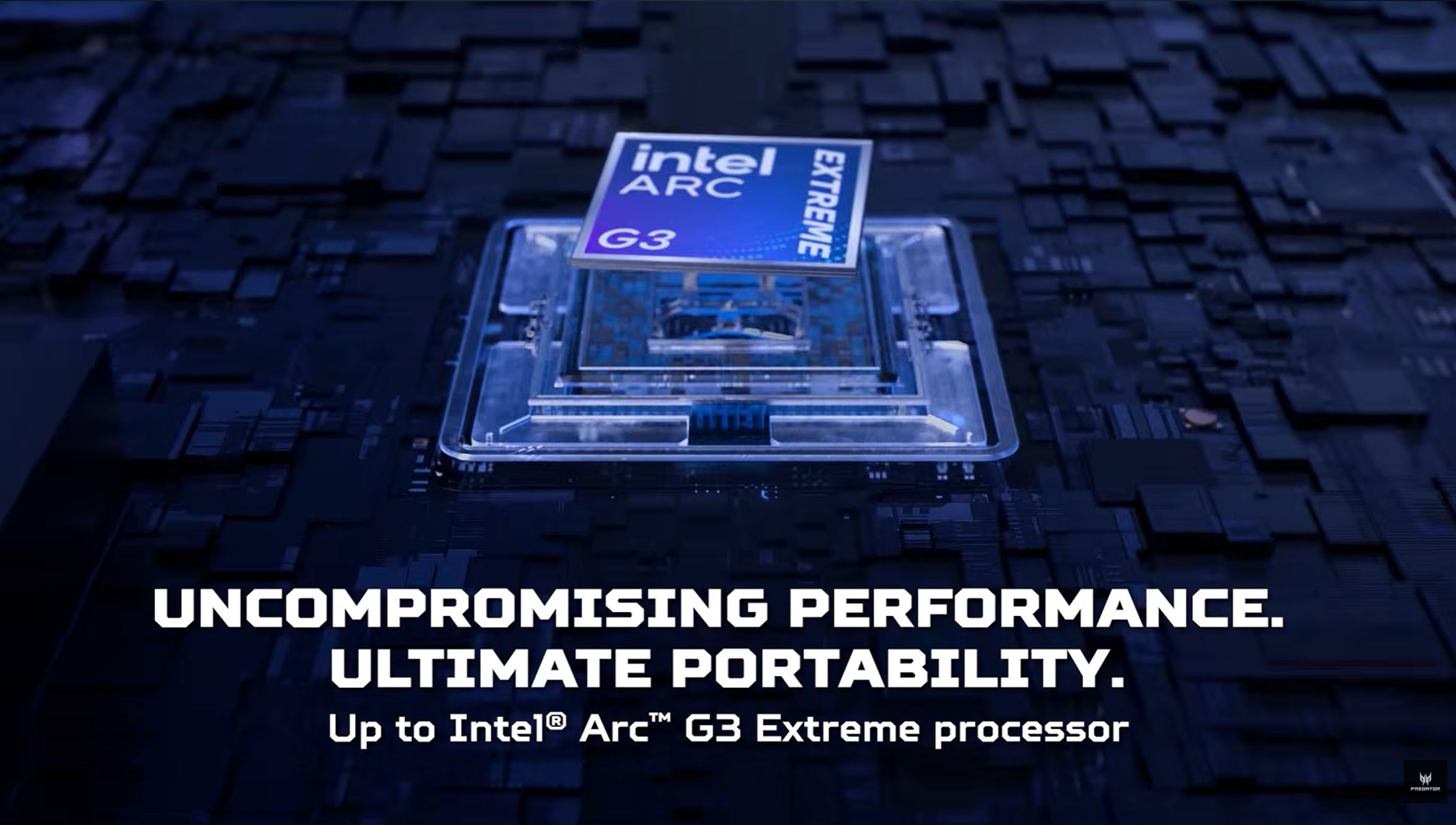
On the hardware side, Acer confirms processor options up to Intel Arc G3 Extreme, alongside graphics options up to Intel Arc B390. The company is pairing that with up to 24GB of LPDDR5x memory at 7467 MT/s and up to 1TB of PCIe Gen 4 NVMe storage, which gives the ATLAS 8 a specification profile aimed squarely at modern AAA gaming and heavier Windows based handheld use. This is not being framed as a lightweight indie machine. Acer is clearly targeting a more serious handheld gaming audience that wants more performance headroom and more premium features.
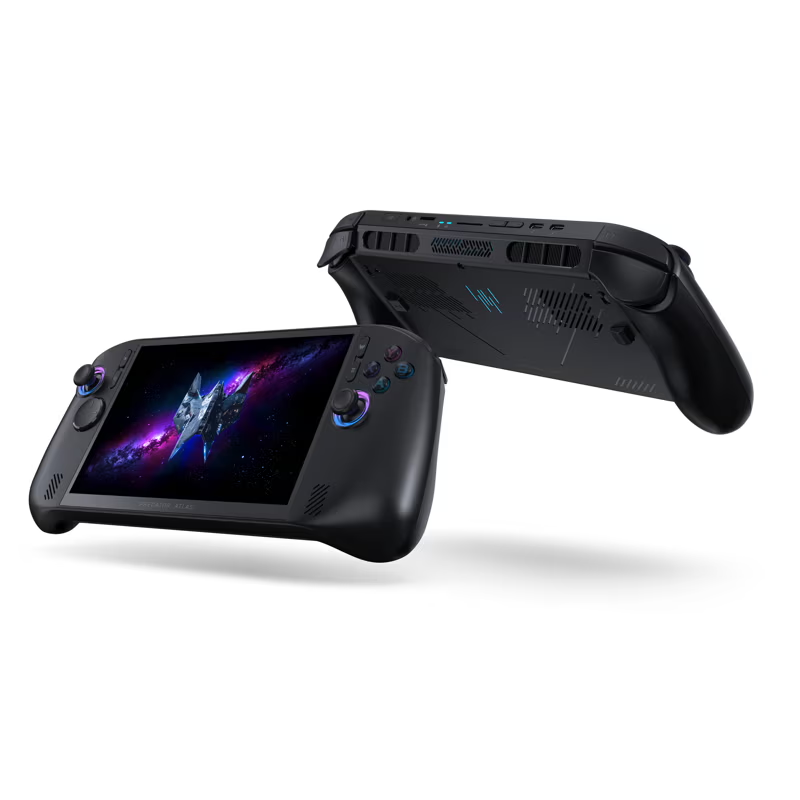
Cooling is another major part of Acer’s pitch. The Predator ATLAS 8 uses a dual fan thermal design with Vortex Flow, including one Predator AeroBlade metal fan and one plastic fan. Acer says this setup can deliver more than 10% higher airflow, while the handheld also supports performance tuning through PredatorSense, giving users access to live monitoring, performance controls, and RGB customization. In practical terms, that suggests Acer wants this device to feel closer to a compact Predator gaming product than a simple portable console alternative.
The rest of the package looks well rounded for a premium Windows handheld. Acer lists dual Thunderbolt 4 ports, UHS II microSD support, Bluetooth 5.4, Intel Killer Wi Fi 7, Hall effect analog triggers, macro buttons, a fingerprint power button, and up to an 80Wh battery, with some models also offering a 60Wh option. That mix of battery capacity and connectivity gives the Predator ATLAS 8 a strong desktop adjacent profile, which matters for users who want a handheld that can also serve as a docked or travel friendly PC gaming machine.

Acer has also now clarified availability. The Predator ATLAS 8 is scheduled to arrive in North America, EMEA, and Australia starting in October 2026, although the company has not yet announced pricing. That means the device is no longer just a concept reveal. It is a real product with a defined regional launch window, even if the final price point will do a lot to determine how aggressive its market position really becomes.
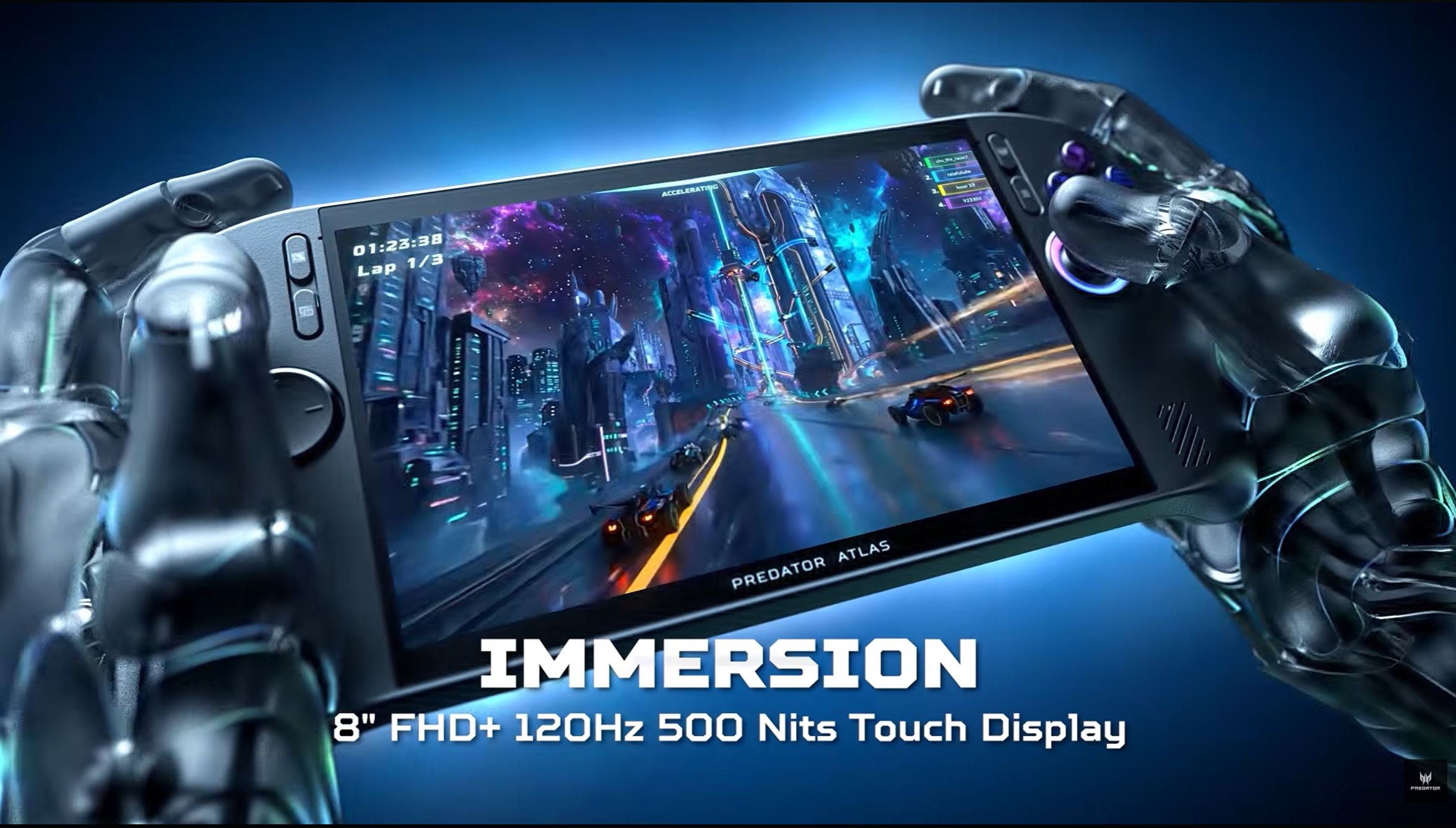
Strategically, this launch matters because it shows that Intel’s new handheld push is gaining real OEM traction right away. Acer is not treating Arc G3 as an experiment hidden under a lower tier brand. It is placing the chip inside the Predator family, which sends a stronger message about confidence, performance intent, and brand value. In a market where hardware identity matters almost as much as raw specifications, that is a meaningful signal.
What do you think about the Predator ATLAS 8 so far, does Acer have a real chance to turn Intel’s Arc G3 Extreme into a serious handheld contender?
