
The Elder Scrolls VI Faces a No Win Situation as Fan Expectations Turn Into the Biggest Development Risk
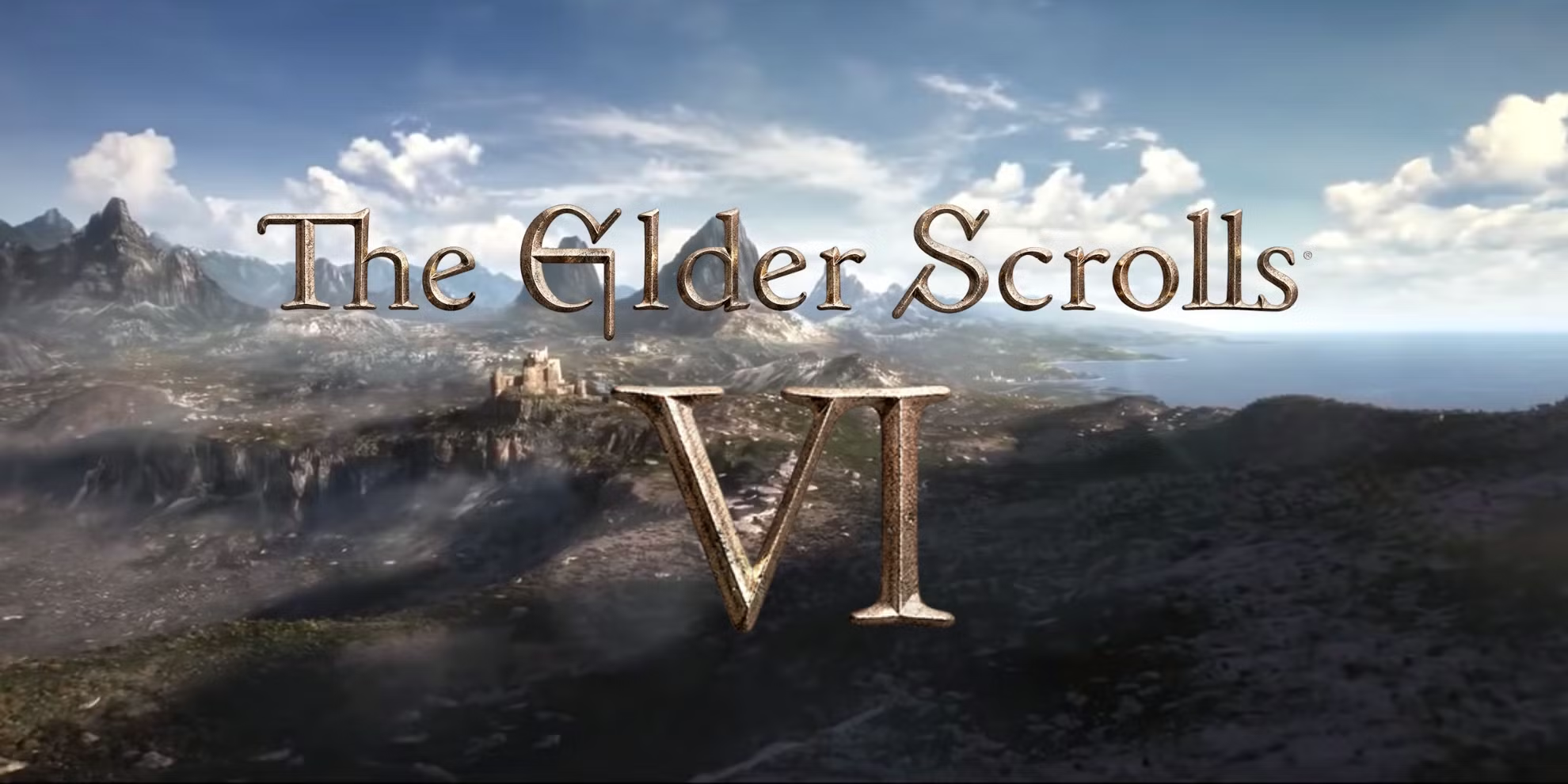
Very little is officially known about The Elder Scrolls VI beyond the fact that it is in development and will arrive at some point, but that information vacuum has not slowed community hype. If anything, it has amplified it. With nearly 15 years having passed since The Elder Scrolls V Skyrim launched, the next entry is being treated less like a normal sequel and more like a once in a generation event, and that creates a pressure profile that is uniquely hard to manage.
Former Bethesda lead artist Nate Purkeypile, who worked on Fallout 3, Fallout 4, Fallout 76, and Skyrim, argues that this level of anticipation has pushed The Elder Scrolls VI into what he calls a no win situation. In an interview with Esports Insider, Purkeypile frames the challenge in blunt terms: Skyrim sits in the cultural category of all time greats, and that legacy makes it extremely difficult for any follow up to satisfy everyone. Even if The Elder Scrolls VI ends up being just as good as Skyrim, he believes a portion of the audience will still respond with hostility, and he expresses concern that the studio will once again face hateful commentary and even threats.
That is the uncomfortable truth of modern fandom economics. When the wait stretches this long, expectations become personalized. Players do not just want a great RPG, they want their specific version of what Skyrim meant to them, upgraded for a new era without losing the nostalgia shaped identity they carry. At that point, design decisions stop being evaluated purely on quality and start being judged as ideological choices. Every change becomes a battleground, every missing feature becomes proof of betrayal, every new system is attacked for not being the old system. From a production perspective, this is not just community noise, it is a direct risk to morale, staffing stability, and long term trust.
Purkeypile also makes an important point about what kind of pressure Bethesda is likely operating under. He suggests there is less economic pressure to ship The Elder Scrolls VI on a fixed date, and more economic pressure to make sure it is actually good. That is a meaningful distinction. A date driven pipeline can force premature releases, but a quality driven pipeline can create healthier decision making as long as leadership is honest with the team about timelines and avoids shifting goalposts in ways that grind developers down. His view is that taking the time needed to hit quality is a good thing, provided internal communication stays transparent and credible.
He also dismisses the idea that the game’s schedule is about waiting to see Grand Theft Auto VI’s reception, noting that audience overlap does not automatically mean one game’s performance determines another’s outcome. A game can succeed or fail for countless reasons, and live market conditions do not change the core reality that Bethesda needs to deliver a compelling RPG on its own merits.
From a gamer lens, the Starfield context is impossible to ignore. While it is a different genre and structure, its reception in 2023 and the ongoing debate around updates and the Shattered Space expansion inevitably raise the stakes for The Elder Scrolls VI. Bethesda is now building its next flagship fantasy RPG in an environment where trust is more fragile, expectations are more inflated, and social media amplifies the worst reactions faster than any studio can respond.
The strategic takeaway is clear. The Elder Scrolls VI is not just fighting for greatness, it is fighting for narrative control. Bethesda’s best path is likely to manage scope carefully, prioritize handcrafted depth over inflated scale, and communicate clearly enough to reduce expectation drift without over promising. If the studio can deliver a strong core fantasy simulator with meaningful systems, memorable world building, and modern quality of life, it can win the market. But it may still lose parts of the conversation, simply because the hype has become impossible to satisfy universally.
Do you think Bethesda can realistically meet the Skyrim level legacy expectations for The Elder Scrolls VI, or has the wait itself made a clean win impossible no matter how good the final game is?
