
New GOG Owner Michał Kiciński Says Steam’s 80% Share Makes It Easier to Take Market, Not Harder
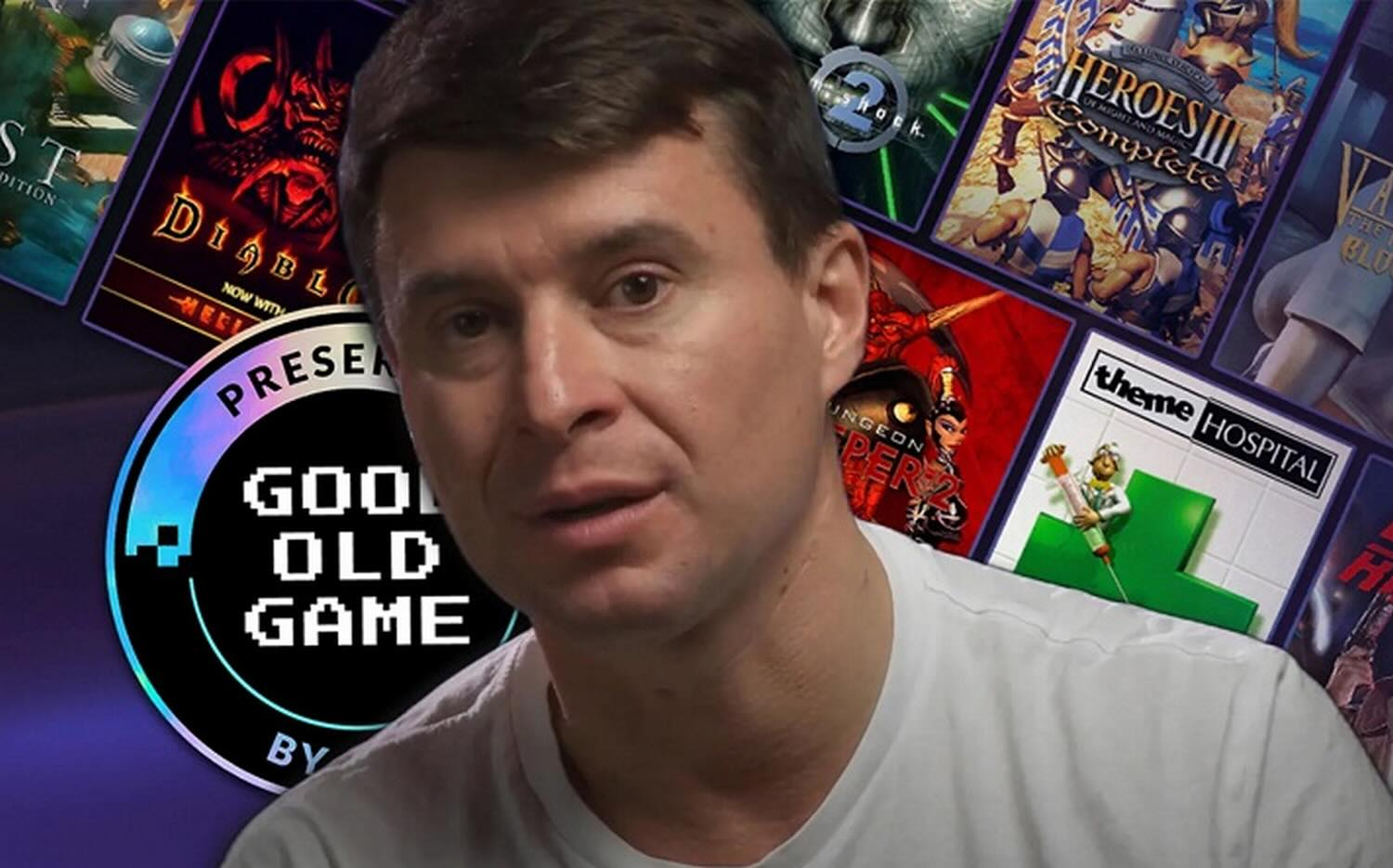
GOG has a new owner, and he is not entering the room quietly. Just 2 days before the end of 2025, CD Projekt RED confirmed it had sold GOG to company co founder Michał Kiciński for 25 million dollars, putting the DRM free storefront back under the influence of one of the people who helped build the CD Projekt identity in the first place. Now, Kiciński is publicly outlining how he sees GOG’s next chapter, and he is framing Steam’s dominance as an opportunity rather than an immovable obstacle.
In a new interview with GamesIndustry.biz, Kiciński makes his position extremely clear. He says that having a competitor like Steam with 80% of market share is not a reason to retreat. To him, it is the opposite. If one platform already holds 80%, it becomes harder for that platform to defend the market, and easier for a challenger to take share, as long as the challenger knows what it stands for and executes with discipline.
The key word in Kiciński’s strategy is not imitation, it is differentiation. He argues that GOG should not try to become a clone of other storefronts. Instead, it should protect and strengthen the platform’s identity and uniqueness, which he believes gamers already value. At the same time, he acknowledges why Steam wins day to day: ease of use. His pitch is that GOG can make meaningful progress on usability and product experience without losing its core values or changing how it operates at a philosophical level.
That framing is important because it signals a practical roadmap rather than a headline war. GOG can compete on trust, ownership, and preservation, while still improving the basics that modern users expect from a storefront, library manager, and update pipeline. In market terms, it is the classic challenger play: sharpen the brand promise, remove friction, and win the customers who already want what you stand for but do not want the hassle.
The interview also reconnects Kiciński to the wider CD Projekt story. He retired after leaving CD Projekt RED on the same day the company released the first Cyberpunk 2077 teaser trailer back on January 10, 2013. Kiciński is also careful about what kind of fight he wants. He says he does not plan to challenge Steam by chasing triple A exclusivity deals the way Epic Games Store attempted. Instead, his approach leans toward working with smaller developers and publishers, which is a more natural fit for GOG’s identity, its DRM free positioning, and its community that tends to value curation, preservation, and long tail discoverability.
At the same time, there is one area where the relationship with CD Projekt RED remains strategically aligned. The platform will continue to sell CD Projekt RED titles at a rate favorable to the Polish developer, meaning fans who want more of their purchase to flow directly toward CDPR have a clearer incentive to buy those games on GOG rather than elsewhere. It is a subtle but meaningful lever: aligning consumer intent, creator support, and storefront differentiation in a way that reinforces the brand rather than diluting it.
The big question now is execution. If GOG can meaningfully improve usability while doubling down on DRM free ownership, it could become the best alternative storefront for players who are tired of platform lock in but still want a modern experience. If it cannot, Steam’s convenience advantage will keep absorbing attention even from users who agree with GOG’s philosophy.
Do you think GOG can realistically take meaningful share from Steam by improving usability while staying fully DRM free, or is Steam’s convenience moat too strong in 2026?
