
Tesla Cuts AI5 and AI6 Memory Targets as Optimus Production Pushes Into Supply Reality
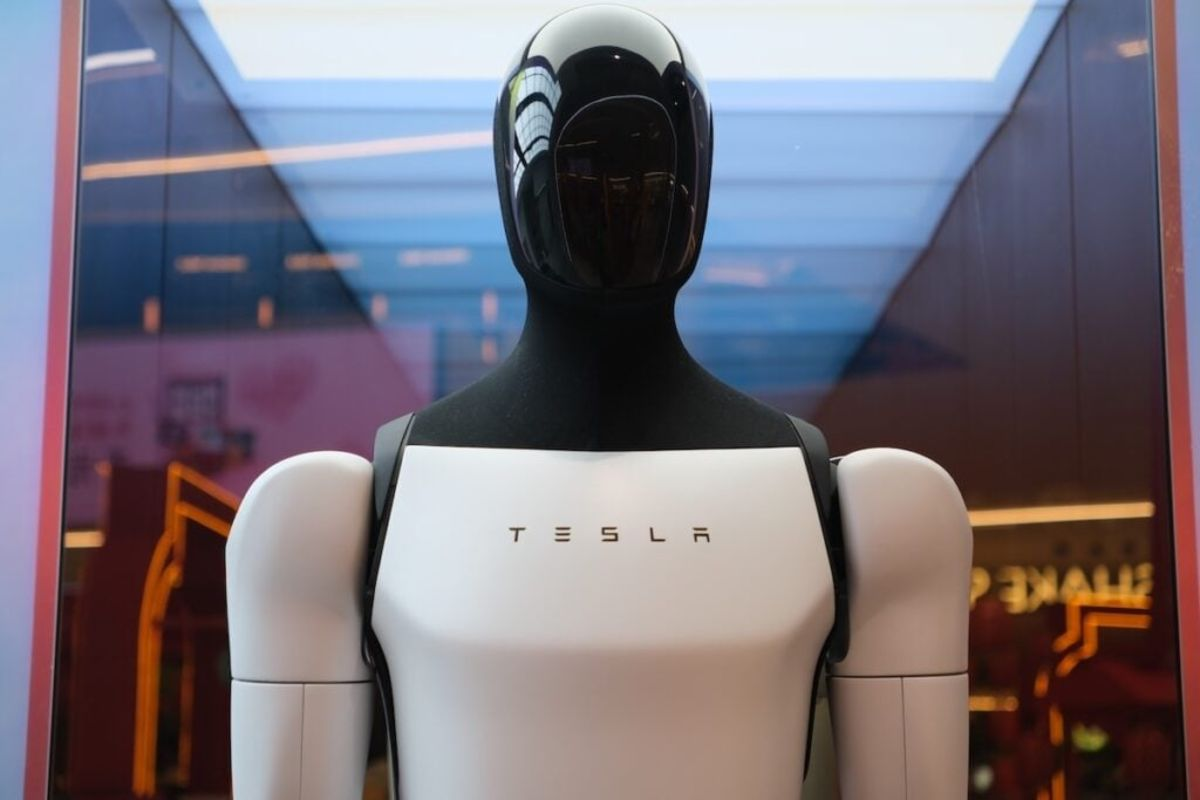
Tesla is reducing the planned memory capacity for its AI5 and AI6 inference chips as the company tries to secure enough supply for Optimus production. According to Elon Musk on X, AI5 has been cut to 72 GB of LP5 memory, while AI6 has been reduced to 144 GB of LP6 memory. Musk said the change was necessary to reach sufficient production volume for Optimus and to lower cost, while also claiming the performance impact on the humanoid robot should be minimal.
"This was the only way to get enough volume for Optimus production and greatly reduces cost."
— Quote by: Elon Musk
The update is significant because Tesla previously described AI5 as a major step forward over AI4. In its earlier investor materials, Tesla said development of its in house AI5 and AI6 inference chips was progressing, with AI5 production planned for 2027 and AI6 production planned for 2028. Tesla also said AI5 was targeting a 50x performance improvement over AI4, including 10x raw compute, 9x memory capacity and improved low precision acceleration for quantization and softmax workloads through dedicated hardened blocks.
Musk’s latest statement effectively lowers that memory capacity ambition. If AI5 was previously expected to use 144 GB and is now moving to 72 GB, Tesla is prioritizing scale, supply availability and cost control over maximum local memory capacity. AI6 still remains much larger at 144 GB, but that figure is now also described as a reduction of about 1 third from the earlier target. In practical terms, Tesla appears to be tuning its silicon roadmap around what can be produced in large volume rather than only what looks strongest on a specification sheet.
The technical argument is that Optimus may be more constrained by memory bandwidth than by total memory capacity. TrendForce notes that Musk expects the impact on Optimus performance to be negligible because bandwidth is the larger limitation, and that Tesla has not changed the memory bandwidth target even though capacity has been reduced. If that holds true, Tesla may be able to preserve the robot’s real time inference performance while lowering the amount of DRAM needed per unit.
This is where the memory market context becomes important. The decision comes as DRAM and advanced memory supply remain under pressure from AI servers, data centers, edge AI devices and future robotics platforms. Micron recently said Level 4 and higher autonomous vehicles typically exceed 200 GB of memory and multiple terabytes of storage, while humanoid robots are expected to have comparable requirements. That does not mean every robot must use the same configuration, but it does show why physical AI is becoming a serious memory demand category.
The move also connects directly with the wider shortage, Micron Says Physical AI Could Keep Memory Demand Tight Through 2028. If Tesla, one of the most aggressive physical AI players, is already reducing memory targets to secure production volume, it suggests that supply planning is now shaping product design decisions, not only pricing.
For Optimus, the real question is whether software efficiency, model compression, SRAM usage and memory bandwidth can offset the lower DRAM pool. Musk says performance should not be meaningfully affected, but that will ultimately depend on what Optimus is expected to do locally, how much inference is handled on device, how future models scale and whether Tesla’s robot workload remains inside the new memory envelope.
Tesla’s memory cut is not just a cost saving note. It is a signal that physical AI hardware is entering the same supply reality already affecting GPUs, servers and high capacity memory platforms. The most powerful design is not always the design that can ship at scale. For Optimus, Tesla appears to be choosing volume first, betting that bandwidth, software optimization and chip architecture can compensate for lower capacity.
From a broader hardware perspective, this makes the memory market even more interesting. If humanoid robots become a real product category, DRAM allocation will not only be fought over by cloud AI and gaming hardware. It will also be fought over by vehicles, robots and edge AI machines that need fast local inference. That could keep baseline memory demand elevated even if one part of the AI market cools down.
Do you think Tesla made the right move by cutting AI5 and AI6 memory to scale Optimus production, or should the company have kept the higher memory targets for future flexibility?
