
Tekken Creator Says Elden Ring Director Miyazaki Has a Mad Scientist Side Despite Calling His Own Game Knowledge Shallow
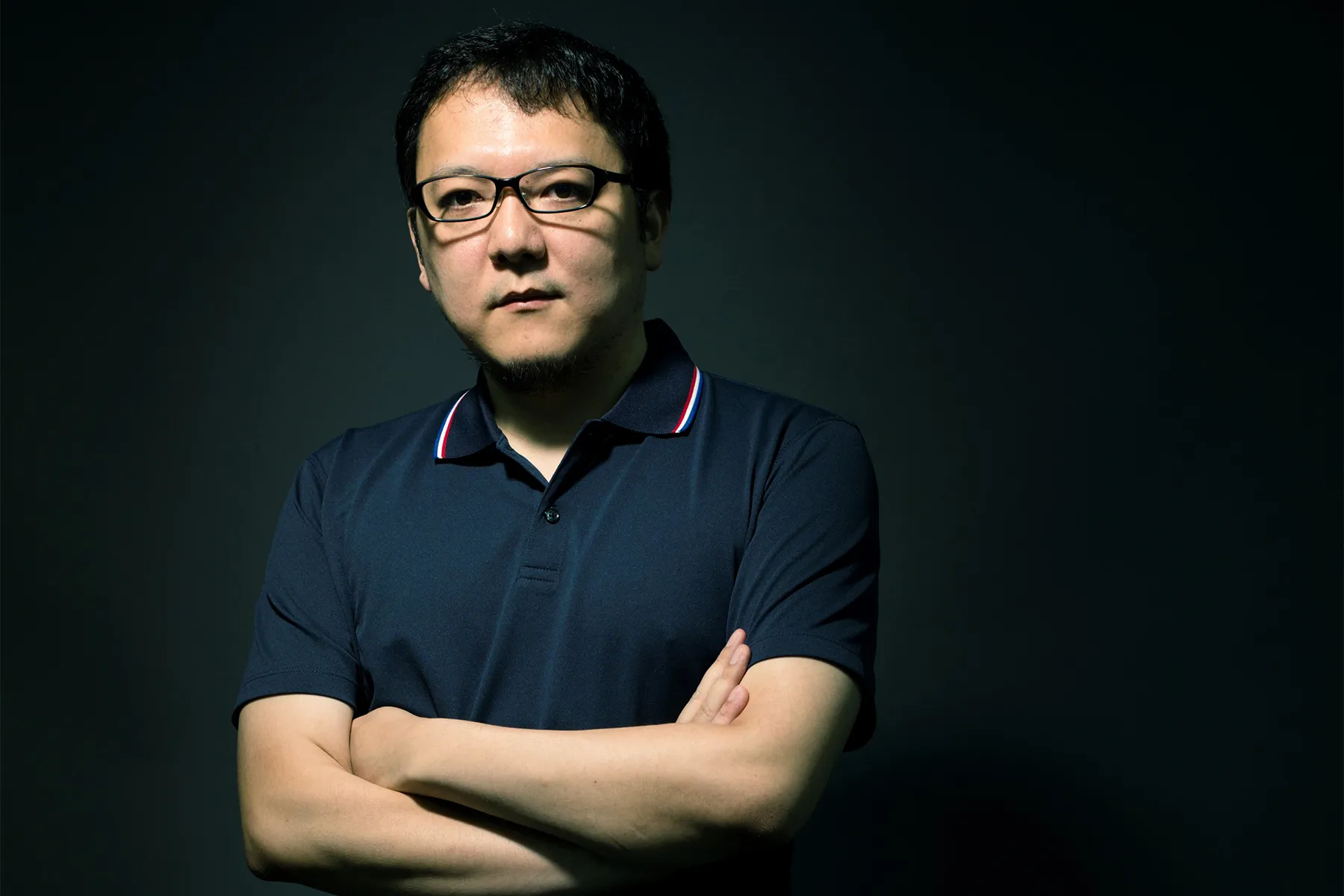
FromSoftware president and Elden Ring director Hidetaka Miyazaki is widely viewed as one of the most influential game creators of the modern era, but according to Tekken creator Katsuhiro Harada, Miyazaki himself does not appear to see his own position in the same way. In a detailed post on X, Harada described Miyazaki as an unusually serious developer with a rare career path, a deeply obsessive creative process, and a surprisingly humble view of his own knowledge of games.
Harada noted that Miyazaki did not begin his career inside the game industry and only became a developer when he was almost 30. Automaton reports that Miyazaki studied social science at Keio University, worked as an account manager, and decided to enter game development after playing Fumito Ueda’s Ico on PlayStation 2. He eventually joined FromSoftware as a planner on Armored Core: Last Raven before directing Armored Core 4, Armored Core: For Answer, Demon’s Souls, Dark Souls, Bloodborne, Sekiro: Shadows Die Twice, and Elden Ring.
"From my perspective, Miyazaki is a rather unique, yet extremely serious game developer."
— Katsuhiro Harada
That late entry matters because many of Japan’s most recognized creators were already inside major studios during the rise of 3D polygon graphics. Harada argued that Miyazaki’s path makes him unusual among developers of the same generation, especially because he did not start with the same corporate infrastructure, technology exposure, or early industry timing that shaped many of his peers.
The most memorable part of Harada’s story came from the development period of Summer Lesson, Bandai Namco’s early PlayStation VR project. Harada said several developers were trying the VR build together, with most of them laughing and treating it as a playful demonstration. Miyazaki, however, approached it with unusual seriousness, stayed quiet after the session, and stared at the preview monitor while thinking through what he would create if the project were his.
"Oh, I got completely absorbed in thinking about what I would do if I were making this."
— Hidetaka Miyazaki
Harada described that moment as a glimpse of Miyazaki’s mad scientist side, not in a negative sense, but as evidence of a developer who automatically breaks down an unfamiliar concept and begins rebuilding it through his own design instincts. In Harada’s view, that serious and obsessive creative lens is part of what separates Miyazaki from developers who only evaluate games through market size, budget, or sales comparisons.
The second detail Harada highlighted was Miyazaki’s dislike of video interviews and live stream appearances. According to Harada, Miyazaki does not enjoy seeing himself on camera, but there is also a deeper professional reason. Miyazaki believes many people in the industry understand games better than he does, and when he listens to those veterans speak, he considers his own understanding shallow.
"Come on, if you say you are still not there yet, then the rest of us will not feel qualified to talk about games at all."
— Katsuhiro Harada
That humility is striking because Miyazaki’s impact is already larger than many creators ever achieve. Demon’s Souls and Dark Souls helped establish the design language that later became known as the Soulslike genre, while Elden Ring expanded that structure into an open world format and became FromSoftware’s largest mainstream success. Bandai Namco describes Elden Ring as a fantasy action RPG created by FromSoftware and built around a massive world shaped by Hidetaka Miyazaki and George R. R. Martin.
Harada’s comments also land during a moment when FromSoftware’s creative independence is under closer business scrutiny. Recent investor pressure around parent company Kadokawa has raised questions about whether FromSoftware should pursue faster expansion, safer sequels, and more predictable franchise output. Miyazaki has pushed back against the idea that FromSoftware should simply chase safer releases. He told investors that the studio is able to create the games it wants without excessive interference and said maintaining that kind of environment is important for FromSoftware’s future. He also told fans that the studio will continue working to create truly valuable games across announced and unannounced projects.
The next major example of that philosophy is The Duskbloods, a Nintendo Switch 2 exclusive directed by Miyazaki. Nintendo’s Creator’s Voice interview confirms that the game began as a rough concept discussed between FromSoftware and Nintendo, before shifting fully toward Switch 2 once the new hardware became part of the development path. Miyazaki describes it as an online multiplayer focused PvPvE title built around Bloodsworn characters competing for First Blood during the Twilight of Humanity.
That makes The Duskbloods a useful case study for Harada’s point. Rather than simply producing a conventional Elden Ring sequel, Miyazaki is exploring a different structure, platform strategy, and multiplayer foundation. He also stressed that The Duskbloods does not mean FromSoftware is abandoning single player focused games, confirming that the studio still intends to develop titles in its more traditional style.
Harada’s story is valuable because it explains Miyazaki’s influence in a more human way. The secret is not only difficulty, cryptic lore, boss design, or dark fantasy atmosphere. It is the way Miyazaki appears to process games as systems that can always be rebuilt, twisted, and reimagined through a different emotional and mechanical lens.
That is why the Summer Lesson story matters. Most people saw an early VR experiment. Miyazaki saw a design problem, a creative possibility, and a mental prototype forming in real time. That instinct is the difference between a developer who reacts to a trend and a creator who transforms a medium.
The humility is equally important. Miyazaki’s belief that his understanding of games is shallow sounds almost impossible when measured against his influence, but it may also explain why FromSoftware continues to evolve. Developers who believe they have mastered everything often become predictable. Miyazaki appears to operate from the opposite position, treating each project as another chance to learn.
For FromSoftware, that mindset is the strongest protection against becoming a sequel factory. Investors may want safer growth, but the studio’s long term value comes from creative risk, disciplined design, and the willingness to make games that do not feel focus tested into comfort. The Duskbloods may not be what every Elden Ring fan expected, but it proves Miyazaki is still approaching game design like someone searching for the next strange idea rather than defending the last successful one.
Do you think Miyazaki’s humility is part of what makes FromSoftware’s games feel so different, or has he already earned the right to be considered one of gaming’s definitive creative voices?
