
Kadokawa CEO Survives Investor Revolt Over Elden Ring Profit Claims
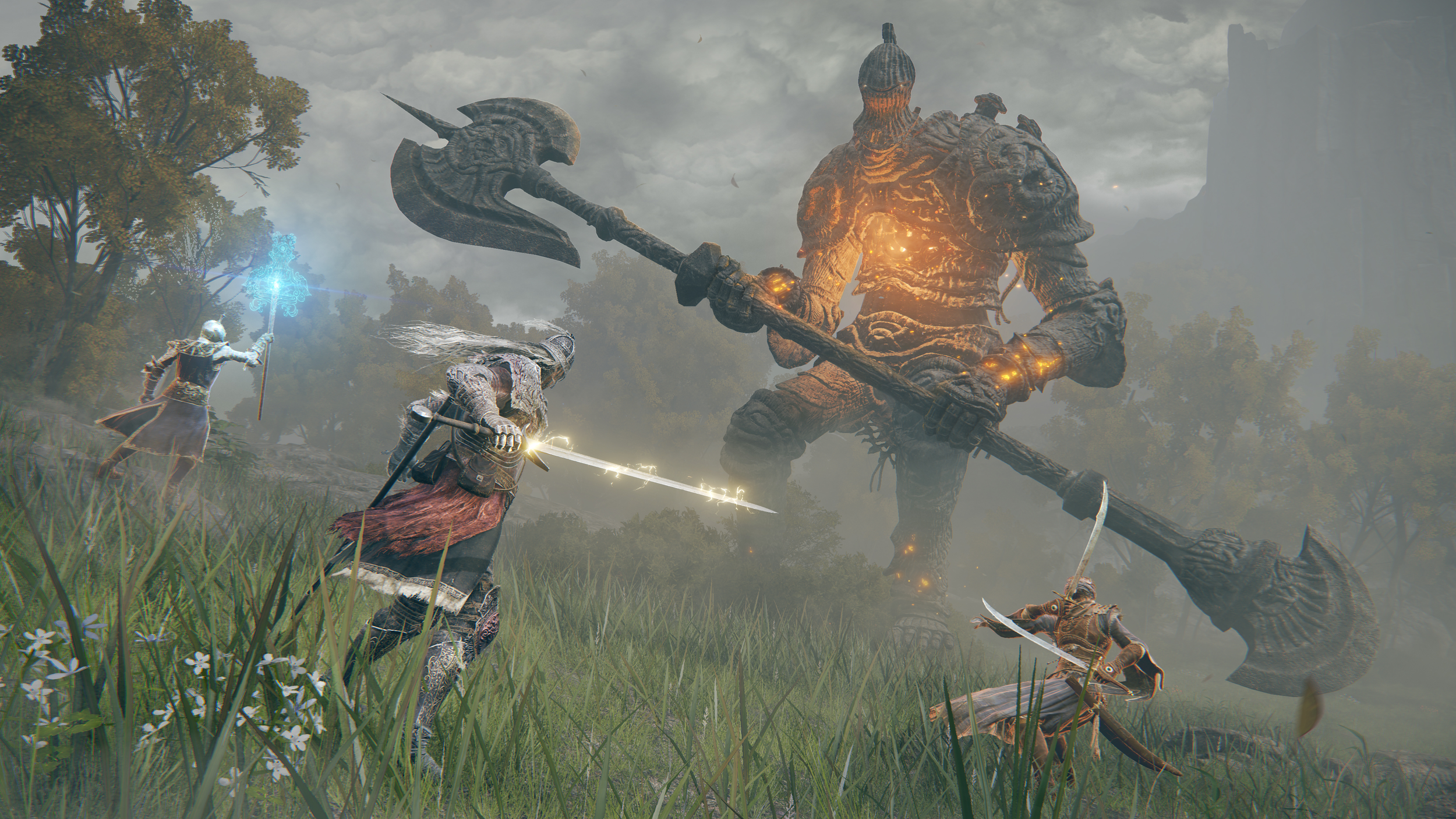
Kadokawa chief executive officer Takeshi Natsuno has retained his position after surviving a major shareholder challenge led by activist investor Oasis Management, which argued that the Japanese media group failed to capture the full commercial value of FromSoftware and Elden Ring. Natsuno received support from 59.68% of shareholders during Kadokawa’s annual general meeting, allowing him to retain his board seat before continuing as chief executive officer. The result still represents a substantial loss of confidence compared with 2025, when approximately 90% of shareholders supported his appointment.
According to Reuters, the campaign was organized by Hong Kong based Oasis Management, which had become Kadokawa’s largest shareholder. Kadokawa reported an 11.89% Oasis position during March 2026, while Reuters later reported that the investment had increased to approximately 15.25% by the shareholder meeting. The investor accused Kadokawa of declining profitability, weak capital allocation, and what it described as "material profit leakage" from relying on external companies to publish FromSoftware games outside Japan.
The central complaint involves Bandai Namco Entertainment, which publishes Elden Ring throughout most international markets while FromSoftware handles publishing in Japan. Oasis argues that this arrangement allows a large portion of the economic value generated by international sales to remain with an external partner instead of flowing directly into Kadokawa. However, international publishing partnerships can also reduce risk by sharing marketing costs, distribution responsibilities, localization work, platform relationships, and development investment. The amount Kadokawa might have earned through a different publishing structure has not been independently established.
Institutional Shareholder Services and Glass Lewis, both influential proxy advisory firms, recommended opposition to Natsuno’s appointment. Institutional Shareholder Services argued that the difficulty of finding another leader should not prevent investors from accepting a management transition.
"While it may take time to find a replacement for Natsuno, this is a challenge worth accepting."
— Institutional Shareholder Services
Kadokawa defended Natsuno before the vote, stating that removing him without a confirmed successor or alternative management plan could disrupt the company’s ongoing reforms. The group is attempting to improve profitability across publishing, animation, film, games, and international intellectual property development. Following the vote, Kadokawa said it would review its management structure, executive compensation, medium term business strategy, and communication with shareholders. The company’s official board announcement confirms that Natsuno remains chief executive officer, while FromSoftware president Hidetaka Miyazaki continues as Kadokawa’s corporate officer responsible for the games business.
The criticism arrives despite FromSoftware generating one of the strongest commercial runs in the modern gaming industry. Elden Ring has sold more than 30 million copies worldwide, Shadow of the Erdtree has reached 10 million units, and Elden Ring Nightreign has shipped more than 5 million units. The franchise is also expanding through the Tarnished Edition for Nintendo Switch 2 and a live action movie from A24 and director Alex Garland, currently scheduled for March 3, 2028. These products demonstrate that the intellectual property is already expanding beyond the original game, although Oasis believes Kadokawa could retain more revenue by giving FromSoftware greater control over worldwide publishing.
The shareholder dispute also creates questions about FromSoftware’s future creative direction. Investors seeking faster growth could encourage additional sequels, more frequent releases, or greater use of established franchises, but there is no confirmed plan requiring FromSoftware to increase production or abandon experimental projects. Miyazaki has publicly emphasized that the studio intends to continue creating games it considers valuable, including announced and unannounced projects. We recently covered The Duskbloods returning with a Summer 2026 closed beta, showing that FromSoftware is continuing to develop new concepts rather than relying entirely on conventional Elden Ring sequels.
The wider ownership situation remains important, Sony’s interest in acquiring Kadokawa, although the negotiations ultimately resulted in a strategic investment rather than a full purchase. Oasis has since surpassed Sony as Kadokawa’s largest shareholder, giving the activist investor meaningful influence even after failing to remove Natsuno during this year’s meeting.
Natsuno survived the vote, but support falling from 90% to 59.68% is not a comfortable victory. The result gives Kadokawa’s current management more time to execute its strategy, while also placing the company under stronger scrutiny from investors demanding improved profitability and more effective global exploitation of its intellectual properties.
Oasis has a reasonable financial argument that Kadokawa should examine whether FromSoftware can capture more value through international self publishing. However, the quality and consistency of FromSoftware’s games have been supported by a development culture that allows teams to follow creative goals instead of being forced into annualized output. Turning the studio into a production machine built around predictable sequels could create more short term revenue while damaging the creative independence that made Elden Ring successful.
Kadokawa should strengthen its international publishing capabilities without treating FromSoftware as an unlimited source of immediate growth. The studio has already transformed Elden Ring into an expansion, a successful multiplayer title, a Nintendo Switch 2 release, and a major film adaptation. The priority should be retaining more value from that success while preserving the development process that created it.
Should Kadokawa push FromSoftware toward international self publishing and faster expansion, or should it protect the studio’s current creative independence?
