
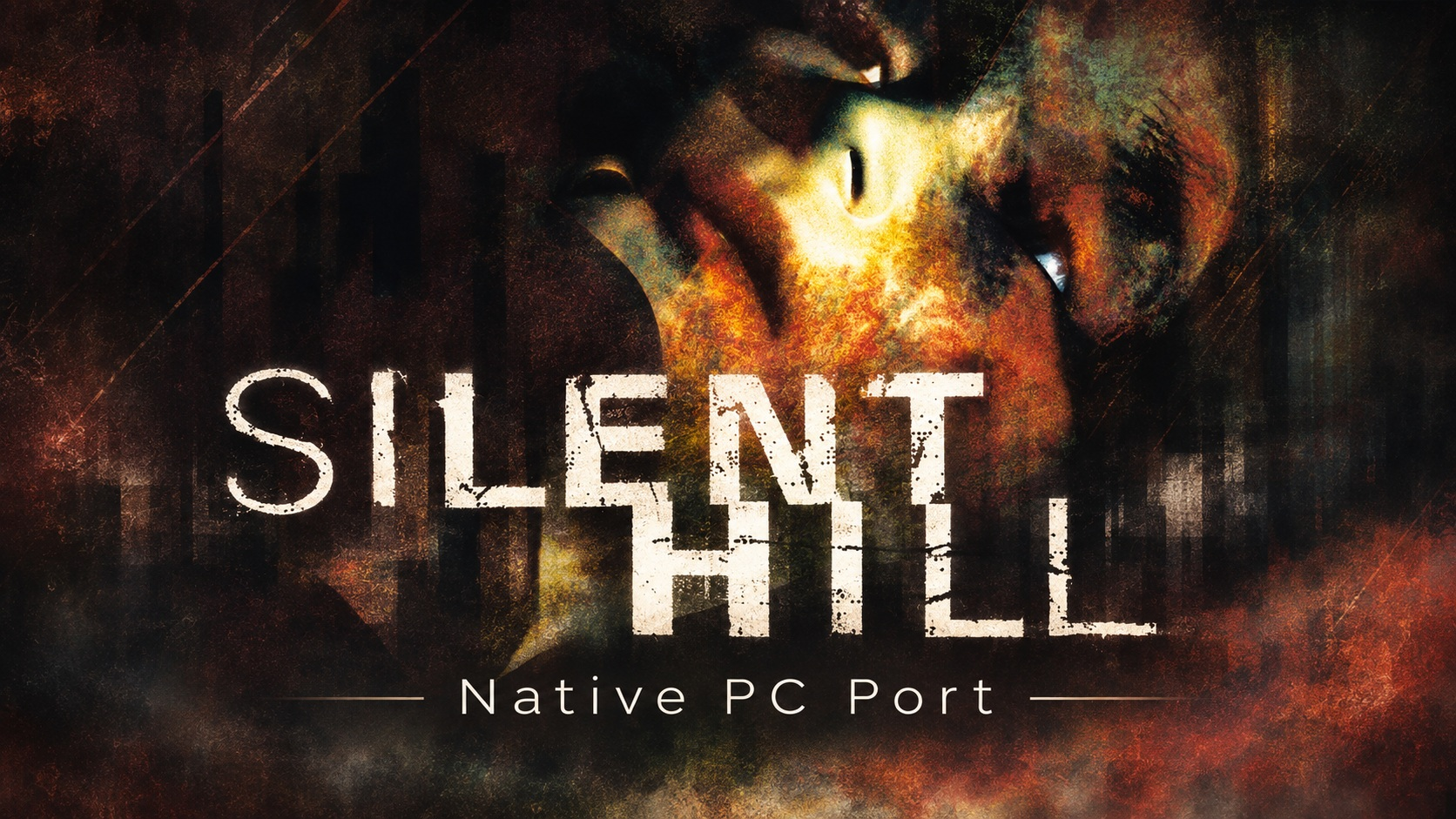
The original Silent Hill, released in 1999 for PlayStation, has received another unofficial native PC port, bringing Konami's iconic survival horror experience to modern hardware with ray tracing, HDR, AI texture upscaling, and extensive modification capabilities. The project, called Silent Hill PC, introduces an open source C++20 engine designed to reproduce the original game without requiring traditional PlayStation emulation.
Developed by GitHub user keklick1337, who officially introduced the project through Reddit, the engine recreates the original gameplay, camera system, enemy behavior, puzzles, and environments while integrating modern rendering technologies. It supports OpenGL 3.3, SDL3 GPU, and Vulkan, with the latter enabling hardware accelerated ray tracing, HDR, volumetric fog, temporal antialiasing, and improved environmental lighting. Dynamic illumination from firearms, flashlights, and fire sources introduces more realistic shadows and reflections while preserving the original game's oppressive atmosphere.
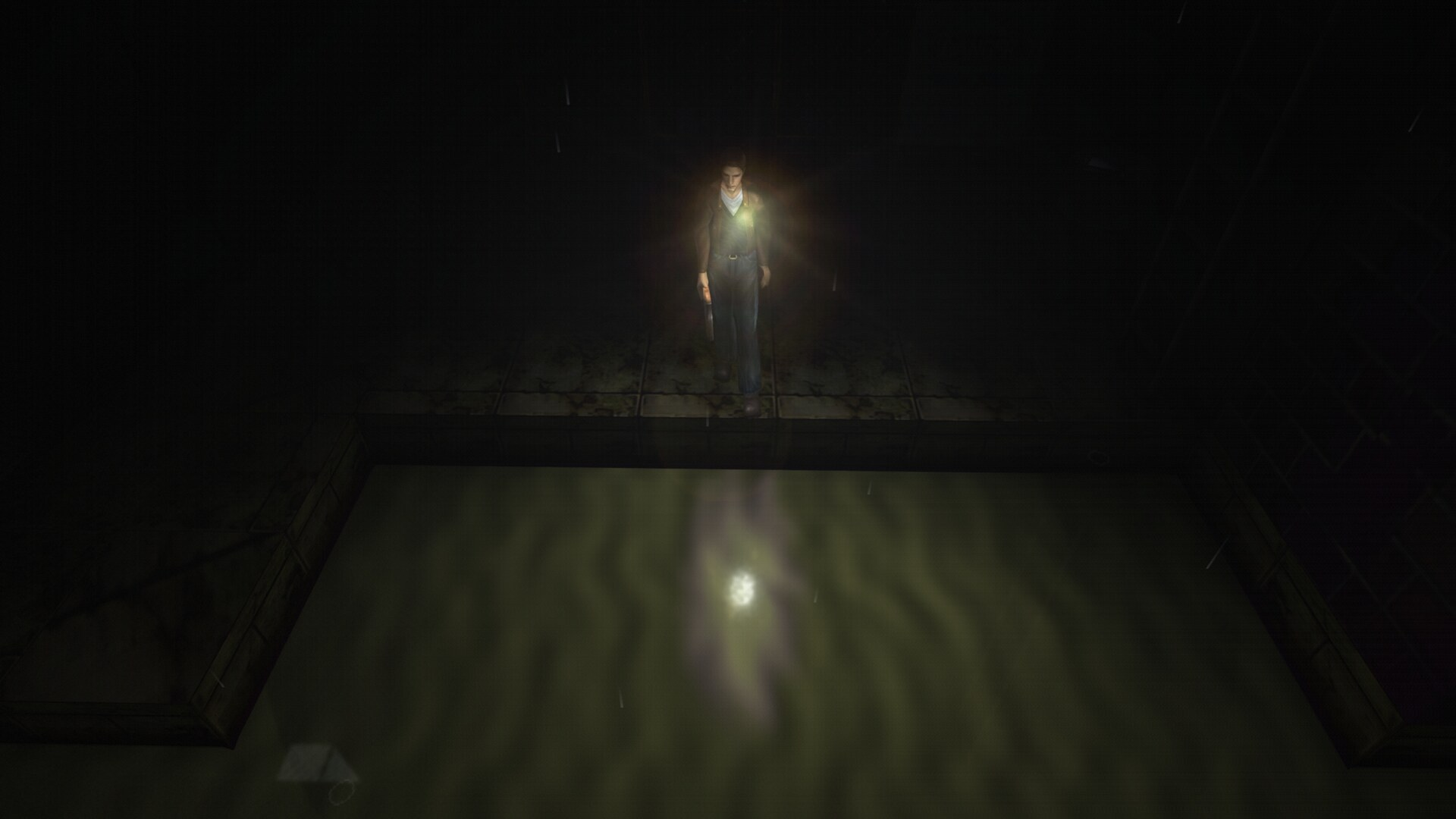
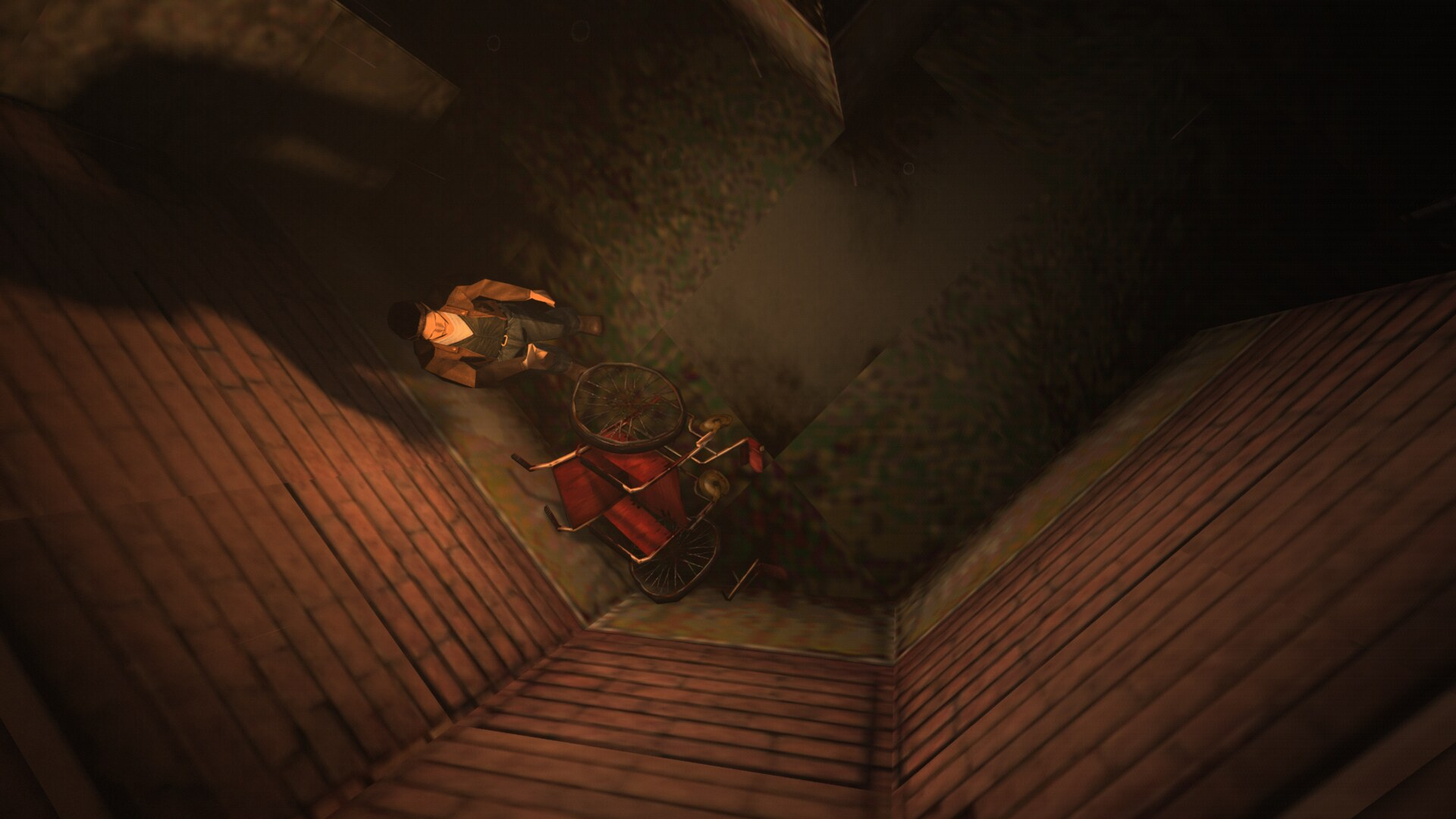
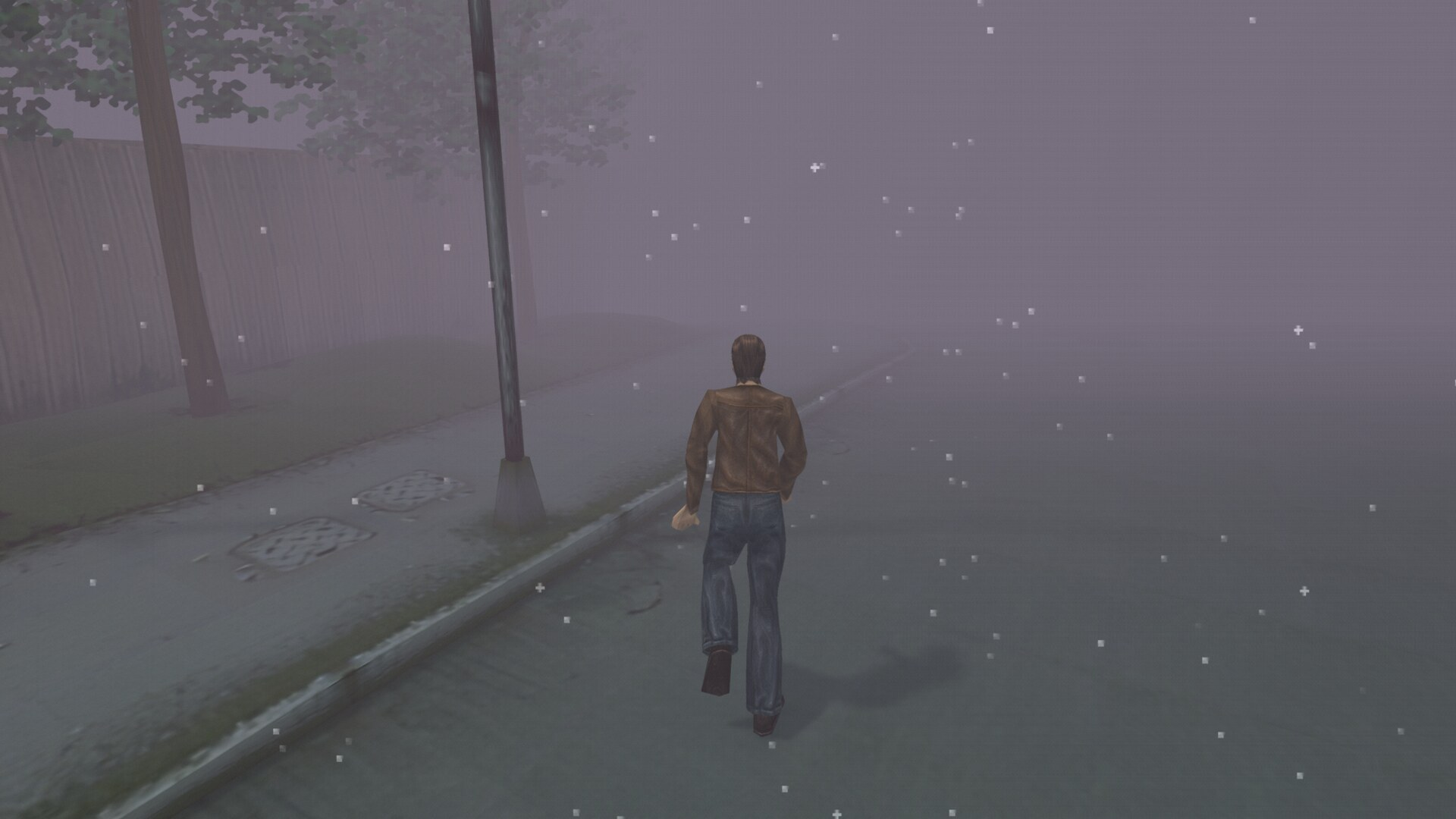
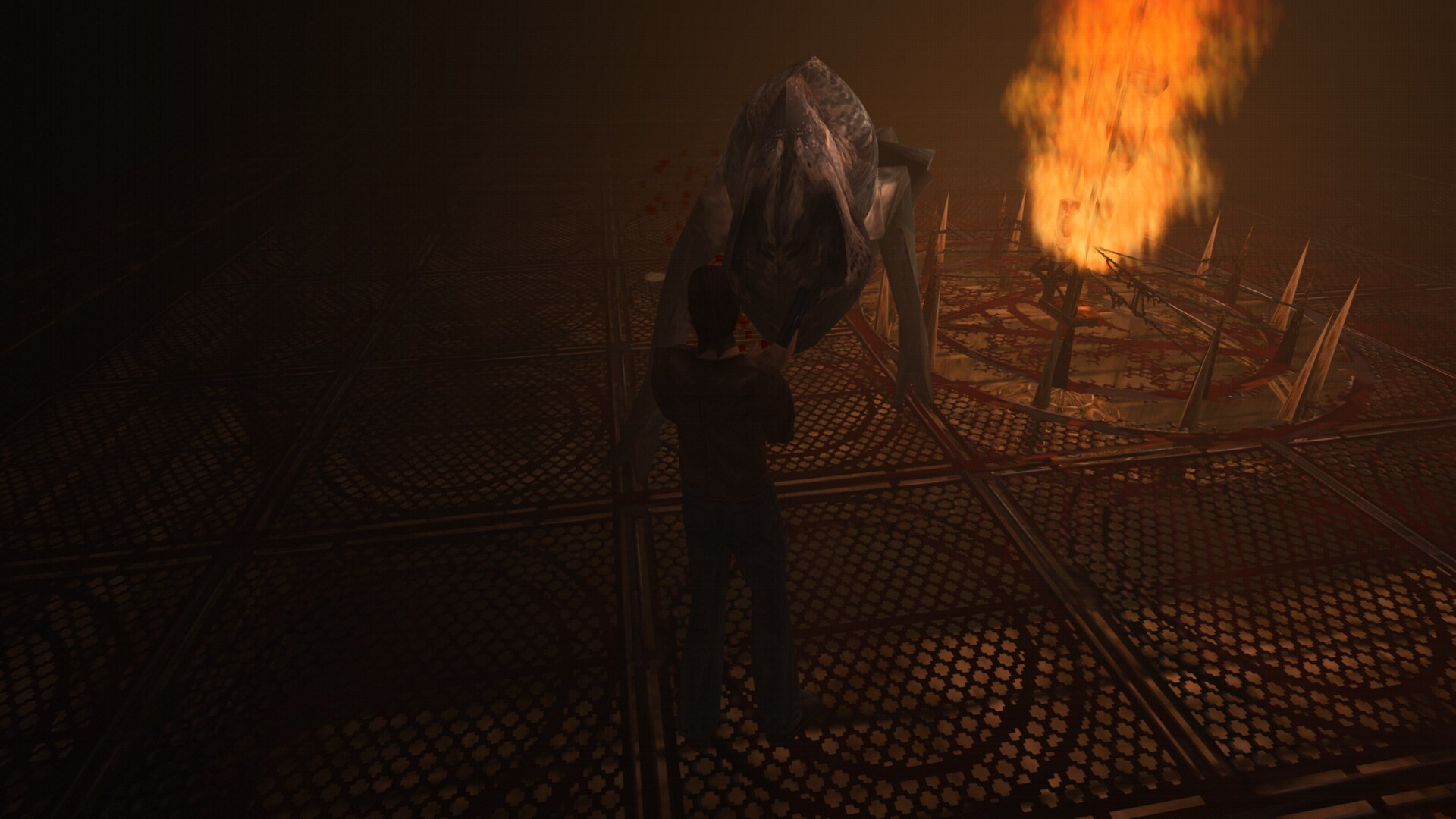
The project also incorporates experimental AI texture upscaling using Real ESRGAN, supporting up to 4x enhancement, alongside model smoothing, widescreen resolutions, customizable graphics presets, and frame rates exceeding 60 FPS. Loading times are substantially reduced by eliminating the original PlayStation disc access limitations.
| Feature | Silent Hill PC |
|---|---|
| Engine | Open source C++20 |
| Platforms | Windows, Linux, macOS |
| Graphics APIs | OpenGL 3.3, SDL3 GPU, Vulkan |
| Ray Tracing | Shadows, reflections, indirect lighting |
| HDR | Supported through Vulkan |
| AI Upscaling | Real ESRGAN, up to 4x |
| Frame Rate | 60 FPS default, higher rates supported |
| Display | Widescreen, windowed, borderless |
| Mod Support | Lua scripts, JSON, custom assets |
| Original Game Files | NTSC USA v1.1 required |
One of the project's most significant additions is its Lua based modification framework, allowing players to replace textures, character models, sounds, and cinematics while introducing new weapons, enemies, scripted events, and gameplay modifications. Integrated development tools include a free camera, map inspection, and Lua editing capabilities, making the engine particularly attractive to the preservation and modding communities.
The latest version 1.1.0, released on November 24, 2026, introduces native macOS support for Intel and Apple Silicon systems, improved performance on integrated GPUs, and additional dynamic shadow effects. Ray tracing remains unavailable on macOS through its current MoltenVK implementation. The developer also acknowledges contributions originating from an earlier community PC port, building upon existing game preservation efforts.
Players can access the engine through its official GitHub repository and download the latest version from the releases page. The software does not distribute copyrighted game assets and requires a legally obtained NTSC USA v1.1 PlayStation disc image. The project remains under development and is not affiliated with Konami.
Silent Hill PC demonstrates how community development can extend the lifespan of classic games while preserving their original identity. The combination of modern rendering, native execution, and accessible modding tools gives PC players greater control over an experience that was never officially released for the platform.
With Bloober Team's official Silent Hill remake reportedly targeting 2027, this project offers a different approach by modernizing the original rather than replacing it. More importantly, its open source foundation reinforces the importance of game preservation, software ownership, and community driven development.
Would you rather experience the original Silent Hill with modern ray tracing and community mods or wait for Bloober Team's complete remake?
