
Shuhei Yoshida Backs PlayStation’s Digital Future but Warns Used Games Will Suffer
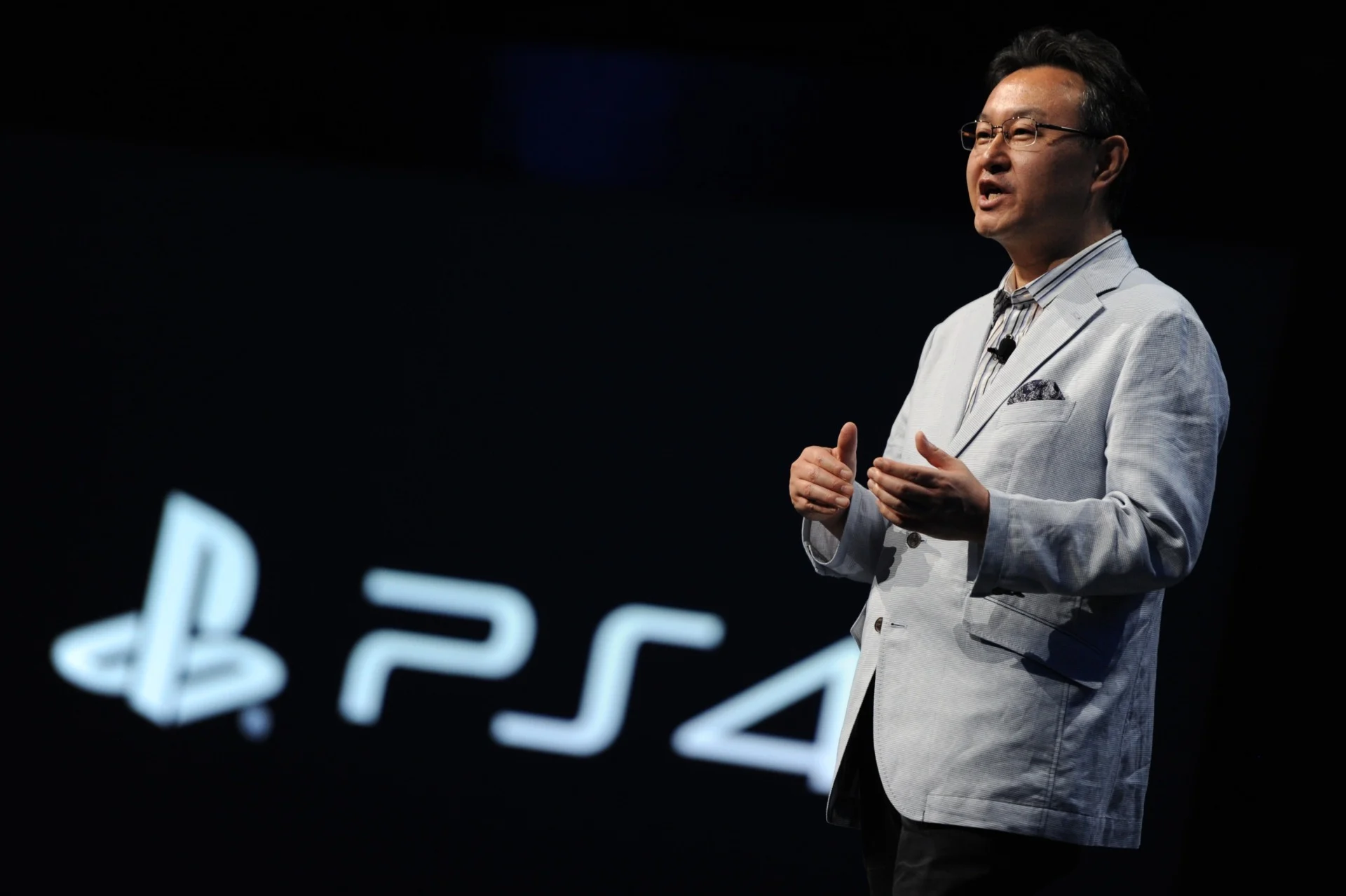
Former PlayStation executive Shuhei Yoshida has weighed in on Sony’s controversial decision to end physical disc production for new PlayStation games in January 2028, saying he personally prefers an entirely digital library and does not consider losing discs a major problem for the way he plays. However, Yoshida also acknowledged that the transition creates genuine disadvantages for collectors and especially for players who depend on buying and selling used games. His comments came during an extensive interview with GamerBraves, where he discussed digital distribution, AI, indie development, and the future of the gaming industry.
Importantly, Yoshida made clear that he had not been aware of Sony’s 2028 physical media decision, meaning his comments represent his personal perspective rather than additional information about PlayStation’s strategy. Sony officially announced in July that production of physical discs for all new PlayStation games will end beginning January 2028. Games released before that date are unaffected, while new titles afterward will be sold through the PlayStation Store and through retailers in digital formats.
“I’m a totally digital consumer.”
— Quote by: Shuhei Yoshida
Yoshida explained that he prefers keeping every game directly accessible from the console dashboard instead of managing and swapping physical discs. He also pointed toward the broader growth of digital purchases across gaming, arguing that the transition has already been happening naturally as more players choose downloads over physical copies.
That position broadly aligns with Sony’s explanation for ending new physical releases. The company says consumer preference increasingly favors digital media and that the 2028 transition will allow PlayStation to focus resources around how most customers now access games. Sony nevertheless says retailers will remain part of the ecosystem, meaning boxed products and other retail formats may continue even without playable discs inside them.
Yoshida expects collector focused physical packages could survive through editions containing downloadable game vouchers rather than discs. For players primarily interested in artwork, statues, steelbooks, or other physical collectibles, that could preserve part of the traditional retail experience. It does not, however, provide the ownership characteristics associated with having the game itself stored on physical media.
Yoshida also questioned how significant that difference has become for many modern games because physical releases frequently rely on downloadable patches, additional content, and continuous updates after launch. That argument will remain controversial because needing updates is not necessarily equivalent to having no playable physical copy at all, particularly from the perspective of preservation and long term access.
The area where Yoshida sees a clearer problem is the used game market. Physical games allow owners to sell completed titles, trade them toward another purchase, lend them to another player, or purchase used copies below their original retail price. Those options largely disappear once software becomes tied to digital accounts and licenses.
“For those people who choose to buy or sell games, the lack of discs may become an issue.”
— Quote by: Shuhei Yoshida
Yoshida believes regular digital discounts could partially offset that loss for price conscious customers, pointing toward seasonal promotions across PlayStation, Steam, Xbox, and Nintendo. Digital publishers can set prices independently and reduce them during promotional periods, allowing players unwilling to pay launch pricing to wait for discounts. What those sales cannot recreate is the ability for consumers themselves to determine resale value or transfer ownership between players.
The debate has become especially relevant as Sony prepares its next hardware generation. PlayStation 6 could potentially move further toward a digital model, although Sony has not announced that PlayStation 6 itself will ship without an optical drive. The only confirmed policy is that new PlayStation game disc production will stop in January 2028.
Sony has also acknowledged the backlash surrounding the end of PlayStation discs, but currently sees digital purchasing behavior as evidence that the transition will not materially damage its gaming business.
Yoshida’s wider comments suggest that he sees digital distribution as only one part of a much larger transformation. He believes accessible engines such as Unity and Unreal, combined with AI development tools, will enable more people to create games and significantly increase the number of releases reaching the market. That could produce more experimental and innovative games, particularly from independent creators, while simultaneously making commercial competition increasingly difficult for developers.
Yoshida’s preference for digital games is understandable, and for players who already purchase everything through the PlayStation Store, Sony’s 2028 transition may barely change their daily experience. The more difficult question is not convenience. It is consumer control.
A digital sale can make games cheaper, but it cannot currently replace the ability to sell a game after finishing it, lend it to someone else, purchase a used copy, preserve software independently of a storefront, or continue accessing a title after commercial distribution ends. Those are fundamentally different benefits.
Sony’s digital transition may ultimately be unavoidable from a business perspective, particularly when most customers already choose digital purchases. But ending discs also transfers more control over pricing, distribution, access, and preservation from consumers and retailers directly to platform holders and publishers.
Yoshida is therefore probably correct that many players will barely notice the disappearance of discs. He is equally correct that the people who rely on the used market will notice immediately.
Would losing physical PlayStation discs affect how you buy games, or have you already moved completely to digital libraries?
