
PlayStation 6 May Drop Discs as 1000$ Component Estimate Raises Questions About Sony’s Digital Strategy
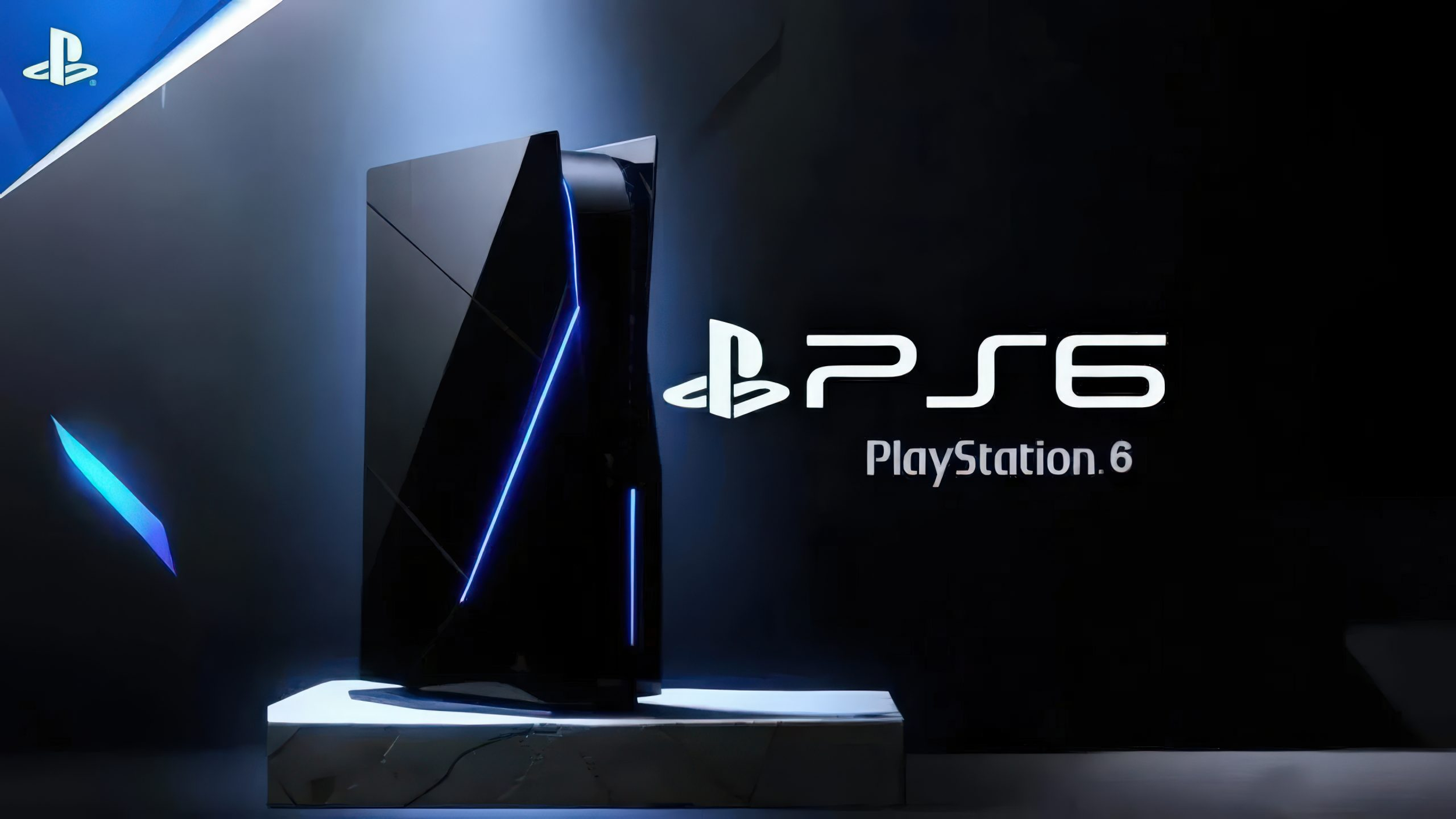
Sony Interactive Entertainment has confirmed that physical disc production for all new PlayStation games will end in January 2028, but the company has not announced that PlayStation 6 will launch without a disc drive. New comments from hardware leaker Kepler_L2 now suggest the transition may involve far more than removing an expensive component from Sony’s next console.
Sony’s official PlayStation announcement states that games released after January 2028 will be sold through the PlayStation Store and retailers in digital formats only. Games released on disc before the deadline will remain unaffected. Sony said the decision reflects consumer demand increasingly moving toward digital distribution.
Kepler_L2 responded to the announcement through a NeoGAF discussion, clarifying that their previous PlayStation 6 bill of materials estimate of approximately 960$ already assumed a digital model without an optical drive.
“My BoM estimate was for the digital model anyway... ensuring higher game revenue with higher ASPs and no game reselling.”
— Kepler_L2
The leaker believes eliminating future disc releases could make it easier for Sony to connect a home console and rumored handheld under one digital library. They also suggested that higher average selling prices and the disappearance of second hand game sales could help compensate for increasingly expensive hardware. This remains Kepler_L2’s interpretation of Sony’s strategy rather than information officially confirmed by the company.
The approximately 960$ bill of materials figure is also unconfirmed. It was calculated after Kepler_L2 said an earlier 760$ estimate had increased by around 200$ because of changing component conditions. Sony has not announced PlayStation 6 specifications, memory capacity, storage configuration, manufacturing cost, launch date, or retail price. A bill of materials is not the same as a retail price. It normally represents an estimate of the primary hardware components and may not include every expense associated with assembly, development, packaging, transportation, warranties, retailer margins, platform infrastructure, and marketing. Sony could also revise the hardware, negotiate new supply agreements, introduce several console configurations, or accept a limited loss on selected models.
However, recent statements from Sony make a heavily subsidized launch appear less likely. During an official Game and Network Services investor meeting, the company said it could not realistically absorb every increase in component costs and did not intend to sell hardware at significant losses. Sony also said it was focusing more heavily on monetizing its existing user base, recurring revenue, and the transformation of PlayStation into a digital platform business.
Those comments do not prove that Sony ended disc production to stop game reselling. They do show that profitability, recurring spending, and hardware costs are central considerations as the company prepares its next generation platform.
Digital demand provides Sony with a strong commercial justification. The company reported that digital downloads represented 78% of full PlayStation 4 and PlayStation 5 game sales during its 2025 financial year, rising to 85% during the final quarter. Physical games still represented approximately 22% of annual full game sales, however, meaning a substantial portion of the audience continues to purchase discs. Sony ending new PlayStation disc production examined the consequences for ownership, lending, preservation, and retail competition. The latest comments add another concern: without physical products, players cannot sell new games, purchase used copies, exchange titles with friends, or benefit from an independent second hand market.
Digital distribution also gives Sony and publishers greater control over pricing. Retail stores can still sell download codes and digital packages, but they cannot create the same used market generated by physical discs. Once a code is redeemed, the license normally remains connected to the player’s account and cannot be transferred to another customer.
That does not mean existing PlayStation discs will immediately become unusable. Sony has only announced the end of disc production for new games after January 2028. It has not confirmed whether PlayStation 6 will include an internal drive, support a detachable drive, or maintain backward compatibility with PlayStation 4 and PlayStation 5 discs.
An optional optical drive could allow Sony to protect backward compatibility while shipping the base console without the additional manufacturing cost. However, Kepler_L2’s comments suggest the estimated 960$ hardware configuration already excludes that component, meaning removing it would not solve the larger cost problem created by memory, storage, and advanced semiconductor technology.
Microsoft may be preparing a similar transition with Xbox Project Helix. Reporting from Windows Central indicates that Microsoft is leaning away from including an internal disc drive, although the decision is not yet finalized. A reported initiative called Positron could allow players to install an Xbox One or newer disc and attach a digital entitlement to their Microsoft account. That entitlement would reportedly be removed if the disc were sold or transferred to another account.
We previously explored Xbox Project Helix and the Positron conversion program. Microsoft has not officially announced the feature, and questions remain about supported games, external drive requirements, licensing restrictions, and compatibility with older Xbox discs.
Sony’s decision to end new disc production can be explained by digital sales trends, but the financial advantages extend far beyond saving the cost of manufacturing plastic discs and packaging.
An entirely digital ecosystem gives Sony greater control over distribution, pricing, promotions, licensing, subscriptions, and customer spending. It also removes the second hand market, where a single physical copy can generate several transactions without producing additional revenue for Sony or the publisher.
That strategy becomes more valuable if PlayStation 6 launches with extremely high manufacturing costs. Sony could accept smaller margins on hardware while expecting every customer to purchase software through controlled digital channels. Higher average game spending, PlayStation Plus subscriptions, downloadable content, and platform fees could gradually recover part of the hardware investment.
The risk is that Sony could ask players to pay a premium console price while simultaneously reducing ownership rights. A 960$ component estimate is still only a rumor, but combining expensive hardware with no new discs, no game resale, and increasing subscription costs could make the next generation considerably less accessible.
Sony must clearly explain backward compatibility, long term download access, account protection, retail competition, and game preservation before asking players to accept a completely digital future. Convenience may have driven most customers toward downloads, but convenience should not become an excuse to eliminate every alternative.
Would you accept a digital PlayStation 6 if it offered complete backward compatibility, or is physical ownership and game reselling essential to console gaming?
