
Shawn Layden Calls PlayStation’s PC Retreat a Mistake and Defends Delayed Ports
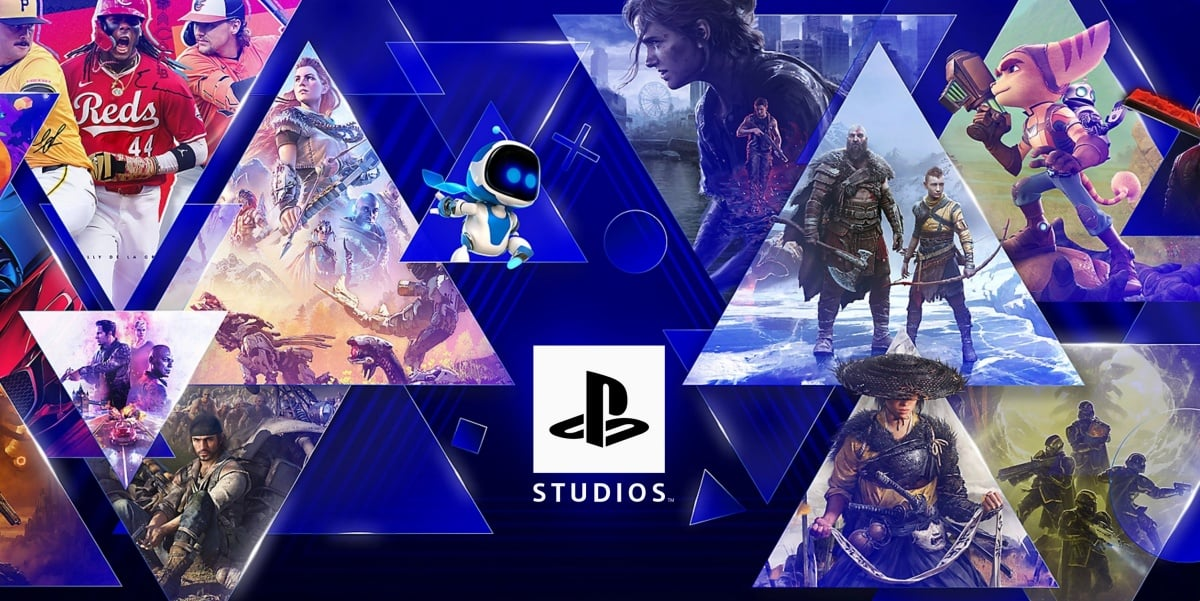
Former PlayStation executive Shawn Layden has criticized Sony’s reported decision to reduce PC versions of its major single player games, arguing that delayed releases expanded the audience for PlayStation intellectual property without meaningfully weakening console sales. Speaking in a new PlayStation Inside interview, Layden explained that the original PC expansion strategy was not built exclusively around immediate software profit. Its broader objective was to introduce PlayStation characters, stories, and franchises to players who were unlikely to purchase Sony hardware.
Layden estimated that only around 250 million to 260 million households worldwide own consoles, leaving billions of people who primarily engage with games through PC, mobile devices, or other platforms. In his view, restricting every major PlayStation property to console limits the awareness those franchises can build before appearing in television, film, merchandise, graphic novels, and other entertainment formats.
That strategy became increasingly important as Sony expanded properties including The Last of Us, God of War, Ghost of Tsushima, Horizon, and Gran Turismo beyond games. Layden argued that PC releases could create recognition among audiences who had never encountered those characters through a PlayStation console.
“If someone’s waiting 18 months for a game to come on PC, we didn’t lose a sale to them.”
— Shawn Layden
His argument is that a player willing to wait 18 months or longer was probably never planning to purchase a console for immediate access. A delayed PC version therefore becomes an additional transaction from outside the existing PlayStation ecosystem rather than a replacement for a hardware sale.
The statement should be understood as Layden’s assessment rather than proof that no console sale was ever affected. Sony has not published data demonstrating that delayed PC ports had zero influence on hardware purchasing decisions. However, former PlayStation Studios leader Shuhei Yoshida previously expressed a similar position, saying that later PC releases helped recover rising development costs without visibly damaging PlayStation 5 adoption.
Previous report on Shuhei Yoshida’s support for delayed PC ports examined his argument that additional PC revenue could help fund larger first party productions while keeping console releases at the center of Sony’s strategy.
Layden continues to support exclusive games as an important part of any platform business. He believes major releases must differentiate one hardware ecosystem from another, creating reasons to purchase the console and remain within its digital marketplace. His preferred model is therefore not simultaneous availability across every platform, but a substantial period of PlayStation exclusivity followed by a PC release aimed at a different audience.
According to Layden, releasing every game everywhere on the same day risks turning platforms into interchangeable products that compete primarily through price. That concern has become increasingly relevant as Microsoft expanded several Xbox properties across PC, PlayStation, and Nintendo systems while promoting the idea that Xbox can exist across multiple devices.
Sony now appears to be moving in the opposite direction. Bloomberg reporter Jason Schreier previously reported that PlayStation studio business leader Hermen Hulst told employees that internally developed narrative single player games would remain PlayStation exclusives. Online games and live service projects would continue to target wider platform availability.
PlayStation President and Chief Executive Officer Hideaki Nishino provided a more carefully qualified explanation during a June 25, 2026 Famitsu interview. Nishino said Sony still selects platforms according to the characteristics of each game and may consider PC when it believes that platform can maximize the intended experience.
“Platform selection has always been determined according to the characteristics of each title.”
— Hideaki Nishino
Nishino nevertheless identified a clear difference between the 2 areas of PlayStation’s portfolio. Internally developed single player games will focus on strengthening the value of the PlayStation experience, while live service games will generally continue launching across PlayStation 5 and PC to reach the larger audiences required by online multiplayer communities.
This does not amount to an official declaration that every future single player PC version has been permanently cancelled. It does, however, confirm that Sony is placing greater strategic importance on console exclusivity and evaluating PC releases more selectively than it did during the earlier expansion period.
PlayStation's single-player PC withdrawal analyzed how this strategy may impact upcoming versions of Ghost of Yōtei, Saros, Marvel's Wolverine, and Intergalactic: The Heretic Prophet. According to the article, multiplayer titles and chosen externally developed projects can still be released on PC, depending on commercial and technological needs. Sony’s financial position helps explain why exclusivity remains valuable. The company reported more than 93 million PlayStation 5 systems and 125 million monthly active accounts as of March 2026. Sony also told investors that first party content remains a critical tool for differentiating the PlayStation ecosystem and supporting long term engagement.
Layden believes delayed ports offered a balanced solution. Console players received first access, PlayStation retained its exclusive identity during the most commercially important period, and Sony later monetized a PC audience that may never have entered its hardware ecosystem.
Layden’s model remains one of the strongest compromises between platform protection and software expansion. An 18 month or longer window gives PlayStation enough time to market a game as a defining console experience while still allowing Sony to generate additional catalog revenue after the initial sales cycle slows.
Sony’s concern is understandable. Exclusive single player games remain one of the clearest differences between PlayStation and competing platforms. Removing that expectation completely could weaken the reason to purchase dedicated hardware, particularly as premium consoles become more expensive.
However, ending delayed PC ports entirely would also sacrifice access to a large and commercially valuable audience. PC players increasingly expect long term preservation, flexible hardware options, community modifications, higher performance targets, and access across future systems. These customers may admire PlayStation franchises without ever becoming console buyers.
The best approach may be selective rather than absolute. Sony can retain permanent exclusivity for projects considered essential to its platform identity while bringing older games and strategically chosen franchises to PC after a meaningful delay. That model protects console differentiation without abandoning the brand expansion, additional revenue, and cross media awareness that Layden originally pursued.
Should PlayStation continue releasing its single player games on PC after an 18 month window, or should its biggest franchises remain permanent console exclusives?
