
PlayStation Reportedly Locks Single Player Narrative Games to Console Exclusivity as PC Port Strategy Shifts
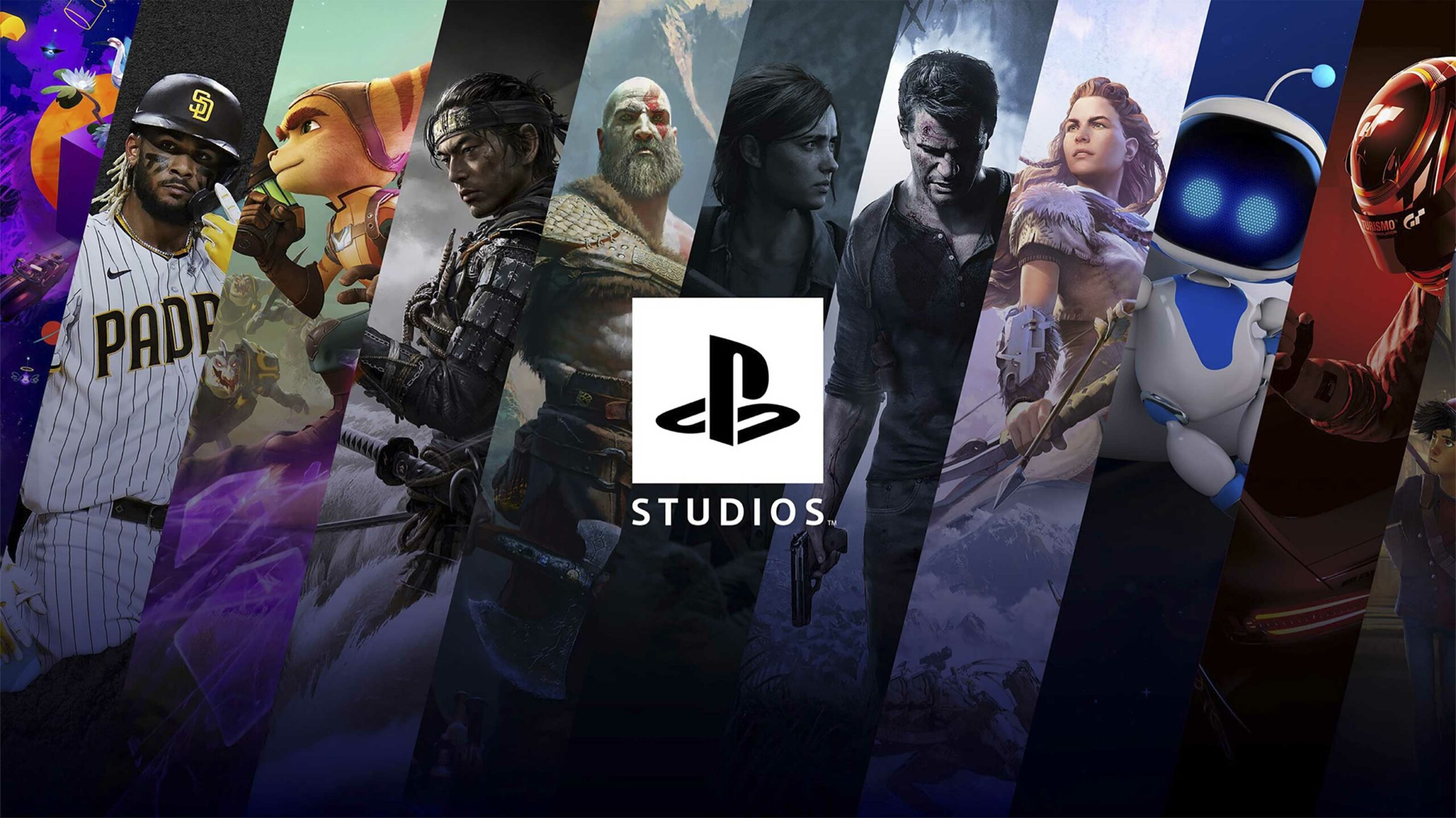
PlayStation’s recent PC expansion may be entering a very different phase, as a new report indicates that Sony’s biggest single player narrative games will remain exclusive to PlayStation consoles going forward. According to Bloomberg’s Jason Schreier on Bluesky, Hermen Hulst, chief executive officer of studio business at PlayStation, reportedly told staff during a town hall meeting that the company’s narrative single player games will now be PlayStation exclusive titles.
The report reinforces what Bloomberg had previously suggested in March, when it indicated that PlayStation was pulling back from bringing its major first party narrative releases to PC. Under this revised direction, multiplayer focused games such as Marathon and Helldivers 2 can still launch across other platforms, while premium story driven titles like God of War, Ghost of Yotei, Saros, and Intergalactic: The Heretic Prophet are expected to remain tied to PlayStation hardware.
This marks a major shift from PlayStation’s recent PC strategy. Over the last several years, Sony brought several major single player and narrative focused releases to PC, including God of War 2018, God of War Ragnarok, Returnal, Uncharted: Legacy of Thieves Collection, The Last of Us Part I Remake, The Last of Us Part II Remastered, Ratchet and Clank: Rift Apart, Horizon Zero Dawn Remastered, Horizon Forbidden West, Marvel’s Spider Man 2, Marvel’s Spider Man: Miles Morales, Marvel’s Spider Man Remastered, Days Gone, Sackboy: A Big Adventure, LEGO Horizon Adventures, and Ghost of Tsushima Director’s Cut.
SCOOP: PlayStation studio business CEO Hermen Hulst told staff in a town hall Monday morning that the company's narrative single-player games will now be PlayStation exclusive, confirming Bloomberg's reporting from earlier this year. Original story from March: www.bloomberg.com/news/article...
— Jason Schreier (@jasonschreier.bsky.social) May 19, 2026 at 2:47 AM
[image or embed]
For PC players, this new direction would effectively close the door on several expected future ports. If the reported strategy holds, recently released titles such as Saros and Ghost of Yotei would not be coming to PC. The same expectation would apply to Marvel’s Wolverine and Naughty Dog’s upcoming Intergalactic: The Heretic Prophet, both of which are positioned as major PlayStation console experiences.
At the same time, this does not mean PlayStation is abandoning PC entirely. Multiplayer titles, live service games, and selected projects with broader platform goals are still expected to reach PC. Guerrilla Games’ upcoming Horizon Hunters Gathering is also expected to come to PC, while third party titles will continue to launch across platforms depending on publisher strategy. The major distinction is now clearer: PlayStation appears to be separating multiplayer and service based growth from its prestige console exclusive narrative lineup.
The reason behind the shift appears to be commercial performance and platform value. Previous reports suggested that PlayStation’s first wave of PC ports performed well, but later releases did not maintain the same level of momentum. For Sony, the return on investment may no longer justify bringing every major narrative title to PC, especially if those ports reduce the perceived value of owning a PlayStation console.
The day one release question remains central to the debate. If Sony had fully embraced simultaneous PC and PlayStation launches for its single player games, it could have expanded software revenue and reached a larger audience immediately. However, that approach would also weaken one of PlayStation’s strongest hardware advantages. If players can access every major PlayStation narrative game on PC at launch, the argument for buying a PlayStation console becomes less compelling.
This strategy places PlayStation closer to its traditional identity. Sony’s brand has long been built around cinematic, high production value single player exclusives that define the console experience. Games like God of War, The Last of Us, Ghost of Tsushima, Horizon, and Spider Man helped establish PlayStation as the home for prestige action adventure storytelling. Keeping that identity exclusive to console gives Sony a stronger argument for the PS5 today and for the eventual PS6 in the future.
However, the move also risks frustrating PC players who had grown accustomed to PlayStation games eventually arriving on Steam and Epic Games Store. The past few years created a sense that major Sony titles would no longer remain locked forever, even if PC users had to wait. If that expectation is now changing, PlayStation will need to communicate the strategy carefully to avoid confusion around future releases.
The timing is also important. PlayStation hardware has become more expensive in several regions, and the minimum cost of entering the PlayStation ecosystem has increased following recent console price adjustments. If Sony keeps its biggest single player games console exclusive while hardware prices remain high, it reinforces exclusivity as a premium gateway rather than a broad ecosystem strategy.
From an industry perspective, this is a meaningful pivot. Microsoft has moved aggressively toward cross platform publishing, cloud gaming, and PC integration, while PlayStation appears to be drawing a stronger line between console identity and broader platform expansion. The result is a sharper contrast between the 2 companies. Xbox is leaning into software reach, while PlayStation is protecting the value of its hardware through exclusive narrative content.
For gamers, the practical takeaway is simple. PlayStation multiplayer and live service titles may still reach PC, but the company’s flagship single player narrative games are reportedly staying on PlayStation consoles. If confirmed by Sony in official messaging, this would mark the end of the short lived era where many expected nearly every major PlayStation exclusive to eventually make the jump to PC.
The PC port strategy helped Sony reach new players, generate new revenue, and extend the life of its catalog. But PlayStation now appears to be recalibrating around what made its console business powerful in the first place: exclusive single player games that push players toward the hardware. Whether that move strengthens the brand or alienates part of its expanded audience will depend on how Sony handles future releases.
Do you think PlayStation is making the right move by keeping single player narrative games exclusive, or should Sony continue bringing its biggest exclusives to PC after a limited console window?
