
NVIDIA Vera CPUs Reach Anthropic, OpenAI, SpaceXAI, and Oracle as Agentic AI Enters a New Infrastructure Phase
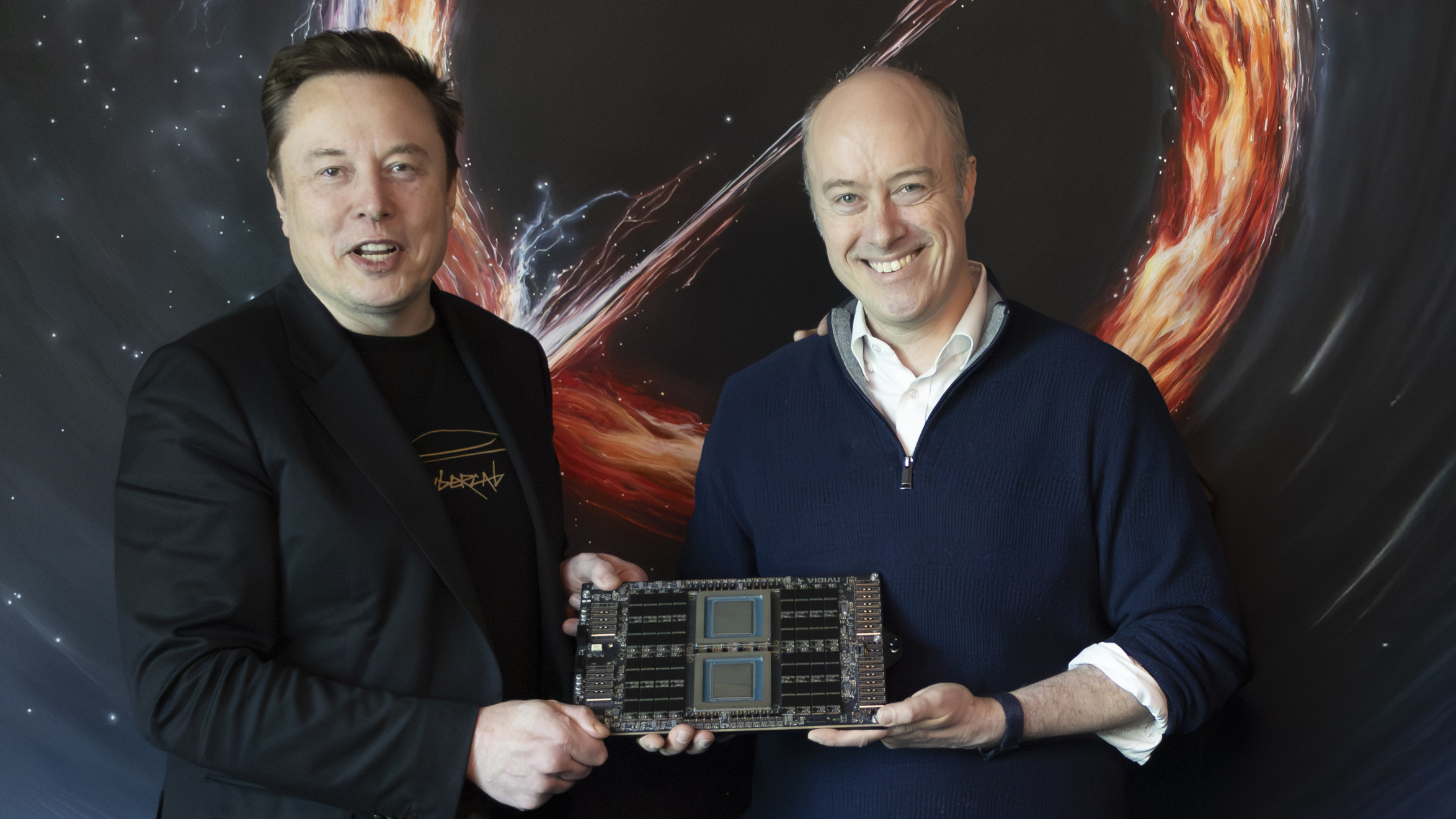
NVIDIA has started delivering its first Vera CPU systems to major AI companies, marking a key production milestone for the company’s next generation agentic AI platform. According to the official NVIDIA Blog, NVIDIA Vice President of Hyperscale and High Performance Computing Ian Buck personally delivered the first Vera systems to Anthropic, OpenAI, SpaceXAI, and Oracle Cloud Infrastructure.
Vera represents NVIDIA’s first custom CPU built specifically for agentic AI workloads. While GPUs remain the core engine behind accelerated AI training and inference, agentic systems require far more than raw GPU compute. These workloads also depend on orchestration, tool calling, reinforcement learning environments, data analytics, agent sandboxing, long context retrieval, memory management, and system level coordination. NVIDIA describes Vera as a CPU designed for this new operational layer of AI infrastructure, where models are no longer only answering questions, but also executing tasks, generating code, managing tools, and interacting with large software environments.
NVIDIA’s Ian Buck hand-delivered the first-ever NVIDIA Vera CPUs to our partners @AnthropicAI, @OpenAI, @SpaceX, and @OracleCloud. 🎉
— NVIDIA (@nvidia) May 18, 2026
Vera is NVIDIA's first custom CPU, purpose-built for the age of agentic AI. This is just the beginning. The road to Vera-powered systems starts… pic.twitter.com/Ep5PLqcqIa
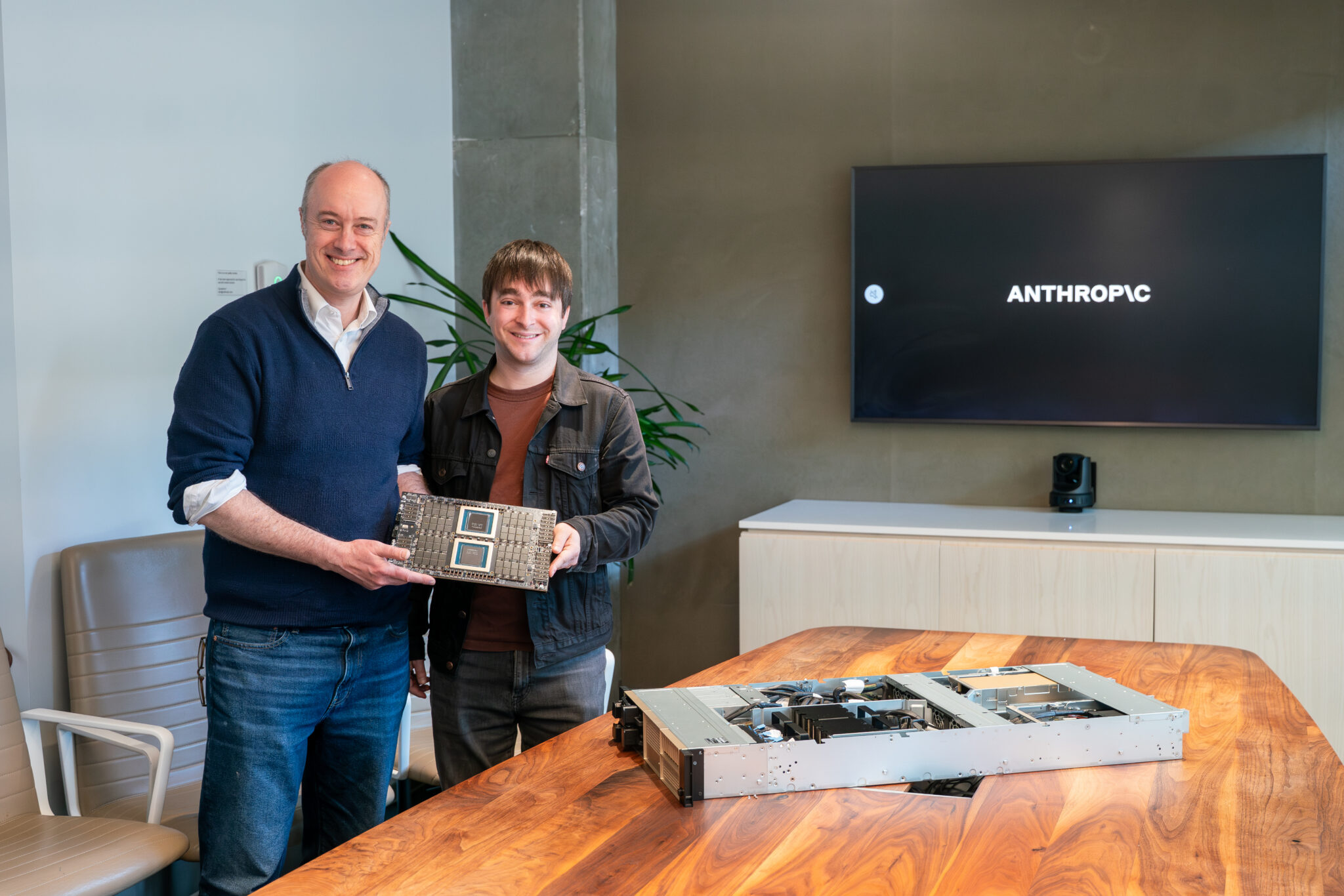
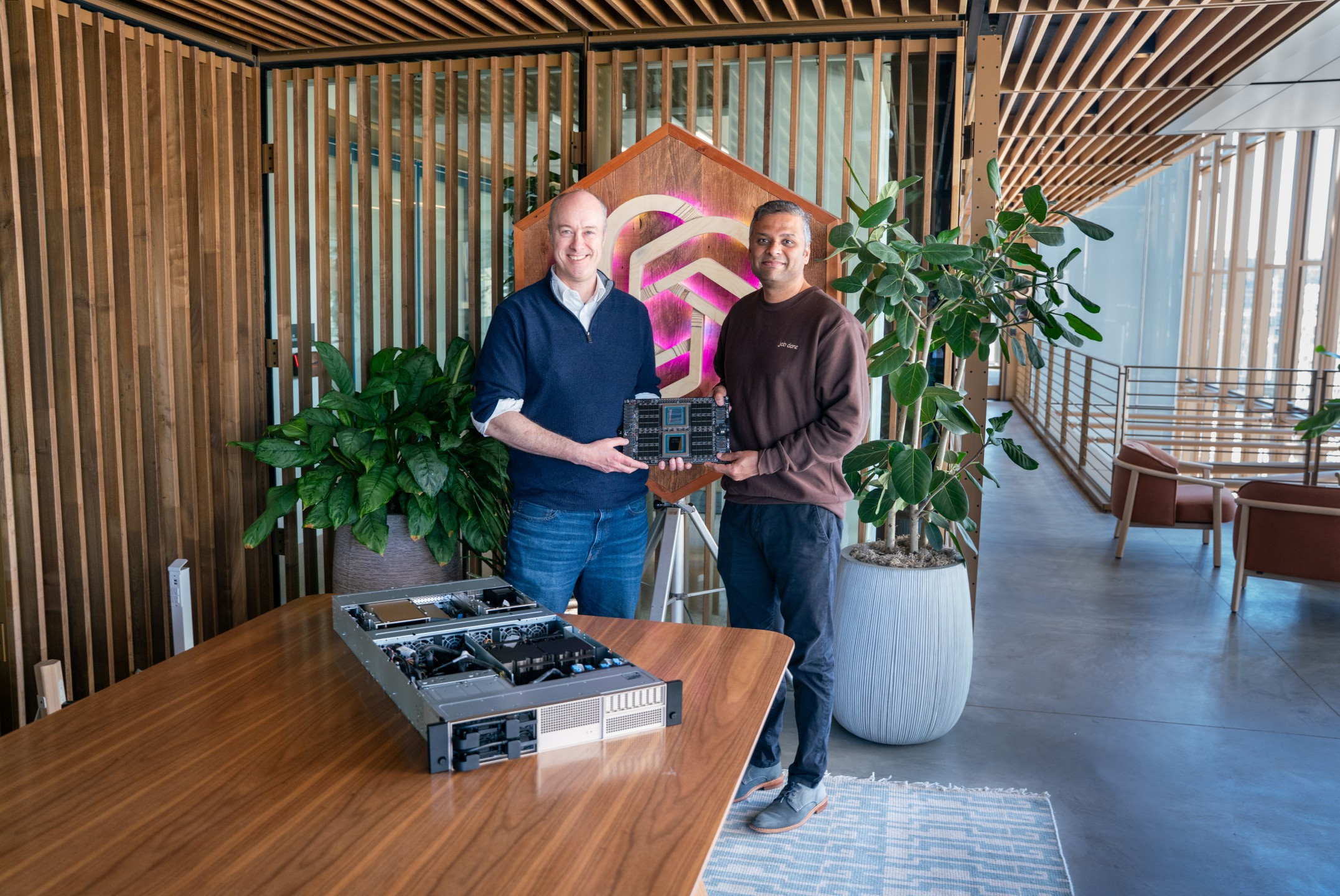
The first delivery took place at Anthropic’s SoMa office in San Francisco, where NVIDIA handed over a Vera system to the company’s compute team. The second stop was OpenAI’s Mission Bay headquarters, followed by a delivery to SpaceXAI in Palo Alto. On Monday, Ian Buck completed the first delivery wave at Oracle’s AI Customer Excellence Center in Santa Clara, bringing Vera to one of NVIDIA’s major cloud infrastructure partners.
"Agentic AI is creating a new CPU moment in the AI factory, as models move from answering to acting, Vera is purpose built to keep that work moving at scale."
By: Ian Buck
The strategic meaning of these deliveries is bigger than the first few racks. NVIDIA is positioning Vera as the CPU foundation for the agentic AI era, where infrastructure must support thousands of parallel software environments, complex data movement, code execution, tool usage, and high throughput reasoning pipelines. This is an area where conventional CPU designs can become a bottleneck, especially when GPUs are waiting for orchestration, data preparation, or control heavy workloads to complete.
Vera uses 88 custom NVIDIA designed Olympus cores and delivers 1.2 TB/s of memory bandwidth. NVIDIA says the CPU offers 50% faster per core performance under full load, helping agentic workflows complete more quickly and improving the efficiency of the wider AI factory. The company also states that Vera can deliver 2x the energy efficiency of traditional infrastructure when handling orchestration, control, and data movement needed to keep GPUs fully utilized.
For AI labs, Vera is designed to support the parts of AI work that happen around the model. That includes reinforcement learning workloads, long context state management, simulation pipelines, code generation, tool execution, and high concurrency sandbox environments. These are critical for the next generation of AI agents, where performance depends not only on model size or GPU throughput, but also on how efficiently the system can manage thousands of active tasks at once.
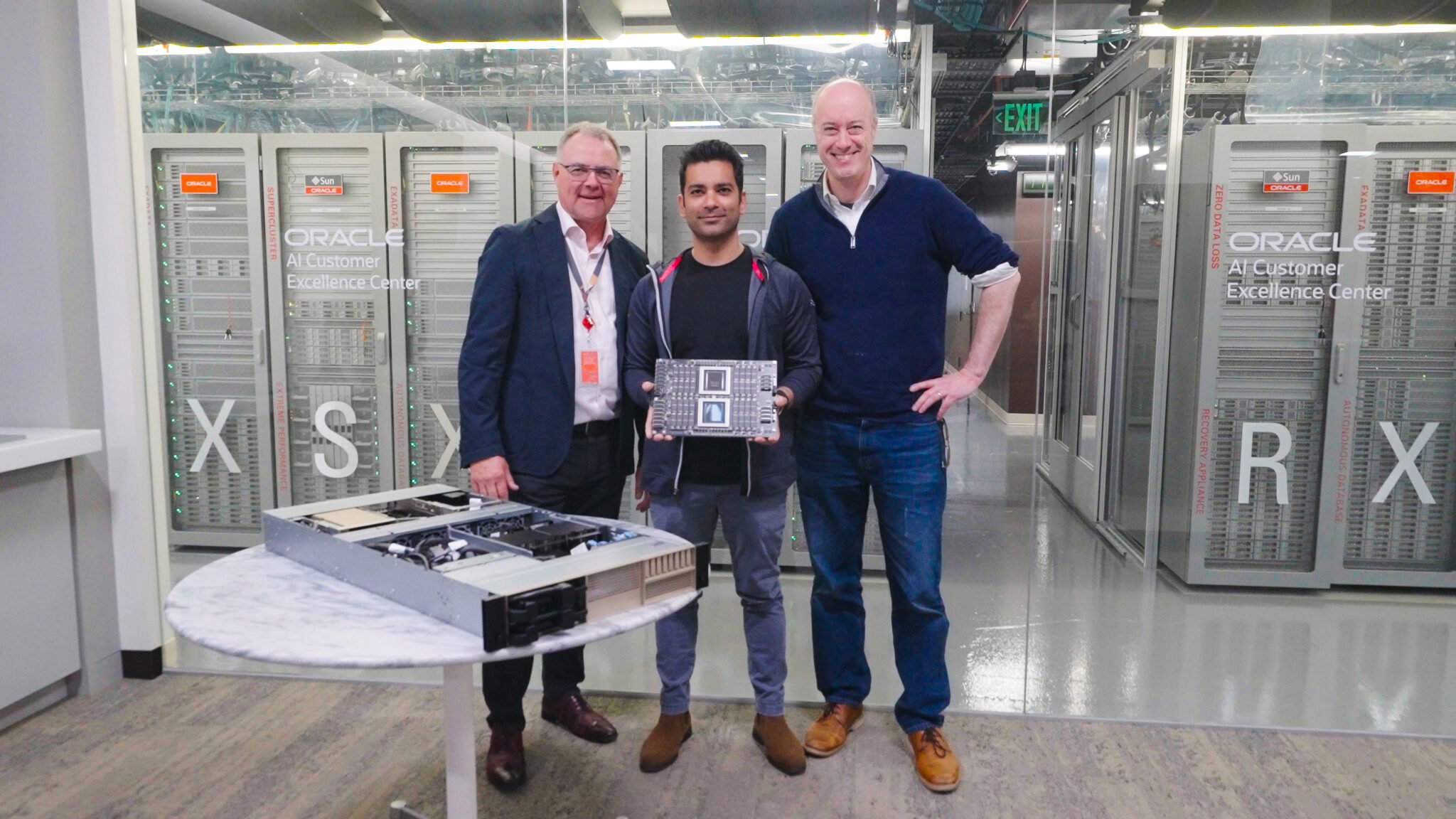
SpaceXAI is evaluating Vera for reinforcement learning workloads and agent based simulation pipelines, according to NVIDIA. Oracle Cloud Infrastructure is also preparing for a much larger rollout, with OCI planning to deploy hundreds of thousands of NVIDIA Vera CPUs beginning in 2026. Oracle said Vera’s architecture is built for high throughput reasoning workloads and gives OCI the efficiency, density, and footprint needed for next generation enterprise AI.
"OCI plans to deploy hundreds of thousands of NVIDIA Vera CPUs beginning in 2026 because agentic AI demands sustained performance at massive scale."
By: Karan Batta
Vera is also part of NVIDIA’s broader co design strategy around Vera Rubin, BlueField 4, Spectrum X, and MGX rack architecture. In addition to standalone CPU systems, Vera will operate as the host processor for Vera Rubin NVL72, where it pairs with Rubin GPUs through second generation NVLink C2C. This creates a unified memory architecture intended to keep accelerated computing resources better fed and more efficiently utilized.
This is where NVIDIA’s strategy becomes especially important. The company is no longer only selling GPUs into the AI market. It is building full rack scale AI infrastructure where CPUs, GPUs, DPUs, networking, memory, and system software are designed together. Vera strengthens that stack by giving NVIDIA a custom CPU platform that can serve both standalone agentic AI systems and GPU connected AI factories.
The memory side of Vera also matters for the wider hardware industry. Vera relies on high bandwidth LPDDR5X memory, and NVIDIA’s expansion into CPU platforms could further increase pressure on the memory supply chain. AI demand has already tightened HBM, DRAM, and server memory availability, and a large scale rollout of Vera based systems could add another layer of demand for high performance low power memory.
For cloud providers and enterprise AI customers, Vera creates a new infrastructure option for agentic AI deployment. Rather than treating the CPU as a generic support component, NVIDIA is making the CPU a direct part of the AI performance equation. That could be especially important for companies running large scale agent systems where the bottleneck is not only matrix compute, but also task scheduling, environment execution, memory movement, and data pipeline management.
For the gaming and content creation world, the impact is indirect but still relevant. NVIDIA’s AI infrastructure roadmap influences the same technology ecosystem that eventually affects game development tools, AI assisted content creation, simulation pipelines, digital humans, large scale world generation, and cloud based interactive experiences. As agentic AI becomes more capable, studios and creative teams could gain new tools for automation, testing, asset workflows, and production scale AI services.
The first Vera deliveries to Anthropic, OpenAI, SpaceXAI, and Oracle show that NVIDIA’s agentic AI strategy is moving from roadmap to production. Vera is not just a successor to Grace. It is a signal that the CPU is becoming a strategic AI accelerator in its own right, especially as models evolve from passive response systems into active agents that can reason, plan, call tools, and operate across software environments.
With Vera now entering customer hands and Vera Rubin moving closer to larger deployment, NVIDIA is setting up another major business front inside the AI infrastructure market. The GPU remains the star of the AI boom, but Vera shows that NVIDIA wants to control the full AI factory, from compute acceleration to CPU orchestration and rack scale system design.
Do you think Vera gives NVIDIA an even stronger hold over the AI infrastructure market, or will cloud providers and AI labs eventually push for more open CPU and accelerator alternatives?
