
Shuhei Yoshida Says PlayStation PC Ports Never Hurt PS5 Sales and Helped Fund Bigger First Party Games
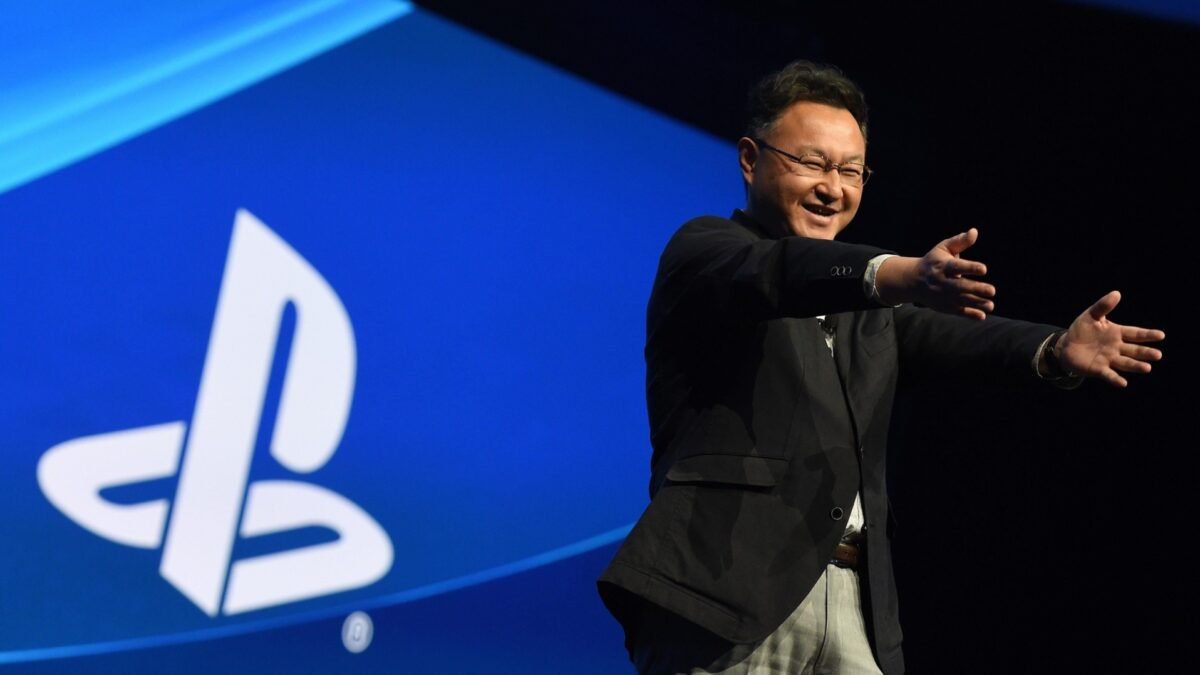
Former PlayStation executive Shuhei Yoshida has pushed back against the idea that Sony’s PC ports weakened the PlayStation brand, arguing instead that bringing first party games to PC helped recover rising AAA development costs and supported future blockbuster production. Speaking in a new interview with Back Pocket during ALT. Games, Yoshida explained that Sony’s older strategy was built around keeping major first party titles locked to PlayStation hardware, but that the economics of modern game development eventually forced the company to rethink that approach.
For years, PlayStation’s identity was built around console exclusivity. Sony’s first party studios created major titles that helped sell hardware, strengthen the PlayStation ecosystem, and give players a clear reason to buy into the platform. Before the PlayStation 5 generation, that strategy was relatively straightforward: build premium exclusive games, keep them on PlayStation, and use them as system sellers.
However, Yoshida said that during his time working on PlayStation’s first party development strategy, releasing AAA games on other platforms such as PC was not allowed. That changed as production costs increased and modern AAA games became significantly more expensive to create. According to Yoshida, the scale of investment required for large first party titles grew so much that PlayStation needed additional revenue streams to help balance the risk.
“When I was working on the game development side, first party at PlayStation, from the strategy standpoint, we are not allowed to bring our triple A games to other platform like PC.
Quote by: Shuhei Yoshida”
Yoshida argued that releasing PlayStation games on PC after a couple of years became a practical way to recover investment without damaging the console business. Rather than treating PC ports as a threat to PlayStation hardware, he framed them as a financial tool that helped Sony fund the next wave of first party games.
“Releasing games on PC after a couple years must have helped recoup the investment of these big budget games and helped the team and the company to reinvest that money into their new games.
Quote by: Shuhei Yoshida”
This is an important point in the current console market. AAA game budgets have continued to rise, while console install bases alone may not always be enough to justify every major investment. Games from PlayStation Studios are often expected to deliver high production values, cinematic presentation, long development cycles, expensive motion capture, large teams, global marketing campaigns, and years of technical support. That kind of production model requires more than brand loyalty. It requires a broader revenue strategy.
Yoshida also dismissed the argument that PC ports hurt PS5 hardware adoption. Some PlayStation purists believe that releasing former exclusives on PC reduces the value of owning a PlayStation console, but Yoshida described that reaction as coming from a vocal minority rather than representing the broader market.
“I do not think that really affected the adoption of PlayStation hardware like PS5 in any way.
Quote by: Shuhei Yoshida”
The logic is simple. A player who wants PlayStation first party games at launch still needs a PlayStation console. Sony’s PC strategy has typically involved delayed releases, meaning PC players often receive major single player titles months or years later. For console players, the PS5 remains the fastest and most direct way to access new PlayStation Studios releases. For PC players, the delayed ports create an additional revenue window without necessarily replacing the console audience.
Yoshida’s position also reflects the difference between day one PC releases and delayed PC ports. While he supports bringing PlayStation games to PC after a period of console exclusivity, he has not suggested that launching every major first party title on PC day one would be the right move for Sony. The current strategy allows PlayStation to preserve console value while still expanding the commercial lifespan of its biggest games.
This is why rumors of Sony returning to a stricter console exclusive model are so interesting. Yoshida said he has not seen proof that PlayStation is changing its PC strategy this generation, but he also warned that if Sony does pivot away from PC ports, the company will need to explain how it plans to sustain the investment required for big budget first party development.
“I'm not seeing any proof of them changing their strategy this generation. But, if they are changing, it's going to be interesting how they are able to maintain the investment on the big budget games on first party side going forward.
Quote by: Shuhei Yoshida”
That warning matters because the PlayStation 6 generation is unlikely to make development cheaper. If anything, expectations for visual fidelity, animation quality, open world scale, accessibility features, performance modes, localization, live support, and cinematic storytelling will continue to rise. Cutting off PC revenue could place even more pressure on PS6 first party games to sell larger numbers on console alone.
At the same time, Sony needs to protect the value of its hardware. This is the delicate balance at the center of the debate. If PC ports arrive too quickly, some players may delay buying PlayStation hardware. If they arrive too late or not at all, Sony may leave significant revenue on the table. The current delayed port strategy appears to be the middle ground, allowing PlayStation to maintain console exclusivity during the most important launch period while still reaching a wider audience later.
Recent and upcoming titles such as Ghost of Yotei and Saros show that PlayStation’s single player strategy still appears focused on PS5 first. Neither title currently has a PC version announced, suggesting that Sony has not fully abandoned the idea of PlayStation as the primary home for its major narrative driven exclusives. However, the long term question is whether these games will eventually follow the path of other first party titles and arrive on PC after their console window.
Yoshida’s comments also arrive at a time when the broader industry is questioning the sustainability of AAA development. Massive budgets, long production cycles, studio layoffs, delayed projects, and higher player expectations have forced publishers to rethink how games are funded and monetized. In that environment, PC ports are not simply about platform politics. They are about extending a game’s commercial life and reducing the financial risk attached to premium single player development.
For PlayStation fans, the debate will likely continue. Some players will always prefer the older model, where first party games stayed permanently tied to PlayStation hardware. Others see PC ports as a positive move that expands access, improves long term game preservation, and gives Sony more resources to invest in future projects.
Yoshida’s argument is ultimately pragmatic. PlayStation hardware still matters, first party games still sell consoles, and delayed PC ports can still generate meaningful additional revenue without undermining the PS5 business. In a market where blockbuster development costs continue to climb, that revenue could be the difference between taking creative risks and playing it safe.
Sony may still adjust its PC strategy depending on the market, competition, and internal business priorities. But if Yoshida is right, PC ports did not weaken PlayStation. They helped keep the blockbuster machine running.
Do you think delayed PC ports are the right strategy for PlayStation, or should Sony keep its biggest first party games permanently exclusive to its consoles?
