
Samsung Raises Foundry Prices by Up to 15% as AI Demand Fills Advanced Capacity
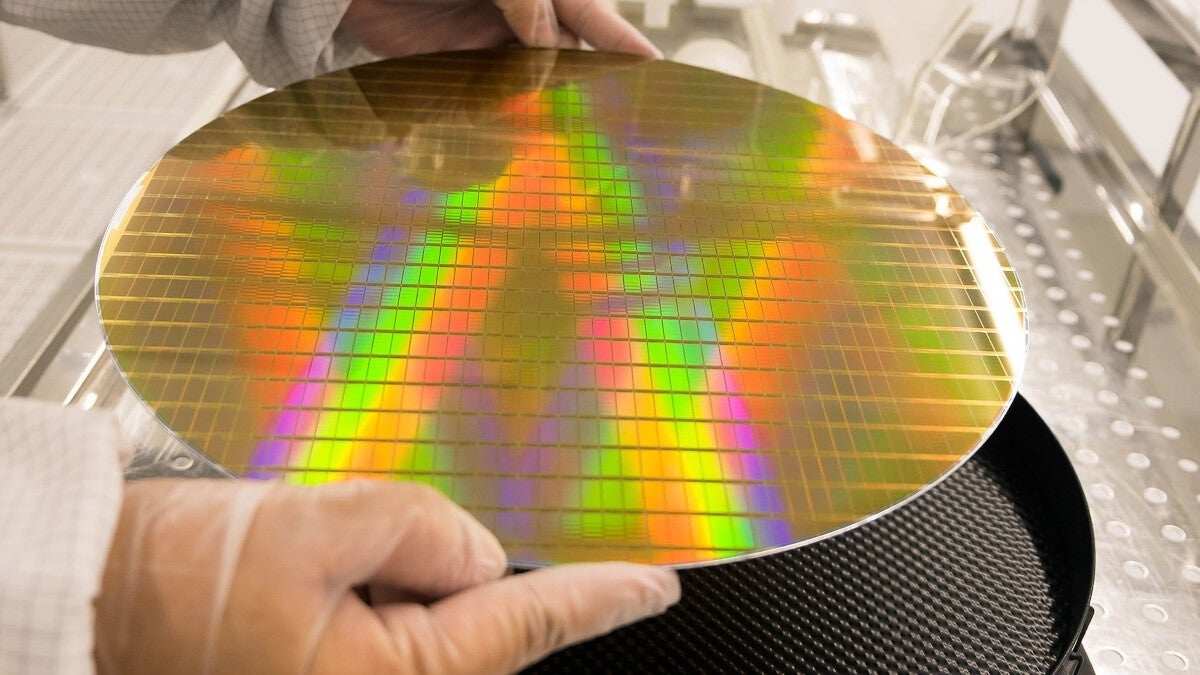
Samsung Electronics has reportedly increased prices for several of its semiconductor foundry processes by as much as 15%, marking a major turnaround for a business that has spent years trying to improve utilization and close the gap with TSMC. According to Reuters, the increases affect new orders across Samsung's 4 nm, 5 nm, and 8 nm processes as demand for AI and high performance computing silicon consumes more available manufacturing capacity.
Samsung reportedly raised pricing for its SF4 4 nm process by 10% to 15% for customers in China and the United States during July, while Taiwanese customers faced smaller increases of approximately 5% to 10%. Its SF5 5 nm process also increased by between 10% and 15%, while older 8 nm wafer pricing rose by nearly 10%. Samsung declined to publicly comment on individual customer pricing.
Chinese customers are reportedly accepting some of the largest increases. United States restrictions on exports of advanced semiconductor equipment have limited China's ability to expand domestic production at leading process technologies, increasing reliance on overseas foundries. At the same time, TSMC's advanced capacity remains heavily occupied by AI accelerators, CPUs, GPUs, networking silicon, and custom processors, giving alternative suppliers considerably more pricing leverage.
"As TSMC faces tight capacity and raises prices, customers are shifting to rivals such as Samsung and Intel."
— Quote by: Lee Min hee, BNK Investment and Securities
Samsung's SF4 production line at Pyeongtaek has reportedly operated at full capacity since late 2025. The line manufactures logic products for customers including Qualcomm while also producing 4 nm logic base dies for Samsung's own HBM products. This combination means AI demand is affecting Samsung Foundry from multiple directions, with external customers competing for capacity while Samsung's rapidly expanding HBM business also requires advanced logic production.
Samsung's own Q2 2026 financial results reinforce that demand picture. The company said Foundry earnings improved significantly before incentive related provisions because of strong HBM base die demand and orders from United States customers. Samsung expects demand across its process portfolio from both United States and Chinese customers to support double digit Foundry revenue growth during 2H 2026.
The company is simultaneously expanding production beyond the processes currently receiving reported price increases. Samsung plans to ramp its second generation 2 nm process for new mobile products during 2H 2026 while expanding 4 nm production for AI, high performance computing, LPU products, and HBM base dies. The reported 15% increase should therefore not be interpreted as confirmation that Samsung has raised 2 nm pricing by the same amount.
Samsung's stronger position is also being supported by major new customer relationships. Tesla and Apple have already announced manufacturing agreements with Samsung, while NVIDIA has selected the company for an upcoming AI inference processor. Samsung also recently expanded its relationship with Broadcom through a major partnership covering HBM, advanced packaging, and future 2 nm and smaller products.
Samsung still remains far behind TSMC in total foundry scale. Counterpoint data cited by Reuters placed Samsung at approximately 7% of global foundry revenue during Q1 2026, compared with more than 70% for TSMC. However, limited TSMC capacity is creating an environment where customers increasingly need additional manufacturing sources rather than depending on a single supplier.
That shift comes as TSMC itself moves toward higher advanced process pricing. TSMC is preparing price increases across 5 nm and smaller processes, demonstrating that the AI semiconductor boom is giving foundries considerably more leverage as premium capacity becomes increasingly difficult to secure.
Samsung raising prices is actually a positive signal for its Foundry business. For years, the company needed better utilization, stronger yields, and more external customers to make its enormous manufacturing investments sustainable. Full 4 nm capacity and growing AI orders suggest that equation is finally changing.
The biggest opportunity is not necessarily taking TSMC's largest customers away completely. AI companies increasingly need more wafers than a single foundry can provide, creating room for Samsung to become a meaningful second manufacturing source while combining logic production with its own HBM and advanced packaging technologies.
If stronger utilization, improved yields, and higher wafer pricing continue, Samsung Foundry could potentially return to profitability as early as 2027. The challenge will be maintaining customer confidence as it scales 2 nm production and converts today's supply shortage into long term foundry relationships.
Could Samsung's combination of advanced foundry capacity, HBM, and packaging make it the strongest alternative to TSMC as AI chip demand continues growing?
