
Samsung Launches $799 Galaxy Book6 With Intel Core Series 3 and 25 Hour Battery Life
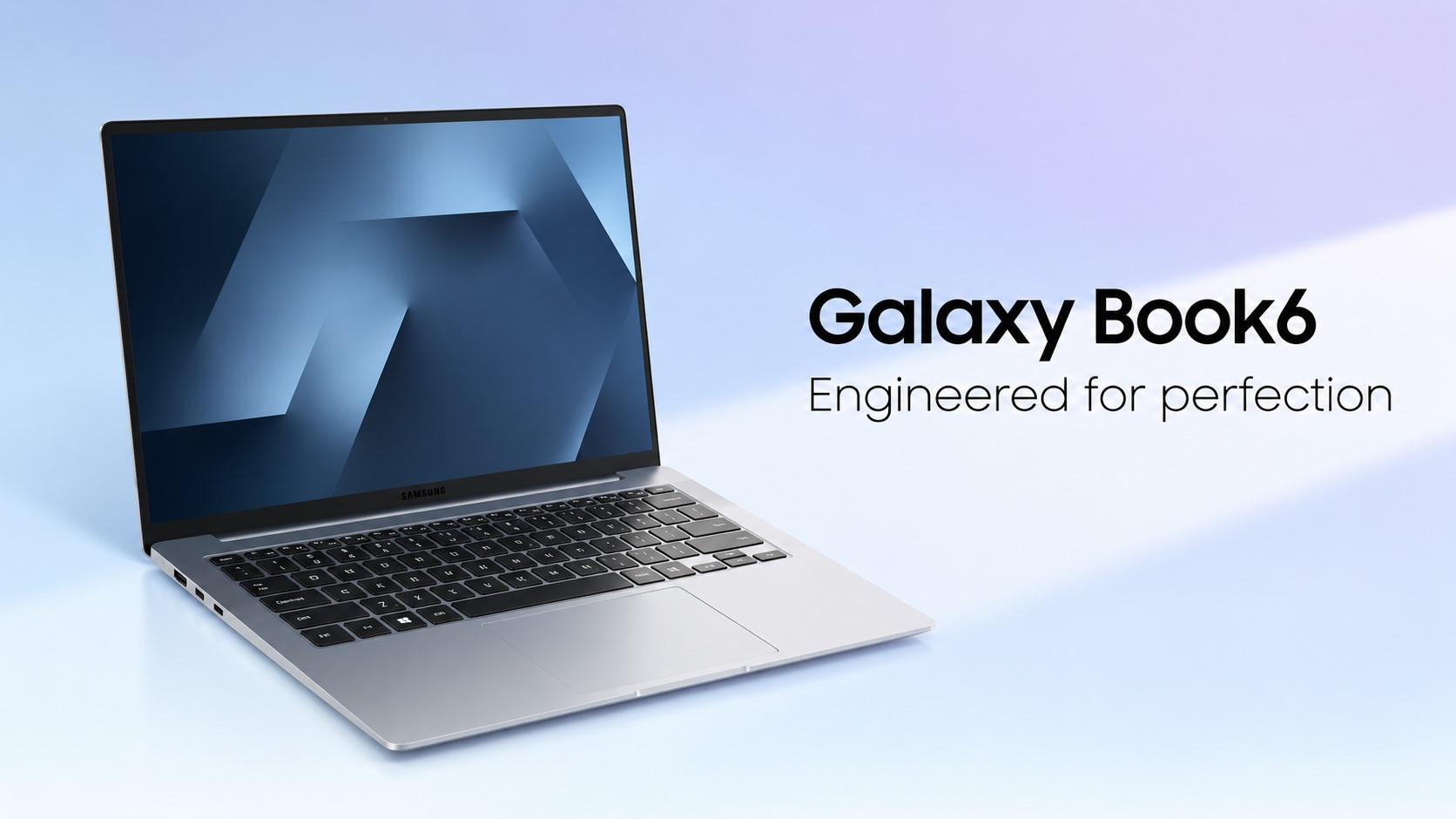
Samsung has expanded its Galaxy Book6 family with a new 14 inch model powered by Intel Core Series 3 processors, bringing its latest notebook design and Galaxy ecosystem features into a more affordable $799 price tier. The system targets students, families, office users and mainstream buyers who prioritize portability and battery life over the premium performance and displays offered by the Galaxy Book6 Pro and Ultra models. According to Samsung’s official Galaxy Book6 announcement, configurations will be available with Intel Core 3 and Core 5 processors alongside up to 16 GB of LPDDR5X memory.
Intel Core Series 3, also known as Wildcat Lake, represents the more accessible branch of Intel’s latest mobile processor generation. The chips use technology derived from the Core Ultra Series 3 platform while targeting lower cost and lower power laptops. Intel says the family is manufactured using its Intel 18A process and was specifically developed for value focused consumer, education, small business and edge systems. More than 70 designs from different manufacturers are expected around the platform.
The new Galaxy Book6 therefore sits very differently from Samsung’s premium Panther Lake systems. Rather than emphasizing large integrated GPUs or high NPU throughput, Samsung is prioritizing everyday productivity and efficiency. The laptop includes an Intel NPU delivering up to 15 TOPS alongside integrated Intel Graphics, making it suitable for lighter local AI acceleration while Samsung’s own Galaxy AI features extend functionality through its wider software ecosystem.
This continues the strategy we previously examined when Intel launched Core Series 3 Wildcat Lake for affordable everyday laptops. Intel is effectively bringing technologies from its newest architecture into systems that do not need the additional CPU cores, graphics capability or premium pricing associated with Core Ultra models.
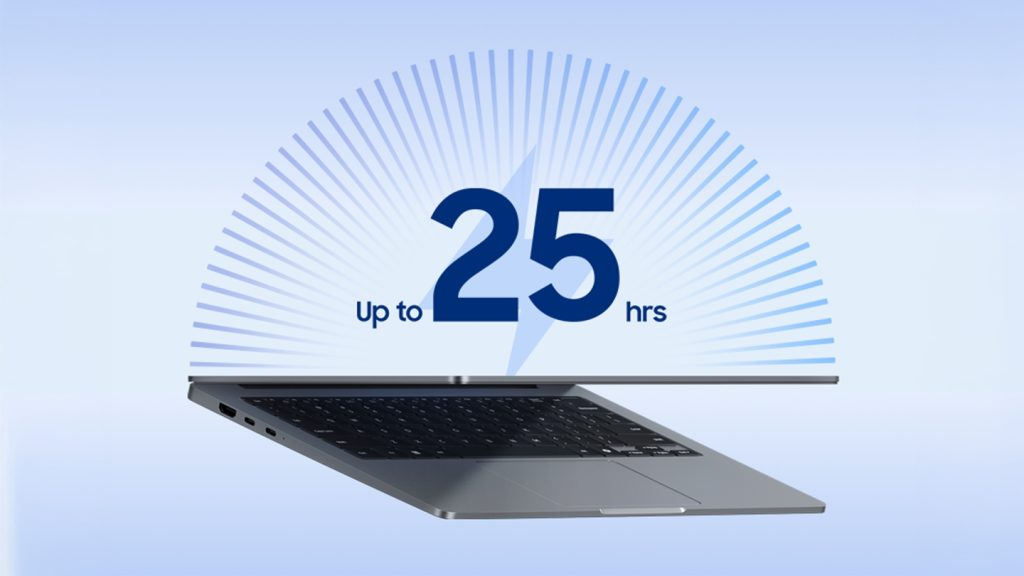
Battery life is one of Samsung’s biggest claims. The Galaxy Book6 uses a 61.2 Wh battery and is rated for up to 25 hours of operation under Samsung’s video playback testing. A 45 W USB Type C charger is included, with Samsung claiming approximately 33% charge in 30 minutes. The chassis measures just 15.7 mm thick and weighs 1.35 kg, making the system relatively portable for everyday commuting, school and travel.
The display is considerably more conservative than the AMOLED panels found on higher end Galaxy Book models. Samsung uses a 14 inch 1920 × 1200 LCD with a 16:10 aspect ratio, 350 nit brightness and an anti reflective finish. The specification is clearly aimed at productivity rather than entertainment or professional content creation, but the taller 16:10 format should provide additional vertical workspace for documents, browsers and multitasking.

Memory options include 8 GB or 16 GB of LPDDR5X, while global configurations can offer 256 GB, 512 GB or 1 TB of PCIe storage depending on the region. Samsung’s United States announcement currently lists 256 GB and 512 GB configurations, meaning the 1 TB model may remain limited to selected international markets.
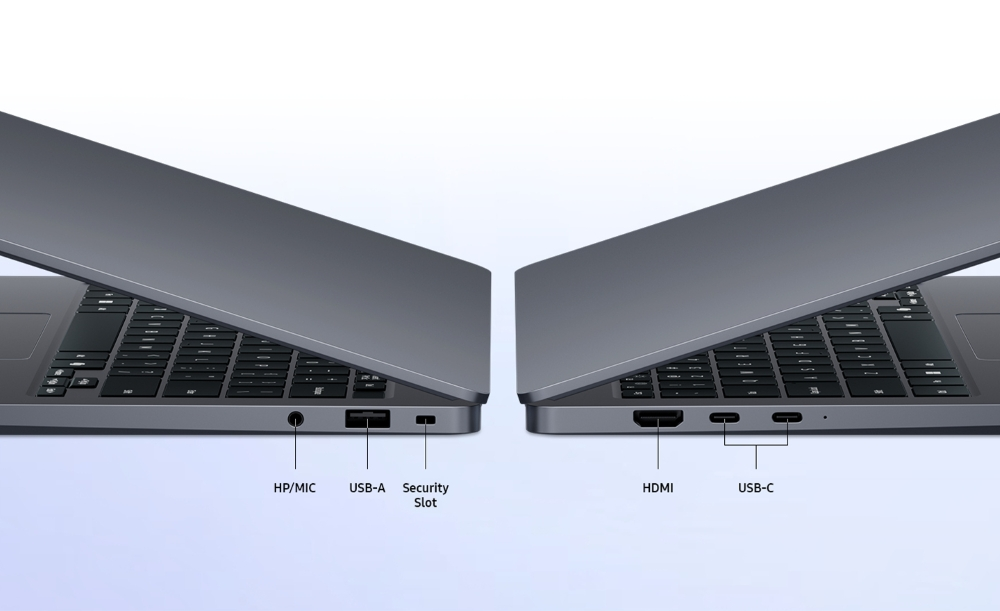
Connectivity includes 2 USB Type C ports with matching functionality, USB Type A, HDMI 1.4 and a 3.5 mm headphone connection. HDMI output is limited to 4K at 30 Hz, another indication that Samsung has deliberately simplified the platform to reach the lower price point. Wireless connectivity includes Wi Fi 6E and Bluetooth 5.4. The notebook also carries a 1080p webcam, dual microphones, stereo 2 W speakers with Dolby Atmos and a non backlit keyboard.
Samsung is placing considerable emphasis on integration with its Galaxy smartphones and tablets. AI Select can identify selected onscreen content and provide additional information, while AI Cut Out can isolate subjects from image backgrounds. Note Assist can summarize Samsung Notes content, while Storage Share allows files stored on compatible Galaxy phones to be accessed directly from the Galaxy Book without first manually transferring them.
Quick Share remains available for transferring files, while Multi Control lets compatible Galaxy devices share a keyboard and mouse. Galaxy tablets can also operate as secondary displays through Second Screen, and Link to Windows provides additional smartphone integration. These ecosystem features are arguably more important on a mainstream Galaxy Book than raw AI processing performance because they offer practical benefits to users already invested in Samsung hardware.

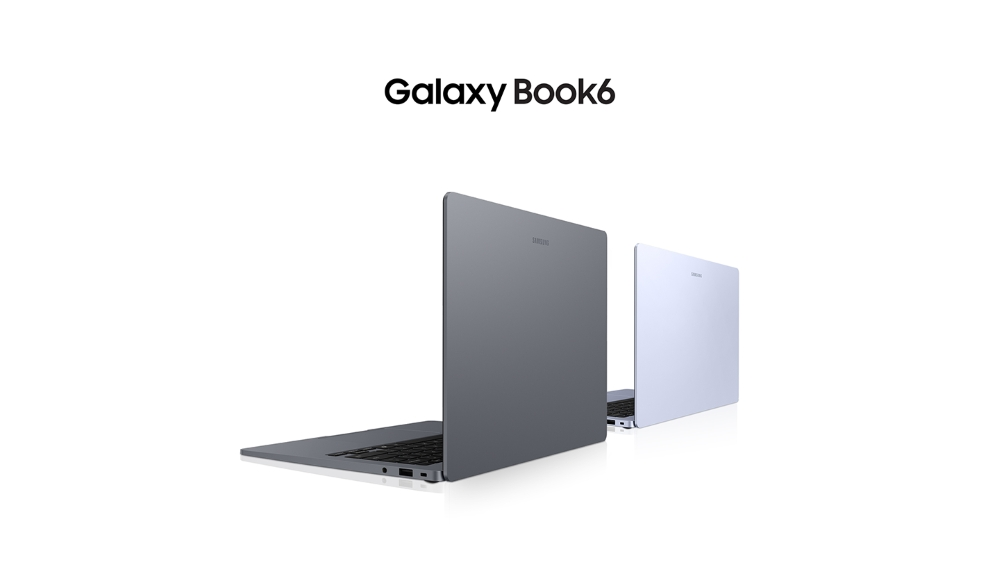
The United States version will become available through Samsung and Amazon by October 5, 2026, starting at $799.99. Global pricing begins at approximately $799, while the United Kingdom version starts at £799. Samsung will offer Violet Silver and Gray color options, with Violet Silver appearing on a Galaxy Book for the first time.
The most interesting part of this Galaxy Book6 is not that Samsung has created another thin laptop. It is that Intel Core Series 3 is finally reaching recognizable mainstream systems at prices substantially below premium Core Ultra notebooks.
At $799, Samsung is clearly making compromises. The 350 nit LCD, HDMI 1.4 connection, integrated graphics and maximum 16 GB memory configuration place this firmly in the everyday productivity category. However, a 1.35 kg chassis, up to 25 hours of claimed battery life, Intel 18A silicon and strong Galaxy ecosystem integration could make those tradeoffs reasonable for users who simply need a dependable portable Windows machine.
The broader significance is Intel’s strategy. Wildcat Lake gives manufacturers a way to use modern Intel architecture without forcing every new laptop into the premium AI PC segment. If real world battery life comes close to Samsung’s claims, Core Series 3 may ultimately matter more to mainstream notebook volumes than many of Intel’s more powerful flagship processors.
Would you consider the $799 Galaxy Book6 for its portability and battery life, or are 16 GB of memory and a 350 nit LCD too limiting for a new laptop in 2026?
