
RTX 5090 Connector Melts Again as User Reports Burned Top Pin Row on GIGABYTE AORUS Master ICE Even With 500W Power Limit
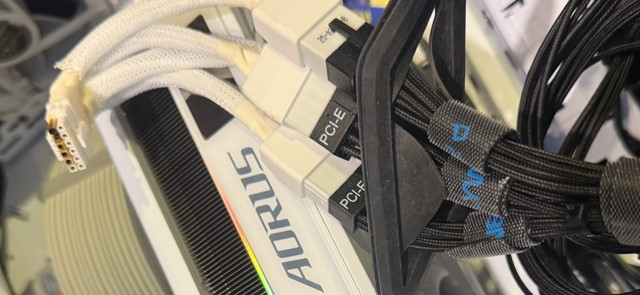
The 16 pin GPU power connector saga is not going away, and a new user report highlights why many enthusiasts are losing confidence that simple mitigation steps are enough. A user on the Mobile01 forums says their GIGABYTE GeForce RTX 5090 AORUS Master ICE suffered a burned and melted connector, even after the owner proactively limited the card to a 500W maximum power ceiling, lower than the roughly 600W ceiling commonly associated with many RTX 5090 configurations.
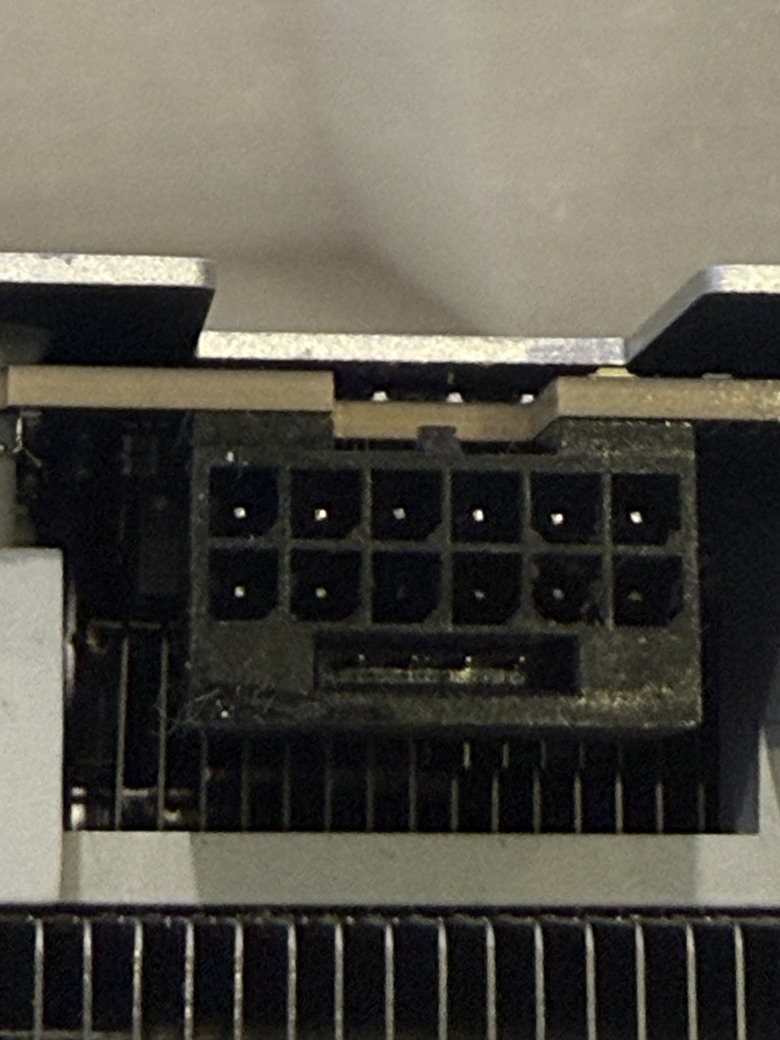
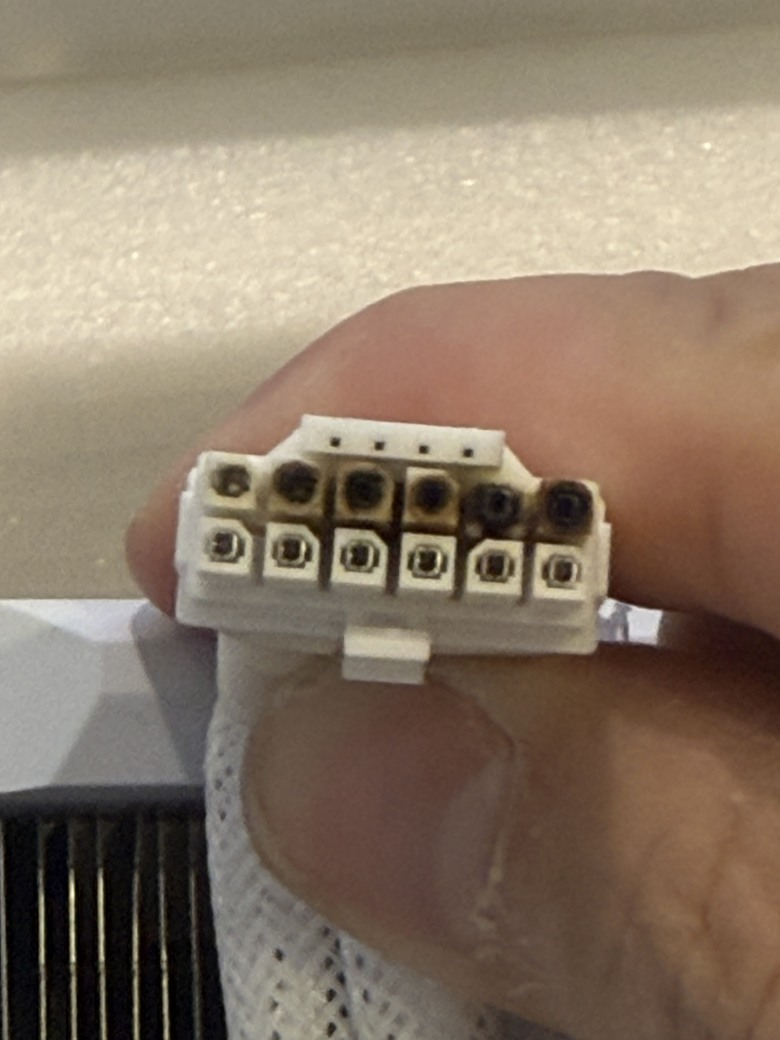
The report comes from a thread on Mobile01 forum post, where the user shares details and images of the damage. According to the description, the top row of pins on the 12V 2x6 connector shows visible burning and melting, while the bottom row appears unaffected. That pattern matters because it suggests an uneven load distribution across the pins, which can occur if contact pressure is inconsistent, insertion is not fully seated, or tolerances in the connector and cable assembly do not provide uniform electrical contact.
What makes this incident especially frustrating is that the owner tried to de risk the situation in advance by lowering the GPU power limit to 500W. For years, enthusiast PC building has operated under a predictable assumption: reduce power draw and you reduce thermal stress. In this case, limiting power did not prevent failure. The report also notes the user was using the included adapter setup, described as a 3 by 8 pin to 12V 2x6 adapter that shipped with the GPU. The GPU reportedly ran for nearly 7 months before the connector failure occurred, which reinforces how these incidents can feel random to end users. A system can appear stable for months, then fail abruptly.
The broader concern is that RTX 5090 remains the most frequently cited card in RTX 50 series connector burn discussions, but similar reports have also surfaced across lower power GPUs like RTX 5080 and RTX 5070 Ti, and even some Radeon RX 9070 XT models that use the same 12V 2x6 style connection. The common thread is that power limit alone is not a guaranteed safeguard if the underlying failure mode is contact quality rather than total wattage.
These steps cannot guarantee prevention, but they align with common best practice behavior when dealing with 12V 2x6 power delivery.
Ensure you have an ATX 3.1 compliant power supply
Use the native 12V 2x6 cable that ships with your PSU when available
Avoid 8 pin to 16 pin adapters when possible
Confirm the connector is fully inserted and seated flush
Avoid tight bends close to the connector, including within 35 mm of the plug
Consider monitoring solutions like Wireview II Pro if you already have one available
For builders and gamers investing in a flagship card like RTX 5090, the uncomfortable takeaway is that the burden of risk management still sits too heavily on the customer. At this price tier, the expectation is a premium experience, not a constant checklist of connector discipline and anxiety.
Do you think the core issue is still user side seating and cable handling, or does this point to a deeper connector and adapter ecosystem problem that needs a hardware level redesign?
